Waraji Japanese Restaurant
Waraji Japanese Restaurant on Duraleigh Road has held a quiet but firm place in Raleigh's dining conversation for years, offering a level of Japanese culinary seriousness that the city's broader restaurant scene rarely matches. In a market where Japanese dining often defaults to roll-heavy menus and conveyor-belt informality, Waraji occupies a different register — one rooted in technique and restraint rather than novelty.
 Discover on Pearl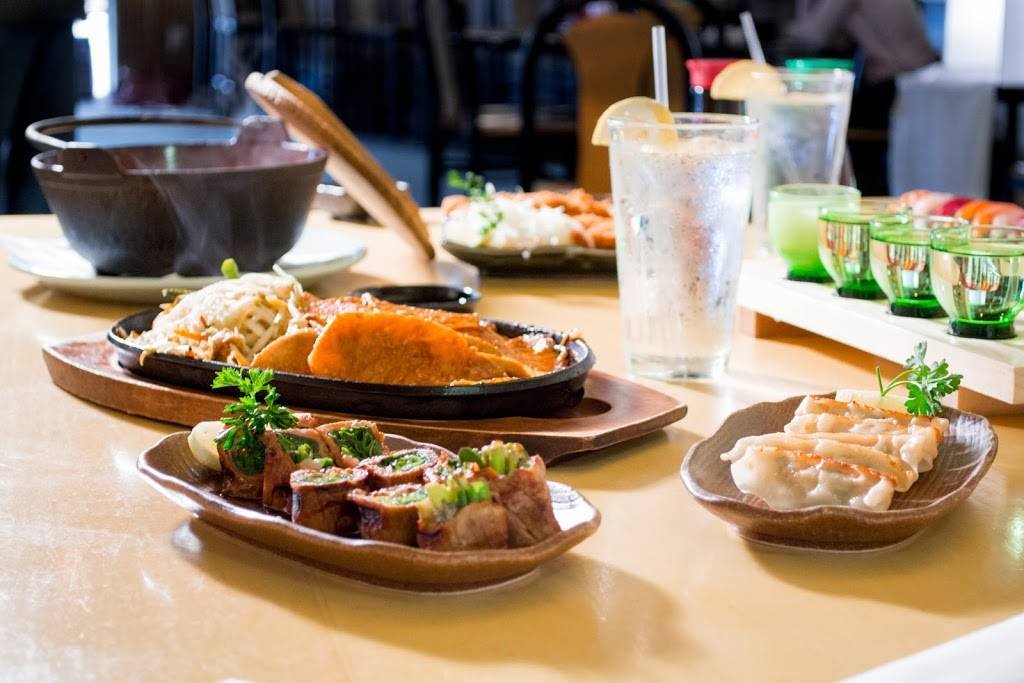
Japanese Dining in the American South: Where Waraji Sits in Raleigh's Picture
Raleigh's restaurant identity has shifted considerably over the past decade. The Triangle region's population growth and its expanding professional class have pulled the city's dining scene toward formats that once felt exclusively East Coast metropolitan: serious wine programs, counter-driven tasting experiences, and cuisines that reward repeat visits rather than first impressions. Japanese cuisine sits at an interesting intersection in this shift. Across the South, most mid-sized cities default to a model where Japanese means sushi rolls engineered for maximum visual drama and minimum culinary discipline. Waraji Japanese Restaurant, located in a low-key strip at 5910-147 Duraleigh Road, has consistently represented a different approach — one where the cultural architecture of Japanese cooking, not its Americanized surface, is the organizing principle.
That distinction matters more than it might first appear. Japanese cuisine carries one of the most demanding technical traditions in any global cooking culture. Knife work, sourcing discipline, the calibration of heat and fermentation, the sequencing of flavors across a meal — these are not aesthetic preferences but structural commitments. Restaurants that take those commitments seriously in cities outside major metropolitan hubs tend to develop loyal, returning audiences precisely because the category around them rarely reaches the same standard. Waraji has occupied that position in Raleigh for long enough that it functions as a reference point for the city's Japanese dining conversation rather than simply a participant in it.
The shortlist, unlocked.
Hard-to-book tables, cellar releases, and concierge-planned trips.
Get Exclusive Access →The Cultural Weight Behind the Menu
Japanese culinary tradition draws on a set of principles that are both ancient and highly codified. Umami as a flavor category was formally identified in Japan in 1908 by chemist Kikunae Ikeda, but the cooking practices that produced it , long dashi preparations, fermented soy, aged fish , predate that classification by centuries. The cuisine's relationship with seasonality, known as shun, governs ingredient selection at the highest levels: a dish prepared in March uses different fish, vegetables, and garnishes than the same nominal dish in October. Precision in this tradition is not stylistic flourish; it is the baseline of competent execution.
For a restaurant in Raleigh, engaging seriously with these principles requires supply chain discipline that goes well beyond what most Southern cities demand. The ingredient sourcing that Japanese cooking requires at its upper tier , the right species, handled correctly, at the right temperature from water to plate , is logistically demanding. When a restaurant outside a major coastal city sustains quality in this category over time, it signals something meaningful about the kitchen's operational priorities. Waraji's longevity on Duraleigh Road, in a market where the easiest commercial path would be a casual roll-and-teriyaki format, is itself a form of editorial evidence.
Raleigh's Japanese Dining Tier and Where This Address Fits
Raleigh's Japanese dining options spread across a fairly wide spectrum. At the accessible end, fast-casual and delivery-oriented concepts dominate the suburban corridors. A step up from that, restaurants like Ajisai occupy a middle register that leans into izakaya-adjacent formats with broader menus and higher throughput. Waraji's positioning is distinct from both ends of that spectrum , rooted in a more traditional, full-service Japanese restaurant model that predates the izakaya boom and the sushi-casual wave.
That model , the classical Japanese restaurant operating in an American suburban context , is actually rarer than it was twenty years ago. Many establishments that held it have converted to higher-margin casual formats or closed. The ones that persist do so by holding a specific audience: guests who know what they want, return regularly, and measure quality against consistent standards rather than novelty. For Raleigh's dining scene, which is well-documented across our full Raleigh restaurants guide, Waraji represents continuity in a city that has otherwise been defined by rapid culinary turnover in the past five years.
Comparison is useful here. In American cities with serious Japanese dining cultures, the top tier aligns against clear peer sets: omakase-only counters, kaiseki rooms, or specialist ramen houses with documented sourcing programs. Raleigh has not developed that tier at scale. What it has instead is a smaller number of establishments that apply genuine craft within more accessible formats. Waraji belongs to that cohort.
Drinks, Atmosphere, and the Practical Case for This Address
The strip-center location on Duraleigh Road is not incidental to Waraji's identity , it is part of it. Japanese dining in America has always had a complex relationship with its physical contexts. Some of the most serious Japanese cooking in the country happens in locations with no architectural ambition: a strip mall in Torrance, a second-floor walkup in Queens, a modest room in a suburban office park. The correlation between restrained environment and serious cooking is not accidental. It reflects a set of priorities where the plate matters more than the room, and where a loyal local clientele sustains the operation without requiring destination traffic.
Raleigh's drinking culture has developed its own depth in parallel with the restaurant scene. Bars like 10th and Terrace and Angus Barn anchor different ends of the city's hospitality spectrum, while 13 Tacos and Taps serves a more casual, high-turnover crowd. For a Japanese restaurant dinner, the pairing logic differs: sake programs, Japanese whisky selections, or simply a carefully chosen beer list tend to serve the cuisine better than cocktail-forward wine programs.
For those mapping an evening around Waraji, the Duraleigh Road location is accessible from most of Raleigh's northwestern residential corridors without requiring downtown parking logistics. The restaurant format is suited to dinners that do not need to be occasions , it is the kind of address where regulars eat on Tuesday nights, not just on anniversaries. That rhythmic, repeating relationship between a dining room and its neighborhood audience is, in the Japanese dining tradition, something close to the point.
For Readers Building a Wider Picture of Japanese Dining
Japanese culinary influence has spread through American bar and restaurant culture in ways that go beyond the obvious. Techniques borrowed from Japanese traditions now appear in cocktail programs at places like Kumiko in Chicago and Bar Leather Apron in Honolulu, where Japanese whisky and precision-driven formats have shaped entire menus. The influence extends to craft cocktail programs in cities with no direct Japanese dining heritage, from Jewel of the South in New Orleans to Julep in Houston, Superbueno in New York City, ABV in San Francisco, and even internationally at The Parlour in Frankfurt on the Main. Understanding Waraji's position in Raleigh is easier when you see it inside this broader diffusion of Japanese culinary thinking across American hospitality.
What Waraji represents , a sustained, technically grounded Japanese restaurant operating outside a primary market , is a category that the American dining scene has consistently undervalued. The cities that have supported this kind of establishment over the long term have tended to develop more sophisticated dining cultures overall. Raleigh's willingness to sustain Waraji says something about where the city's food audience is heading, even if the restaurant's strip-center address keeps it from the visibility that a downtown room would generate.
Planning Your Visit
Waraji is located at 5910-147 Duraleigh Road in Raleigh's northwestern corridor, accessible from the I-40 belt and direct to reach by car from most Triangle residential areas. Given the restaurant's standing in Raleigh's Japanese dining conversation and its reputation for repeat visits over destination traffic, booking ahead , particularly for weekend evenings , is the sensible approach. First-time visitors should arrive with an appetite for the full menu rather than a narrow category of dishes; the depth of a traditional Japanese restaurant format is leading understood across multiple courses.
Frequently Asked Questions
- What should I try at Waraji Japanese Restaurant?
- Waraji's positioning in Raleigh's Japanese dining scene suggests a kitchen that applies discipline across traditional formats rather than specializing in a single showpiece category. Approach the menu with the range that a full-service Japanese restaurant warrants: cooked preparations alongside raw, lighter courses before heavier ones. The depth of a meal here is leading assessed across multiple dishes rather than anchored to a single selection.
- What is the main draw of Waraji Japanese Restaurant?
- In a Raleigh market where Japanese dining options either cluster at the casual roll-and-teriyaki end or the fast-casual delivery tier, Waraji represents the city's most sustained example of the traditional full-service Japanese restaurant model. Its longevity on Duraleigh Road, in a competitive suburban dining corridor, is the clearest signal of consistent quality in a category where consistency is technically demanding. For diners who measure Japanese restaurants by craft standards rather than novelty, this address has no direct equivalent in the Triangle.
- Is Waraji Japanese Restaurant a good choice for someone who wants to understand regional Japanese cooking traditions rather than Americanized sushi?
- Waraji's approach within Raleigh's dining scene aligns with traditional Japanese restaurant values rather than the roll-focused, fusion-inflected formats that dominate suburban American markets. For a diner interested in the structural logic of Japanese cuisine , sequencing, technique, the relationship between cooked and raw preparations , this is the Triangle address most likely to reward that curiosity. Its tenure in the market and its standing as a reference point in Raleigh's Japanese dining conversation, rather than a transient concept chasing current trends, reflect a kitchen oriented toward craft over spectacle.
Side-by-Side Snapshot
These are the closest comparables we have in our database for quick context.
| Venue | Cuisine | Price | Awards | Notes |
|---|---|---|---|---|
| Waraji Japanese Restaurant | This venue | |||
| Ajisai | ||||
| Vinos Finos Tapas and Wine Bar | ||||
| Whiskey Kitchen | ||||
| William & Company | ||||
| Vita Vite Downtown |
Need a Table?
Our members enjoy priority alerts and concierge-led booking support for the world's most difficult bars and lounges.
Get Exclusive AccessThe shortlist, unlocked.
Hard-to-book tables, cellar releases, and concierge-planned trips.
Get Exclusive Access →