Antonio Taberna
Antonio Taberna belongs to New York City’s bar conversation at a moment when drinkers are comparing technique, room energy, and booking friction as closely as they compare menus. Public venue data is sparse, so the useful read is contextual: treat it as part of the city’s wider cocktail circuit, then judge the night against nearby high-credential peers rather than against a generic neighborhood bar.

Pearl is the En Primeur Club membership app — saves, bookings, and concierge access live there. Same editors, same standards.
- Address
- New York City, United States
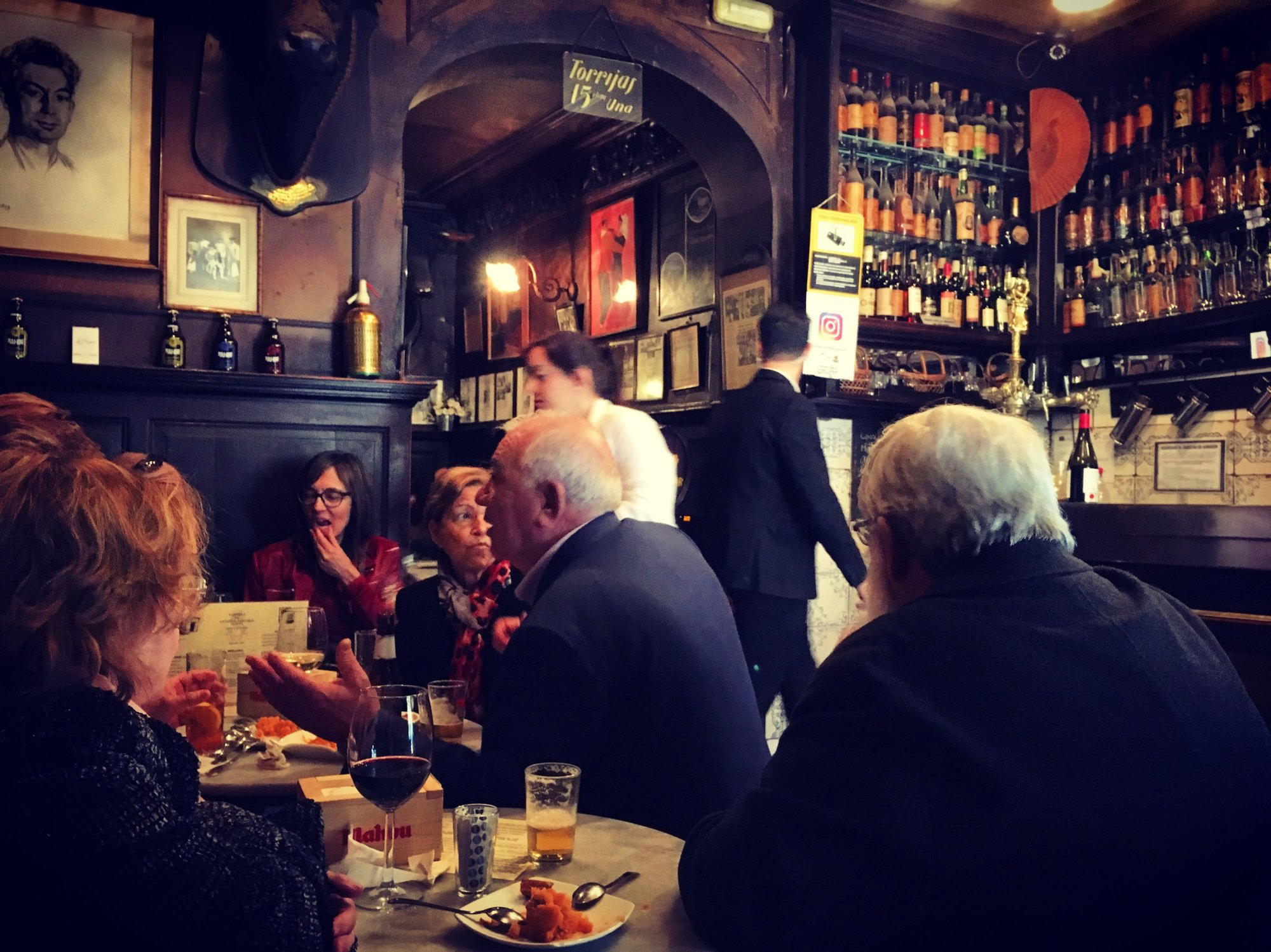
First read: a New York bar measured by the room, then by the glass
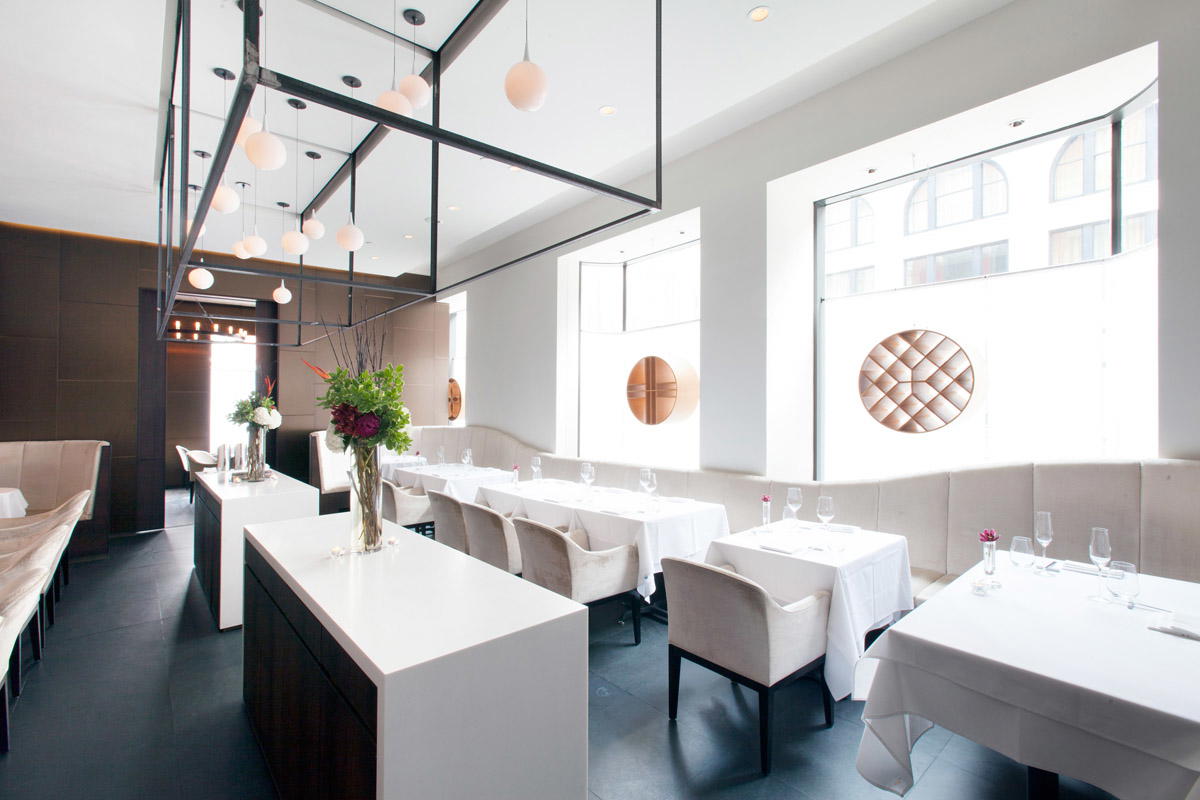
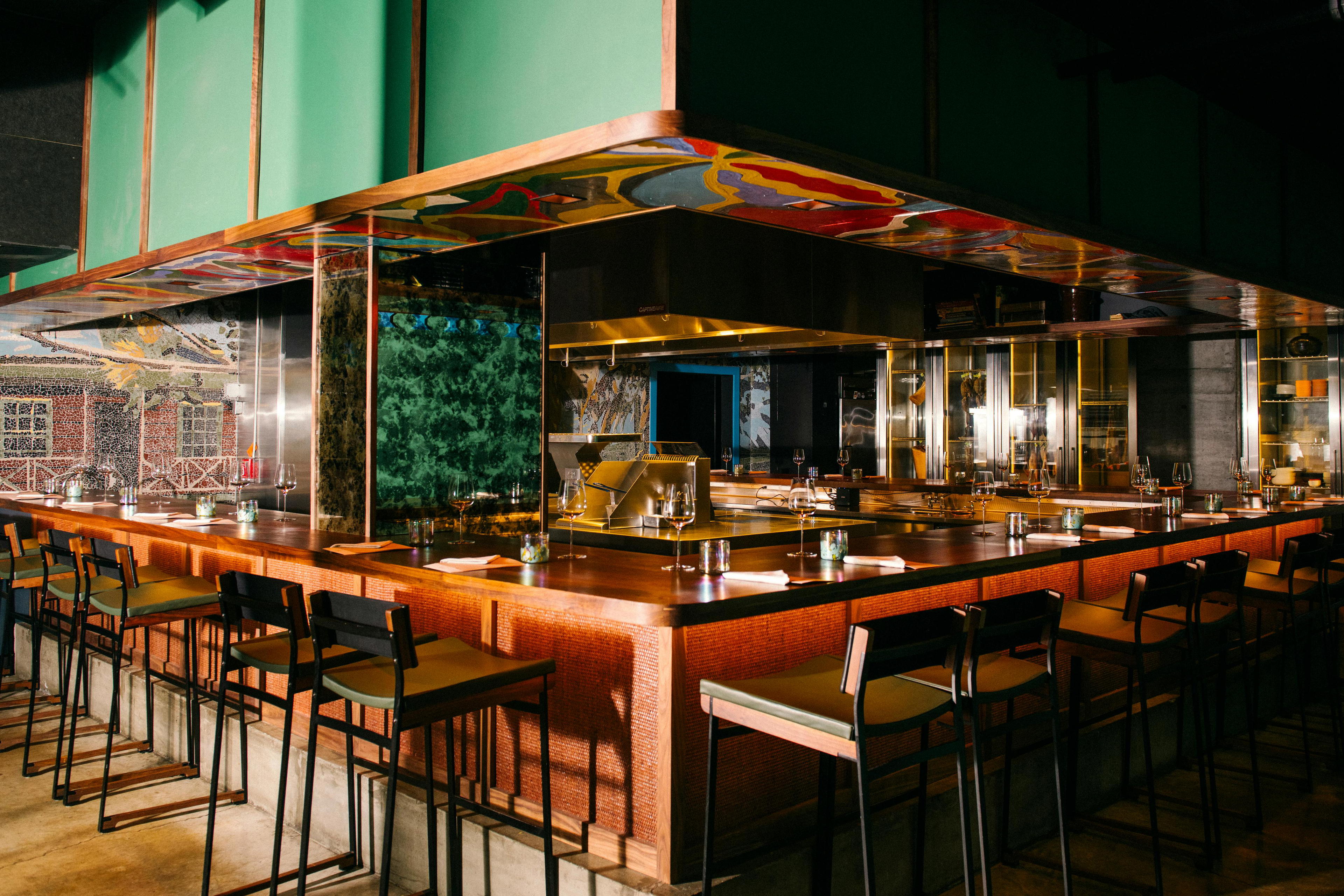
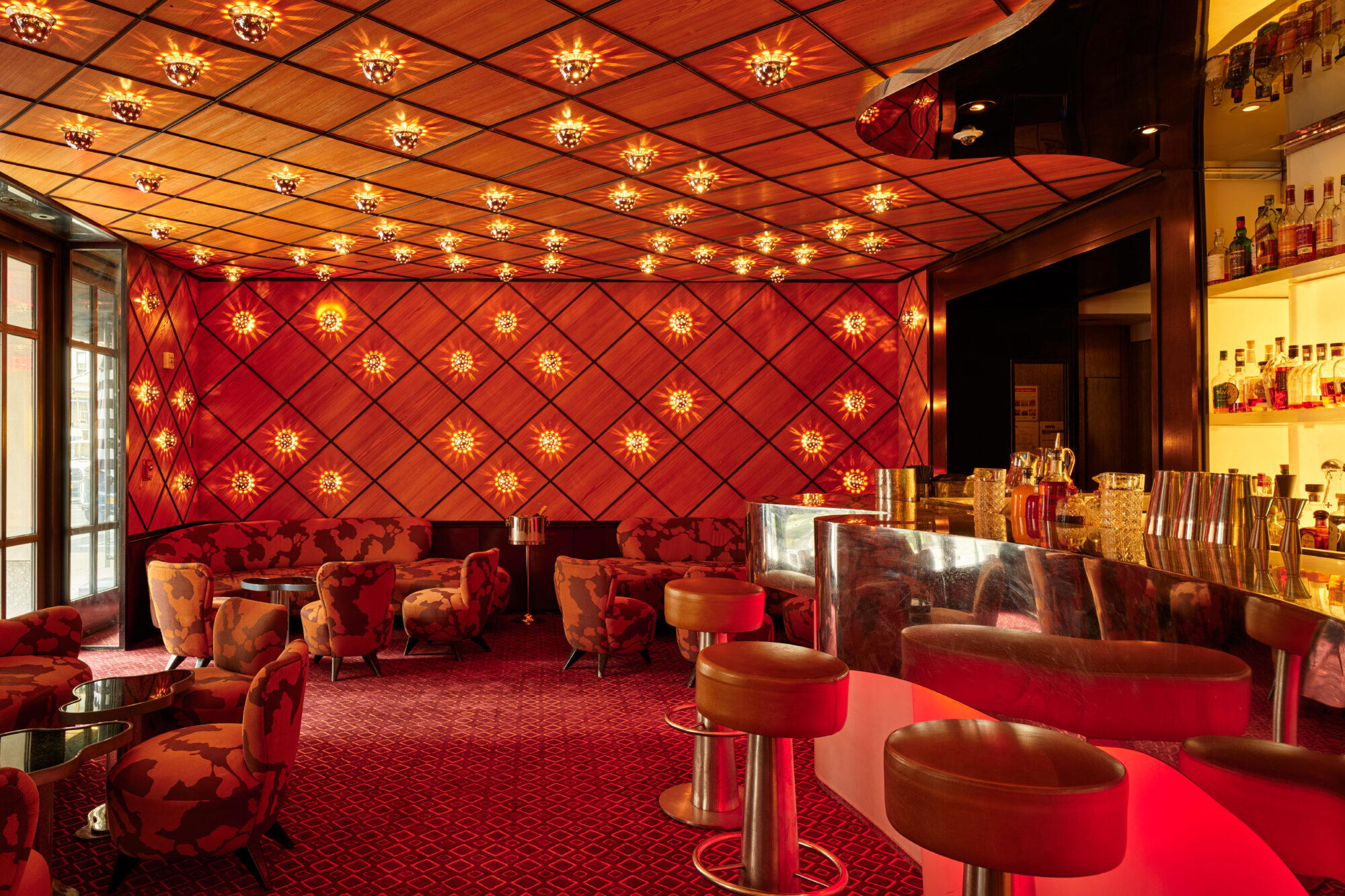
Approaching a bar in New York City is rarely neutral. The pavement sets expectations before the first drink: taxis braking hard, groups negotiating the door, regulars reading the room faster than any posted menu can explain it. Antonio Taberna sits inside that citywide ritual, where atmosphere is not an accessory to the cocktail program but the first filter. In New York, a bar has to answer two questions quickly: does the room make sense for the kind of drinking it proposes, and does the program justify attention in a city already crowded with serious counters, hotel lounges, late-night rooms, and tightly edited cocktail dens?
The available public record for Antonio Taberna does not list a bartender, seat count, address, phone number, website, hours, or booking method. In a city where strong bars often telegraph their ambitions through published menus, named bar leads, award citations, reservation platforms, and price tiers, a sparse data trail shifts the reader’s work from confirmation to comparison. The practical stance is simple: place it within New York City’s broader drinking circuit, then verify current logistics directly through a live source before building an evening around it.
New York’s cocktail culture has moved beyond the old hidden-door script. The stronger contemporary rooms tend to be transparent about technique: clarified serves, acid adjustment, savory builds, nonalcoholic structure, freezer-door precision, and culinary crossovers that borrow from restaurant prep rather than lounge theatrics. That is the useful context for reading any bar here. A drinker can compare Lower East Side creativity, hotel-bar polish, Japanese-style precision, Latin American flavor systems, and restaurant-adjacent cocktail work in a single night if the routing is planned well.
The cocktail-program lens: what matters in this category
The serious way to assess Antonio Taberna is to focus on category signals rather than invented drink descriptions. In New York, a contemporary cocktail program earns attention through four visible forms of discipline: the structure of the list, the pace of service, the relationship between the bar and food, and the clarity of its pricing. A short list can read as confident if every build has purpose. A long list can work if the staff can explain it without turning the table into a lecture. The weak middle is familiar: twelve clever names, little technique, and a room hoping ambience carries the bill.
The city’s current bar scene rewards drink programs that borrow restaurant logic. That can mean mise en place behind the bar, batched components for consistency, glassware chosen for temperature control, or savory and bitter elements used with the restraint once reserved for kitchens. At the higher end, this has narrowed the gap between dinner and drinks. The bar is no longer merely the prelude to a reservation; in several New York rooms, the drink list is the main argument. That trend explains why cocktail-driven venues now compete not only with other bars but with tasting-counter restaurants, natural-wine rooms, and late-night dining formats.
For comparison, Bar Contra represents the restaurant-adjacent side of the city’s drinks conversation, where technique and culinary thinking carry the room. Martiny’s points toward the polished, detail-heavy cocktail tradition associated with Japanese bartending influence and New York formality. Sip & Guzzle speaks to the split-format model, where the same address can stage different moods and price expectations. Superbueno shows how Latin American flavor frameworks have entered the city’s serious cocktail vocabulary without needing the stiffness of an old luxury lounge. Antonio Taberna should be read against that range: not because it has the same credentials in the available record, but because New York drinkers make decisions inside that comparative field.
Atmosphere in New York is a practical detail
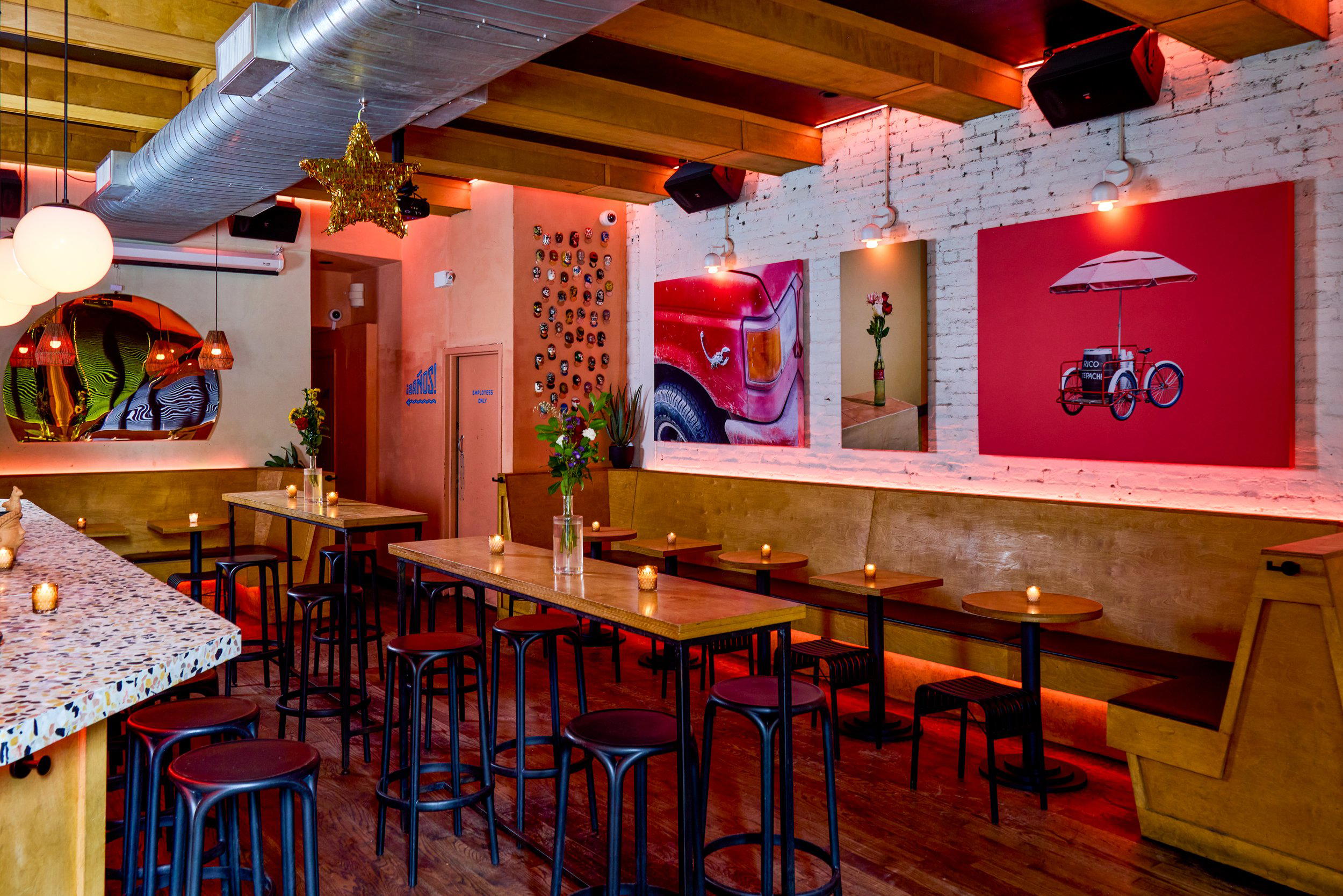
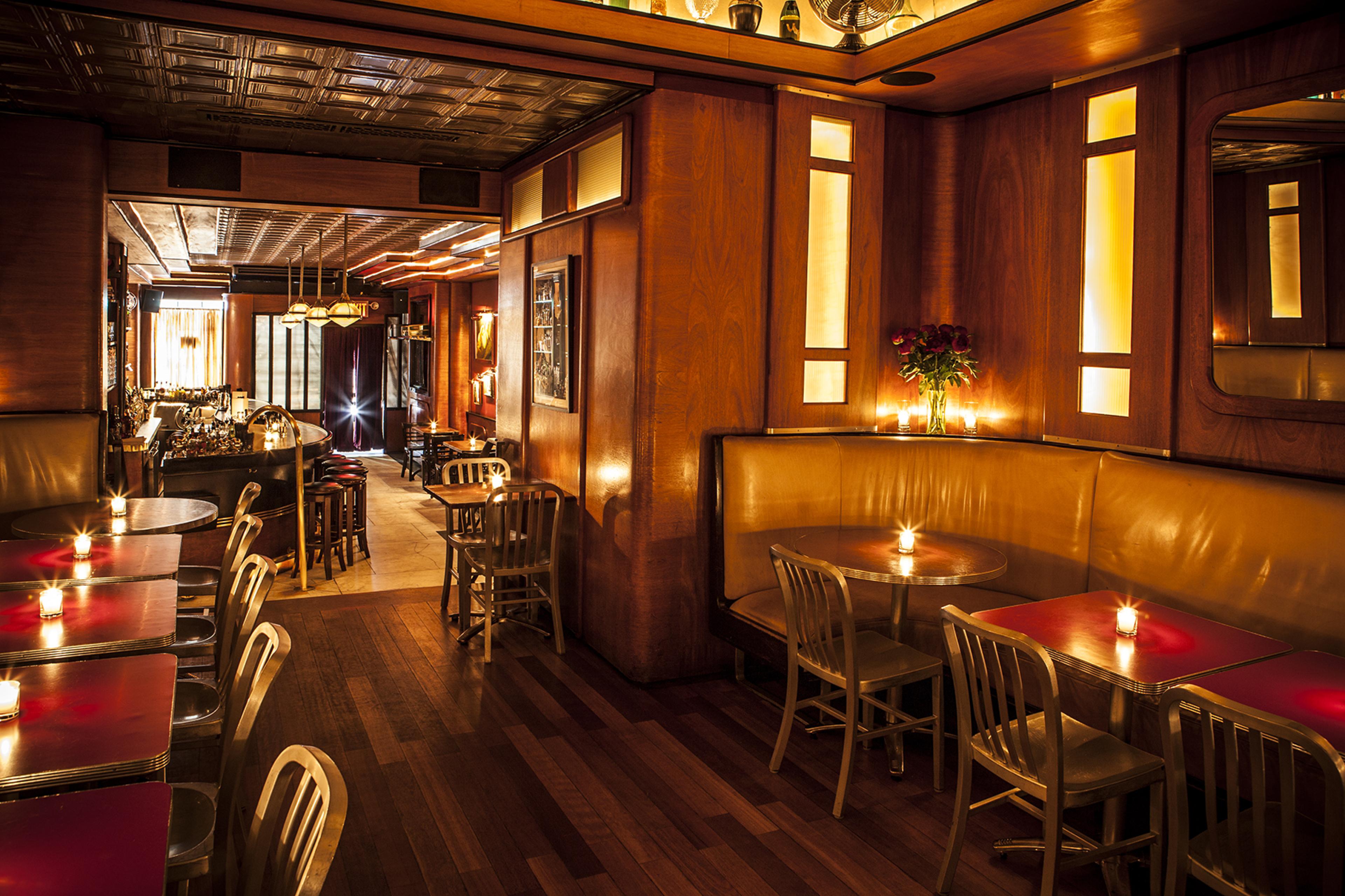
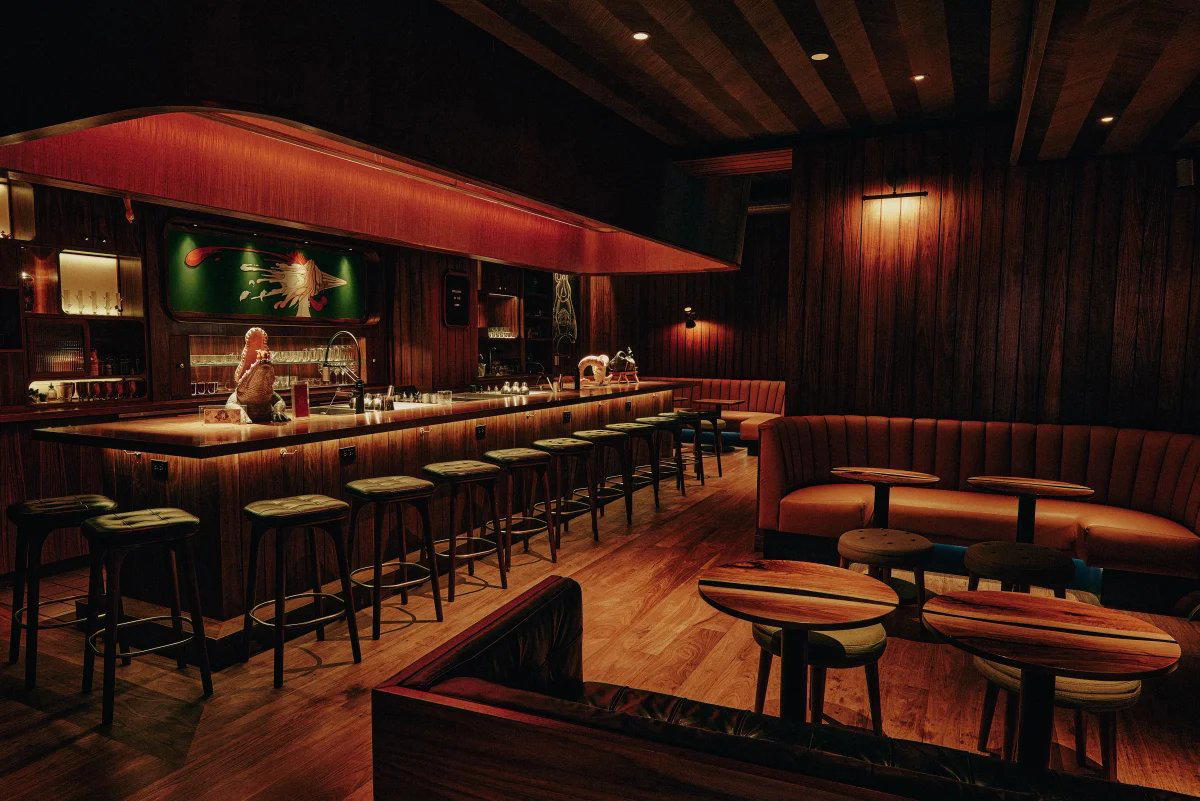
In smaller drinking cities, atmosphere is often described as mood. In New York, it is logistics. Noise level determines whether the night can carry a conversation. Door policy determines whether a spontaneous plan survives. Table spacing determines whether a second round feels appealing or merely stubborn. Antonio Taberna should be treated as variable until confirmed. That is not a criticism; it is a planning fact. Sparse listings often lag behind the actual operation, especially in a city where hours, private events, and staffing realities can shift faster than static pages.
The stronger editorial question is what kind of night the bar belongs to. New York has drinking rooms for precision and silence, for shoulder-to-shoulder momentum, for a first date that needs low light but not a tasting-menu bill, and for a post-dinner stop where the final drink should not require an hour-long commitment. The intelligent use is to treat it as a candidate within a broader bar route rather than the sole anchor of a night, unless current information confirms hours, access, and pricing.
This is where New York rewards flexible routing. A drinker planning around downtown cocktail bars can keep alternatives within the same category rather than crossing the city after a failed walk-in. The broader New York City bars guide lets a reader compare bar formats, neighborhoods, and editorial fit before committing to a sequence.
Where the venue fits in the city's drinking hierarchy
New York’s bar hierarchy is not a straight ladder from casual to expensive. It is a set of overlapping tribes. There are award-facing cocktail rooms chasing technical recognition, neighborhood bars with serious regulars but little national press, restaurant bars where the drink list is designed around food, and hotel rooms where the price includes address, service cadence, and a certain immunity from chaos. A venue with no listed awards or price range cannot be placed confidently in the award-driven or luxury-price tier. It can, however, be understood as part of the city’s wider test: can it make a persuasive case for a drinker’s time when the city offers high-information alternatives?
Trust signals are especially important in this category. Awards from Michelin-adjacent guides, North America’s 50 Best Bars, Tales of the Cocktail, or major editorial outlets can clarify a bar’s peer group. Published bartender credentials can do the same. That means the editorial posture should remain precise. The useful recommendation is conditional: approach it as an exploratory New York bar stop, not as a credentialed destination on the evidence currently available.
That conditional recommendation is not faint praise. New York’s drinking culture has always depended on rooms that are not yet fully explained by lists and awards. Some become serious neighborhood fixtures before they become media objects; others function well for a narrow audience and never need broader recognition. The difference is discovered through current operations: menu coherence, staff fluency, wait times, and whether the room holds its energy after the first rush. Those are not details that should be invented from a thin record. They are the details to verify close to the date.
How to plan a night around it
Planning around Antonio Taberna requires confirmation through current listings before building an evening around it. The first step is external confirmation through a current map listing or direct venue channel if one is available. In New York City, that step is not clerical; it prevents the common mistake of building a night around outdated operating information. Hours can change, private events can block access, and bars without clear reservations may operate on a walk-in rhythm that favors early arrivals or late-night patience.
Price planning should also stay conservative. With no published price range in the record, no specific tariff should be assumed. Serious cocktail bars in the city often sit above casual beer-and-shot territory, while hotel bars and award-heavy rooms can run higher again. It does mean the reader should check the current menu before committing a group, especially if the evening includes dinner, multiple venues, or a cab-heavy route.
The pairing question matters. If Antonio Taberna is part of a drinks-focused night, keep the surrounding plan tight: one dinner reservation or one other bar, not four stops stitched together by optimism. For food-led routing, the full New York City restaurants guide helps match a cocktail stop with a neighborhood dinner rather than forcing the bar to carry the full evening. For travelers turning the night into a weekend, the full New York City hotels guide is more useful than chasing a room purely by brand, because New York hotel choice changes the realistic radius for late drinks. A bar that looks simple on a map can feel far after midnight if the hotel is across a bridge or an awkward subway transfer.
Beyond the bar: why context improves the decision
New York rewards drinkers who compare categories, not just names. A cocktail bar, a restaurant counter, a wine room, and a cultural experience may compete for the same evening budget. The New York City wineries guide is useful for readers thinking beyond cocktails toward urban tasting rooms, wine bars, or producer-led experiences where the glassware tells a different story. The New York City experiences guide helps sort nights where drinks are secondary to performance, private formats, or cultural programming.
Cross-city comparison also sharpens the read. Chicago has its own polished cocktail language, and Bisous in Chicago belongs to a different urban rhythm, one where a bar can feel more deliberately staged because the city’s density works differently. Yacht Club in Denver shows how a smaller market can give a bar a clearer identity with less immediate neighborhood competition. Café La Trova in Miami demonstrates the power of music, Cuban cocktail tradition, and hospitality theater in a city where the room often announces itself louder than the technique. New York is harsher. It absorbs good bars quickly, then asks what they add to a crowded conversation.
That comparison is the reason Antonio Taberna should not be inflated beyond the evidence. The bar may serve a useful role in a New York itinerary, but the present data does not support claims about awards, signature drinks, bartender pedigree, price, or access. The disciplined editorial read is to frame it as a New York cocktail-room candidate whose value depends on current logistics and how its drink program performs against a demanding local peer group.
Editorial verdict
Antonio Taberna is a name to evaluate through New York’s present cocktail standards rather than through borrowed romance. The city has little patience for vague bar mythology now; serious drinkers look for technique, service rhythm, list coherence, and a room that fits the promised occasion.
The draw, if it works, is likely a room with enough atmosphere to justify staying, and a cocktail program coherent enough to justify another round. Until firmer data appears, the responsible way to use the listing is as a prompt for live verification and peer comparison. In a city this competitive, that is not caution for its own sake. It is how experienced drinkers avoid wasting a night.
Planning notes
- City: New York City, New York, United States.
- Category: Bar, assessed here through the cocktail-program lens.
- Price range: Not listed; verify current menu pricing before planning a group visit.
- Booking method: Not listed; confirm current access through a live venue or map source before arrival.
How It Compares
Comparable venues nearby, for context on price, style, and recognition.
| Venue | Cuisine | Price | Notes |
|---|---|---|---|
| Antonio TabernaThis venue — the venue you are viewing | Bar | Not listed | Not listed |
| Sendo | Bar | $30–50 | Midtown South-Flatiron-Union Square |
| Ringolevio | Bar | Not listed | East Williamsburg |
| Cypress Cafe & Bar | lounge | Not listed | Ridgewood |
| Long Count | wine_bar | Not listed | East Village |
| Tacombi | mezcaleria | $20–30 | West Village |
Continue exploring