Tomi Jazz
A fixture on East 53rd Street in Midtown Manhattan, Tomi Jazz has built its reputation as a neighbourhood jazz bar where the music program anchors the evening rather than supplements it. The crowd skews local and returning, drawn by a format that places live performance at the center. For Midtown, it occupies an unusually community-scaled niche in a district defined by expense-account dining and hotel bars.

Pearl is the En Primeur Club membership app — saves, bookings, and concierge access live there. Same editors, same standards.
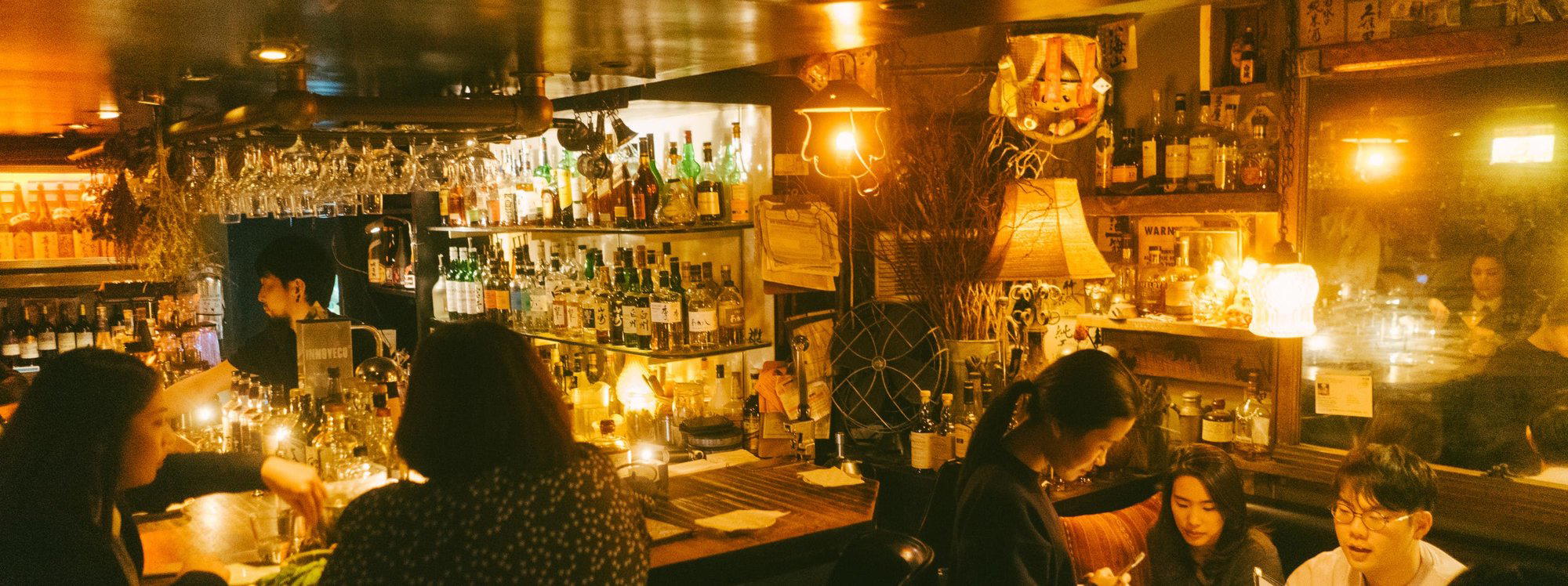
A Midtown Room Where the Music Comes First
Midtown Manhattan is not, by reputation, where you go to find a bar with a genuine local following. The neighbourhood runs on corporate expense accounts, hotel lobbies, and tourist throughput. Yet East 53rd Street, tucked between the Lexington Avenue corridor and the residential blocks that push toward the East River, supports a quieter, more habitual kind of nightlife. Tomi Jazz at 239 E 53rd St sits inside that quieter register, operating as a jazz bar where the programming structure and the room's scale keep the crowd closer to regular than transient.
Jazz bars in New York occupy a more fragmented market than the city's reputation suggests. At one end sit the prestige rooms — Dizzy's Club at Jazz at Lincoln Center, the Village Vanguard, Smalls in the West Village — where ticketed shows, name performers, and international audiences define the experience. At the other end are the neighbourhood spots that run open sessions, rotating local talent, and minimal cover arrangements, functioning more like a community room than a concert hall. Tomi Jazz operates in this second register, and the distinction matters for understanding what kind of evening you are buying into.
The Room and Its Regulars
The neighbourhood bar format for jazz survives in New York partly because of geography and partly because of economics. Midtown's daytime population, office workers, hotel guests, commuters, tends to clear out by early evening, leaving behind a smaller residential base that actually lives in the surrounding blocks of Sutton Place, Turtle Bay, and the Beekman area. A room like Tomi Jazz draws from that base in a way that a ticketed Lincoln Center venue never could. The low-friction format, where showing up without a reservation remains a viable option for many evenings, creates the kind of cumulative familiarity that turns first-time visitors into regulars over months rather than years.
That dynamic is worth comparing against how other New York bar formats handle regulars. Downtown cocktail bars such as Amor y Amargo on East 6th Street or Attaboy NYC on Eldridge Street cultivate regulars through the depth of their technical programs, the kind of bar where returning customers get something progressively more tailored each visit. Tomi Jazz cultivates them differently: through the consistency of the music schedule and the familiarity of the room itself. The draw is the live performance, not the beverage program, which places it in a separate category from the cocktail bars that have come to define New York's international bar reputation over the past fifteen years.
Jazz Bars as Neighbourhood Infrastructure
New York's jazz bar tradition has always been partially a story about neighbourhood identity. The West Village and Harlem hold the historically significant rooms; the East Village and Lower East Side have absorbed a lot of the mid-century bohemian residue. Midtown's relationship to jazz is more complicated, it is where the major commercial venues and hotel jazz programs landed, but smaller rooms have survived in the side streets. A bar format that manages to hold both a music program and a neighbourhood function simultaneously is doing something more difficult than it appears, because the economics of live music almost always push toward either higher ticket prices or lower production quality, both of which erode the regular-crowd dynamic.
Compared to how other American cities handle the intersection of jazz and neighbourhood bar culture, the way Jewel of the South in New Orleans operates within a historically music-embedded hospitality culture, or how Kumiko in Chicago integrates Japanese whisky culture alongside programming, Tomi Jazz takes a more stripped-back approach, where the music is the primary offering rather than one thread among several. That simplicity is a positioning choice, and for Midtown specifically, it is a defensible one.
Where It Fits in New York's Broader Bar Scene
New York's bar geography has, over the past decade, concentrated its most recognised programs below 14th Street. Bars like Superbueno in the East Village, Angel's Share in the East Village, and the cocktail programs that have drawn international attention from publications and awards bodies are mostly downtown operations. Midtown's bar scene gets less editorial coverage despite supporting a large number of venues, partly because the category splits differently, hotel bars, expense-account wine bars, and grab-and-go drinking spots make up the majority of the floor. A room oriented around live jazz and a regular neighbourhood crowd sits outside all of those categories, which is partly why it sustains the kind of loyalty that higher-volume Midtown venues rarely achieve.
For travellers who have been tracking the broader pattern of neighbourhood jazz bars across cities, the intimate format at Bar Leather Apron in Honolulu, or the more program-led approach at Allegory in Washington, D.C., Tomi Jazz reads as part of the same general tendency toward bars that hold a specific community function rather than chasing a broad demographic. That tendency also appears in European rooms: The Parlour in Frankfurt on the Main operates on a similar logic of curated intimacy in a city not primarily known for its bar culture. The commonality is format discipline: keeping the room small enough that the programming retains meaning.
Planning Your Visit
Tomi Jazz sits within the broader Midtown East corridor, accessible from multiple subway lines along Lexington Avenue and within walking distance of Grand Central Terminal. The surrounding blocks include a mix of residential and commercial buildings, and the immediate stretch of East 53rd Street runs quieter than the major avenues. For anyone planning a broader evening in New York, the location connects reasonably well with dinner options in the Turtle Bay and Beekman areas before the music starts. EP Club's full New York City restaurants guide covers the wider range of options in the area if you are building a longer evening. Visitors who have been following the cocktail bar circuit through venues like ABV in San Francisco or Julep in Houston will find Tomi Jazz occupies a different register, less technically program-driven, more musically oriented, which is exactly the point.
Know Before You Go
- Address: 239 E 53rd St, New York, NY 10022
- Neighbourhood: Midtown East, Manhattan
- Format: Live jazz bar; music-led programming
- Getting there: Accessible via Lexington Avenue subway lines; Grand Central Terminal within walking distance
- Leading for: Evenings centred on live music; regular neighbourhood crowd
Peers Worth Knowing
A small set of peers for context, based on recorded venue fields.
| Venue | Cuisine | Price | Awards |
|---|---|---|---|
| Tomi JazzThis venue — the venue you are viewing | Not listed | $50–100 | Not listed |
| The Long Island Bar | Not listed | $30–50 | World's 50 Best #64 · Top 500 Bars Best Bars #367 |
| Dirty French | Not listed | Not listed | World's Best Steaks 50 Best #32 · Star Wine List |
| Superbueno | Not listed | $30–50 | World's 50 Best #9 · Top 500 Bars Best Bars #35 |
| Amor y Amargo | Not listed | $20–30 | World's 50 Best #23 |
| Angel's Share | Wine Bar | $20–30 | World's 50 Best #31 · Top 500 Bars Best Bars #200 |
Continue exploring
More in New York City
Bars in New York City
All bars in New York City →
Restaurants in New York City
All restaurants in New York City →

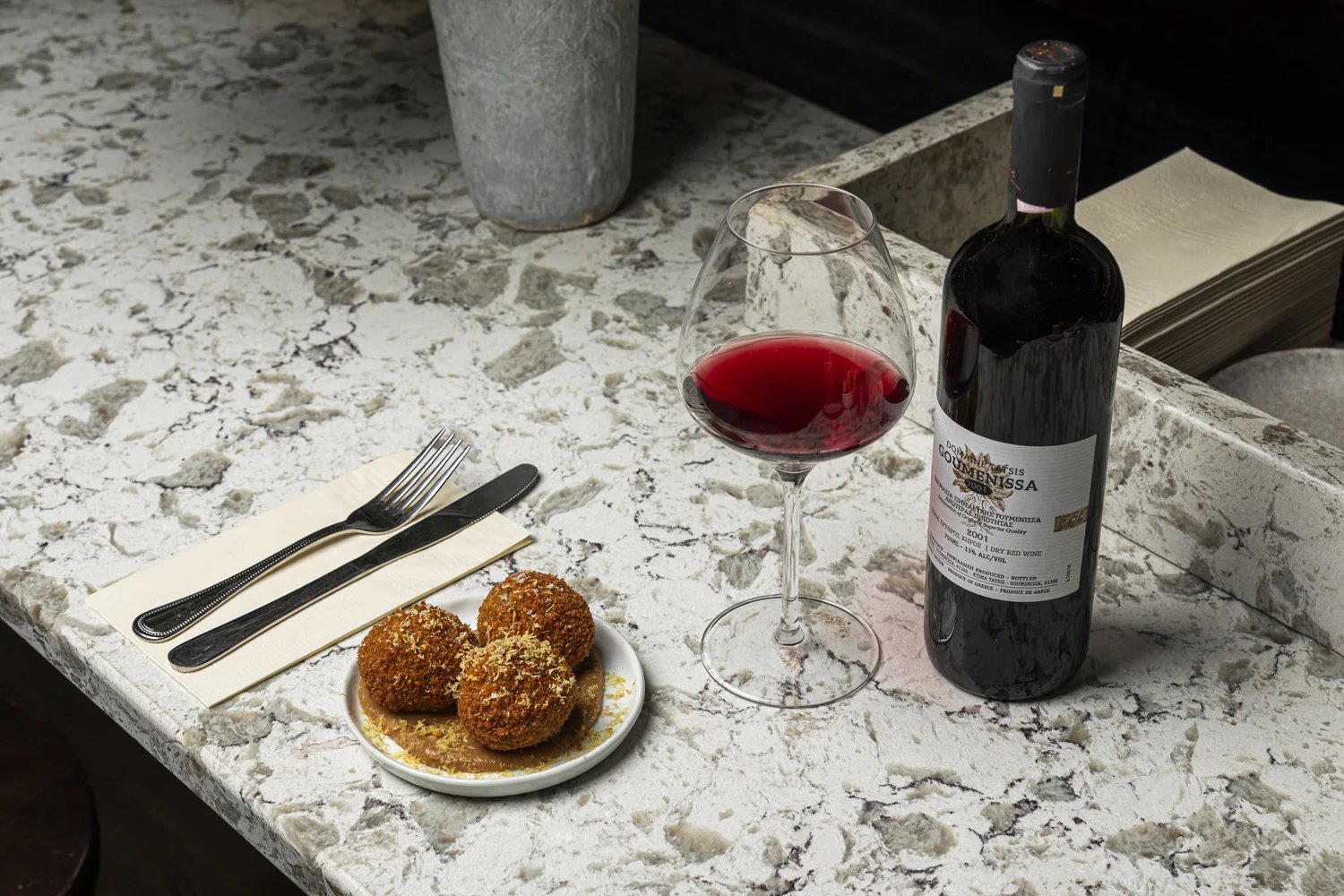



Tomi Jazz
The drinks
- Craft cocktails
Signature drinks: Mandarin Slush, Green Eye, Sazerac.
Details
- Intimate
- Cozy
- Elegant
- Sophisticated
- Date Night
- Special Occasion
- Live Music
- Historic Building
- Seated Bar
- Booth Seating
- Craft Cocktails
- Sake
- Whiskey
Current opening hours
- Monday
- 5 PM–1 AM
- Tuesday
- 5 PM–1 AM
- Wednesday
- 5 PM–1 AM
- Thursday
- 5 PM–1 AM
- Friday
- 5 PM–3 AM
- Saturday
- 5 PM–3 AM
- Sunday
- 5 PM–1 AM
Hours can change for holidays and private events. Last verified .
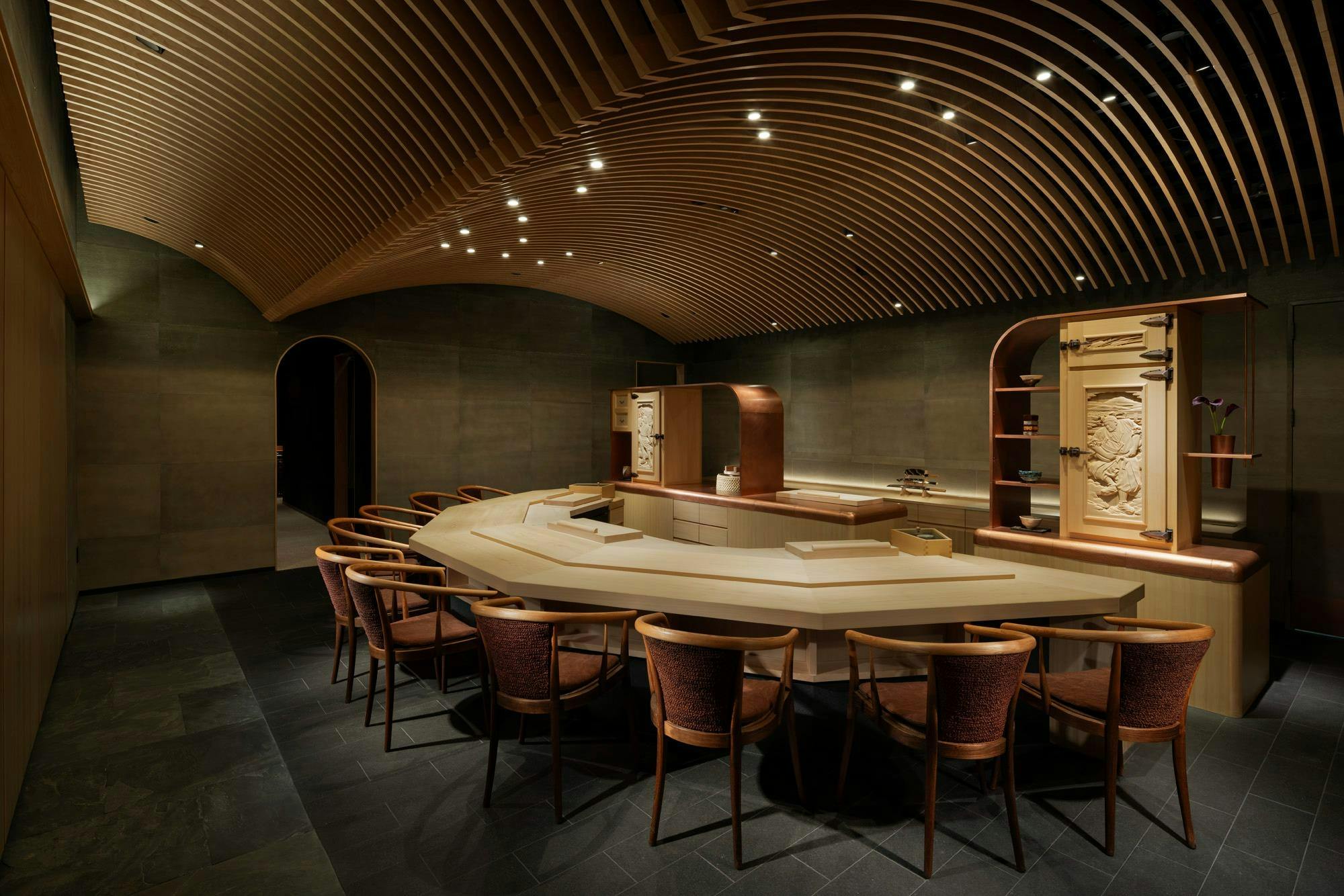
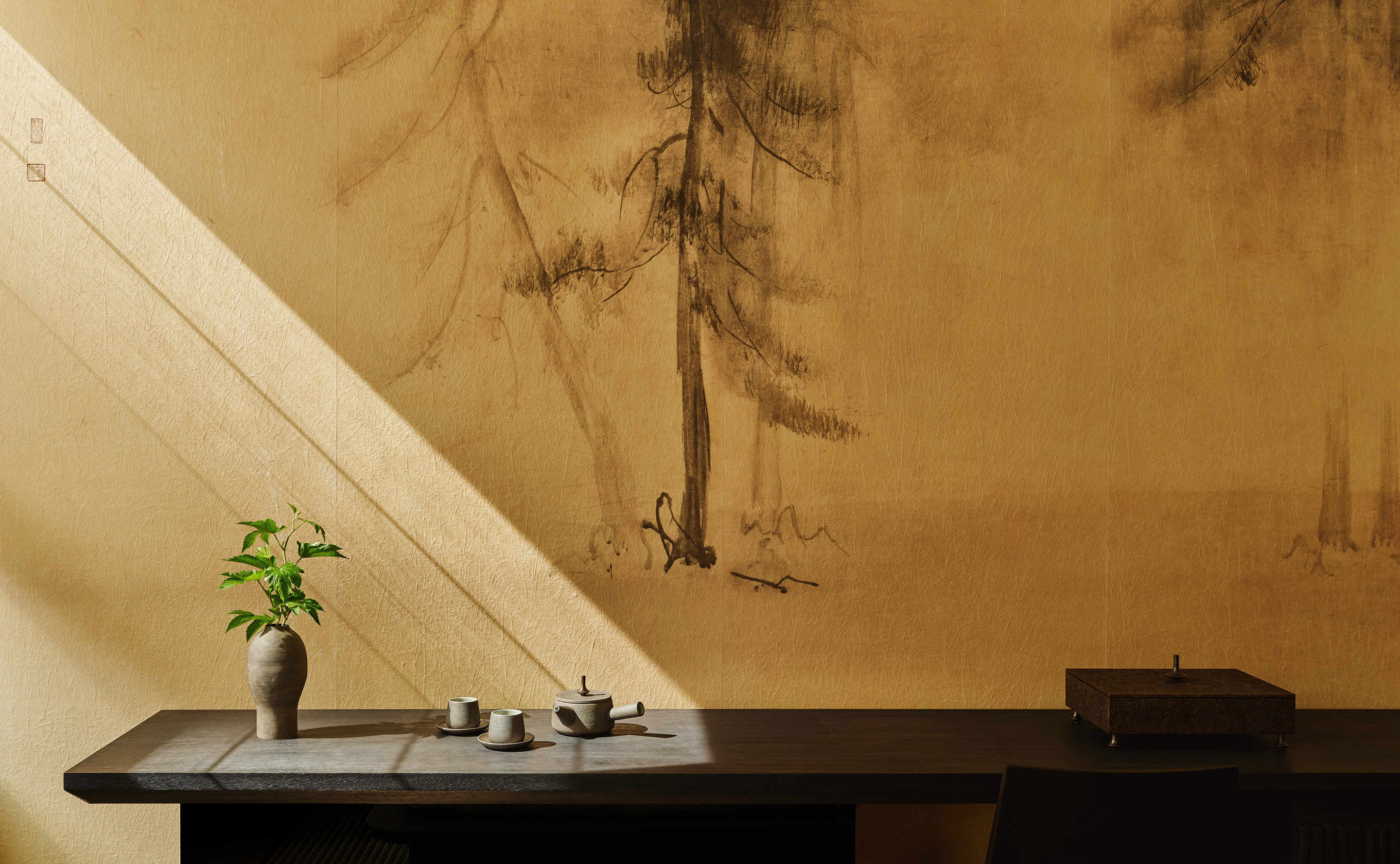
Cozy and intimate with subtle lighting, Japanese-inspired decor, comfortable seating, and a warm atmosphere enhanced by live jazz, though it becomes loud and crowded during performances.