Peachy's
Peachy's occupies a narrow slot on Doyers Street in Manhattan's Chinatown, among the more architecturally compressed blocks in New York. The bar draws on the address's layered history and the neighbourhood's current hospitality energy to create a drinking environment that feels rooted in place rather than imported from a trend cycle. It sits within a Lower Manhattan bar scene that rewards those willing to leave the main avenues behind.
- Address
- 5 Doyers St, New York, NY 10013
- Phone
- +1 917 692 8323
- Website
- peachys.nyc
- Directions
- Get directions
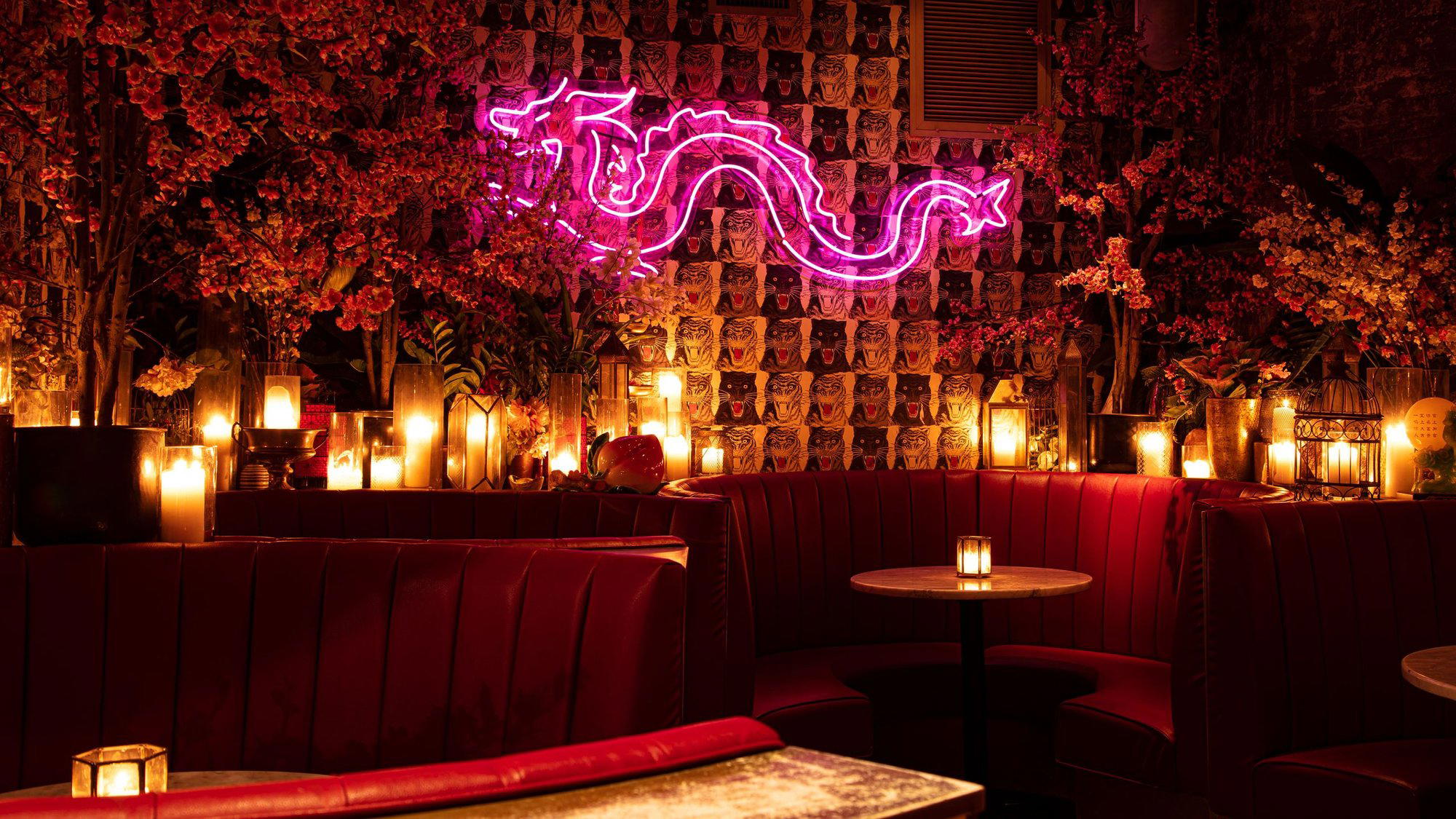
Doyers Street and the Logic of the Address
Doyers Street is one of those New York addresses that carries more history per square foot than most of the city manages per block. The short, curved lane in Chinatown, long known for its role in the neighbourhood's past and now increasingly for its concentration of considered hospitality, has become a genuine destination for drinking in Lower Manhattan. Peachy's sits at number 5, and the address is not incidental: this stretch has developed a distinct character that separates it from the broader Chinatown dining corridor on Mott Street and from the more tourist-oriented spaces further into the neighbourhood.
The approach matters. Walking down Doyers from the Bowery side, the street bends sharply, and the density of the buildings on both sides creates a sense of compressed arrival that few blocks in Manhattan replicate. Bars and restaurants that occupy this address inherit that character whether they intend to or not. The physical environment does some of the editorial work before you've ordered anything.
Lower Manhattan's Cocktail Tier
New York's cocktail bar scene has sorted itself into identifiable tiers over the past decade. At one end sit the high-concept, technically rigorous programs associated with venues like Attaboy NYC, no-menu formats built on bartender expertise and repeat-visitor relationships. At the other end, the neighbourhood bar model, which trades on comfort and price accessibility over program ambition. Peachy's occupies a position somewhere between those poles.
The comparison is useful because it locates Peachy's among bars that succeed through atmosphere and place-specificity rather than through menu architecture alone. Amor y Amargo, which has built its identity around amaro and bitters culture, and Angel's Share, the East Village Japanese-influenced bar that established a template for intimate, low-profile excellence in New York, both demonstrate how strong spatial identity translates into sustained relevance. The bar works a similar logic from a Chinatown address.
The broader pattern is worth noting. Lower Manhattan and the neighborhoods adjacent to it, Chinatown, the Lower East Side, parts of the East Village, have developed a hospitality density that competes with more expected destinations like the West Village or Nolita. Bars in this area benefit from a visitor base that is actively seeking out venues rather than simply encountering them, which tends to raise the baseline quality of the room.
What the Address Implies About the Experience
Doyers Street bars operate with certain structural constraints that shape the experience. In bars that work well under these conditions, the result is a compression of social energy that larger, airier rooms can't replicate. The leading evenings on Doyers tend to happen when the room is full enough to feel alive but not so crowded that it becomes purely transactional.
The seasonal dimension is relevant here. Lower Manhattan in summer draws significant foot traffic from tourists moving between the Brooklyn Bridge, the Seaport, and Chinatown's restaurants, and the bar benefits from that proximity. Winter, by contrast, narrows the audience to more local and intentional visitors, which changes the room's character considerably. If the experience of Doyers Street in different seasons matters to you, the colder months deliver something closer to a neighbourhood bar dynamic, while summer tilts toward higher volume.
Chinatown's Current Hospitality Moment
Chinatown's hospitality identity has shifted over the past several years. The neighbourhood that for decades was understood primarily through its restaurants, specifically through a model of large, table-service Cantonese and dim sum formats, has developed a second hospitality layer built around bars, specialty coffee, and smaller-format dining. This evolution mirrors what happened in other dense urban neighbourhoods when younger operators began treating the address as an asset rather than a liability.
The bar is part of that shift. So is the broader pattern visible across comparable neighbourhoods in cities like San Francisco's Chinatown corridor, or in the drinking cultures that have emerged in Chicago's more compressed hospitality nodes. For reference, Kumiko in Chicago demonstrates how a bar with a specific cultural and aesthetic identity can define a neighbourhood's hospitality reputation over time.
That context matters for understanding what the bar is doing. It isn't operating in isolation; it's part of a cohort of venues that are collectively redefining what Chinatown's hospitality offering looks like beyond its restaurant identity.
How Peachy's Fits the Wider Bar Scene
The geography makes sense. The bar on Doyers sits close enough to the bars of the Lower East Side and East Village to function as part of a single evening's movement through the area. Superbueno, the agave-forward bar with a specific Latin American spirits program, operates in the same broader neighbourhood zone. Together, these venues represent a bar culture that is geographically concentrated enough to visit without relying on cabs between stops.
Nationally, the model the bar represents appears in different forms across American cities. Jewel of the South in New Orleans, Julep in Houston, and ABV in San Francisco each demonstrate the same principle: that a bar anchored to a specific neighbourhood identity tends to age better than one built primarily around a single format trend. Allegory in Washington, D.C. and Bar Leather Apron in Honolulu extend that pattern across different regional contexts, and The Parlour in Frankfurt on the Main shows the model translating internationally. The through-line is always the same: location specificity as an intrinsic asset.
Planning Your Visit
The bar address, 5 Doyers St, New York, NY 10013, puts it in Chinatown. The bend in Doyers makes the bar easy to miss on a first visit if you're approaching from the Bowery end.
Reservations are recommended. Dress code is smart casual. Budget: about $35 per person. Getting there: Canal Street (J/N/Q/R/W/Z/6) is the closest subway access point.
Similar Picks
Comparable venues nearby, for context on price, style, and recognition.
| Venue | Cuisine | Price | Notes |
|---|---|---|---|
| Peachy'sThis venue — the venue you are viewing | cocktail_bar | $$$ | Not listed |
| Socialista New York | lounge | $$$ | SoHo-Little Italy-Hudson Square |
| The Garret | speakeasy | $$$ | West Village |
| Craft New York | cocktail_bar | $$$ | Midtown South-Flatiron-Union Square |
| Eavesdrop | cocktail_bar | $$$ | Greenpoint |
| Aburi Sushi | sake_bar | $$$ | East Williamsburg |
Continue exploring
More in New York City
Bars in New York City
Browse all →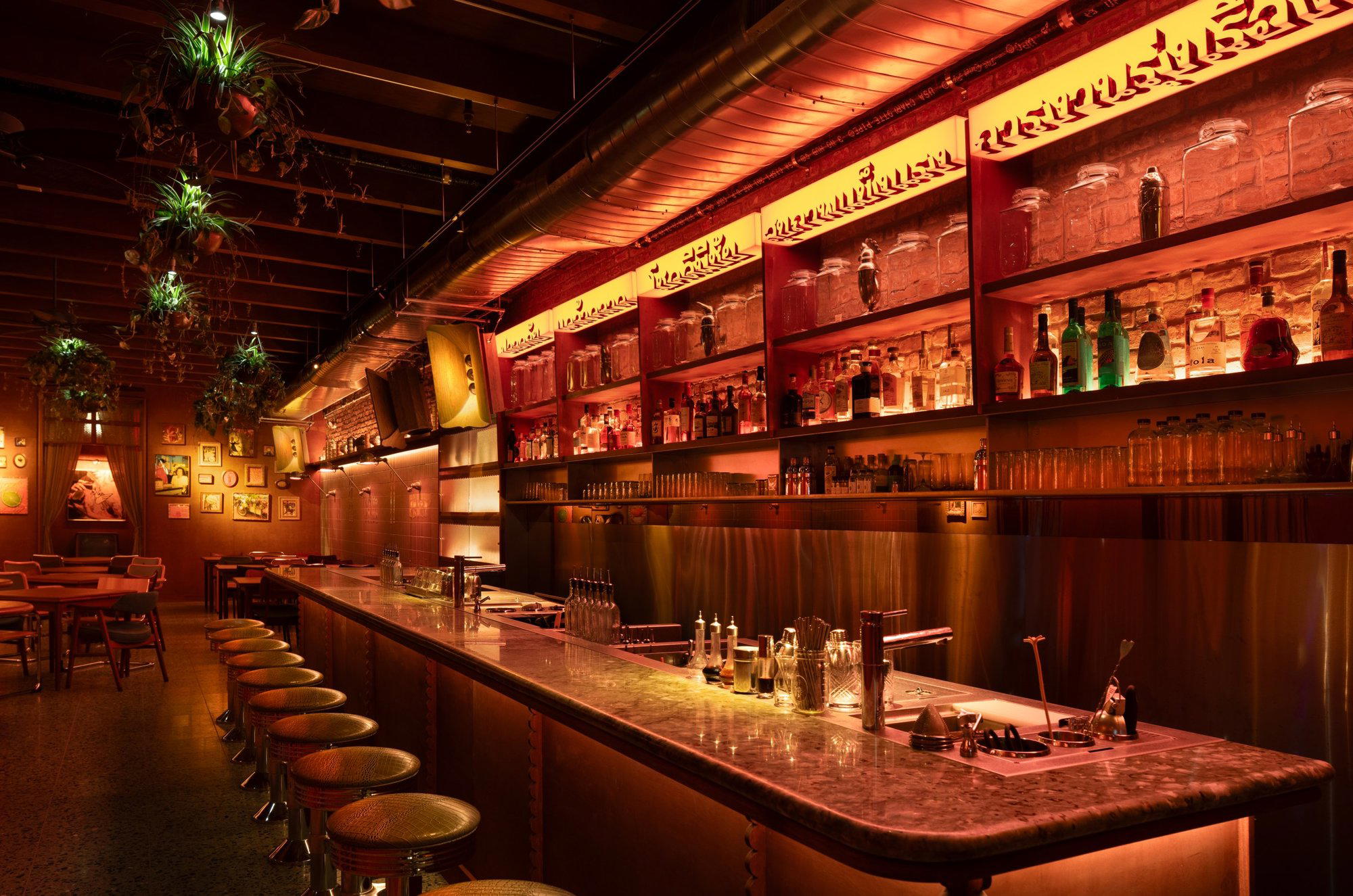
Restaurants in New York City
Browse all →
Hotels in New York City
Browse all →
Wineries in New York City
Browse all →


At a Glance
- Trendy
- Romantic
- Elegant
- Intimate
- Lively
- Date Night
- Casual Hangout
- Speakeasy
- Lounge Seating
- Booth Seating
- Craft Cocktails
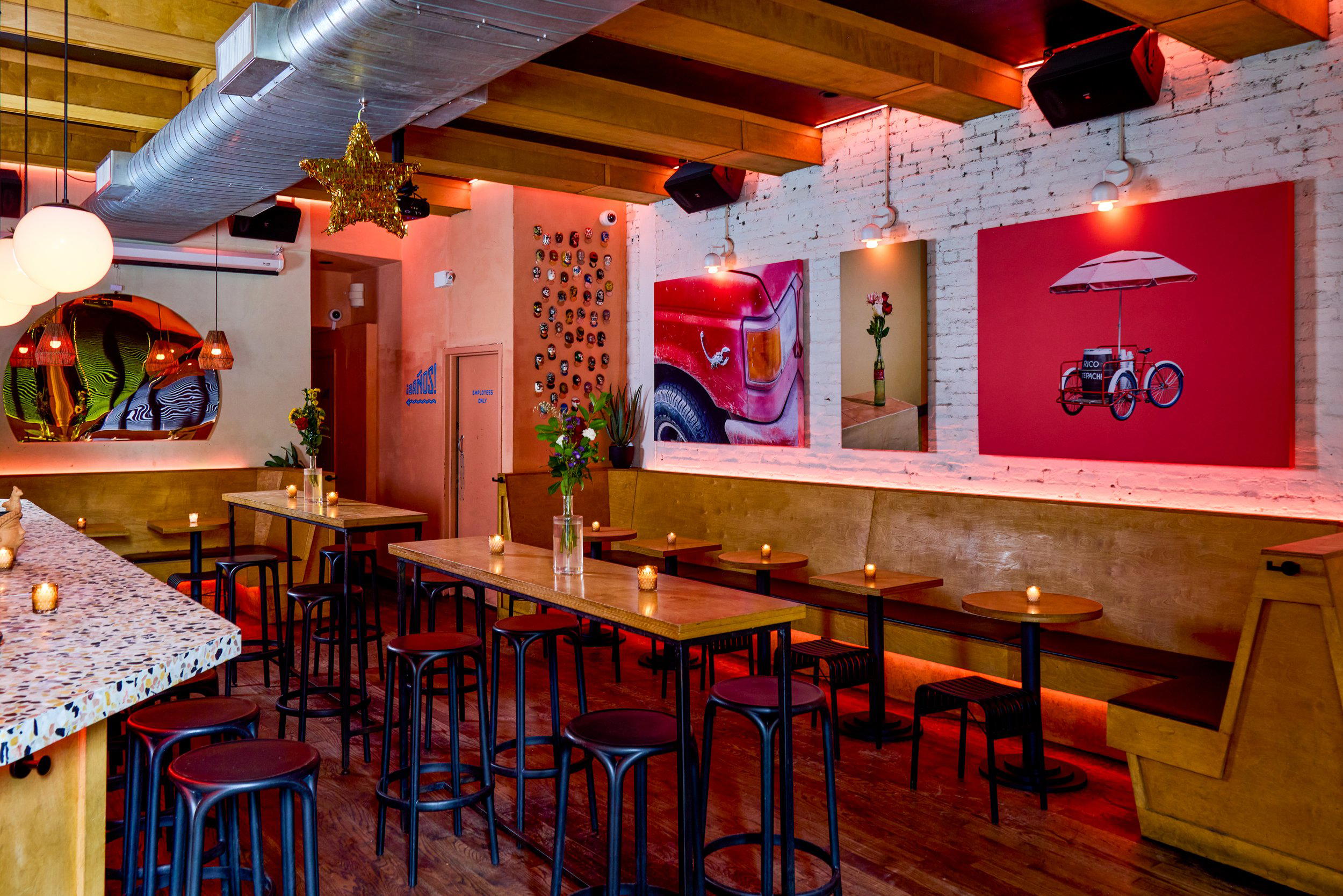
Chic lounge with funky retro Asian decor, pink neon signs, red leather booths, and a glamorous, romantic atmosphere.