New Mulan
Located on 39th Avenue in the heart of Flushing, Queens, New Mulan is part of a dense, competitive Chinese dining corridor that has drawn serious eaters from across New York City for decades. The address places it inside one of the most concentrated Chinese food communities outside mainland China, where regional specificity and cooking craft tend to matter more than atmosphere or presentation.
 Discover on Pearl
Pearl is the En Primeur Club membership app — saves, bookings, and concierge access live there. Same editors, same standards.
- Address
- 136-17 39th Ave, Flushing, NY 11354
- Phone
- +1 718 886 8526
- Website
- newmulan.com
Flushing's Chinese Dining Scene and Where New Mulan Sits Within It
Flushing, Queens has operated as one of the most consequential Chinese dining destinations in the United States for the better part of forty years. What began as a Cantonese-dominant enclave in the 1970s and 1980s expanded steadily through waves of immigration from Fujian, Sichuan, Hunan, Xinjiang, and beyond, producing a street-level food density that Manhattan's Chinatown hasn't matched in decades. By the 2010s, Flushing's restaurant corridor along Main Street, Prince Street, and the surrounding blocks of 39th Avenue had earned consistent attention from national food media as the benchmark for authentic regional Chinese cooking on the East Coast. New Mulan is a bar at 136-17 39th Ave, Flushing, NY 11354, with a Google rating of 3.9 and an average price of about $36 per person.
That context matters when assessing any individual restaurant in this part of Queens. Venues here rarely succeed on atmosphere alone. The dining rooms are typically functional rather than designed; the energy comes from the food itself and from the density of tables filled with people who drove or trained in specifically for this meal. The comparable set for a restaurant on 39th Avenue isn't the broader New York City dining scene, it's the other specialists within a few blocks who draw the same informed regulars. See our full New York City restaurants guide for broader context on how Flushing fits into the city's dining geography.
The Craft Behind the Counter: Service and Hospitality in Flushing's Format
In Flushing's specialist dining rooms, the equivalent figure is often the person managing the floor and the kitchen relay: someone who knows the menu in granular detail, can steer a table toward the dishes that reflect the kitchen's actual strengths on a given evening, and maintains the pace of a high-turnover room without sacrificing attentiveness. This kind of floor knowledge is a form of hospitality craft that distinguishes serious regional Chinese operations from more generalist venues, and it's the type of service that regulars in Flushing have come to expect as a baseline.
Across the broader American bar and hospitality scene, that same emphasis on training depth and personal engagement shows up in different formats: at Attaboy NYC in the Lower East Side, where the no-menu format demands host-level knowledge from every bartender; at Angel's Share in the East Village, where Japanese precision translates into an unusually considered guest experience; and at Amor y Amargo on East 6th Street, where a narrow menu and deep product knowledge create a different kind of authority. The principle that connects these places, that craft is inseparable from the person delivering it, applies whether the format is a cocktail counter or a regional Chinese dining room in Queens.
Beyond New York, this model of hospitality anchored in specialist knowledge appears at Kumiko in Chicago, where Japanese technique informs both the drinks program and the service ethos, and at Jewel of the South in New Orleans, where historical recipe research and bartender credentials carry the room. The common thread is a hospitality approach in which the host or server's depth of knowledge about what's being served is treated as non-negotiable rather than supplementary.
Regional Chinese Cooking and What It Demands of the Kitchen
The broader Chinese restaurant category in Flushing operates across a wide range of regional traditions, and the distinctions between them are meaningful. Cantonese cooking rewards timing and sourcing; Sichuan demands precision with chilli-bean paste, doubanjiang, and the management of mala heat levels; Hunan kitchens work with a drier, more aggressively seasoned profile that differs from Sichuan's numbing oil approach; northern Chinese formats bring hand-pulled noodles, lamb preparations, and wheat-based staples that require dedicated skill sets. A kitchen that can execute any of these traditions at a high level is operating with a narrow margin for error, because the regular clientele in Flushing includes people who grew up eating that cuisine in its home province and have the reference points to notice when it's off.
That specificity is one reason Flushing has continued to draw diners from across the tri-state area even as Chinese restaurants have proliferated throughout Brooklyn, Queens, and the outer boroughs. The concentration of regional specialists, combined with a clientele that demands fidelity to tradition, creates a self-reinforcing quality standard that is difficult to replicate in lower-density neighborhoods. Restaurants along 39th Avenue operate within that standard. In that sense, the address itself carries informational weight: a venue that has maintained a presence in this corridor has passed a durability test that more isolated venues don't face.
Placing New Mulan in the Wider Craft-Hospitality Conversation
At Superbueno in New York, that shift takes the form of serious Latin spirits programs delivered in an accessible format. At ABV in San Francisco, it means a deep vermouth and amaro list that rewards the customer who asks questions. At Bar Leather Apron in Honolulu, Japanese precision applied to American spirits has produced one of the most consistently praised bar programs in the Pacific. At Allegory in Washington, D.C., narrative-driven menus ask guests to engage with the cocktail as a designed experience rather than a functional drink. And in Europe, The Parlour in Frankfurt on the Main and Julep in Houston each demonstrate that craft hospitality scales across different cultural contexts and price points.
New Mulan sits within a different format tradition entirely, but the underlying principle, that the quality of what's being made and served is the primary variable, connects it to this broader conversation about what premium hospitality actually means. In Flushing's dining corridor, that principle has been operative for decades, often without the awards recognition or editorial attention that similar levels of craft attract in Manhattan.
Planning Your Visit
New Mulan is located at 136-17 39th Ave, Flushing, NY 11354, within walking distance of the Main Street-Flushing subway station on the 7 line, which provides direct access from Midtown Manhattan in approximately thirty-five minutes. The 39th Avenue corridor is most active on weekends, when wait times at popular venues can extend significantly; a weekday lunch or early dinner typically allows a less pressured visit. Reservations are recommended. Dress: smart casual. Budget: expect about $36 per person.
What It’s Closest To
Comparable venues nearby, for context on price, style, and recognition.
| Venue | Cuisine | Price | Awards | Notes |
|---|---|---|---|---|
| New MulanThis venue — the venue you are viewing | Bar | $$$ | , | |
| Avenue Sky Lounge | rooftop_bar | $$$ | , | Times Square |
| The Press Lounge | rooftop_bar | $$$ | , | Midtown West |
| Hear & There | cocktail_bar | $$$ | , | Williamsburg |
| Bar 54 | rooftop_bar | $$$ | , | Midtown-Times Square |
| Toriya | Bar | $$$ | , | Lower East Side |
Continue exploring
More in New York City
Bars in New York City
Browse all →
Restaurants in New York City
Browse all →
Hotels in New York City
Browse all →


At a Glance
- Elegant
- Modern
- Group Outing
- Booth Seating
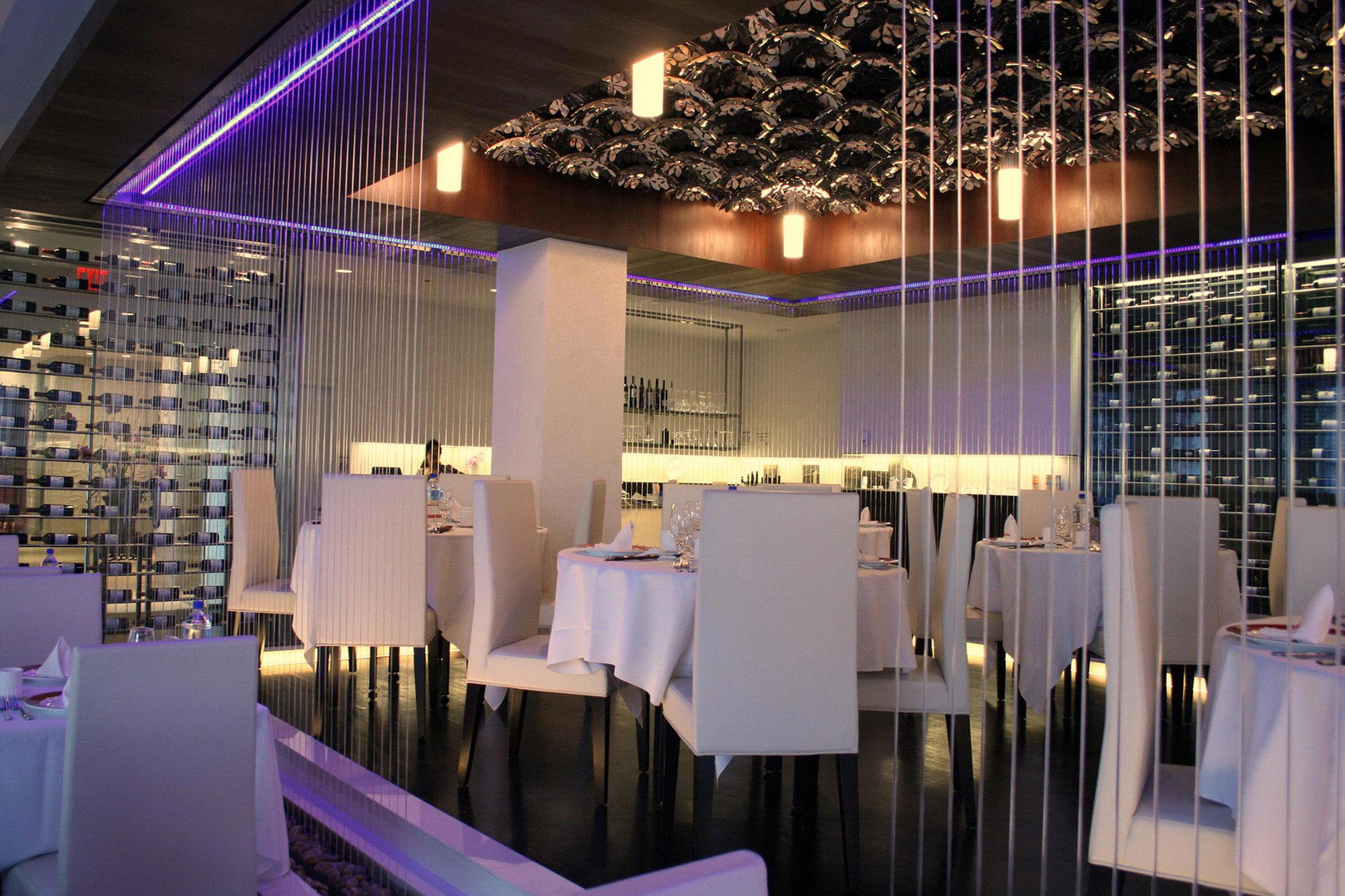
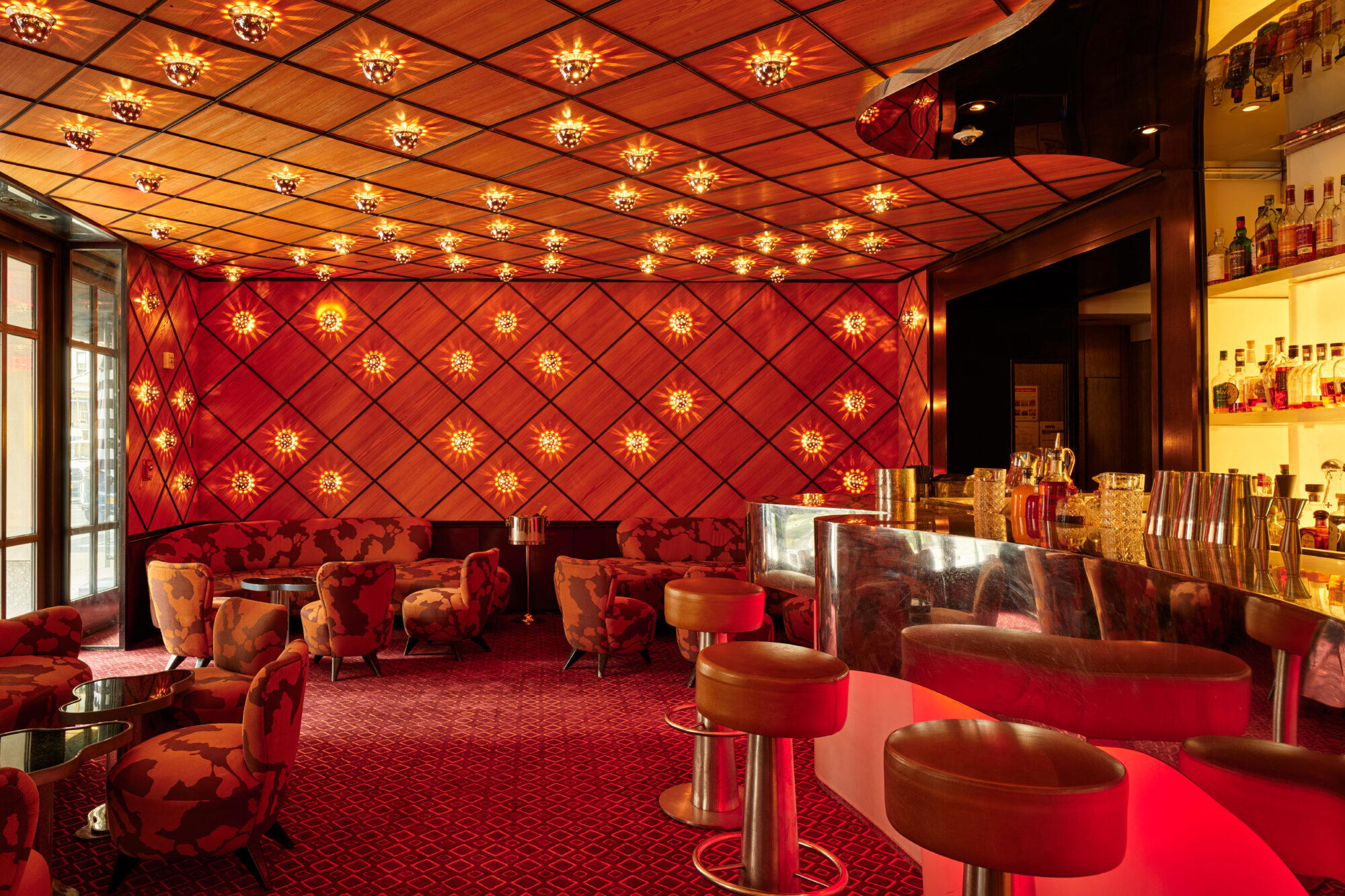
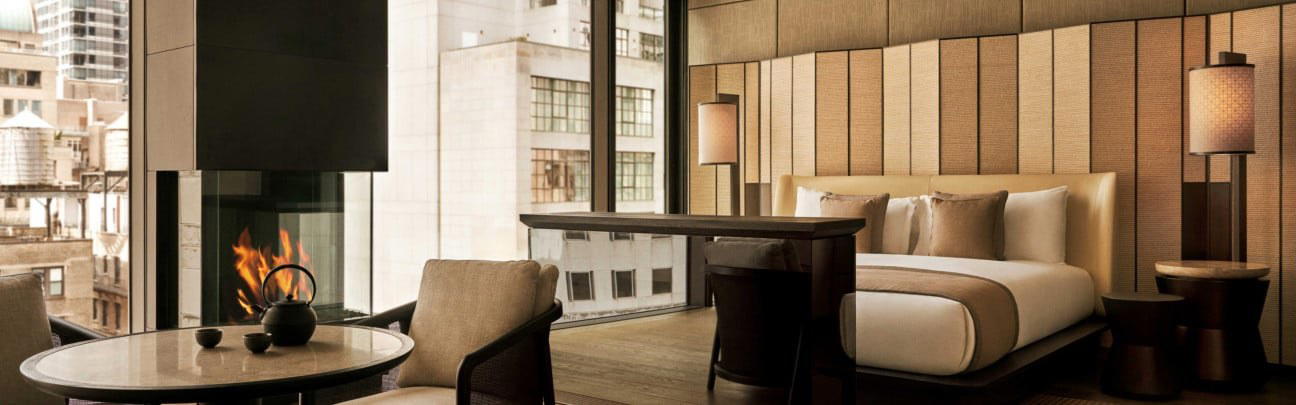
Elegantly decorated with modern Asian decor, square waterfall, elevated seating, and leather booths complemented by traditional oriental motifs.