THINK OF THINGS occupies a considered corner of Sendagaya, Shibuya, where Tokyo's design-retail-bar hybrids have carved out a format that sits apart from both the polished Ginza counter scene and the basement cocktail dens of Shinjuku. The space operates as a stationery and goods store by day and a bar by night, making the ritual of arrival — and what you choose to do with your time there — part of the experience itself.
 Discover on Pearl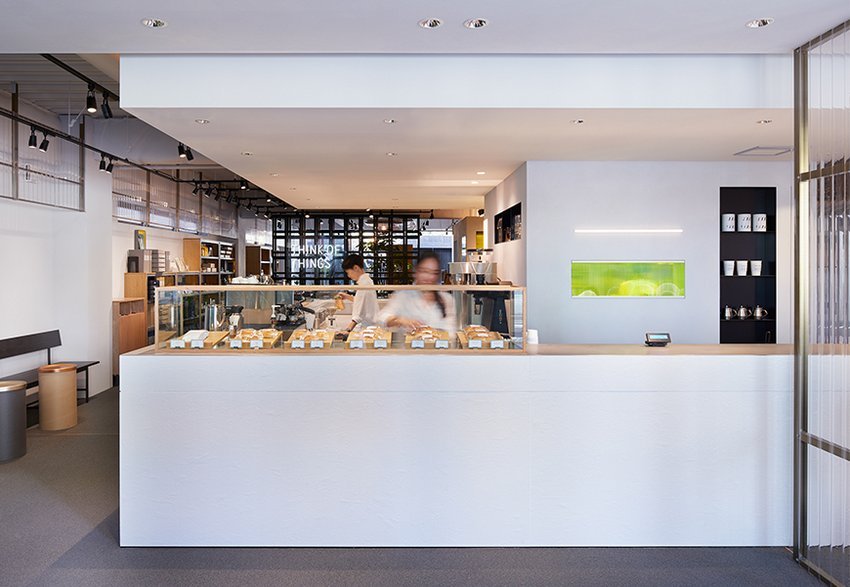
Where the Object and the Drink Occupy the Same Ritual Space
Sendagaya sits in the compressed geography between Shinjuku and Harajuku, a neighbourhood that has quietly accumulated a cluster of design-forward spaces over the past decade. It is not a bar district in any conventional sense. The streets here are more likely to lead you past fabric wholesalers and small architecture offices than neon-lit doorways. THINK OF THINGS arrives in that context as something that the standard bar taxonomy struggles to classify: a Kokuyo-operated concept space where stationery, designed objects, and a bar counter coexist on the same floor plan, each informing how you use the other.
The format is part of a broader pattern visible in Tokyo's more design-literate neighbourhoods, where the hybrid retail-and-hospitality model has moved beyond novelty into something closer to a sustained cultural posture. Spaces like this one ask visitors to slow down and engage with physical objects — to handle a notebook, read the label on a bottle, consider proportion and material — before, during, or after a drink. That deliberateness is baked into the spatial logic rather than announced by signage.
The Rhythm of an Evening Here
The shift from daytime retail operation to evening bar is itself a kind of ritual. The same shelves of considered goods that draw design enthusiasts during shopping hours become the backdrop for a quieter, more contemplative drinking experience after dark. Tokyo's bar culture has long valued this kind of atmospheric layering: at Bar Benfiddich in Shinjuku, the herbalist aesthetic is inseparable from the bartending practice; at Bar High Five in Ginza, the spare counter and deliberate pacing establish the terms of engagement before a single glass is poured. THINK OF THINGS works from a different premise , the objects around you are merchandise and environment simultaneously , but the underlying insistence on attention is consistent with the city's better drinking spaces.
Visiting on a weekday evening places you in a different crowd than the weekend design-curious browsers. The pace is slower, the space more porous, and the bar counter functions as an anchor point rather than the whole destination. That flexibility is unusual. Most Tokyo bars, from the precision cocktail counters of Ginza to the standing bars of Shibuya, establish a clear contract with the customer at the threshold. THINK OF THINGS keeps that contract slightly more open-ended, which suits some visitors and disorients others.
The Bar Within the Concept
Within Tokyo's broader cocktail conversation , which now spans the classical western-style bars of Bar High Five and Bar Orchard Ginza, the ingredient-driven programmes at Bar Benfiddich, and the neighbourhood casual register of spaces like Bar Libre , THINK OF THINGS occupies a different coordinate. It is not competing with Ginza's white-jacketed counter formalism, nor is it a cocktail bar that happens to have decorative retail nearby. The objects and the drinks share authorial intent: both come from a company with a declared position on how designed things should function in daily life.
What that means in practice is that the bar programme, whatever its current shape, operates within aesthetic constraints set by the broader Kokuyo concept rather than by cocktail tradition alone. Whether that produces something more interesting or more limited than a purpose-built bar depends on what the visitor brings to the encounter. Readers who want the full classical bar experience in Tokyo , the white-coated service, the spirit library, the unhurried technique , are better directed toward Ginza's established counters. Those comfortable with a looser format and a more ambient relationship to the bar will find the Sendagaya location more rewarding.
Situating THINK OF THINGS in a Wider Japan Bar Map
Tokyo's bar scene is dense enough that its most interesting spaces often go unnoticed by visitors oriented toward Michelin lists or hotel bar safety. The same pattern repeats across Japan: Bar Nayuta in Osaka operates in the quieter register that the city's bar culture favours; Bee's Knees in Kyoto has carved out its own position in a city where bar culture competes with deeply embedded tea and sake traditions; The Sailing Bar in Nara functions in a context so different from urban bar norms that it constitutes its own category. Further south, Yakoboku in Kumamoto, Le Clos Blanc in Hiroshima, and Wine and Tempura Araki in Fukuoka each demonstrate how Japan's secondary cities have developed bar identities with little reference to Tokyo's conventions. For reference beyond Japan entirely, Bar Leather Apron in Honolulu represents how Japanese bar craft has travelled and adapted in a Pacific context.
Within Tokyo specifically, THINK OF THINGS sits in a peer group defined less by cocktail programme credentials than by spatial philosophy. The design-hospitality hybrid is a Tokyo format with genuine depth, and Sendagaya is a more plausible neighbourhood for it than Ginza or Roppongi, where rents and footfall demands tend to sharpen a space's commercial identity. See our full Tokyo restaurants and bars guide for a mapped view of how the city's drinking culture distributes across its neighbourhoods.
Planning a Visit
Sendagaya is accessible from JR Sendagaya Station on the Sobu Line, placing it within a few minutes' walk of the address at 3 Chome-62-1 Sendagaya, Shibuya. The neighbourhood rewards arrival with some time to walk: the streets between here and the Meiji-dori corridor carry the same low-key design density that makes the THINK OF THINGS concept feel native rather than parachuted in. Visiting mid-week in the early evening, during the transition from retail to bar hours, gives you the clearest read on what the space is actually doing. Weekend afternoons attract a different, more retail-oriented audience and offer a distinct experience of the same physical space.
Specific hours, pricing, and booking arrangements are not confirmed in this record; contact the venue directly or check their current operating information before visiting, as hybrid-format spaces in Tokyo frequently adjust their programmes seasonally.
Frequently Asked Questions
- What is the vibe at THINK OF THINGS?
- The atmosphere sits somewhere between a design library and a quiet bar counter. The Sendagaya location keeps the space at a remove from Tokyo's more performative cocktail circuits, and the Kokuyo retail context means the environment is governed by object-and-material logic as much as by hospitality convention. It does not carry Michelin recognition or a competitive price tier in the way Ginza's destination bars do; the draw is more about spatial experience than credential-backed service.
- What cocktails should I order at THINK OF THINGS?
- The bar programme sits within the concept's broader design and brand framework rather than in the classical Tokyo cocktail tradition represented by award-recognised counters. Without current verified menu data, specific orders cannot be confirmed here , the approach is to ask the bartender what the space is currently producing, which tends to be the more reliable method in any Tokyo bar that updates its offer seasonally.
- Is THINK OF THINGS worth visiting if I am primarily a bar traveller rather than a design or retail enthusiast?
- The honest answer is: it depends on your tolerance for format ambiguity. Tokyo's most decorated cocktail bars , from the Ginza counter tradition through to ingredient-driven programmes in Shinjuku , deliver a clear bartending-first experience. THINK OF THINGS is structured around a concept in which the bar is one component among several, rooted in Kokuyo's design identity rather than in cocktail culture specifically. For a visitor building a Tokyo bar itinerary around programme depth and craft credentials, it functions better as a single-visit curiosity alongside more bar-defined spaces than as a primary destination.
A Pricing-First Comparison
A quick look at comparable venues, using the data we have on file.
| Venue | Price | Awards | Notes |
|---|---|---|---|
| THINK OF THINGS | This venue | ||
| Bar Benfiddich | World's 50 Best | ||
| Bulgari Ginza Bar | World's 50 Best | ||
| Star Bar Ginza | World's 50 Best | ||
| The Bellwood | World's 50 Best | ||
| Tender Bar |
Need a Table?
Our members enjoy priority alerts and concierge-led booking support for the world's most difficult bars and lounges.
Get Exclusive Access