Venice's cocktail scene has long deferred to its wine bars and cicchetti culture, but The Wagon Bar represents a different register, a mixology-focused address operating in a city where serious bar programmes remain relatively rare. For visitors calibrating between Aperol Spritz tourism and something more considered, it occupies a distinct position in the Venetian drinking map.
Pearl is the En Primeur Club membership app — saves, bookings, and concierge access live there. Same editors, same standards.
- Address
- Sestiere Dorsoduro, 3102, 30123 Venezia VE, Italy
- Phone
- +39 340 150 4985
- Website
- venicejazzclub.com
- Directions
- Get directions
 Saves & bookings on Pearl
Drinking Seriously in a City That Mostly Doesn't
Venice is not, by instinct, a cocktail city. Its drinking culture runs through the bacaro tradition: small glasses of local wine, ombre ordered at a counter, cicchetti passed across marble tops in cramped calli. The Spritz arrived here long before it became a global export, and for most visitors the city's bar scene begins and ends with that orange formula. Against this backdrop, The Wagon Bar occupies a position as a venue oriented around mixology in a city where the concept still carries novelty rather than saturation.
That rarity matters more in Venice than it might in Milan or Rome. Italian cocktail culture has matured significantly over the past decade, with programmes like 1930 in Milan and Drink Kong in Rome anchoring serious bar culture in Italy's larger cities. Florence has seen similar movement, with Gucci Giardino in Florence and L'Antiquario in Naples each building recognised programmes. Venice, constrained by its geography, its tourist economy, and its deeply rooted wine culture, has been slower to develop this tier. The city's serious drinking options remain few enough that each address in that category earns disproportionate weight.
What the Setting Does to the Experience
Approaching any bar in Venice involves a version of the same ritual: a narrow passage, a bridge, a sudden courtyard or fondamenta. The geography compresses and discloses in alternation, which means that the physical arrival at a bar carries more theatrical charge than in most cities. The Wagon Bar operates within this context, its address embedded in a city where the walk to any destination is itself part of the proposition.
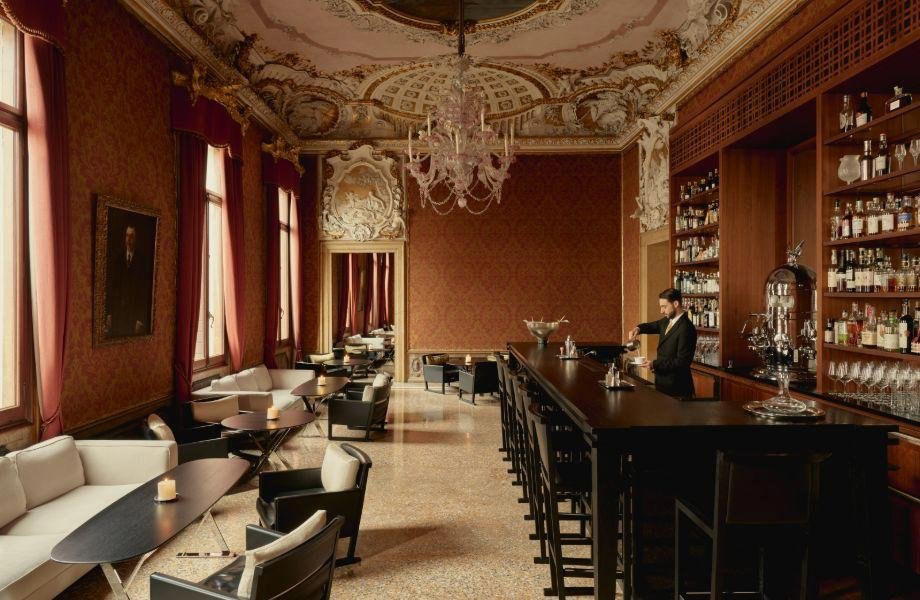
Venice's cocktail venues tend to cluster around a handful of registers. The canal-facing terrace bars lean into the view and charge accordingly. The hotel bars, including Aman Bar, occupy the city's palazzo layer and price against that heritage. Then there are the handful of neighbourhood-oriented drinks addresses, quieter in profile but more technically serious, where the programme rather than the postcode is doing the work. The Wagon Bar reads as part of this last cohort.
The Cocktail Programme as the Point
In cities with mature cocktail cultures, Nicosia's Lost & Found, or Honolulu's Bar Leather Apron, the distinction between a serious bar and a decorative one is visible in the menu architecture: ingredient sourcing, technique transparency, seasonal rotation, and the proportion of original builds versus classics. In Venice, where that distinction is less commonly drawn, any bar operating at the more considered end of that spectrum becomes easier to locate by contrast.
The city's most-visited drinking spots are built around the Spritz's commercial momentum and the bacaro's wine-first logic. A cocktail programme that takes technique seriously, working with local spirits, seasonal Venetian ingredients, or vermouth traditions from the broader Veneto and northeast Italian corridor, sits apart from that default mode. The northeast of Italy carries real cocktail-relevant heritage: bitters culture through Campari and Aperol production, vermouth traditions predating the modern Spritz, and a vine-growing region whose aromatic whites and indigenous varietals have been increasingly incorporated into serious bar menus across the country.
For comparison within Venice's own bar map, the city has a handful of addresses worth calibrating against. Al Covino and Al Covo serve a different function, oriented toward wine and food respectively. Al Mercà is a bacaro in the classic mould, standing near the Rialto and operating at high volume and low pretension. The bar operates in a different register from all three, its reference point is the cocktail programme itself, not the wine list or the cicchetti spread.
When to Go and How to Plan
Venice's tourist rhythm creates a sharp seasonal logic for its bars. Summer concentrates visitors in the city's most-photographed zones, and many of the bacari and canalside terraces operate at capacity. The shoulder months, particularly autumn, when the city quiets and acqua alta begins its seasonal presence, offer a different quality of access. Bars that would feel hectic in July operate at a pace in October and November that allows proper attention to what's in the glass rather than the speed at which it arrives.
For a city of Venice's scale and tourist intensity, booking behaviour matters more than in most places. The combination of a small resident population, a large short-stay visitor base, and limited bar real estate means that the few serious cocktail addresses fill quickly on weekend evenings. Arriving early in an evening session, particularly outside summer peak, tends to produce better outcomes in terms of attention and pace. Visiting in person or arriving early is one reliable approach.
Broader Venetian bar-hopping works logically as an evening structure: a Spritz at a bacaro as entry point, then a move toward a more considered programme later in the evening when the city's day-trip visitor layer has cleared. The bar functions well in that second position. For those building a wider Italian bar itinerary, it anchors the Venetian stop alongside a circuit that might include the Bologna detour via Enoteca Historical Faccioli in Bologna, a different address but an instructive point of comparison for how seriously northeast Italy can take its drinking traditions.
Peers Worth Knowing
Comparable venues nearby, for context on price, style, and recognition.
| Venue | Cuisine | Price | Notes |
|---|---|---|---|
| The Wagon BarThis venue — the venue you are viewing | cocktail_bar | $$$$ | Not listed |
| Caffè Florian | hotel_bar | $$$$ | San Marco |
| la sete | wine_bar | $$ | Cannaregio |
| Al Covino | wine_bar | $$ | Castello |
| Alchemia Bar | hotel_bar | $$$$ | Arsenale |
| Caffe Lavena | cocktail_bar | $$$$ | San Marco |
At a Glance
- Elegant
- Intimate
- Sophisticated
- Date Night
- Special Occasion
- Historic Building
- Hotel Bar
- Lounge Seating
- Classic Cocktails
- Craft Cocktails
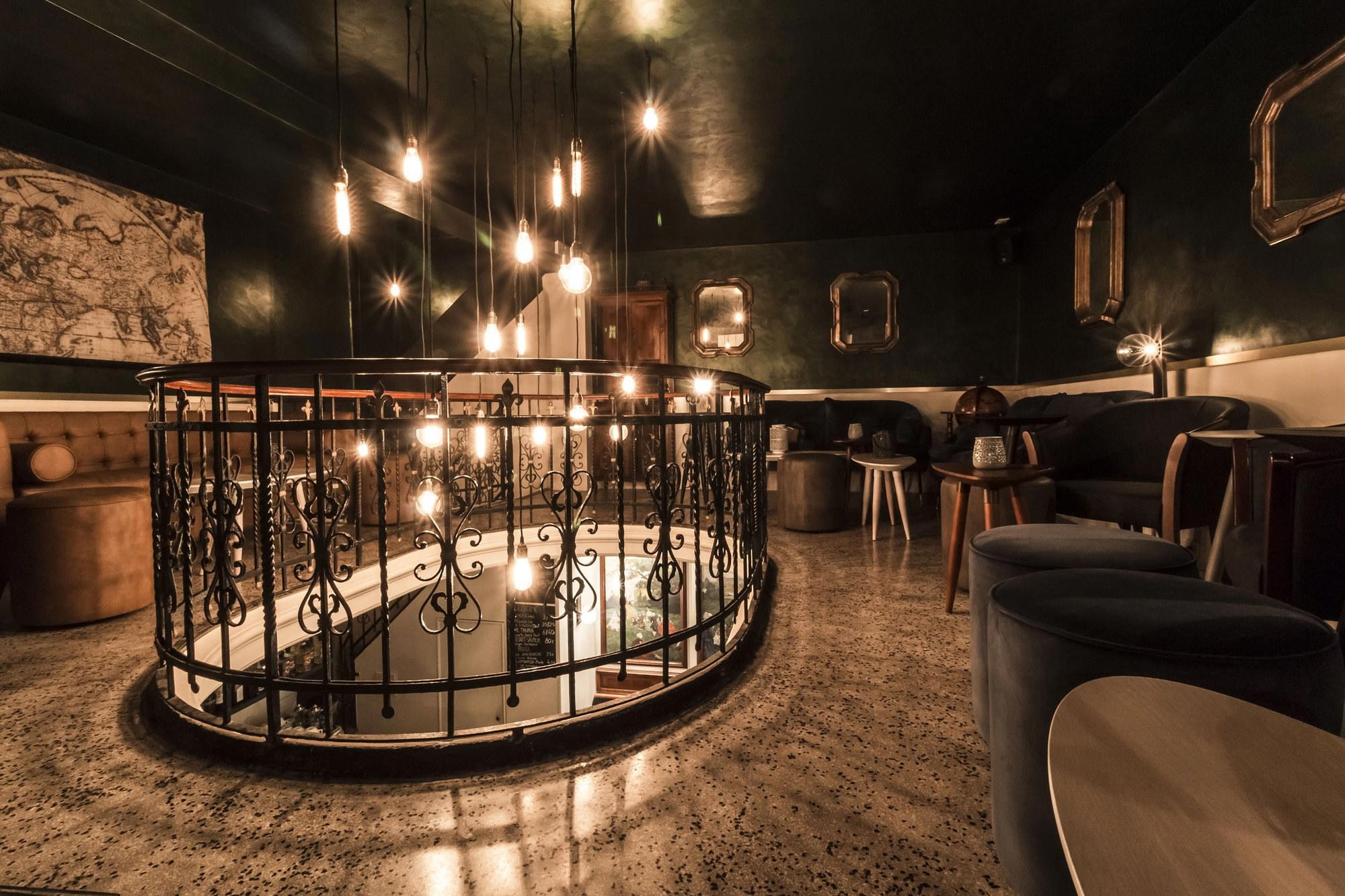
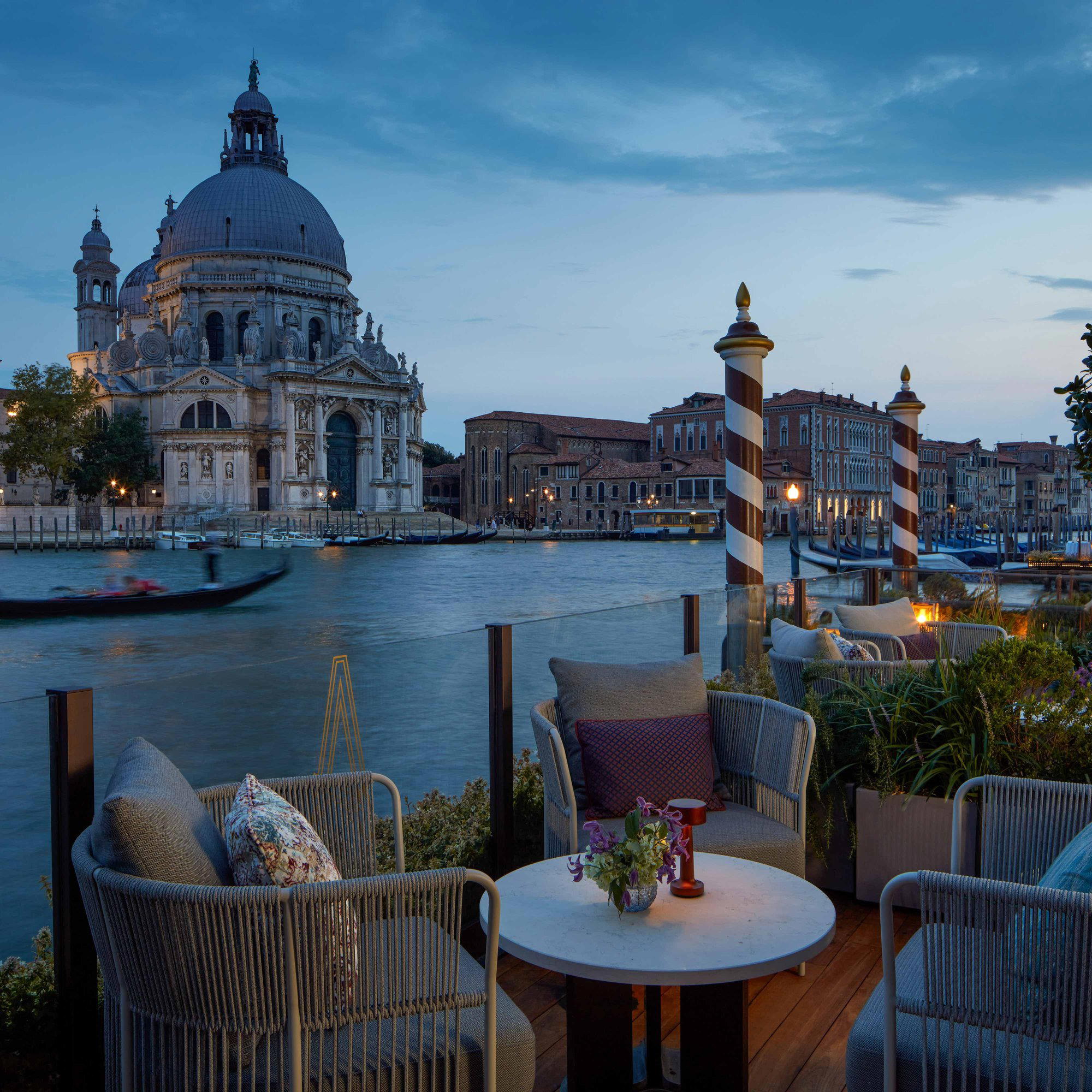
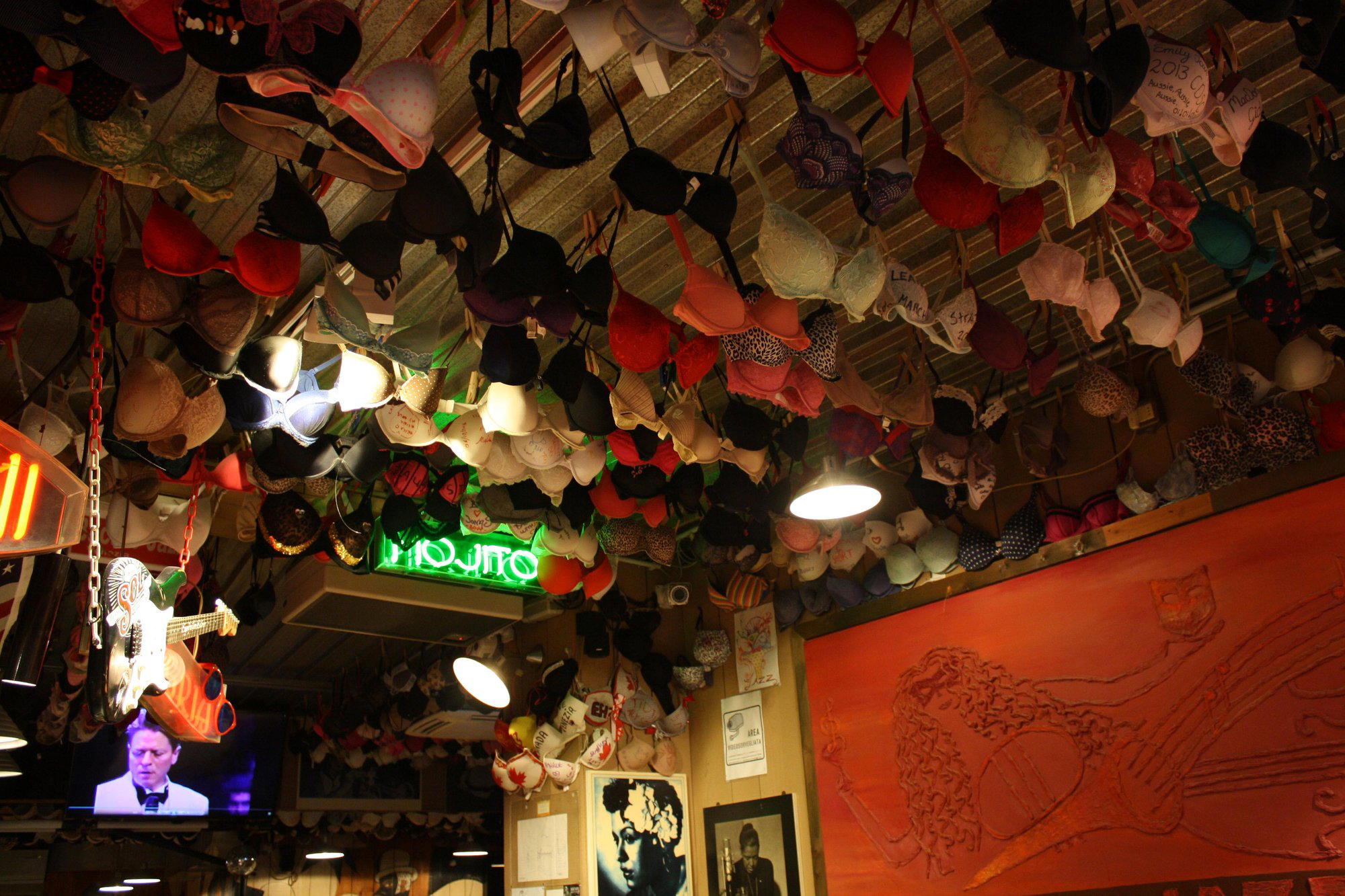
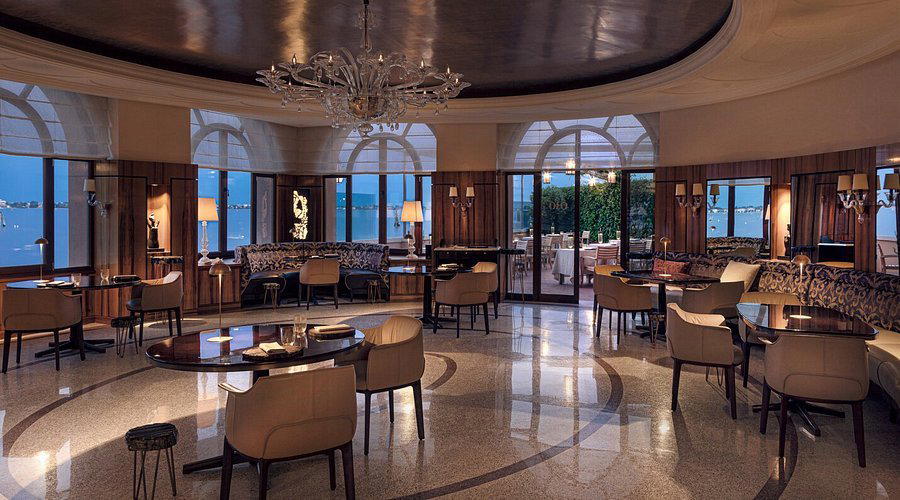
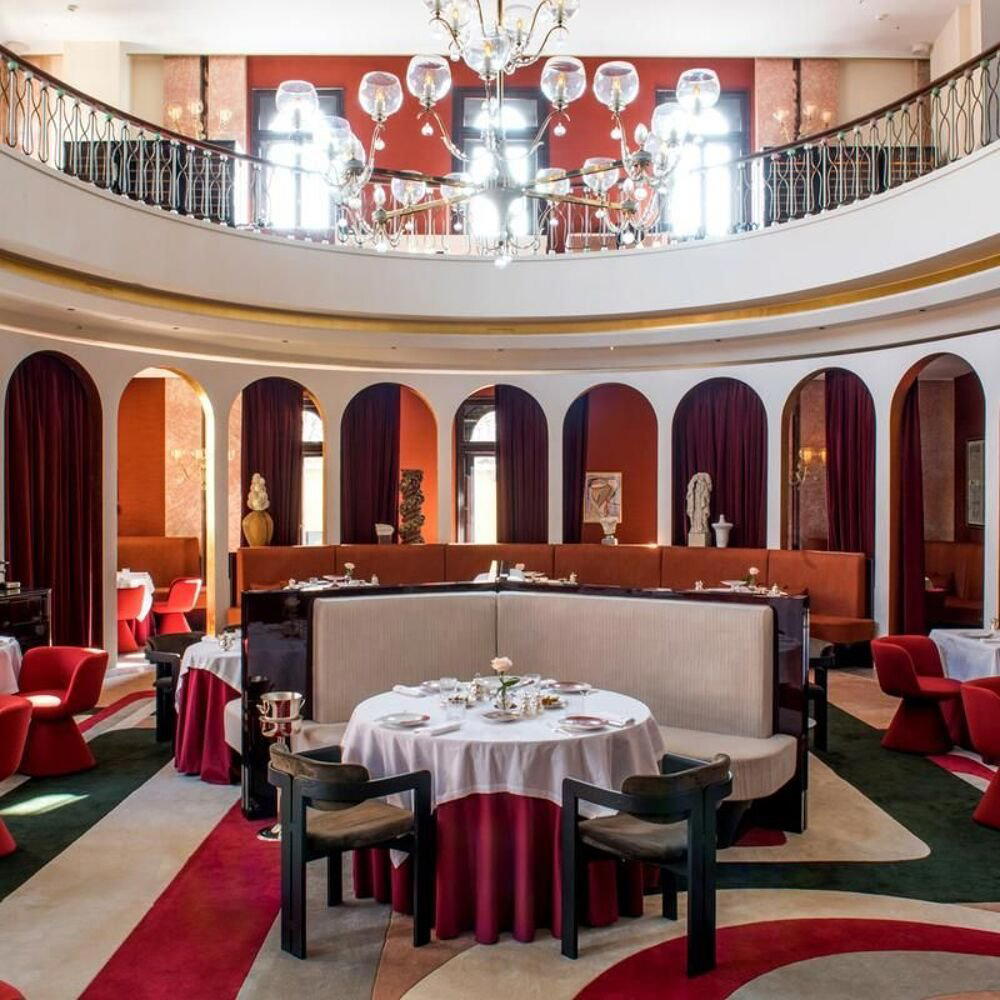
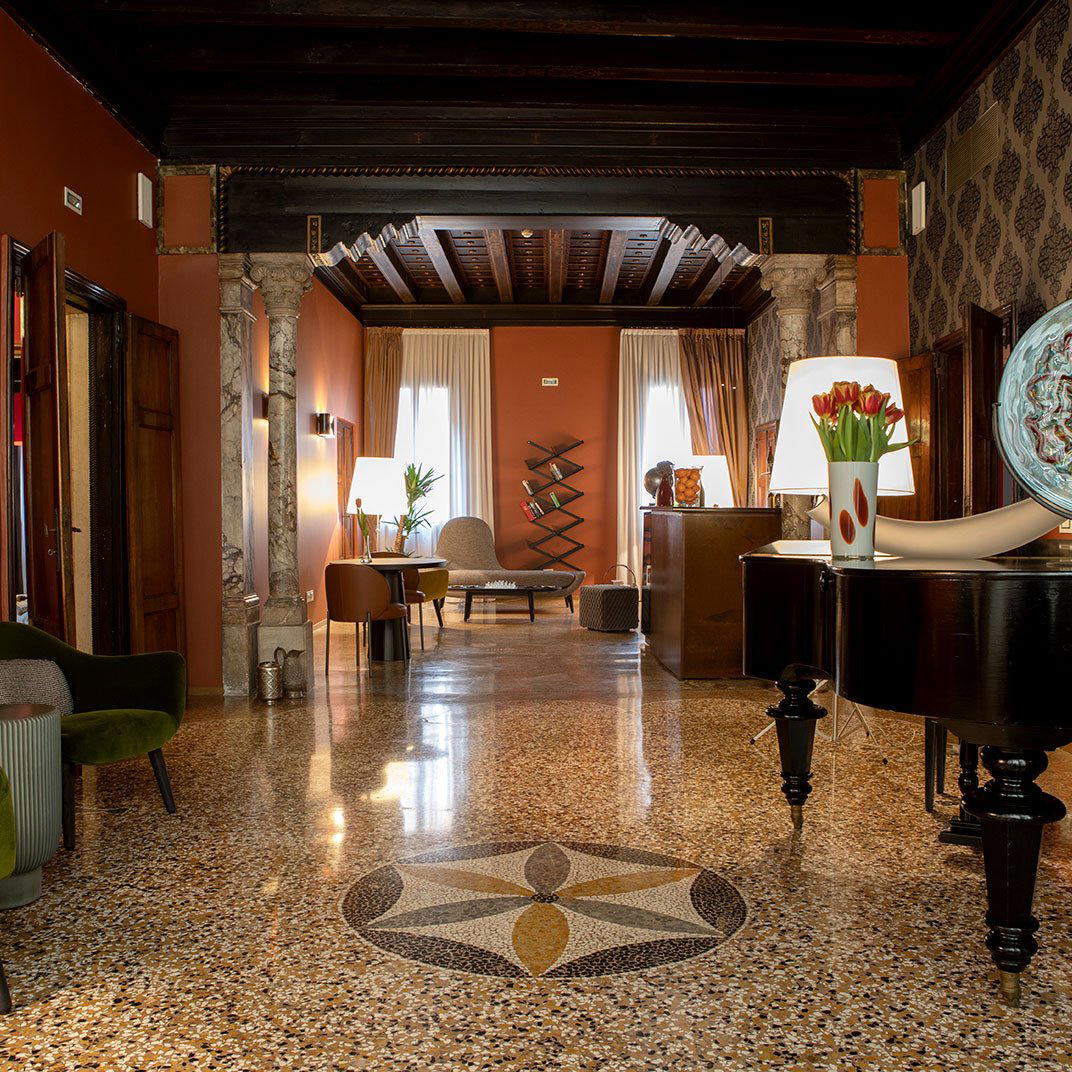
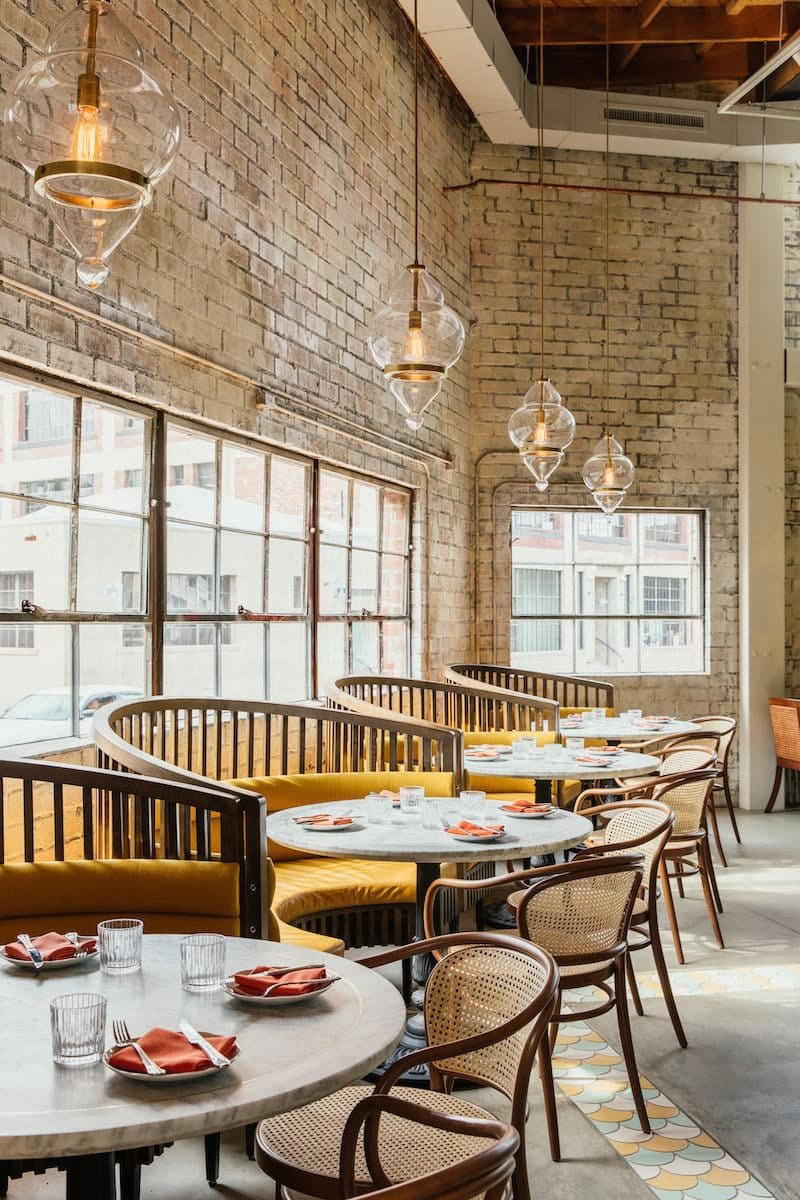
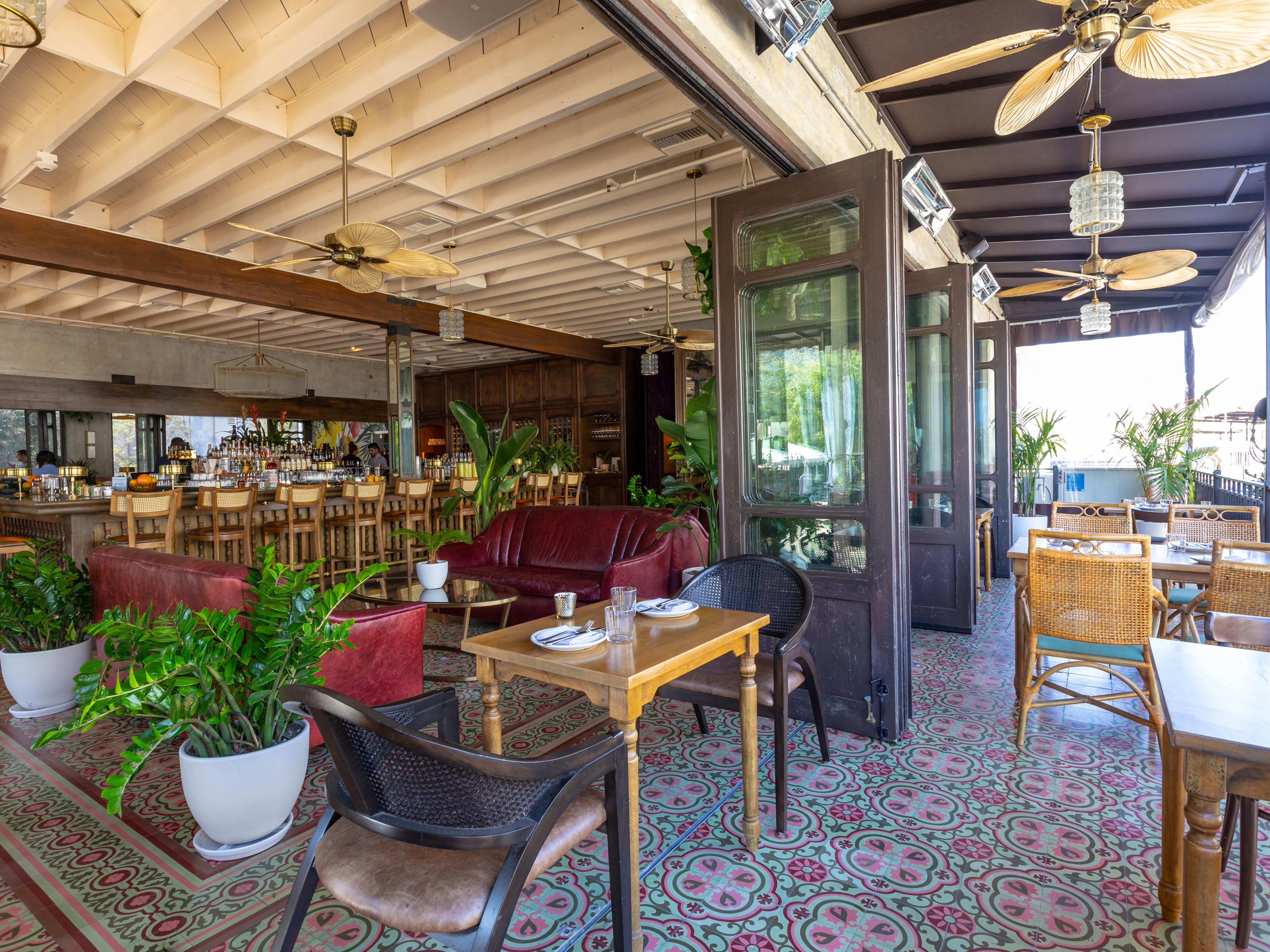
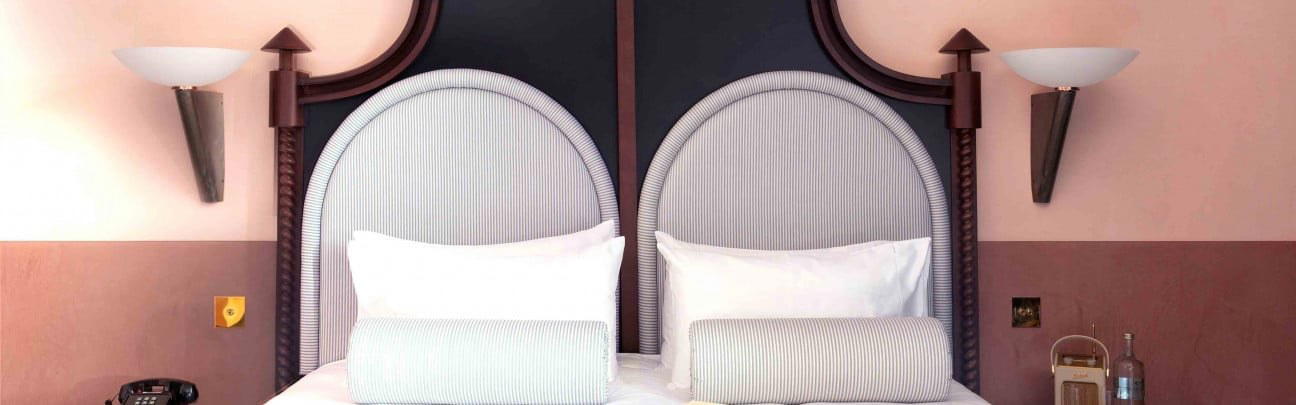
Discreet and captivating with dimmed lights in an elegant Art Deco space reminiscent of a train carriage.