The Tamil Prince
On a quiet Islington residential street, The Tamil Prince occupies a register that sits apart from central London's louder South Asian dining options: a neighbourhood restaurant where Tamil-inflected cooking meets an atmosphere calibrated for locals rather than destination diners. It draws comparisons to the wave of casual-serious Indian restaurants that have reshaped how London eats across postcodes rather than just in Mayfair.
 Discover on Pearl
Pearl is the En Primeur Club membership app — saves, bookings, and concierge access live there. Same editors, same standards.
- Address
- 115 Hemingford Rd, London N1 1BZ, United Kingdom
- Phone
- +44 20 7062 7846
- Website
- thetamilprince.com
A Residential Street That Sets the Terms
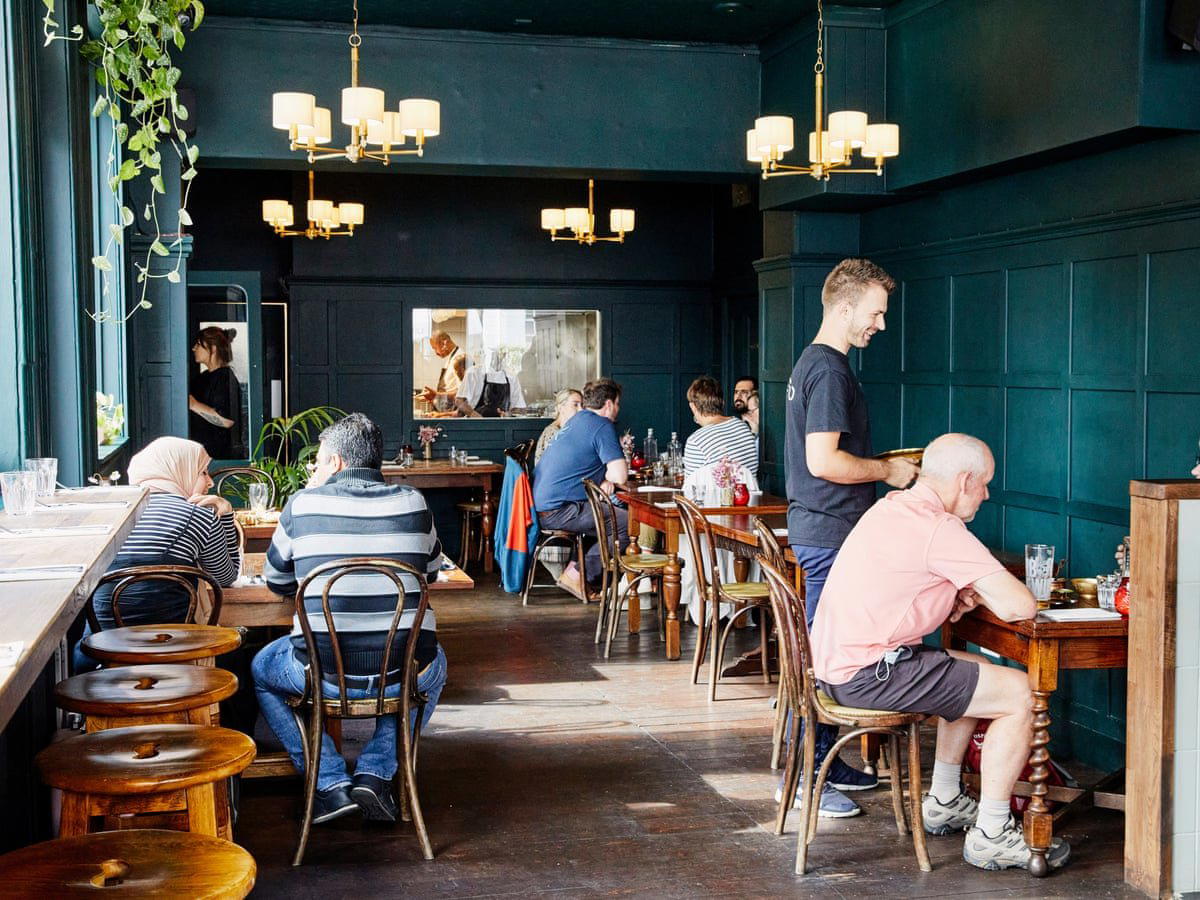
Hemingford Road in Barnsbury is the kind of Islington street that tourists rarely find and locals prefer to keep that way. The Victorian terraces carry the particular quietness of a neighbourhood that has been expensive long enough to feel settled rather than gentrified. Arriving at The Tamil Prince, you are immediately in that domestic register: the frontage is modest, the light through the windows warm without being theatrical, and the energy belongs to a room full of people who live nearby. That physical context is not incidental to the experience. It is the experience.
London's South Asian restaurant scene has split in recent years along lines that track closely with neighbourhood character. The Mayfair and Marylebone tier operates on occasion-dining logic, with price points and room design that signal celebration. A younger, more casual tier has taken root across inner north and east London, where the cooking is technically serious but the room reads as a local rather than a destination. The Tamil Prince belongs firmly to the second category, and that positioning shapes everything from the noise level to what you are likely to order.
The Room and What It Does to the Meal
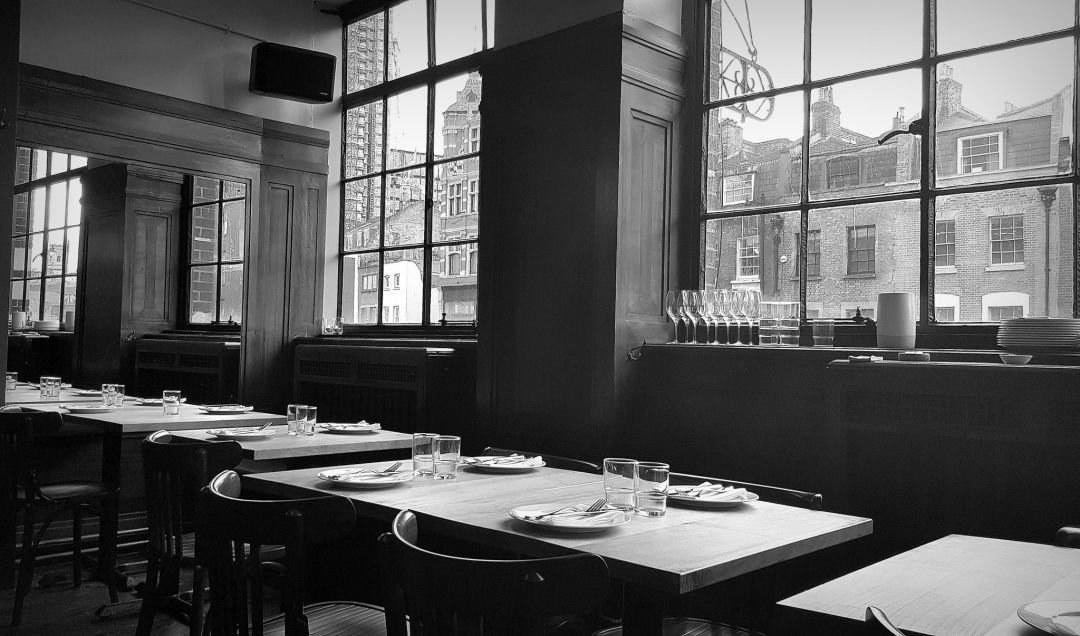
The interior at 115 Hemingford Road is small. That is a deliberate observation rather than a complaint: the scale of the space creates the conditions for the atmosphere the room actually has. Closely set tables generate a convivial density that a larger room would dissolve. The lighting sits in the range that makes faces look good without crossing into the self-conscious dimness that signals a restaurant trying too hard. There is no design statement being made here in the way that London's more talked-about openings tend to frame themselves. The effect is closer to a very good neighbourhood bistro in Paris or a serious local trattoria in a mid-sized Italian city: the room exists to make the food and the conversation the point, not itself.
That lack of conceptual noise is, counterintuitively, a design choice. London has spent the better part of a decade building restaurants where the interior tells a story about the founders and the fitout competes with the plate for attention. Spaces like 69 Colebrooke Row and A Bar with Shapes For a Name have built strong identities partly through considered aesthetic programming. The Tamil Prince takes the opposite position: the atmosphere is generated by occupancy and cooking rather than by art direction.
Tamil Cooking in a London Context
Tamil cuisine remains underrepresented in London relative to the breadth of the cuisine itself. The city's South Asian restaurant tradition has historically defaulted to North Indian and Bangladeshi registers, with Keralan and Sri Lankan cooking occupying a secondary tier. Tamil food from the Indian subcontinent, with its rice-forward structure, tamarind-soured gravies, and use of drumstick, raw mango, and fresh coconut, occupies a different flavour register entirely from the tandoor-and-butter-chicken model that still dominates the popular imagination of Indian restaurants in Britain.
The Tamil Prince operates in a moment when London's appetite for regional specificity within South Asian cooking has broadened considerably. The success of restaurants working within Keralan, Chettinad, and Konkani traditions over the past decade has created an audience capable of reading the distinctions that matter on a Tamil menu. That broader shift in dining literacy is the context in which a neighbourhood restaurant on a quiet Islington street can sustain serious cooking without the scale or the marketing apparatus of a destination venue. Across the UK, cities like Edinburgh (home to Bramble), Manchester (with Schofield's), and Glasgow (anchored by the Horseshoe Bar) have developed their own distinct drinking and dining cultures; London's neighbourhood restaurant tier has developed along similarly local-first lines.
Drinking at The Tamil Prince
The drinks offer at a restaurant positioned the way The Tamil Prince is positioned tends to track the cooking logic: accessible, considered, without the markup that destination restaurants use to anchor revenue. South Indian food pairs with a wider range of drinks than the conventional wisdom around spice-and-wine would suggest. The tamarind acidity and coconut fat in Tamil cooking can handle tannic reds better than lighter, more delicate curries, and the rice-based structure of many dishes supports fuller-bodied whites as easily as the aromatic whites that get reflexively recommended alongside Indian food.
For those inclined toward cocktails before or after the meal, the immediate Islington neighbourhood has historically strong options. Academy and Amaro are both within reach, and the area sits close enough to Canonbury and Angel to access one of London's denser concentrations of serious independent bars. Further afield, venues in the Shoreditch corridor remain a logical extension for a longer evening.
How The Tamil Prince Fits Into North London Dining
Barnsbury and the streets around it have developed a neighbourhood restaurant culture over the past fifteen years that favours independent operators over groups. The pattern mirrors what has happened in Hackney, Peckham, and Clapton: a critical mass of residents with disposable income and genuine food interest creating conditions for restaurants that would not be viable in higher-footfall but higher-rent locations. The Tamil Prince sits inside that logic. It is the kind of restaurant that a city produces when the right neighbourhood meets the right moment in a cuisine's visibility.
The comparison set for The Tamil Prince is not Gymkhana or Brigadiers, which operate at higher price points with larger rooms and occasion-dining positioning. The more relevant peers are the generation of serious neighbourhood Indian restaurants that have appeared in N1, N4, E8, and SE15 over the past decade, where the cooking ambition is high and the room has no interest in impressing anyone who doesn't already live nearby. That is a narrower and more interesting comparable set than the Mayfair comparison would suggest.
Planning Your Visit
The Essentials
Comparable venues nearby, for context on price, style, and recognition.
| Venue | Cuisine | Price | Notes |
|---|---|---|---|
| The Tamil PrinceThis venue — the venue you are viewing | Barnsbury, pub | $$ | |
| The Tooting Tavern | Tooting, pub | $$ | |
| Skehans | New Cross Gate, pub | $$ | |
| Lagom at Hackney Church Brew Co | Hackney Central, Bar | , | |
| Coin Laundry | $$ | Clerkenwell, cocktail_bar | |
| 155 Bar & Kitchen | $$ | Clerkenwell, cocktail_bar |
Continue exploring
More in London
Bars in London
Browse all →
Restaurants in London
Browse all →
Hotels in London
Browse all →
Wineries in London
Browse all →
At a Glance
- Cozy
- Trendy
- Lively
- After Work
- Group Outing
- Casual Hangout
- Historic Building
- Seated Bar
- Communal Tables
- Craft Cocktails
- Craft Beer
Cozy casual atmosphere in a stylish former pub with subtle South Indian decor elements like brass plates.