The Tamil Crown


The Good Food Guide GFG Good
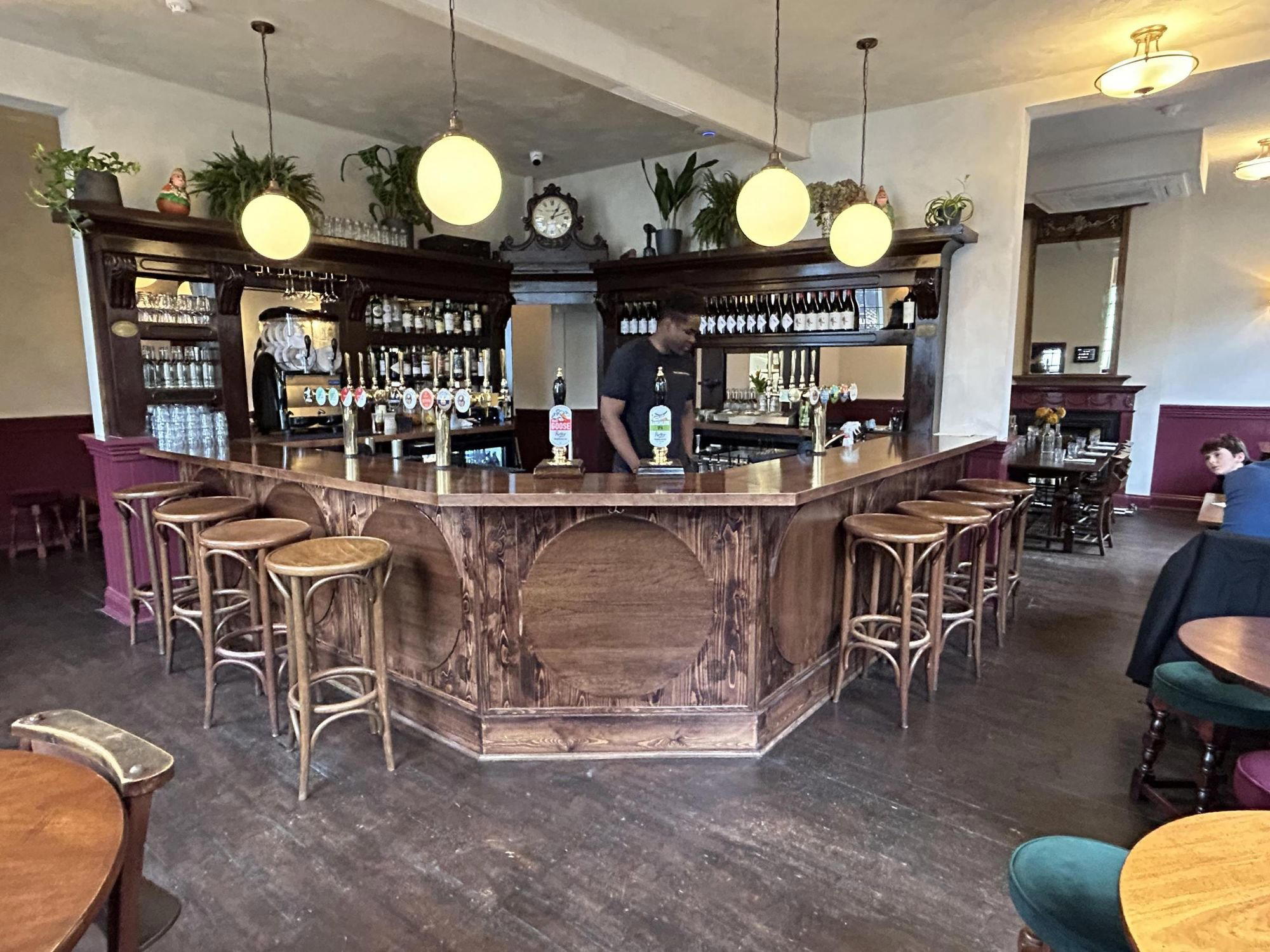
The Tamil Crown occupies the former Charles Lamb pub on Elia Street in Barnsbury, bringing Prince Durairaj's Tamil Nadu-rooted cooking to a two-floor space with a ground-floor bar and fireplace. Expect regional staples carried over from the Tamil Prince, crispy okra fries, robata lamb chops, Thanjavur chicken curry, alongside the roti breads that made Durairaj's name at Roti King. The Sunday menu adds masala-roasted chickens and lamb shanks with Indian veg and gravy.

Pearl is the En Primeur Club membership app, where members save venues, book tables and use the concierge.
A Pub Shell, a South Indian Kitchen
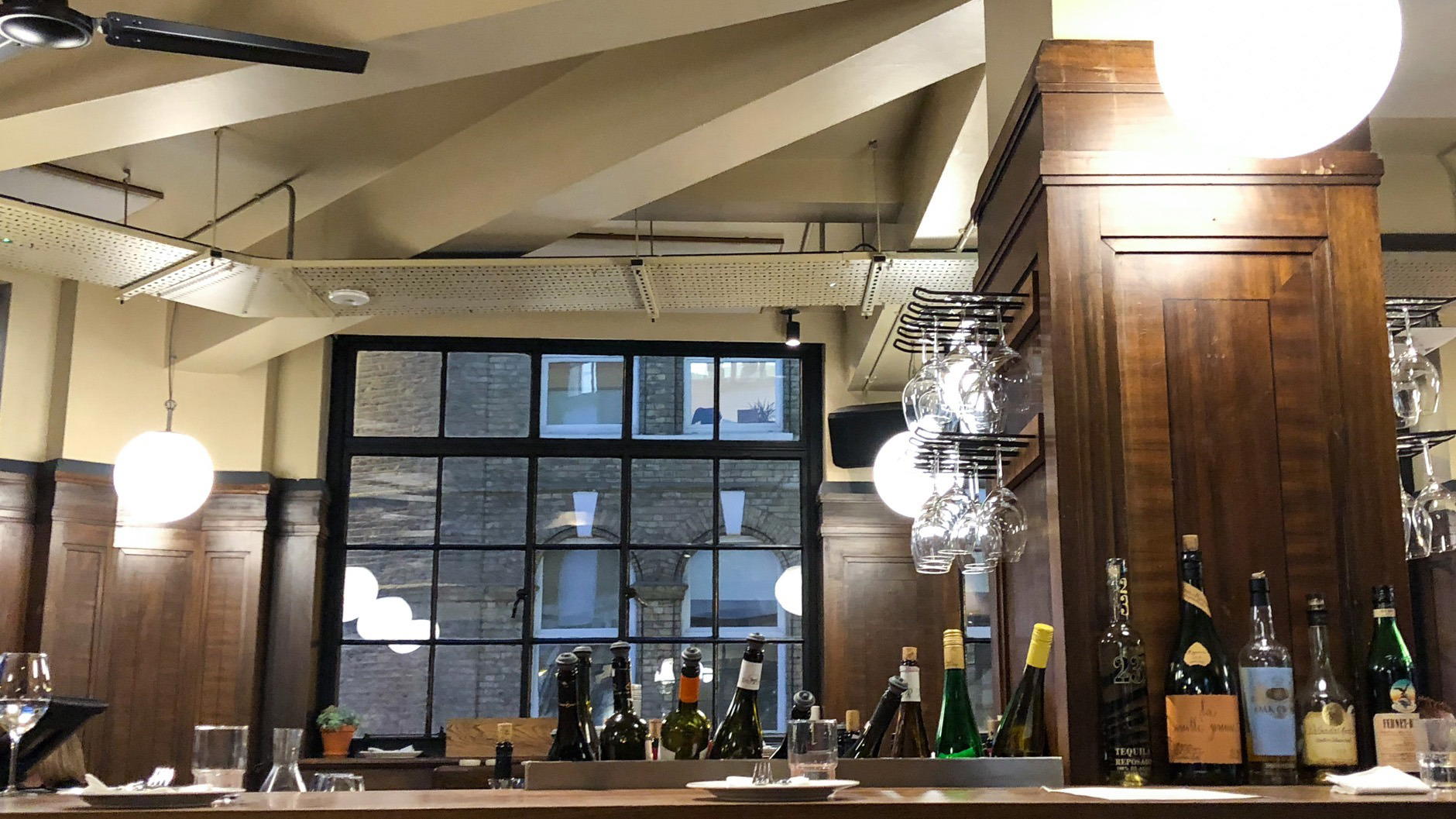
Elia Street, just behind Angel station in Islington, is the kind of address that accumulates quiet neighbourhood institutions: corner locals, wine shops, the sort of places regulars treat as extensions of their own living rooms. The former Charles Lamb pub fits that template physically, with its ground-floor bar, fireplace, candles, and a sofa that invites lingering over a pint rather than hurrying to a table. What has changed is what arrives from the kitchen. Prince Durairaj, whose Roti King operation helped establish a serious benchmark for Malaysian-inflected flatbreads in London, has applied a similar formula here to Tamil Nadu regional cooking, as he did first at the Tamil Prince in Barnsbury.
The Second Chapter of a Working Formula
London's South Indian restaurant scene has historically been underrepresented relative to the breadth of the subcontinent's regional traditions, with much of the city's Indian dining focused on North Indian and British-Indian hybrid formats. Durairaj's two-venue Tamil project sits inside a smaller counter-movement: operators who have staked a claim on specific regional Indian cuisines and stuck to them with discipline. The Tamil Crown is, by the operator's own design, close to a carbon copy of its predecessor. That is not a criticism. The Tamil Prince built a following on a legible, consistent menu of Tamil Nadu classics, and the Crown inherits that menu largely intact, adding the physical advantage of more space spread across two floors, with a traditional dining room upstairs and a more casual ground-floor arrangement below.
What the second venue does differently is in register rather than content. The Crown reads as calmer than the Prince, the layout giving the front-of-house team more room to operate without the compressed energy that smaller single-room spaces generate. That spatial generosity changes how the meal lands: the ground floor bar functions as a genuine pre-dinner or standalone drinking destination rather than an overflow area, with ales on tap alongside spiced cocktails and a wine list that has been assembled with care rather than obligation.
The Menu as Regional Archive
The dishes that have made the journey from Prince to Crown are the ones that earned their place. Crispy okra fries, robata lamb chops, and Thanjavur chicken curry all appear, each rooted in the food traditions of the Tamil Nadu region rather than in a pan-Indian or crowd-pleasing register. The beef masala uthappam, described in coverage as an absolute standout, is a thicker, smaller variation on the dosa format, spread with spiced meat, and represents the kind of dish that is easy to overlook on a first visit but tends to anchor return ones. The roti breads, predictably given Durairaj's background at Roti King, are a point of consistency: billowing, flaky, and better than most bread served alongside Indian food in this price bracket in London.
Not everything lands with equal force. The prawn moilee, according to the same record, tips into coconut excess, which is a balance issue that recurs across the category when kitchens lean too heavily on sweetness. It is a reminder that regional fidelity is only as good as the calibration of individual dishes, and that familiarity with a cuisine's flavour logic matters as much as sourcing the right ingredients.
The Sunday menu operates as a separate proposition entirely: masala-roasted chickens and lamb shanks served with Indian vegetables, roast potatoes, and gravy. This is the kind of format that works because it takes a fixed cultural ritual (the British Sunday roast) and reroutes it through a different spice vocabulary without being arch about the fusion. It is a practical offering for a neighbourhood that will fill a Sunday lunch rather than a statement of intent.
Drinking at the Crown
The front-of-house team at the Tamil Crown operates across two distinct modes depending on the floor. Downstairs, around the bar and fireplace, the dynamic is closer to a well-run pub with kitchen access: ales on tap, spiced cocktails that function as food-adjacent rather than cocktail-bar ambitious, and wines chosen to work alongside assertively spiced food rather than to showcase a sommelier's personal taste. Upstairs, the traditional dining room format calls for a more conventional service register. Both modes coexist within the same operation, and the team's ability to read which mode a guest is in shapes how comfortable the visit feels.
Staff are noted to lean toward upselling, which is worth knowing in advance. The counter-move, as observed, is to order selectively: one or two dishes and the roti, rather than working through the full menu. At this price point and in this format, restraint on ordering tends to produce a better meal than volume. For London bar-goers who want to cross-reference the city's broader drinking options, nearby Islington has its own small cluster of serious bars, including 69 Colebrooke Row, which operates at a more technically ambitious level. A Bar with Shapes For a Name, Academy, and Amaro represent other points on London's current bar spectrum. Further afield in the UK, Bramble in Edinburgh, Merchant Hotel in Belfast, Mojo Leeds in Leeds, Schofield's in Manchester, and Horseshoe Bar Glasgow in Glasgow each anchor their respective city's drinking culture in comparable ways. Internationally, L'Atelier Du Vin in Brighton and Hove and Bar Leather Apron in Honolulu offer useful reference points for the food-and-drink pairing format the Crown is working within. For broader London dining context, see our full London restaurants guide.
Planning Your Visit
The Tamil Crown is at 16 Elia Street, London N1 8DE, a short walk from Angel underground station on the Northern line. Reservations: Budget: the price range is not published, but the operator's background and the venue's neighbourhood positioning suggest a mid-range spend; ordering selectively (one main dish plus roti) keeps costs down. Dress: no code applies; the pub-format ground floor in particular carries a relaxed register. When to go: the Sunday menu with masala-roasted chickens and lamb shanks operates as a distinct weekly format worth planning around if regional Indian cooking served in a roast structure appeals.
Cuisine-First Comparison
Comparable venues nearby, for context on price, style, and recognition.
| Venue | Cuisine | Price | Awards | Notes |
|---|---|---|---|---|
| The Tamil CrownThis venue (the venue you are viewing) | pub | $50–100 | The Good Food Guide GFG Good | Not listed |
| The Plimsoll | pub | $30–50 | The Good Food Guide GFG Good | Finsbury Park |
| The Cocktail Trading Co | cocktail_bar | $30–50 | Pinnacle Guide 1 Pin | Bethnal Green |
| Dover Yard | cocktail_bar | $30–50 | Pinnacle Guide 2 Pins | Mayfair |
Recognition history
Dated appearances from independent guides and award organizations, with the underlying list record or original source where available.
Top 50 Gastropubs 2026 Estrella Damm Top 100 Gastropubs #35
Top 50 Gastropubs
The Good Food Guide GFG Good
The Good Food Guide
Continue exploring
More in London
Bars in London
All bars in London →
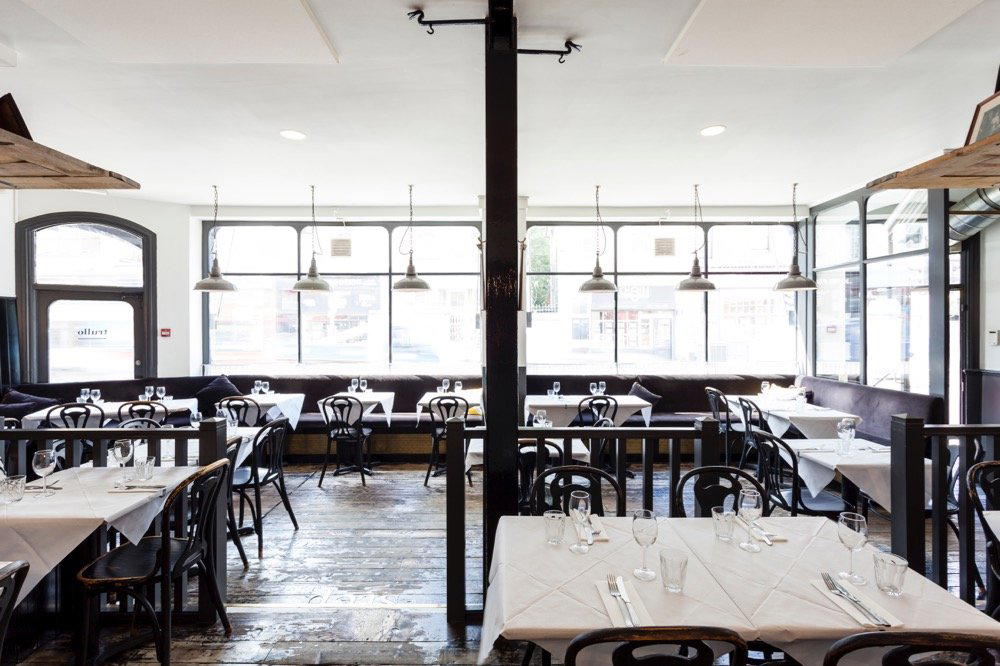
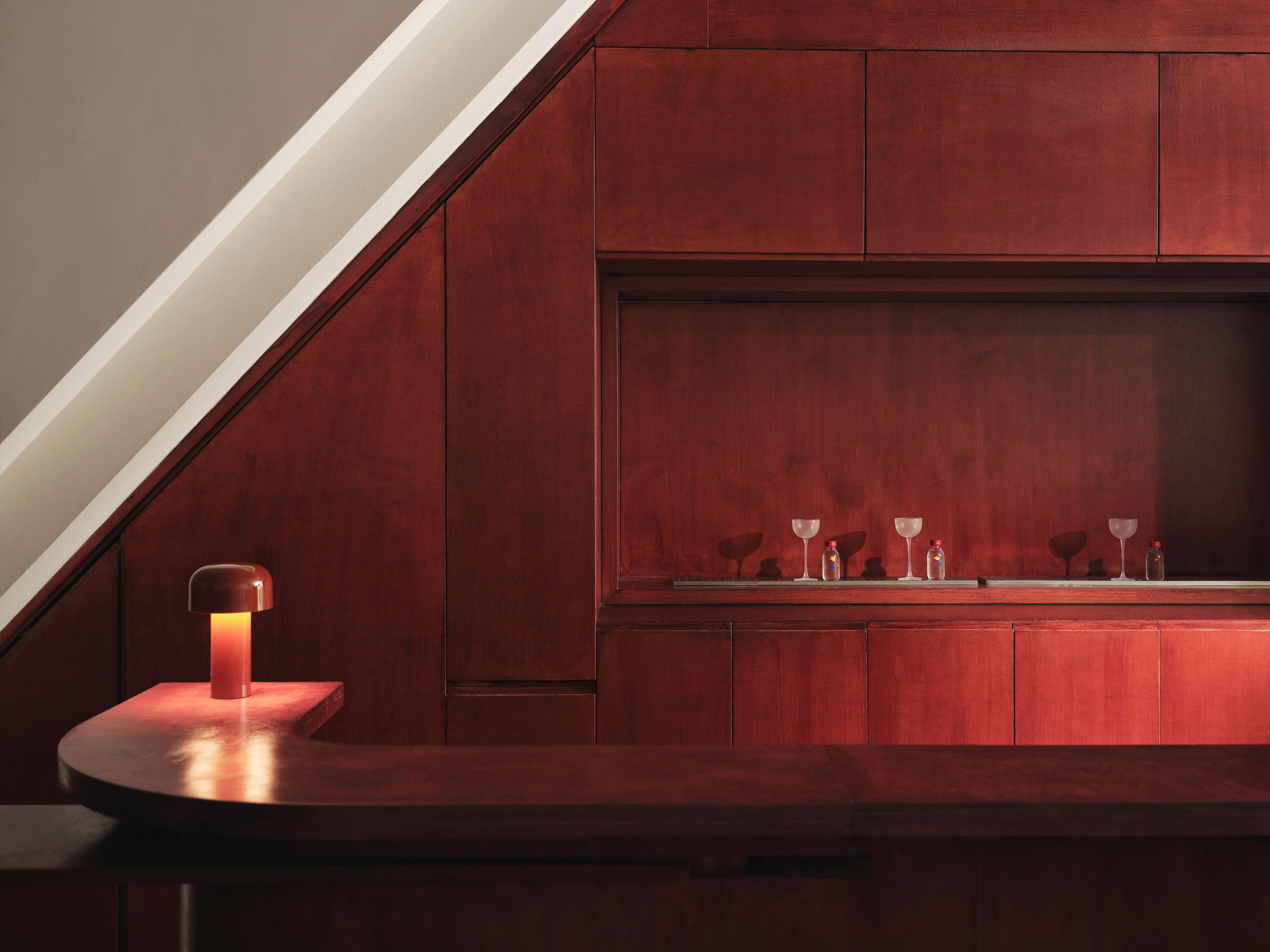
Restaurants in London
All restaurants in London →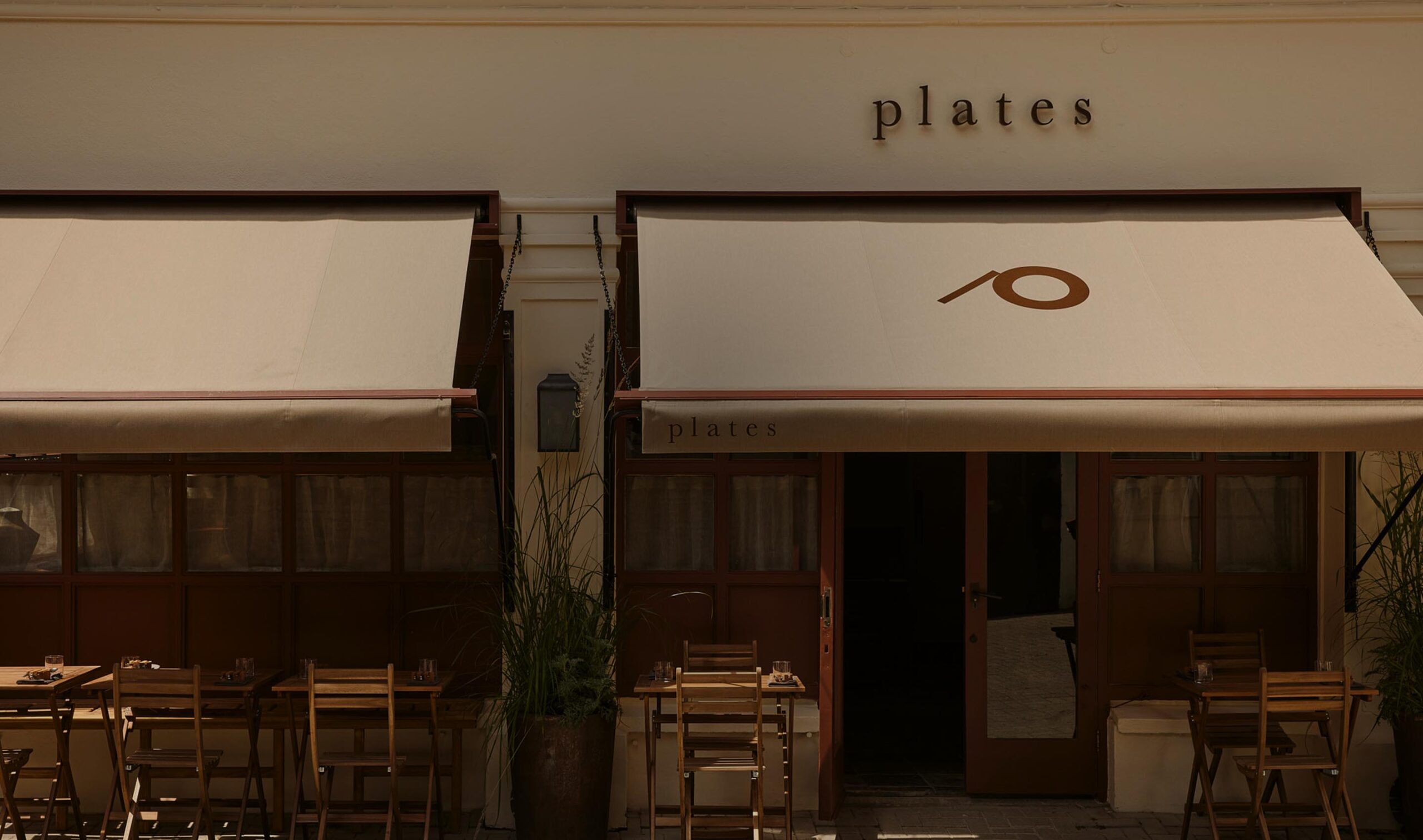
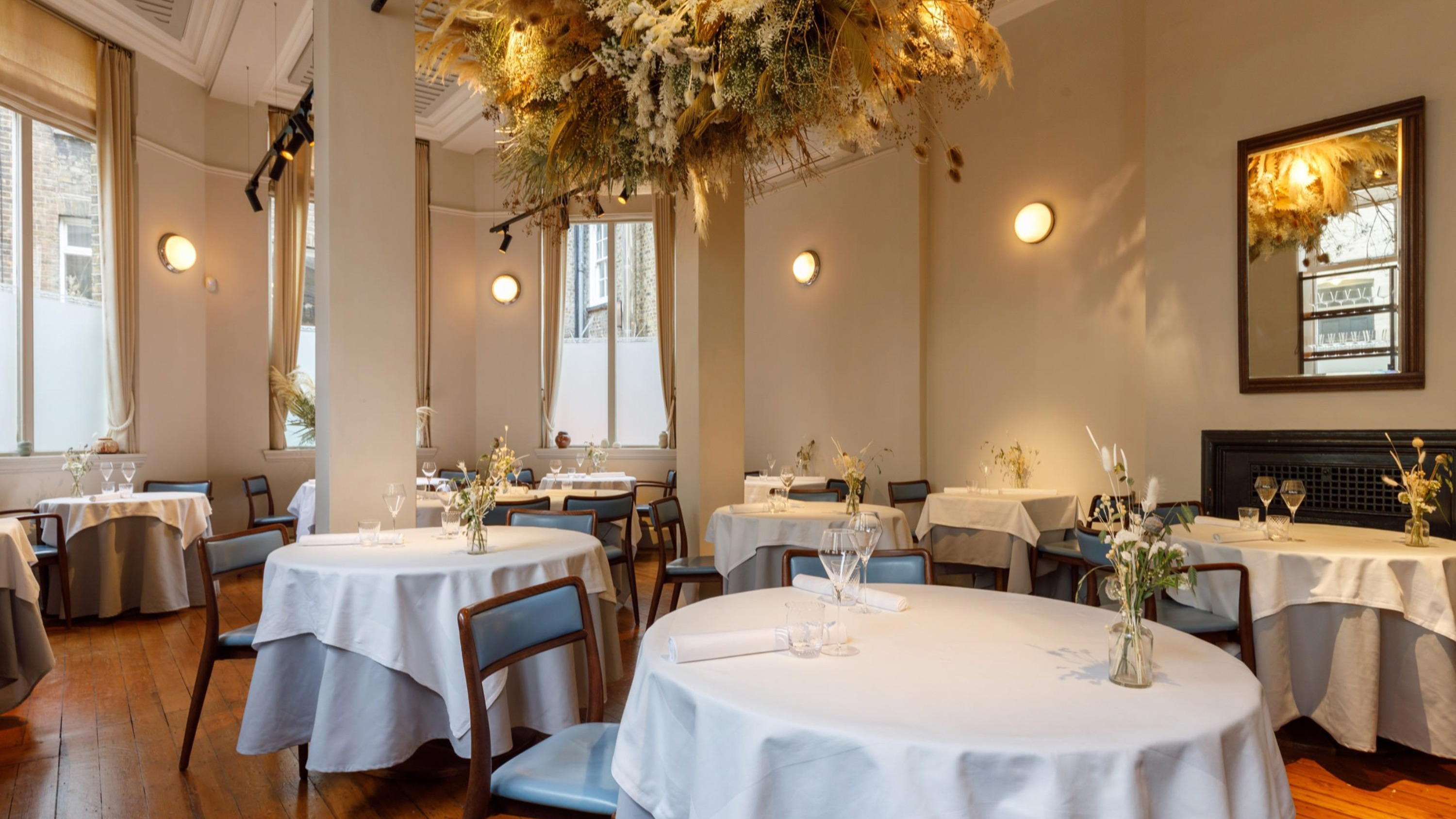

Details
- Cozy
- Intimate
- Trendy
- Elegant
- Date Night
- After Work
- Casual Hangout
- Historic Building
- Seated Bar
- Lounge Seating
- Booth Seating
- Craft Cocktails
- Craft Beer
Current opening hours
- Monday
- 5–11 PM
- Tuesday
- 12–11 PM
- Wednesday
- 12–11 PM
- Thursday
- 12–11 PM
- Friday
- 12–11 PM
- Saturday
- 11 AM–11 PM
- Sunday
- 11 AM–11 PM
Hours can change for holidays and private events. Hours as of .
Low-lit, moody with candles, wood panels, and a cozy fireplace.