The Ivy Club
Few addresses in London carry as much accumulated social weight as The Ivy Club at 9 West Street, Covent Garden. A private members' extension of the neighbourhood's most storied dining room, it draws a crowd defined less by celebrity-spotting than by a certain ease with the room. The kind of place where regulars arrive without a plan and leave several hours later than intended.
Pearl is the En Primeur Club membership app — saves, bookings, and concierge access live there. Same editors, same standards.
- Address
- 9 West St, London WC2H 9NE, United Kingdom
- Phone
- +44 20 7557 6095
- Website
- the-ivyclub.co.uk
- Directions
- Get directions
 Saves & bookings on Pearl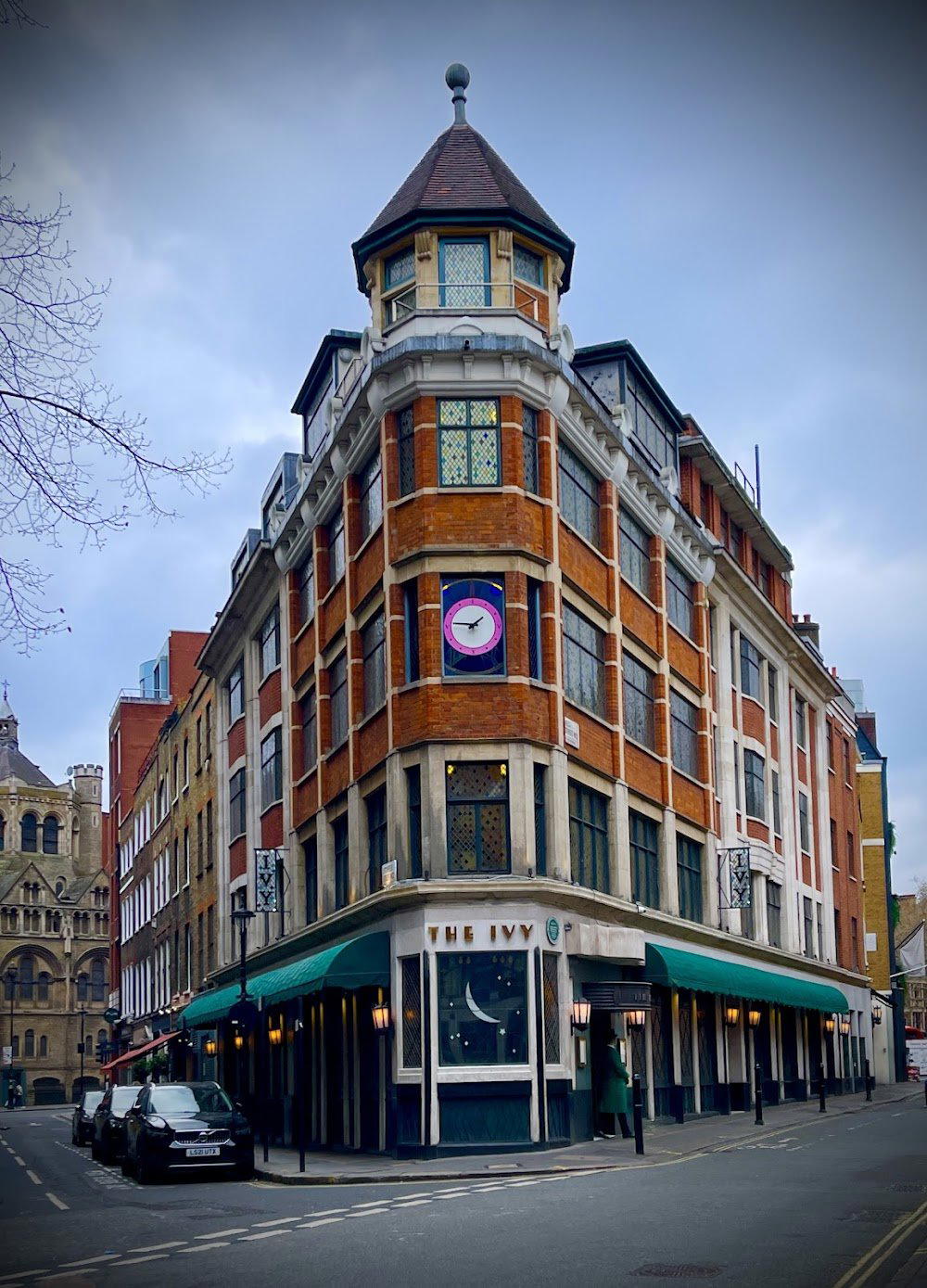
West Street After Dark: The Room That Covent Garden Built
There is a particular kind of London dining institution that functions less as a restaurant than as a recurring appointment for a specific social class. The Ivy Club, occupying floors above the original Ivy at 9 West Street, sits squarely in that category. Where the ground-floor restaurant has opened satellite locations across the country, the Club upstairs remains a members-only space that has resisted the franchise logic applied to the brand beneath it. That restraint is the point. Covent Garden has spent the last decade shifting from post-theatre convenience dining toward a more considered food and drink neighbourhood, and the Club sits above that transition, largely indifferent to it.
The neighbourhood context matters here. West Street runs between St Martin's Lane and Shaftesbury Avenue, which means the Club sits at the intersection of London's theatre district and the edges of Soho. The foot traffic outside is perpetually tourist-heavy, which makes the contrast of stepping into a private members' room all the more deliberate. London's West End has always used exclusivity as an architectural device: the room inside is defined partly by who isn't allowed to walk in off the street.
The Social Architecture of a Members' Room
London's private members' club model has fractured considerably over the past twenty years. The older Pall Mall model, built around professional and class networks, gave way in the 1990s and 2000s to the media-and-creative club format exemplified by Soho House. The Ivy Club occupies a third position: not a residential workspace, not a legacy gentlemen's club, but a dining-oriented gathering space attached to one of the city's most recognised restaurant addresses. The membership proposition is essentially access to a room where the social register skews toward theatre, media, and the sort of entertainment-industry figures who have been eating at the Ivy since the original restaurant established its reputation.
That continuity of crowd is what makes the Club function as a neighbourhood watering hole at a premium tier. The regulars are not here to be seen at a new opening; they are here because this is where they have been coming for years. In London's bar and private dining world, that accumulated habitual attendance is genuinely difficult to manufacture. Bars like 69 Colebrooke Row and A Bar with Shapes For a Name have built loyal followings through technical programs and critical recognition. The Ivy Club operates on a different logic: inherited social gravity rather than cocktail-led reputation.
What the Room Offers: Drinking and Dining as Ritual
The Ivy Club's function is primarily as a place to drink and eat in proximity to people you already know, or are likely to recognise. The bar program sits within a broader dining context rather than leading as an independent destination. This is characteristic of London's theatre-district venues, where the drink before dinner and the glass after the show are the structural anchors of an evening, not standalone occasions. Venues like Academy and Amaro have staked out distinct bar identities; the Club's bar exists to serve the room's social function rather than to compete on those terms.
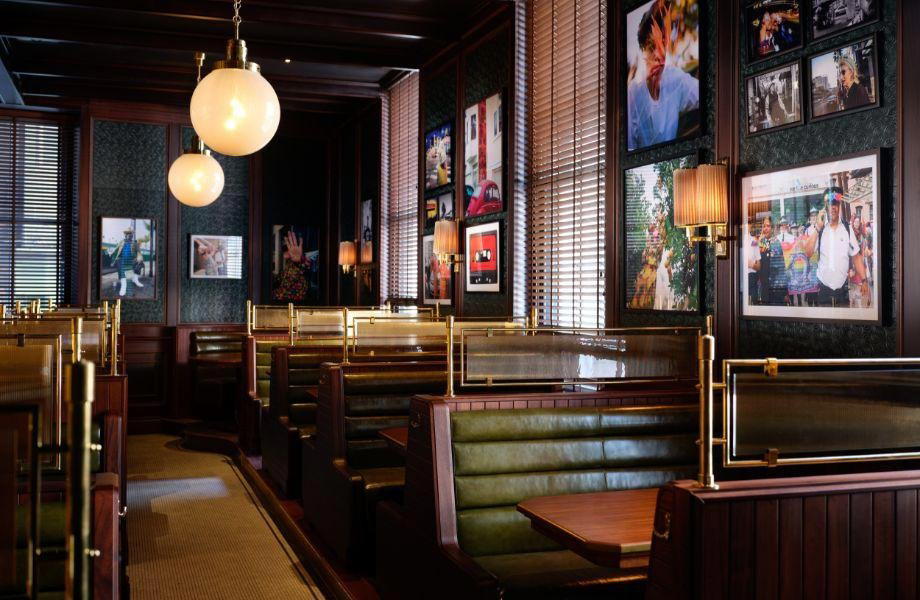
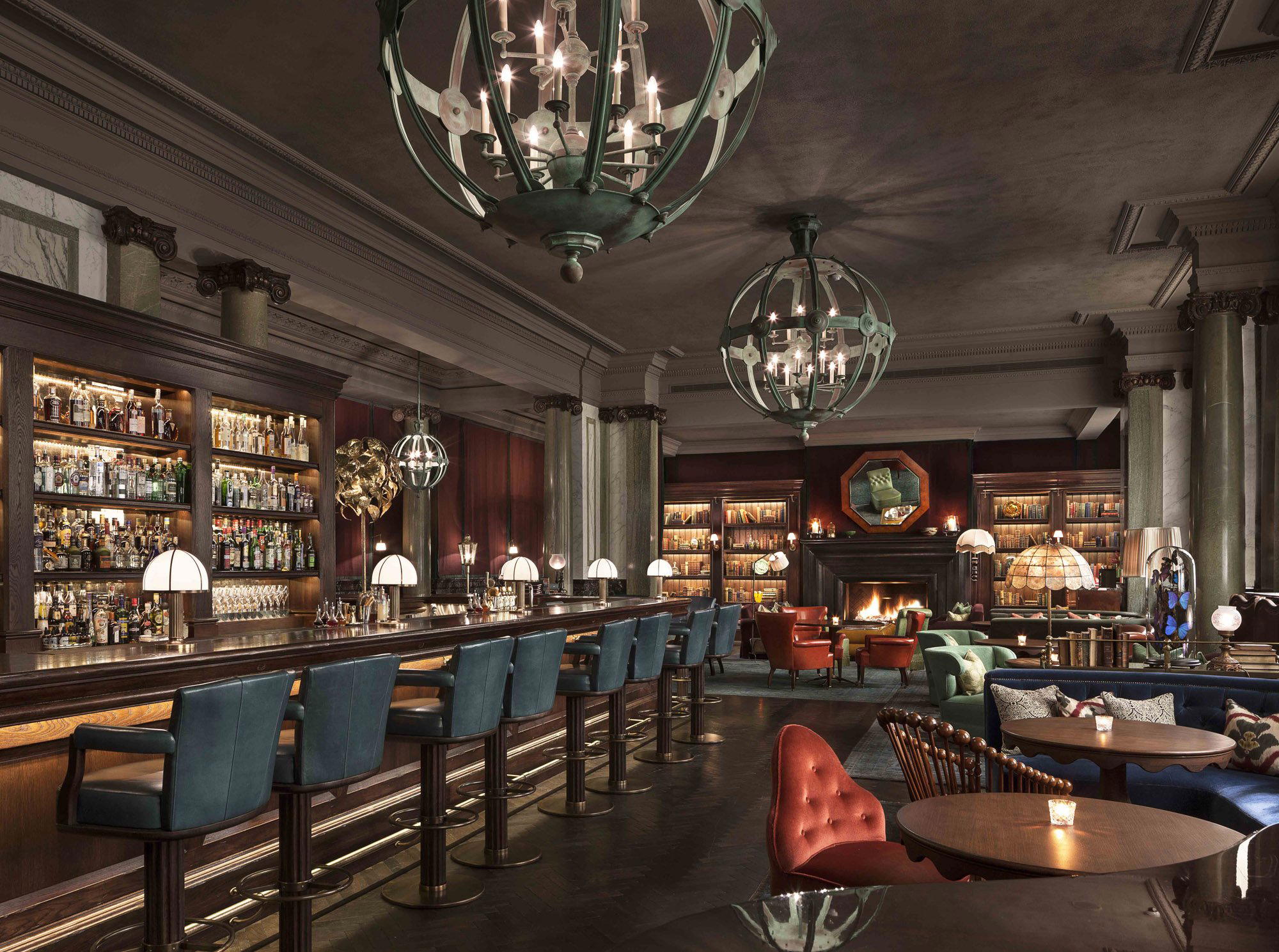
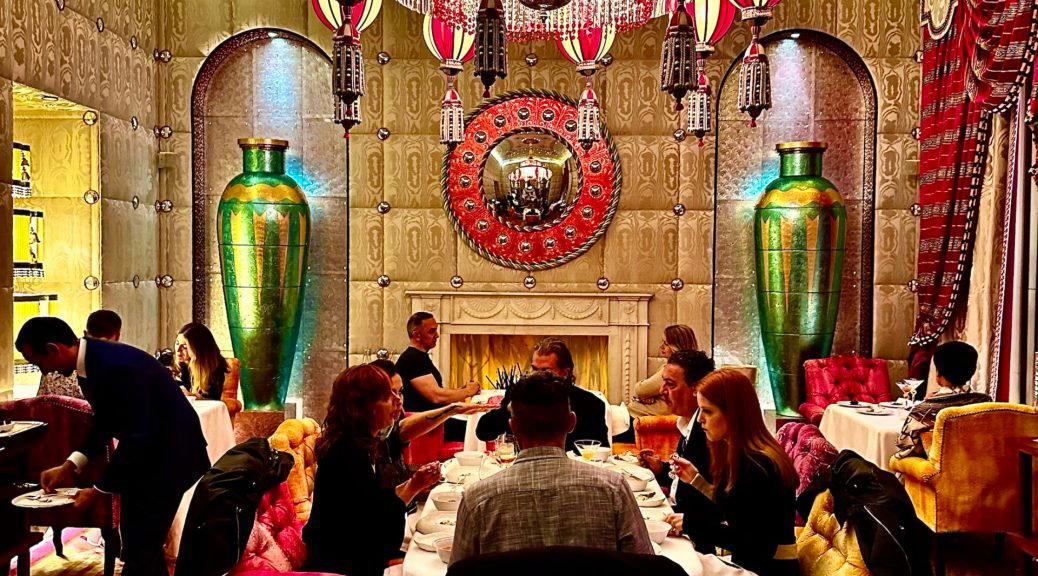
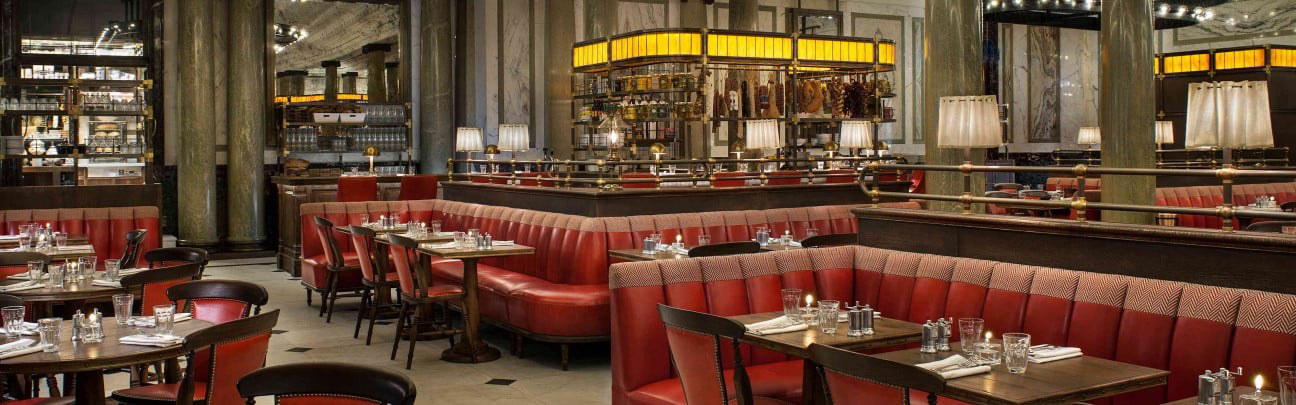
The physical environment on the upper floors carries the aesthetic DNA of the original Ivy: the stained glass, the warm lighting, the sense that the room has absorbed decades of conversation. That kind of environment is not accidental. It requires sustained investment in maintenance and a deliberate resistance to redesign trends that might modernise the patina away. For a certain type of Londoner, the familiarity of the room is inseparable from its appeal.
The Ivy Club Against Its comparable set
Within London's members' club category, the bar's comparable set is narrower than it might appear. Soho House operates at scale across multiple properties; Dean Street Townhouse serves a similar creative-media demographic but in a different format; older clubs like the Garrick draw from theatre and legal worlds without a comparable dining brand attached. The bar's position is specific: it extends one of London's most durable restaurant identities into a controlled-access format, which means its value is partly derivative of the brand below and partly contingent on whether the membership feels coherent over time.
That coherence is worth examining critically. The Ivy's restaurant expansion across the UK has diluted some of the exclusivity that once attached to the West Street original. A version of the Ivy now operates in most major UK cities, which changes the meaning of membership in the Club upstairs. The name carries the same weight, but the scarcity signal has weakened. Compare this to how a genuinely members-only bar like Schofield's in Manchester or an independently operated institution like Horseshoe Bar Glasgow maintains identity through specificity rather than brand extension. The Club's challenge is sustaining a sense of genuine belonging when the parent brand has become nationally ubiquitous.
The same tension appears at a regional level across the UK. Bars and dining rooms that have cultivated authentic local identity, from Bramble in Edinburgh to the Merchant Hotel in Belfast to Mojo Leeds, do so by staying tightly connected to a specific community over time. The bar operates at a different scale and with different resources, but the underlying social question is the same: does the room still feel like it belongs to the people in it?
For a broader view of how the bar sits within London's drinking and dining hierarchy, the full London restaurants guide maps the competitive set across neighbourhoods and price tiers. Internationally, members' bar culture shows different inflections: Bar Leather Apron in Honolulu and L'Atelier Du Vin in Brighton each illustrate how a tightly defined room concept can outlast broader trend cycles when it knows precisely what it is.
Planning Your Visit
The bar operates as a private members' club and access is restricted to members and their guests. Reservations: Members should book through club channels; walk-in access is not available to the general public. Location: 9 West St, London WC2H 9NE, close to Leicester Square and Covent Garden stations. Dress: Smart casual is the observed standard; the room's tone is polished without being formal. Budget: Membership fees and pricing are disclosed through the club directly; expect West End pricing on food and drink consistent with the original Ivy's positioning. Timing: The room functions across lunch and dinner service, with the bar most active in the pre- and post-theatre window between 6pm and 10pm on performance nights.
Comparable Spots, Quickly
Comparable venues nearby, for context on price, style, and recognition.
| Venue | Cuisine | Price | Notes |
|---|---|---|---|
| The Ivy ClubThis venue — the venue you are viewing | lounge | $$$$ | Not listed |
| Blue Bar | cocktail_bar | $$$$ | Belgravia |
| The Phene | pub | $$$ | Chelsea |
| Noble Rot Lamb's Conduit | wine_bar | $$$ | Bloomsbury |
| Honey & Smoke Grill House | wine_bar | $$$ | Fitzrovia |
| Sosharu | cocktail_bar | $$$ | Farringdon |
Continue exploring
More in London
Bars in London
Browse all →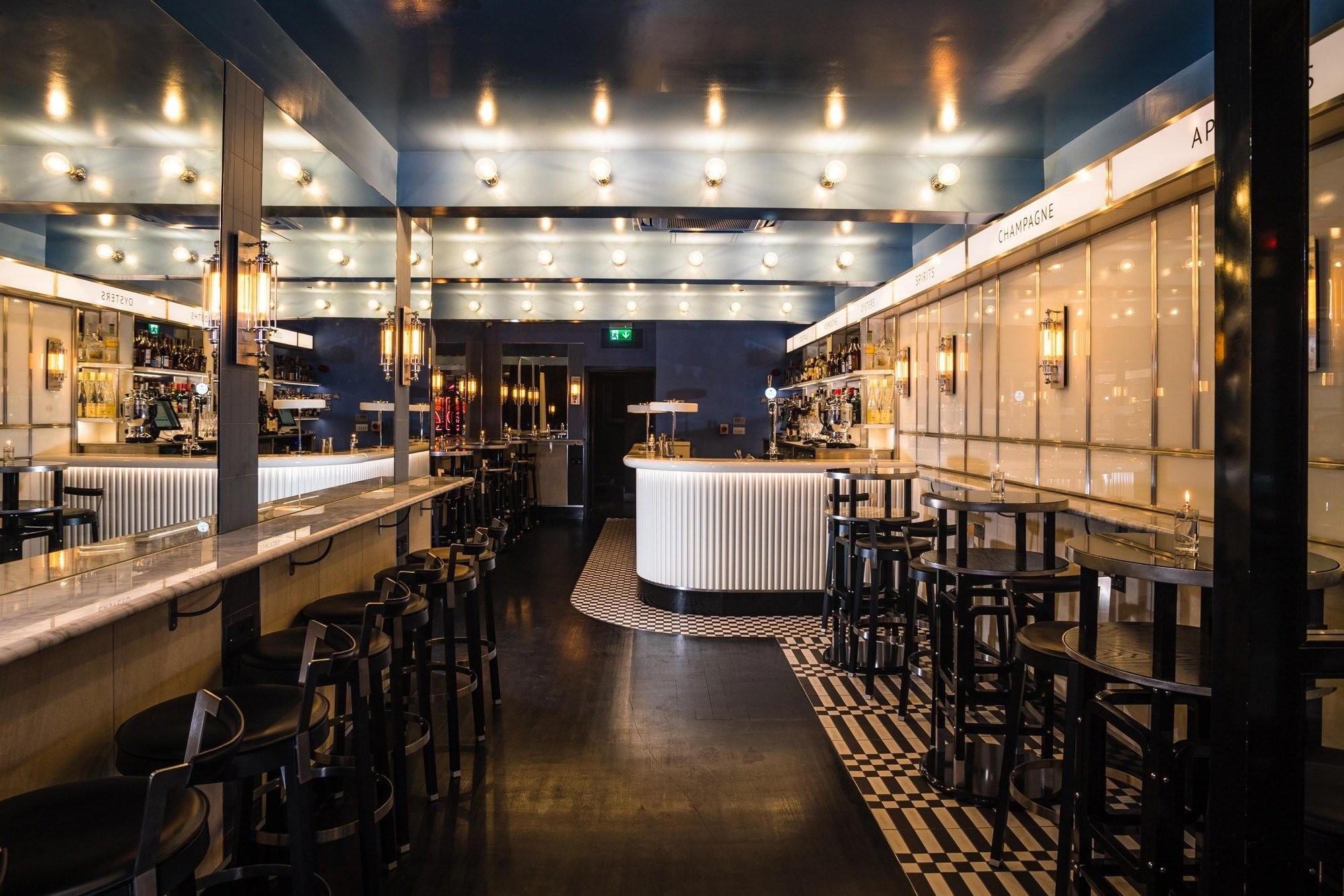
Restaurants in London
Browse all →
Hotels in London
Browse all →

At a Glance
- Elegant
- Sophisticated
- Classic
- Intimate
- After Work
- Special Occasion
- Private Event
- Historic Building
- Seated Bar
- Lounge Seating
- Booth Seating
- Private Rooms
- Classic Cocktails
- Craft Cocktails
Current opening hours
- Monday
- 8:30 AM–11:30 PM
- Tuesday
- 8:30 AM–11:30 PM
- Wednesday
- 8:30 AM–1:30 AM
- Thursday
- 8:30 AM–1:30 AM
- Friday
- 8:30 AM–1:30 AM
- Saturday
- 4 PM–1:30 AM
- Sunday
- Closed
Hours can change for holidays and private events. Last verified .
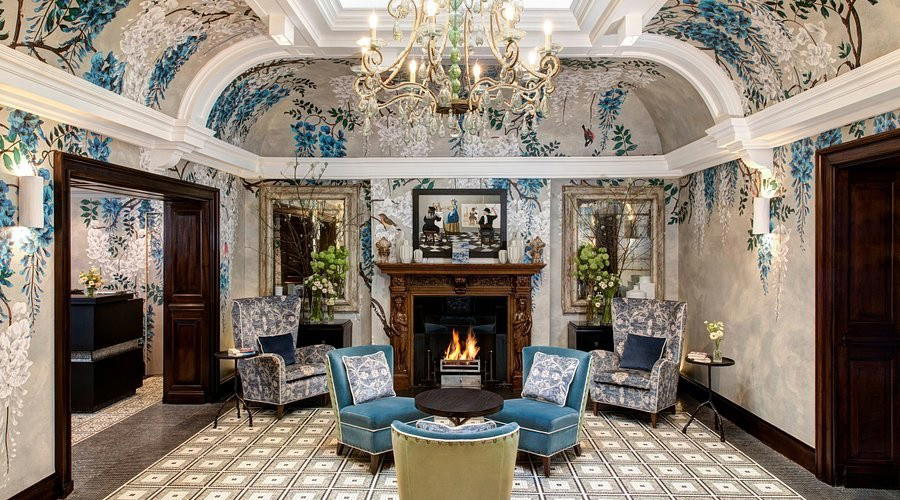
Fresh and imaginative Art Deco oasis blending vintage and classic elements with rich fabrics, contemporary art, and a jazzy pianist creating a stylish, sophisticated atmosphere.