The Grand Delancey
The Grand Delancey occupies a narrow address on Norfolk Street in Manhattan's Lower East Side, a block that has absorbed successive waves of immigrant culture, nightlife reinvention, and bar-scene ambition. With no published awards or pricing tier, it sits in a neighbourhood where the room itself often carries the argument. Expect the physical space to do considerable editorial work.
- Address
- 81 Norfolk St, New York, NY 10002
- Phone
- +1 302 751 0002
- Directions
- Get directions
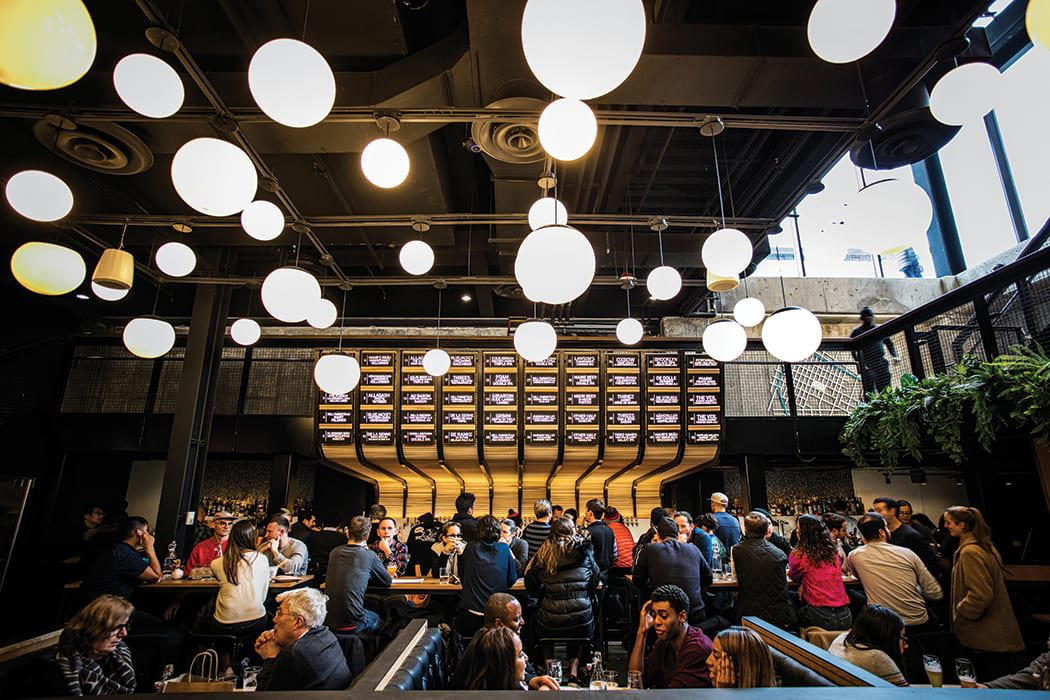
A Street That Does the Heavy Lifting
Norfolk Street in the Lower East Side has a particular kind of architectural memory. The buildings are narrow and deep, with pressed-tin ceilings, exposed brick, and floor plans shaped by a century of tenement logic rather than hospitality design. That physical inheritance is not incidental to the bar scene here, it is the scene. The Grand Delancey, at 81 Norfolk St, is a bar in New York City's Lower East Side.
This matters for how you read a venue on this block. In the Lower East Side, design decisions are never made in a vacuum. Every choice, whether to preserve original architectural detail, introduce industrial contrast, or lean into a particular era of the neighbourhood's social history, reads against what surrounds it. Bars that get this right feel like they belong to the street. Bars that get it wrong feel like they could be anywhere.
How the Room Reads
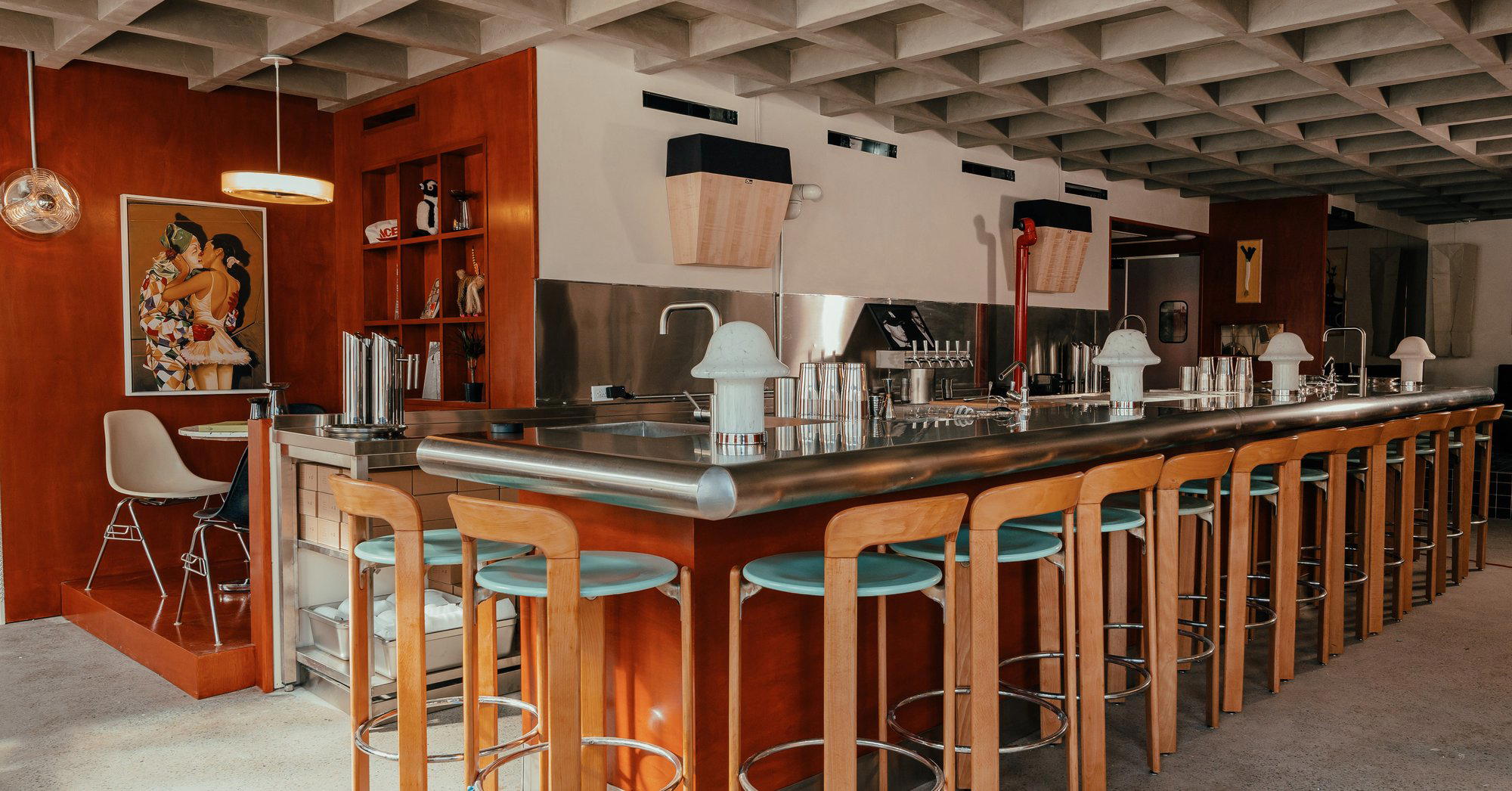
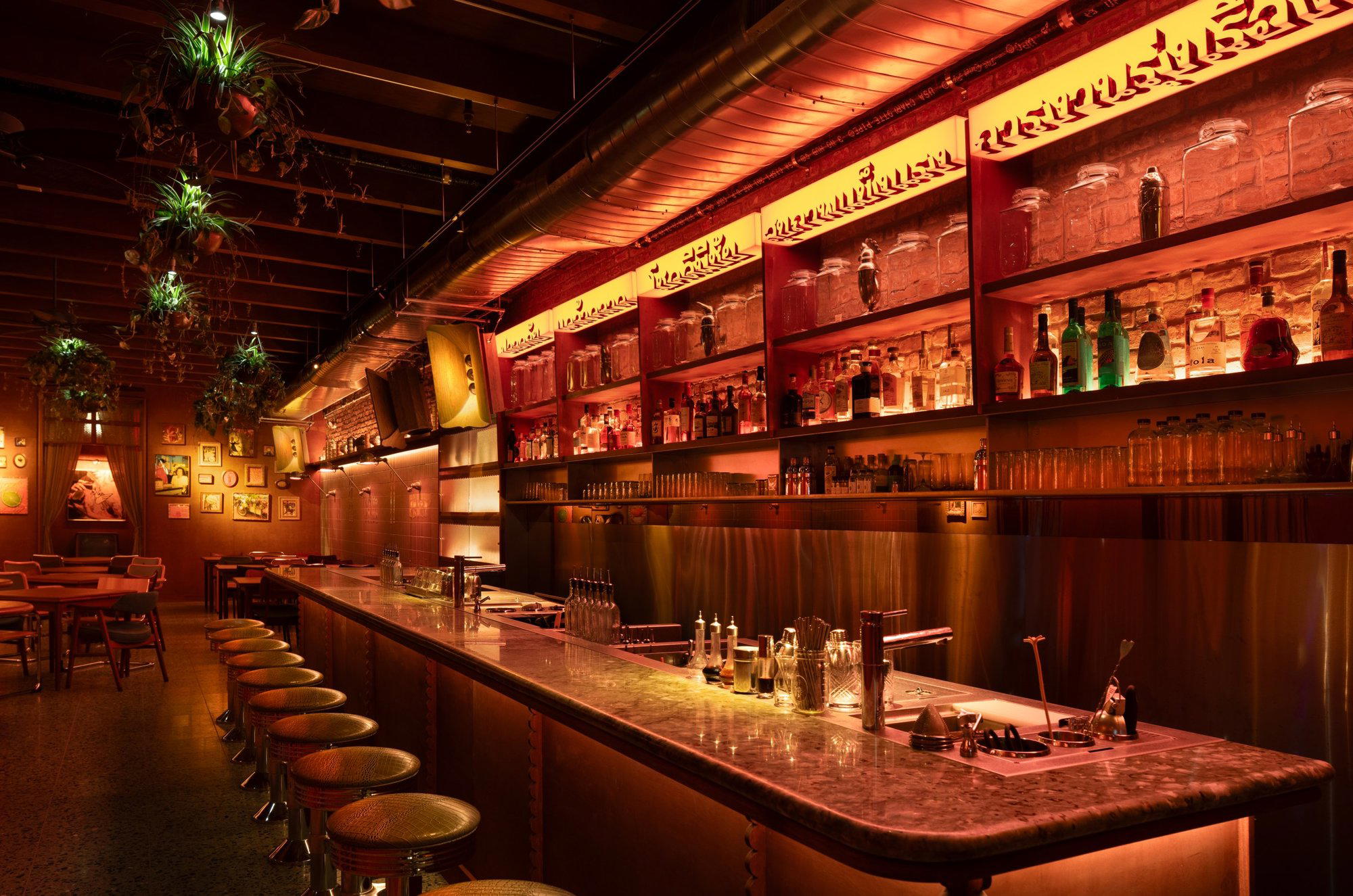
The editorial angle here is spatial. In New York's current bar conversation, the interior is no longer just backdrop, it is argument. The shift from the dark, low-ceilinged speakeasy model that defined downtown drinking a decade ago toward more architecturally considered, visually legible spaces has been one of the cleaner narrative threads running through the city's bar evolution. Whether The Grand Delancey positions itself in the heritage-preservation corner or makes a more deliberate contemporary intervention is precisely the question a first visit would settle.
What the address implies is a long, relatively narrow floor plan typical of Lower East Side commercial ground floors, the kind of space where the bar itself becomes a spine, seating runs along one wall, and depth creates a natural gradient from street-facing energy to something quieter at the back. That spatial logic, when executed with discipline, produces rooms where the front functions as a walk-in proposition and the rear operates closer to a reservation-worthy destination. The leading examples of this format in New York, and there are several, use the architecture to do programme work that a single-room concept cannot.
For context on what thoughtful bar design achieves at peer level, Kumiko in Chicago is instructive: a room where the physical environment and the drinks programme are in direct dialogue, and where spatial restraint amplifies the precision of what arrives in the glass. Allegory in Washington, D.C. operates in a similar register, where the interior is conceptually integrated with the menu rather than decoratively applied to it. These are the benchmarks against which serious design-led bar spaces in American cities now get measured.
The Lower East Side's Competitive Field
The neighbourhood surrounding The Grand Delancey has always been dense with options, and the current moment is no exception. Attaboy NYC operates on Eldridge Street, a short walk north, with a no-menu, bespoke-cocktail format that has made it a reference point for the city's technically focused bar culture. Amor y Amargo, on East 6th Street, has built a sustained reputation around amaro-focused programmes that reward repeat visits in ways that novelty-driven menus rarely do. Both venues demonstrate that the Lower East Side's bar identity has matured well past its dive-bar origins into something with genuine programmatic ambition.
Superbueno, a few blocks west, brings Latin-inflected cocktail energy that reads differently again, looser, more visually expressive, less austere than the Attaboy model. Taken together, these venues define a corridor where the competition is real and where format, physical space, and programme depth all get evaluated simultaneously by the same drinking audience.
Nationally, the comparison set for a venue that takes design and space seriously as primary arguments includes Bar Leather Apron in Honolulu, Jewel of the South in New Orleans, Julep in Houston, and ABV in San Francisco, bars where the physical environment is not decorative but structural to the experience. The Parlour in Frankfurt on the Main extends that reference set internationally. These venues share a quality of spatial intentionality: they make you aware, without announcing it, that someone thought carefully about where you are sitting and why.
Angel's Share, in the East Village, remains the canonical New York example of a bar where the physical format, a single concealed entrance, a strict no-standing policy, intimate seating, is inseparable from the programme. It is a useful reminder that spatial discipline and beverage discipline tend to travel together.
What to Expect When You Visit
The bar is a casual, walk-in-friendly bar with a price tier of 2, or about $25 per person. The neighbourhood has a history of venues that accumulate neighbourhood loyalty before attracting formal recognition, and 81 Norfolk St sits in a block pattern consistent with that kind of gradual, word-of-mouth reputation building.
For a broader map of what New York's bar and restaurant scene looks like at every price point and neighbourhood, our full New York City restaurants guide provides the context that a single-venue visit rarely supplies on its own. The Lower East Side section, in particular, is worth reading before committing to an evening in this corridor, the density of strong options means that sequencing your night well matters as much as any individual venue decision.
Planning a Visit
The address is 81 Norfolk St, New York, NY 10002. Without published hours, a booking method, or contact details on record, verifying current operating times directly before visiting is the practical advice here. In a neighbourhood where programming can shift seasonally and where some spaces operate on limited-night schedules, arriving without confirmation is a gamble that the block's other options make unnecessary.
Pricing, Compared
Comparable venues nearby, for context on price, style, and recognition.
| Venue | Cuisine | Price | Notes |
|---|---|---|---|
| The Grand DelanceyThis venue — the venue you are viewing | Not listed | $$ | Not listed |
| Via Della Pace | Not listed | $$ | East Village, wine_bar |
| Ding-a-ling | Not listed | $$ | East Village, cocktail_bar |
| Marlton Espresso Bar | Greenwich Village, lounge | $$ | Not listed |
| The Randolph | Not listed | $$ | Downtown Brooklyn-DUMBO-Boerum Hill, beer_bar |
| Ear Inn | Not listed | $$ | SoHo-Little Italy-Hudson Square, dive_bar |
Continue exploring
More in New York City
Bars in New York City
Browse all →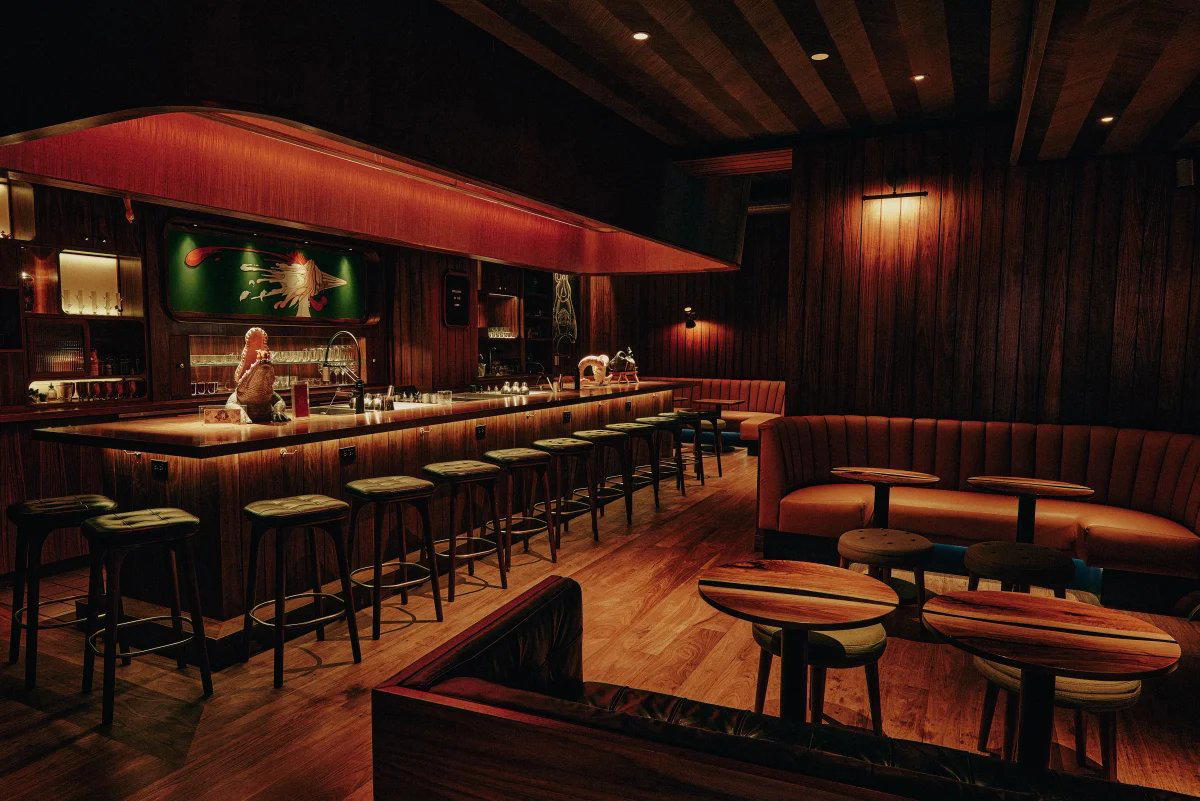
Restaurants in New York City
Browse all →
Hotels in New York City
Browse all →

Wineries in New York City
Browse all →


At a Glance
- Lively
- Trendy
- Energetic
- After Work
- Group Outing
- Casual Hangout
- Standalone
- Standing Room
- Seated Bar
- Communal Tables
- Craft Beer
Casual, welcoming bar environment with a focus on craft beer selection and community gathering space.