Marlton Espresso Bar
A compact espresso bar on West 8th Street in Greenwich Village, Marlton Espresso Bar draws from the neighbourhood's long tradition of independent coffee culture. Positioned in the lower tier of Manhattan's specialty coffee market, it operates with a format that favours simplicity and sourcing integrity over scale — a useful counterpoint to the borough's more theatrical café concepts.
Pearl is the En Primeur Club membership app — saves, bookings, and concierge access live there. Same editors, same standards.
- Address
- 5 W 8th St, New York, NY 10011
- Phone
- +1 212 321 0100
- Website
- marltonhotel.com
- Directions
- Get directions
 Saves & bookings on Pearl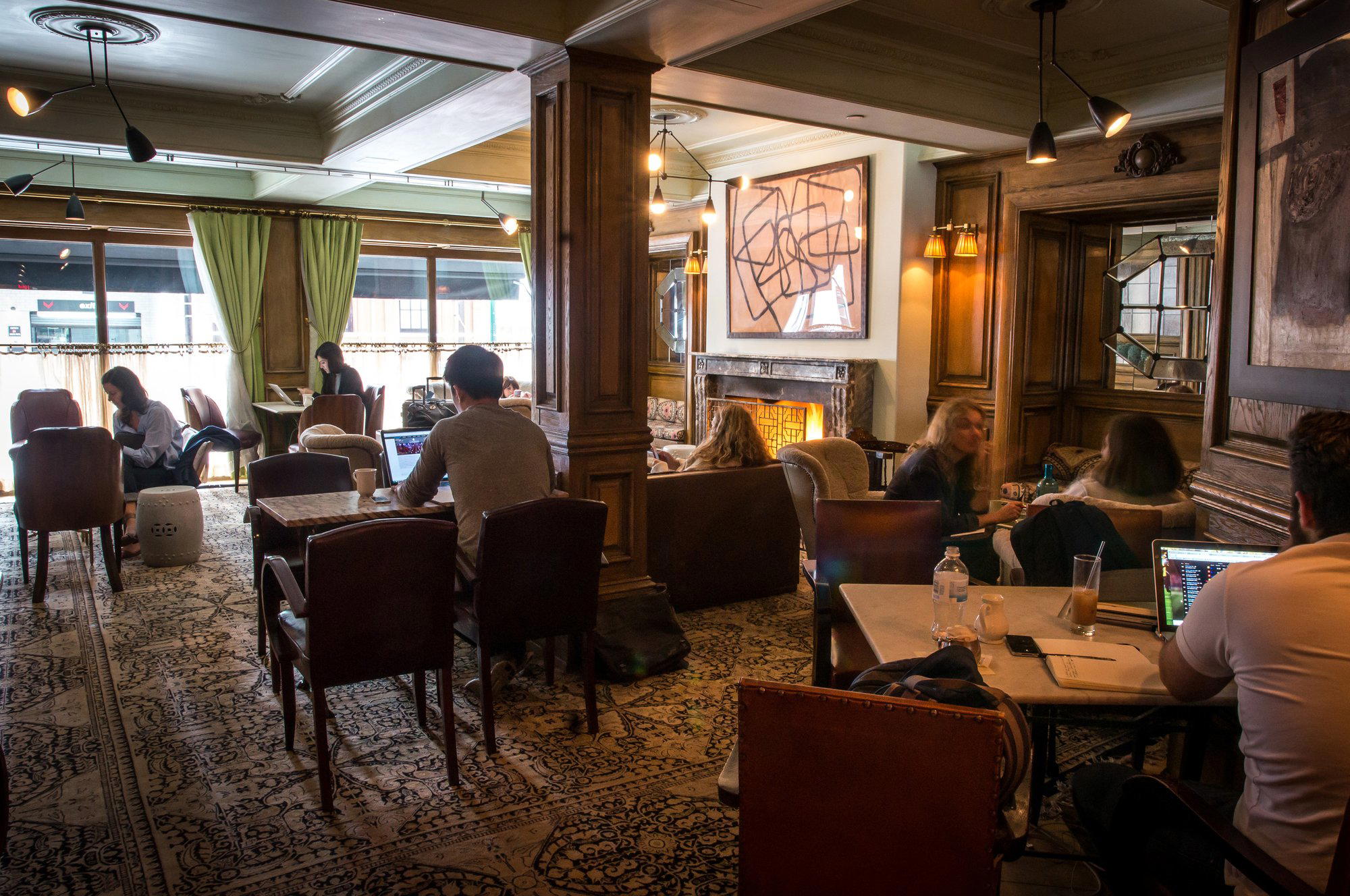
Greenwich Village and the Independent Espresso Bar
Manhattan's coffee scene has fractured along familiar lines: the branded, high-volume chains on one end; the single-origin, credential-heavy specialty operators on the other; and, in between, a shrinking middle of neighbourhood bars that trade on consistency, location, and a certain refusal to perform. Greenwich Village has historically supported all three tiers, but the blocks around West 8th Street have shown a particular appetite for the third kind. Marlton Espresso Bar, at 5 W 8th St, sits in that context — a small-format operation in a neighbourhood that has been producing literary cafés, independent record shops, and counter-culture gathering points since the postwar decades.
The Village's café tradition predates the specialty coffee wave by generations. The neighbourhood's espresso bars of the 1950s and 1960s were not primarily about the coffee; they were about the room, the hour, the conversation. What the current independent espresso format does differently is fold sourcing consciousness into that older model of community space — treating the supply chain as part of the offer, not an afterthought.
The Sustainability Frame in Specialty Coffee
Across New York's independent coffee tier, sustainability has moved from marketing language to operational baseline. The more credible operators in the specialty segment now work with direct-trade or relationship-based importers, compost spent grounds, use reusable packaging programmes, and make sourcing transparency a front-of-counter conversation rather than a back-label footnote. This mirrors a wider shift in the city's food and drink culture: the same ethical sourcing logic that reshaped the farm-to-table restaurant movement in the 2010s has now filtered down to the counter-service coffee bar.
In Greenwich Village specifically, this tendency is reinforced by the neighbourhood's own identity. The Village has a long civic memory around independent business, ethical consumption, and resistance to the homogenisation that has overtaken other Manhattan neighbourhoods. The espresso bars that operate here without major brand backing are, almost by definition, operating inside that tradition, whether consciously or not. Marlton Espresso Bar's West 8th Street address places it inside a corridor that has historically supported exactly this kind of small, principled operator.
For visitors trying to read the quality signals in a city where coffee options multiply faster than any guide can track, the useful heuristics are: format size (smaller tends to mean more curated sourcing), neighbourhood context (the Village's independent culture acts as a self-selecting filter), and operational focus (bars that do less tend to do it with more attention). None of these are guarantees, but they are the structural variables that separate the serious independents from the aesthetic-only operators.
New York's drinks culture more broadly has been through a decade of consolidation around programme depth. The cocktail bars that attract sustained critical attention, Amor y Amargo, with its bitters-forward specificity in the East Village, or Attaboy NYC in the Lower East Side with its guest-led format, have built reputations on a clear editorial point of view. Angel's Share, the long-running Japanese-influenced bar in the East Village, offers a different model: longevity and consistent craft as the signal. Superbueno in the East Village demonstrates how a specific regional lens can anchor a programme and separate it from the crowd.
The espresso bar operates in a different register than these cocktail programmes, but the underlying logic is comparable: a clear format, a defined sourcing or service philosophy, and a resistance to scope creep. The independents that last in Manhattan tend to be those that resist the temptation to expand their offer into something they cannot sustain at quality. That discipline is more common in the Village than in neighbourhoods where real estate pressure pushes operators toward volume.
Beyond New York, the same pattern holds in cities where serious independent coffee and bar culture has taken root. Kumiko in Chicago and ABV in San Francisco both demonstrate how a focused programme, built around sourcing integrity and format discipline, sustains long-term recognition without scaling into something generic. Bar Leather Apron in Honolulu, Jewel of the South in New Orleans, Julep in Houston, and Allegory in Washington, D.C. each occupy analogous positions in their respective cities, smaller operators defined by a clear point of view rather than scale. Internationally, The Parlour in Frankfurt on the Main shows that this format discipline translates across markets.
The West 8th Street Address
Location in Manhattan is never neutral. West 8th Street sits at the southern edge of Greenwich Village, a block from Washington Square Park, which has functioned as the neighbourhood's social commons since the 19th century. The park's north side anchors NYU; its surrounding blocks draw a mix of students, long-term Village residents, and the kind of visitor who navigates by independent bookshop rather than hotel concierge recommendation. This is a useful filter for understanding who an espresso bar on this block is actually serving.
The proximity to Washington Square also means the immediate area has above-average foot traffic by Village standards, without the tourist density of, say, the Bleecker Street stretch further west. For a small-format operator, that balance is commercially useful: enough passing trade to sustain a counter-service model, with a neighbourhood identity strong enough to support regulars. The blocks around West 8th have seen independent operators come and go over the past two decades, but the ones that anchor themselves to the neighbourhood's culture rather than simply occupying its geography tend to last longer.
Planning Your Visit
For a broader orientation to the city's food and drink scene, see our full New York City restaurants guide.
Address: 5 W 8th St, New York, NY 10011. Neighbourhood: Greenwich Village, at the southern edge, one block north of Washington Square Park. Getting there: The A, C, E, B, D, F, and M lines all stop at West 4th Street/Washington Square, making this one of the better-connected blocks in the Village. Reservations: Counter-service espresso bars of this format typically do not take reservations. Walk-in only. Budget: Specialty espresso bars in Manhattan's independent tier typically price in the $4–$7 range for espresso-based drinks, though this is category context rather than confirmed venue pricing. What to wear: No dress code applies at this format and price tier.
Continue exploring
More in New York City
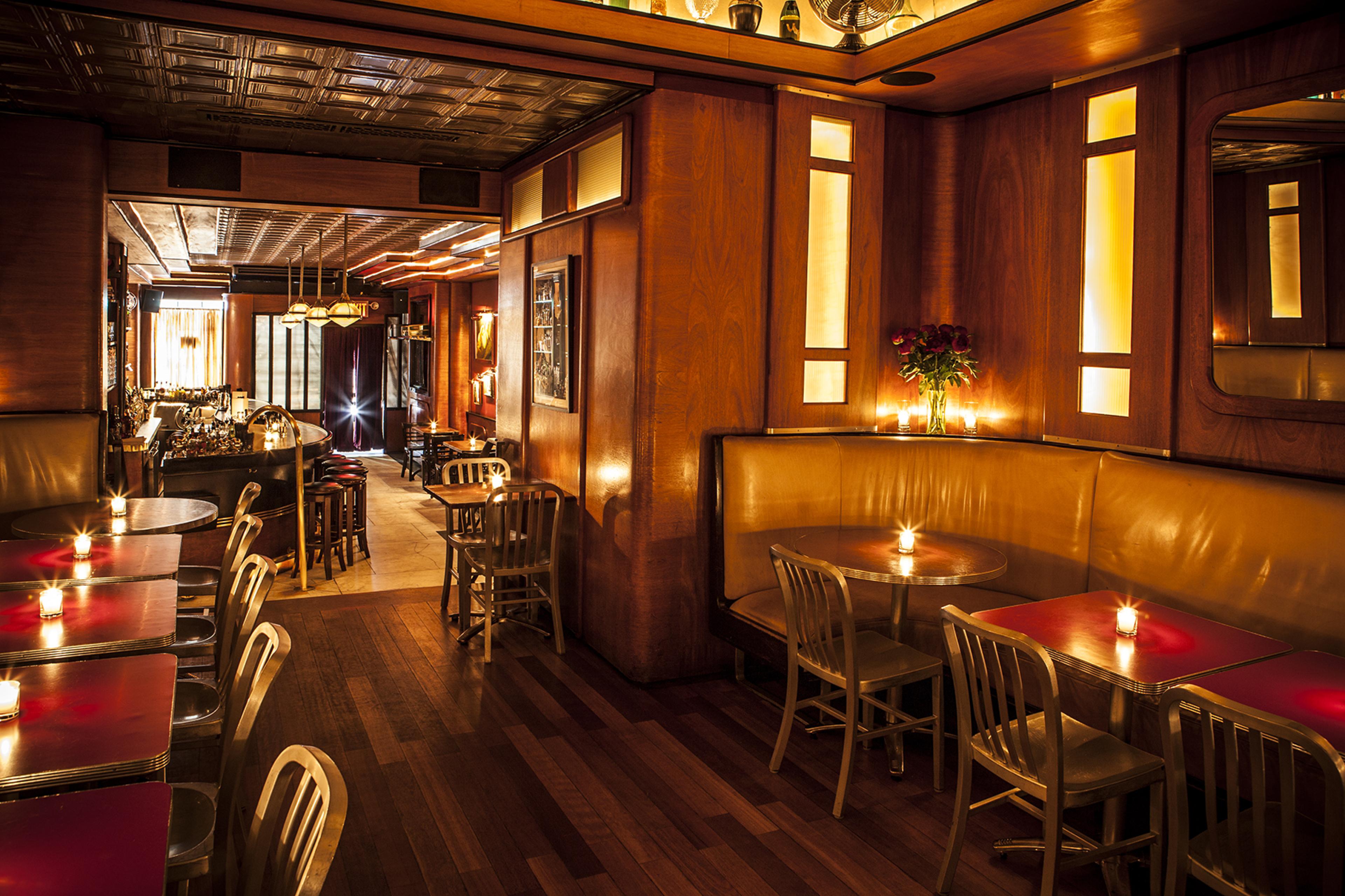
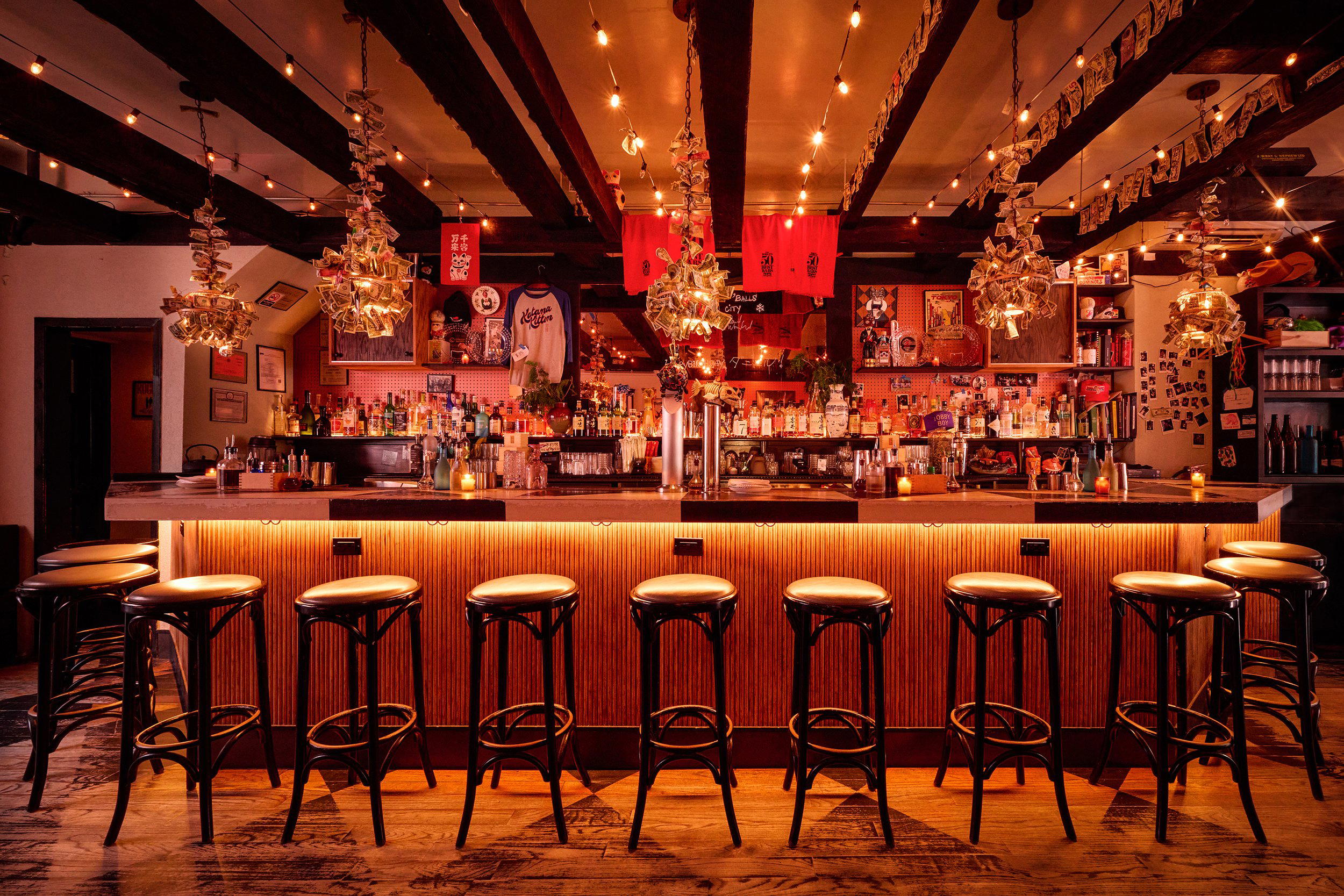
Bars in New York City
Browse all →
Restaurants in New York City
Browse all →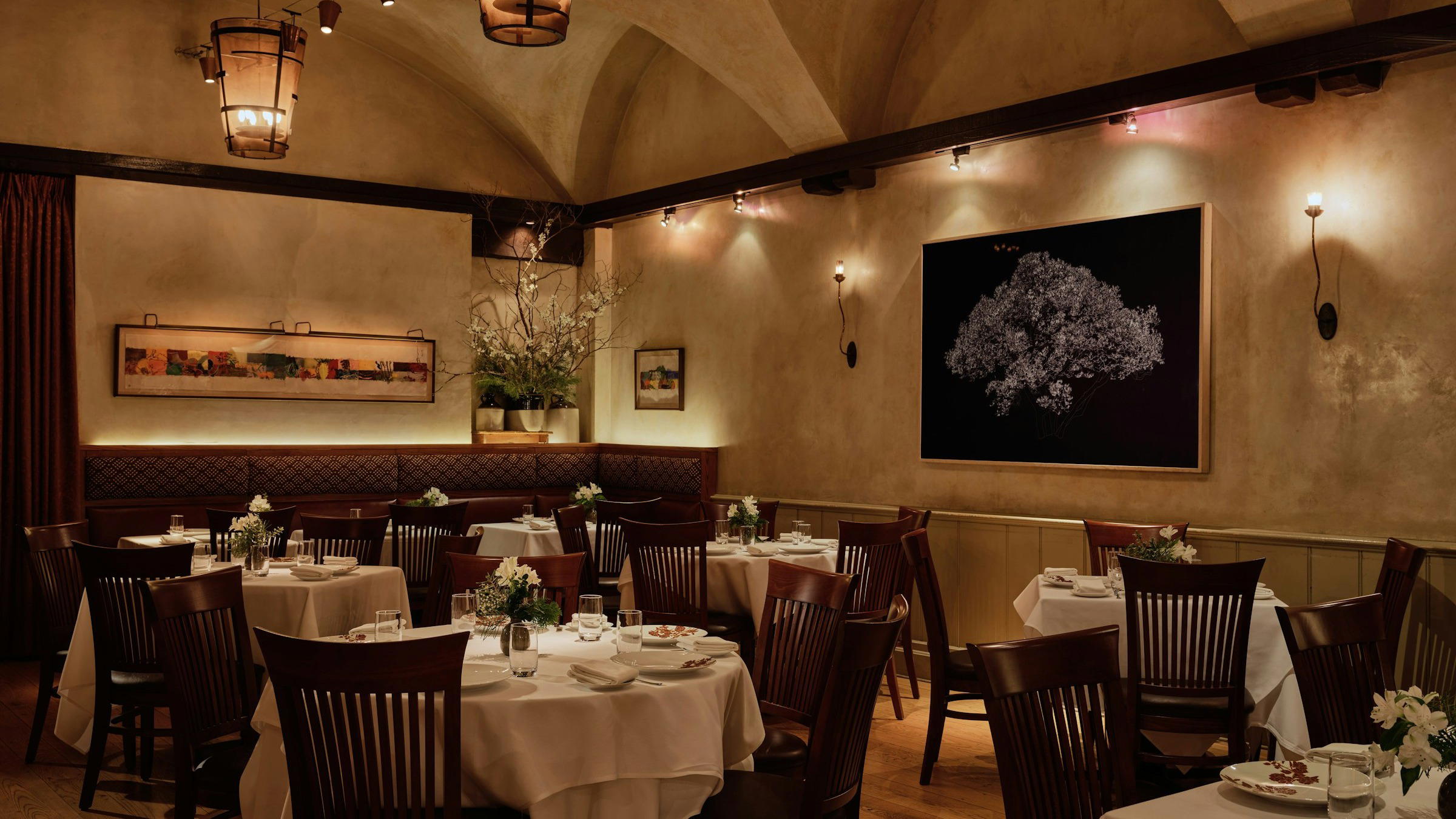
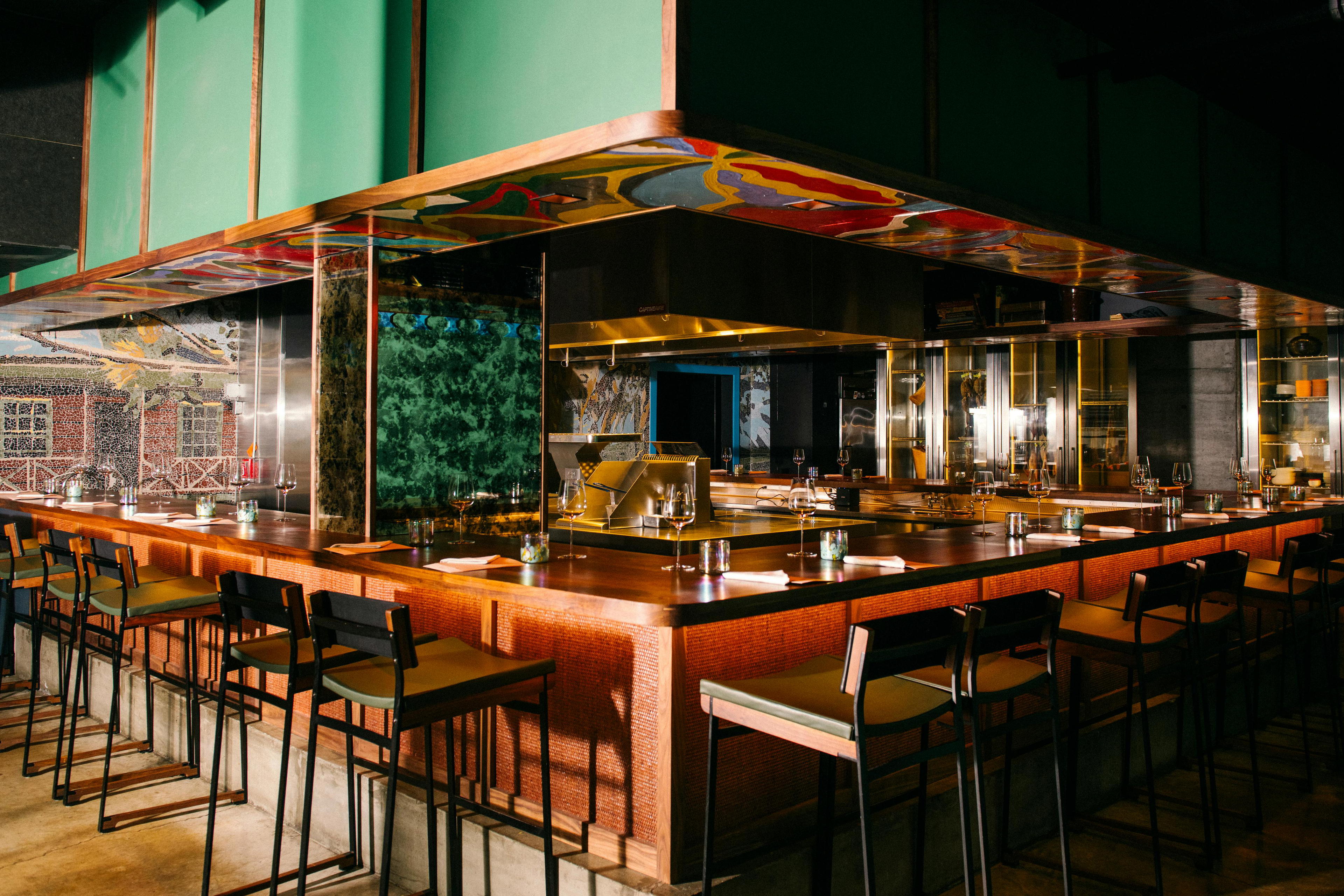
Hotels in New York City
Browse all →




At a Glance
- Cozy
- Elegant
- Intimate
- Casual Hangout
- Solo
- Historic Building
- Hotel Bar
- Lounge Seating
- Communal Tables
- Zero Proof
Current opening hours
- Monday
- 7 AM–11 PM
- Tuesday
- 7 AM–11 PM
- Wednesday
- 7 AM–11 PM
- Thursday
- 7 AM–11 PM
- Friday
- 7 AM–11 PM
- Saturday
- 7 AM–11 PM
- Sunday
- 7 AM–11 PM
Hours can change for holidays and private events. Last verified .
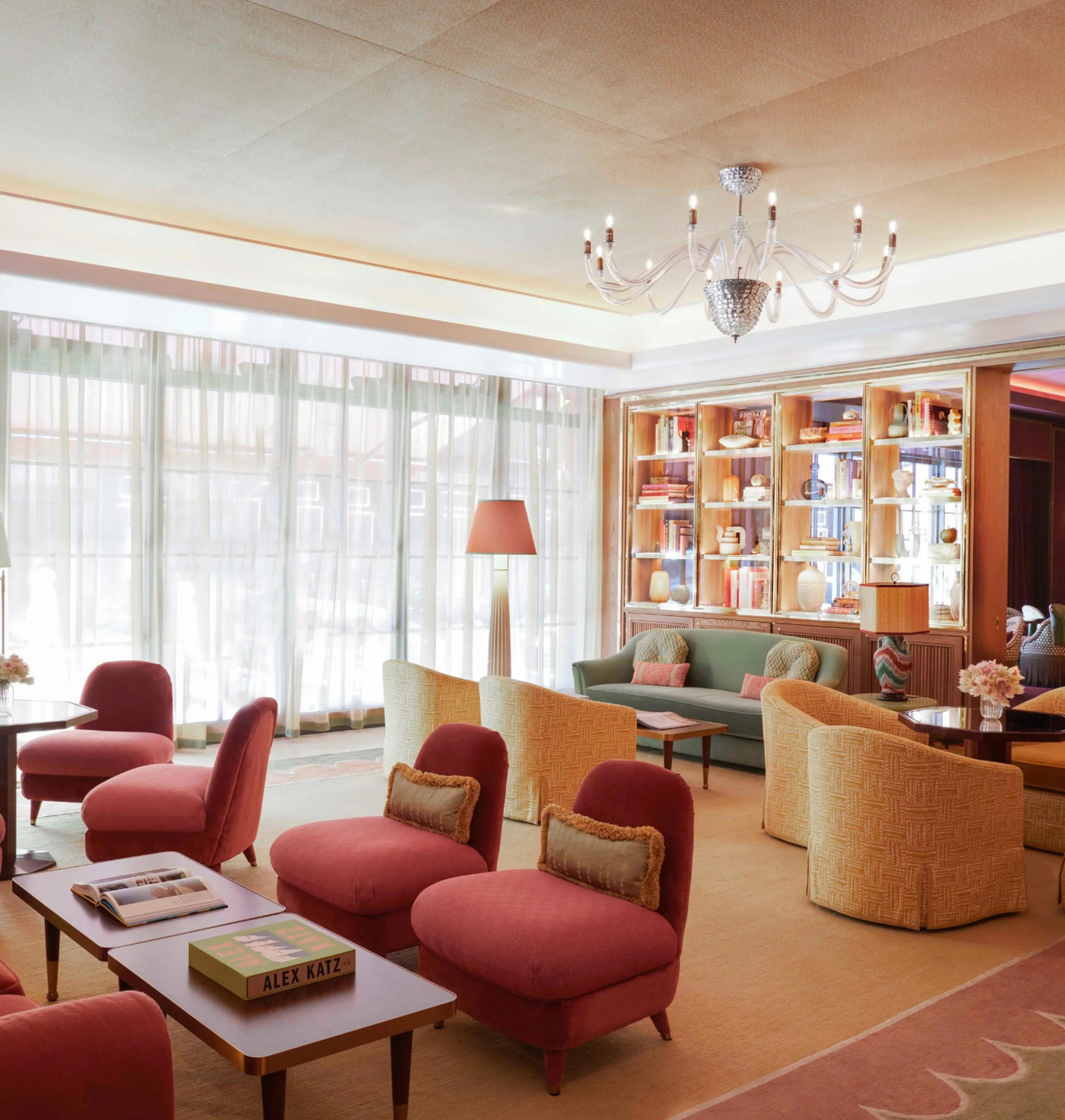
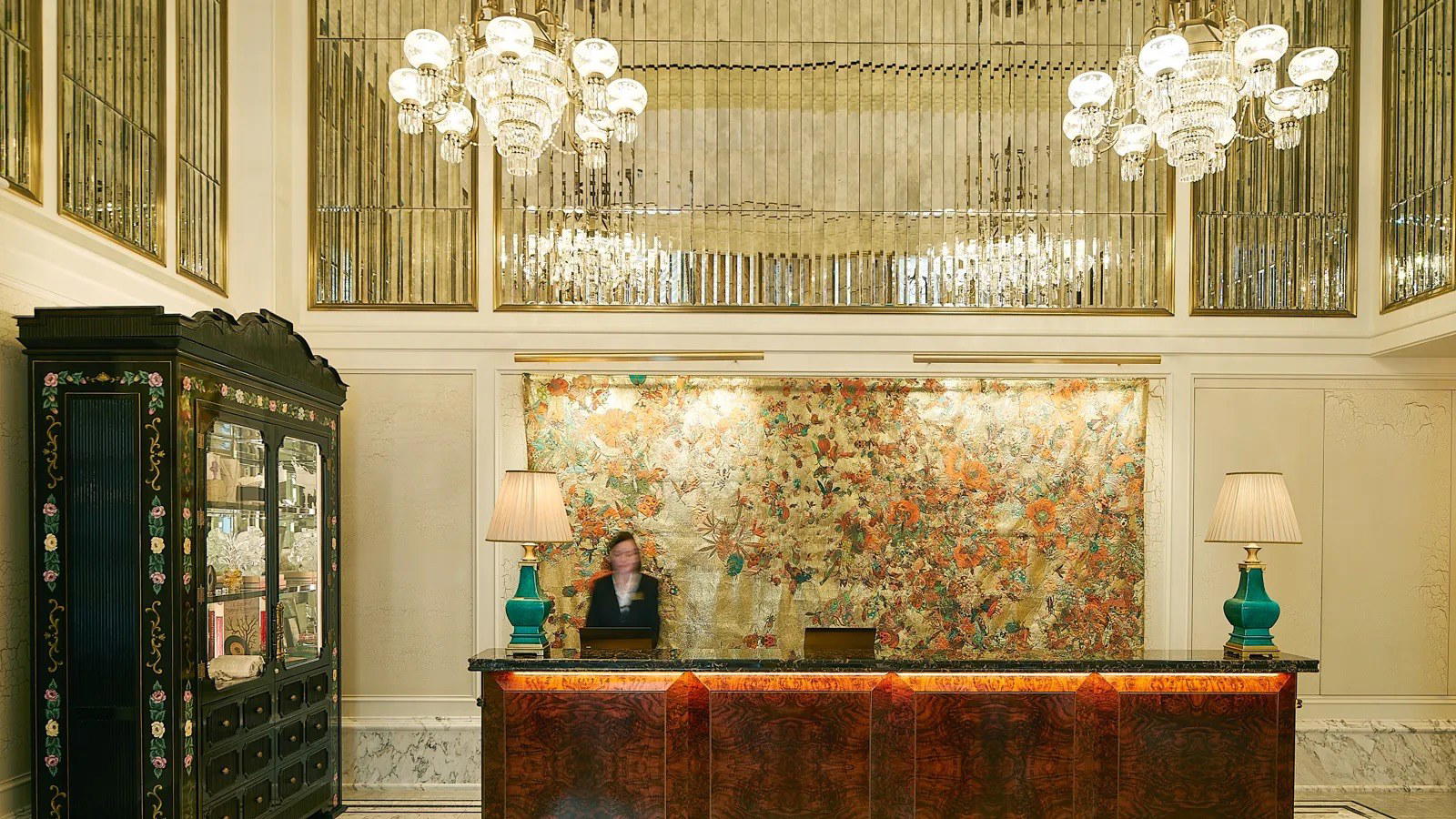
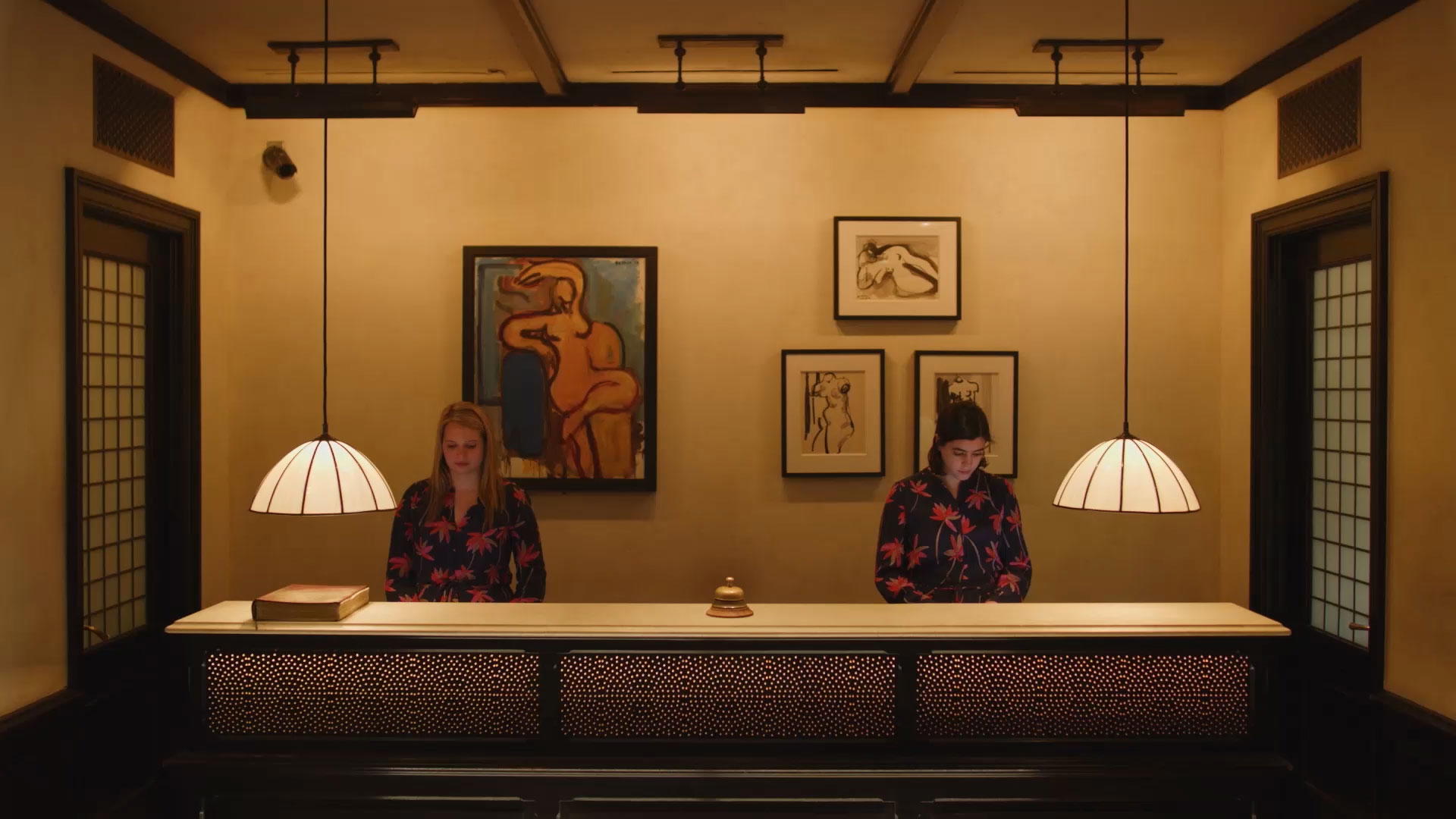
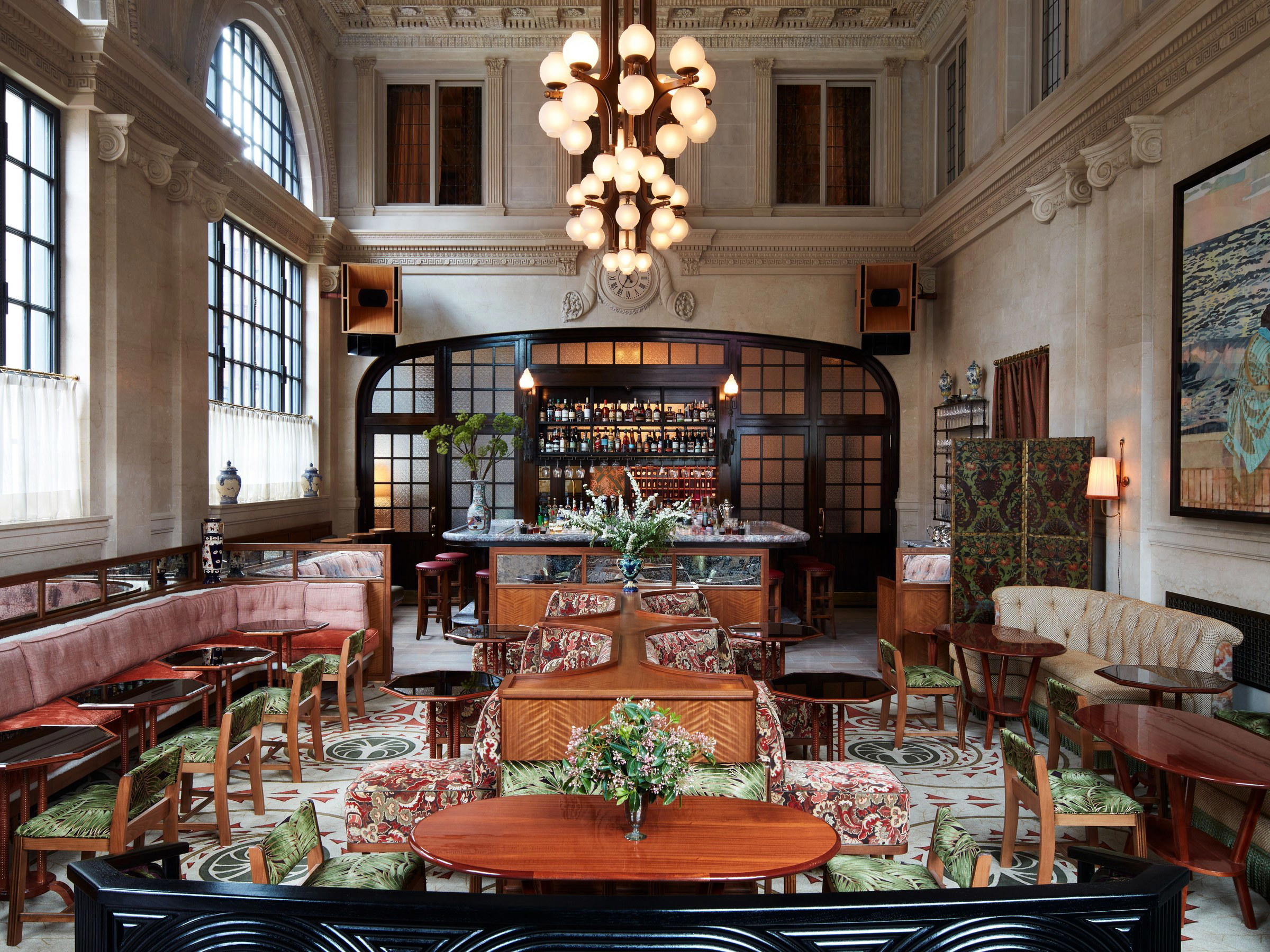
Warm, wood-paneled lobby setting with a huge fireplace, modern yet classically elegant atmosphere, cozy and comfortable.
Know Before You Go
- Getting there
- 5 W 8th St, New York, NY 10011