Ear Inn
One of Lower Manhattan's oldest continuously operated drinking establishments, the Ear Inn at 326 Spring St has held its ground in SoHo since the early 19th century. The bar trades in no-frills pints, unpretentious conversation, and a physical space that resists renovation as a matter of principle. It sits outside the cocktail-program arms race entirely, which is precisely what makes it worth understanding before you go.
Pearl is the En Primeur Club membership app — saves, bookings, and concierge access live there. Same editors, same standards.
- Address
- 326 Spring St, New York, NY 10013
- Phone
- +1 212 226 9060
- Website
- theearinn.com
- Directions
- Get directions
 Saves & bookings on Pearl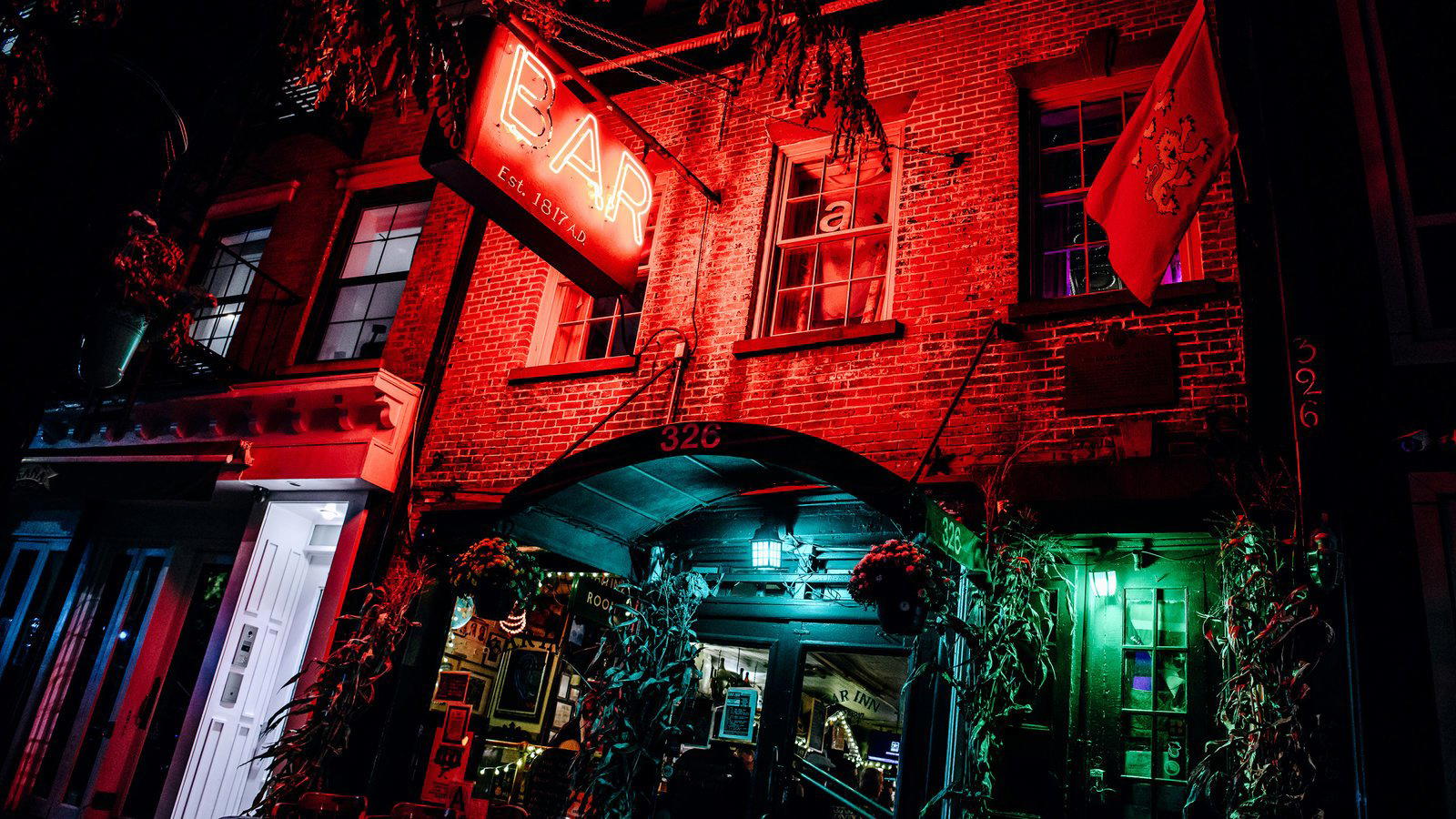
What Walks Into the Ear Inn
Spring Street in SoHo runs toward the Hudson River, and somewhere before the water, the neighbourhood stops performing. The Ear Inn at 326 Spring St occupies a Federal-style rowhouse that dates to around 1817, a building that has housed dockworkers, sailors, and, later, writers and artists who needed somewhere cheap enough to stay for a third round. The exterior has not been refreshed for effect. The sign, the facade, the worn threshold: none of it has been curated for Instagram. That is not a small distinction in a city where even dive bars now consult branding agencies.
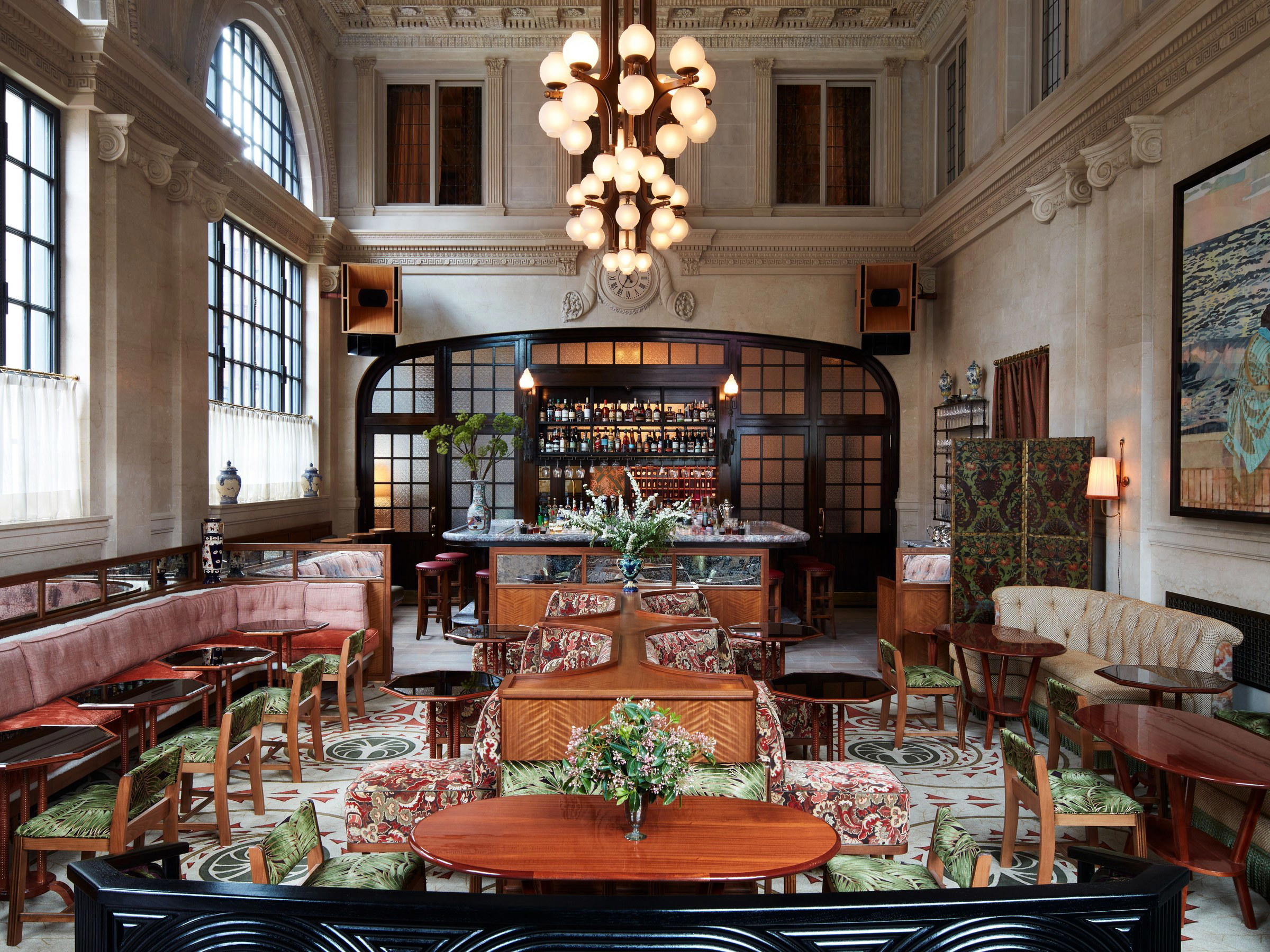
Walking in, you are not being greeted by a program. There is no cocktail menu printed on heavy stock, no seasonal beverage director's note tucked behind the taps. The room is narrow, dark, and old in the way that American bars almost never manage to be old anymore: not preserved, not restored, simply continuous. Photographs accumulate on the walls without a gallery-hang logic. Regulars occupy the same stools they occupied last Tuesday. The bar itself is wood worn to a particular shade that takes decades to produce.
The Booking Experience (or the Absence of One)
New York's bar scene has bifurcated sharply between venues that require advance planning and those that do not. On one side sit operations like Angel's Share, where a queue can form before the door opens, and places like Attaboy NYC, which operates a no-reservations walk-in model but can run an hours-long wait on weekends. On the other side sits the Ear Inn, which requires no reservation, no app, no waitlist, and no strategy beyond showing up at 326 Spring St and walking through the door.
That simplicity carries its own logistical texture. The bar is small. On weekend evenings it fills, and the crowd spills toward the back room. Coming midweek, or arriving before 7pm, will generally secure a seat at the bar without negotiation. The crowd thins on weekday afternoons, when the room reverts to something closer to its neighbourhood-local character. No phone number is reliably published for advance inquiries, and there is no booking system to consult. The Ear Inn operates on a pre-digital social contract: if you want a seat, come and see.
This positions it in a specific tier of New York drinking that is increasingly rare. Bars at the technical end of the city's spectrum, from the mezcal-forward list at Superbueno to the bitters-intensive program at Amor y Amargo, demand a certain degree of engagement before you arrive. The Ear Inn demands nothing. That is not a concession; it is the point.
What to Order and What to Expect
The drinks here are not the story in the way they are at bars built around a signature technique or a single category obsession. Draft beer is the correct answer for most of the room on most nights. The pours are competent, the prices reasonable by Manhattan standards, and nobody will make you feel the need to justify a direct order. The bar does serve cocktails, and the Old Fashioned circulates with some frequency among regulars who treat the room as a neighbourhood stop rather than a destination.
What you will not find is the clarified, carbonated, fat-washed register of New York's technical cocktail scene. Bars like Bar Leather Apron in Honolulu or Kumiko in Chicago have built programs around ingredient sourcing and technique depth. The Ear Inn operates in the opposite register, and that opposition is informative: it tells you something about the breadth of what serious drinking culture encompasses, from the methodical to the incidental.
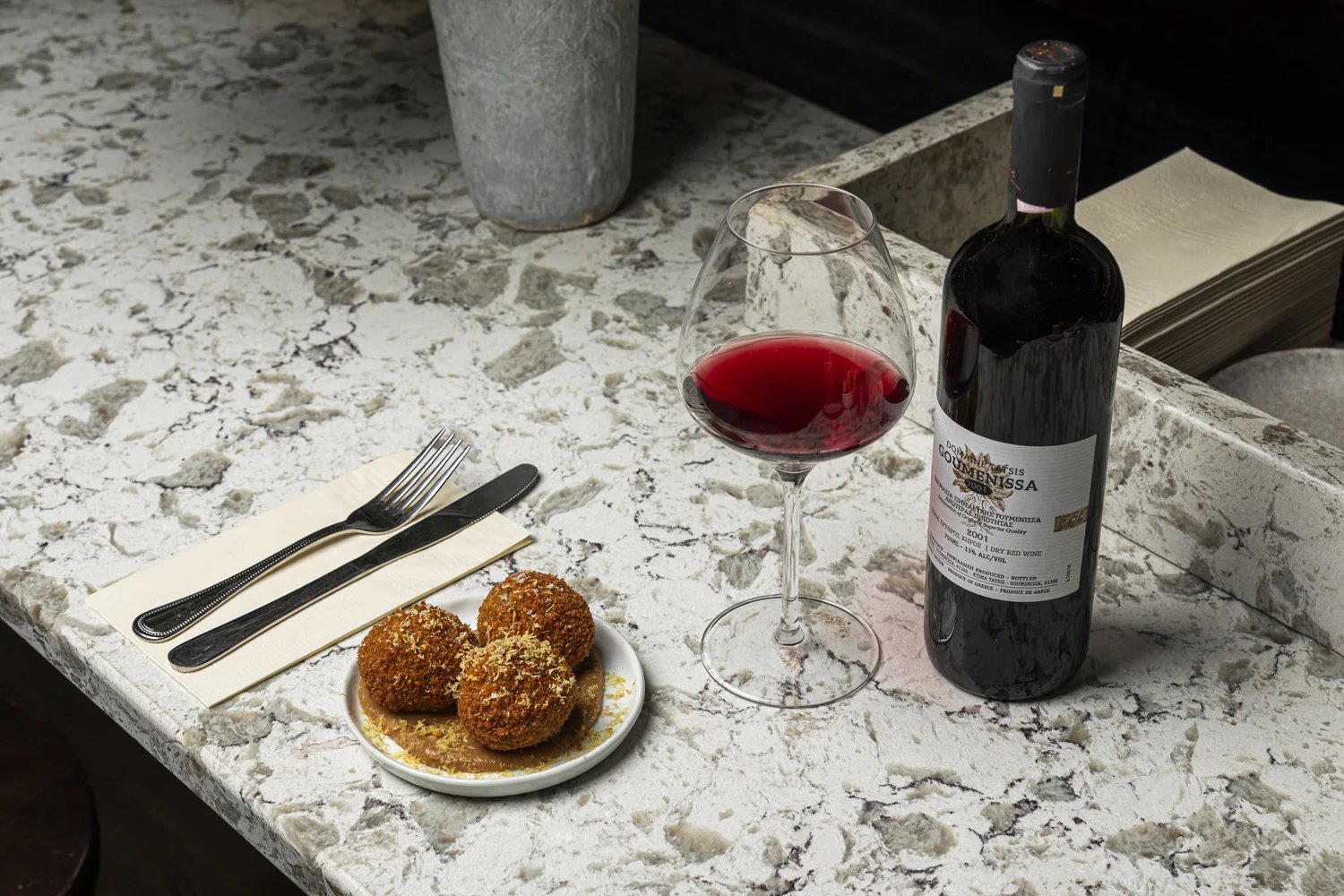
Food is available. The kitchen produces bar food that aligns with the room's no-pretense character: burgers, sandwiches, items that justify a longer stay without redirecting the visit toward dinner. The Ear Inn is not a dining destination, and it does not present itself as one.
Where It Sits in the New York Bar Scene
New York sustains a large enough bar ecology to support nearly every format simultaneously. The city has programme-led rooms with multi-page menus and residency cocktails, and it has century-old taverns that have resisted every wave of modernisation. The Ear Inn belongs to the second category, but it occupies an unusual position within it: the building's historical record is documented, the address is known, and the bar has accumulated a reputation among both locals and visiting drinkers who track old New York as carefully as they track new openings.
For comparison, bars in this category across other American cities, including Jewel of the South in New Orleans, Julep in Houston, and ABV in San Francisco, tend to build their identities around a combination of historical context and deliberate craft. The Ear Inn skews toward the historical end of that axis without the formal cocktail infrastructure. That places it alongside European tavern models more than American craft-bar models: think the unreconstructed pub that has outlasted every trend by simply continuing to operate.
The distinction matters for planning purposes. A visitor building a New York bar itinerary around technical programs and award-recognised lists should also read our full New York City restaurants guide for the broader context. The Ear Inn fits that itinerary as a counterweight, not a headline act, unless historical continuity and no-frills drinking are the specific draw.
Internationally, the no-reservation, atmosphere-driven tavern model recurs in cities that have maintained neighbourhood drinking cultures across economic pressures. The Parlour in Frankfurt on the Main operates in a loosely comparable register, and Allegory in Washington, D.C. represents the other pole: programme-forward, design-conscious, and deliberately appointment-driven.
Planning Your Visit
The Ear Inn requires minimal logistics. There is no reservation to make, no dress code to interpret, and no cocktail briefing required. The address is 326 Spring St in SoHo, close enough to the Hudson to feel removed from the denser retail traffic further east. Weekday evenings offer the most reliable access to bar seating. Weekend nights bring a fuller room, though the bar's size means it rarely becomes the kind of chaotic crowd that defeats the purpose of going.
Expect to pay mid-range Manhattan prices, not dive-bar prices but not cocktail-bar prices either. Cash has traditionally been welcome; current payment policies should be confirmed on arrival. The kitchen runs during bar hours, making a longer stay practical without requiring a separate dinner reservation elsewhere.
Quick reference: Walk-in only, no reservation required. 326 Spring St, SoHo, Manhattan. Weekday evenings recommended for comfortable bar seating.
Recognition, Side-by-Side
A short peer table to compare basics side-by-side.
| Venue | Awards |
|---|---|
| Ear InnThis venue — the venue you are viewing | Not listed |
| The Long Island Bar | World's 50 Best |
| Superbueno | World's 50 Best |
| Amor y Amargo | World's 50 Best |
| Angel's Share | World's 50 Best |
Continue exploring
More in New York City
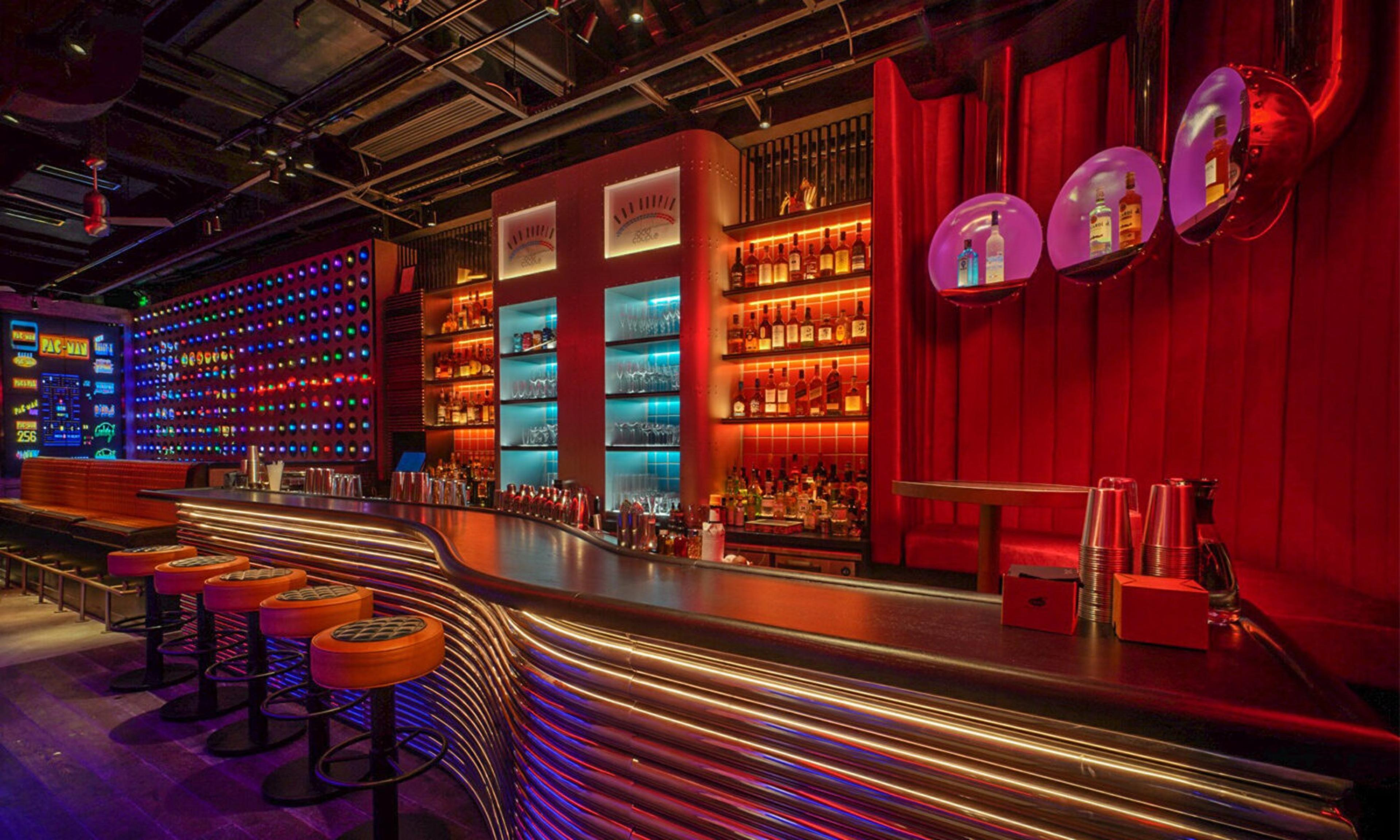
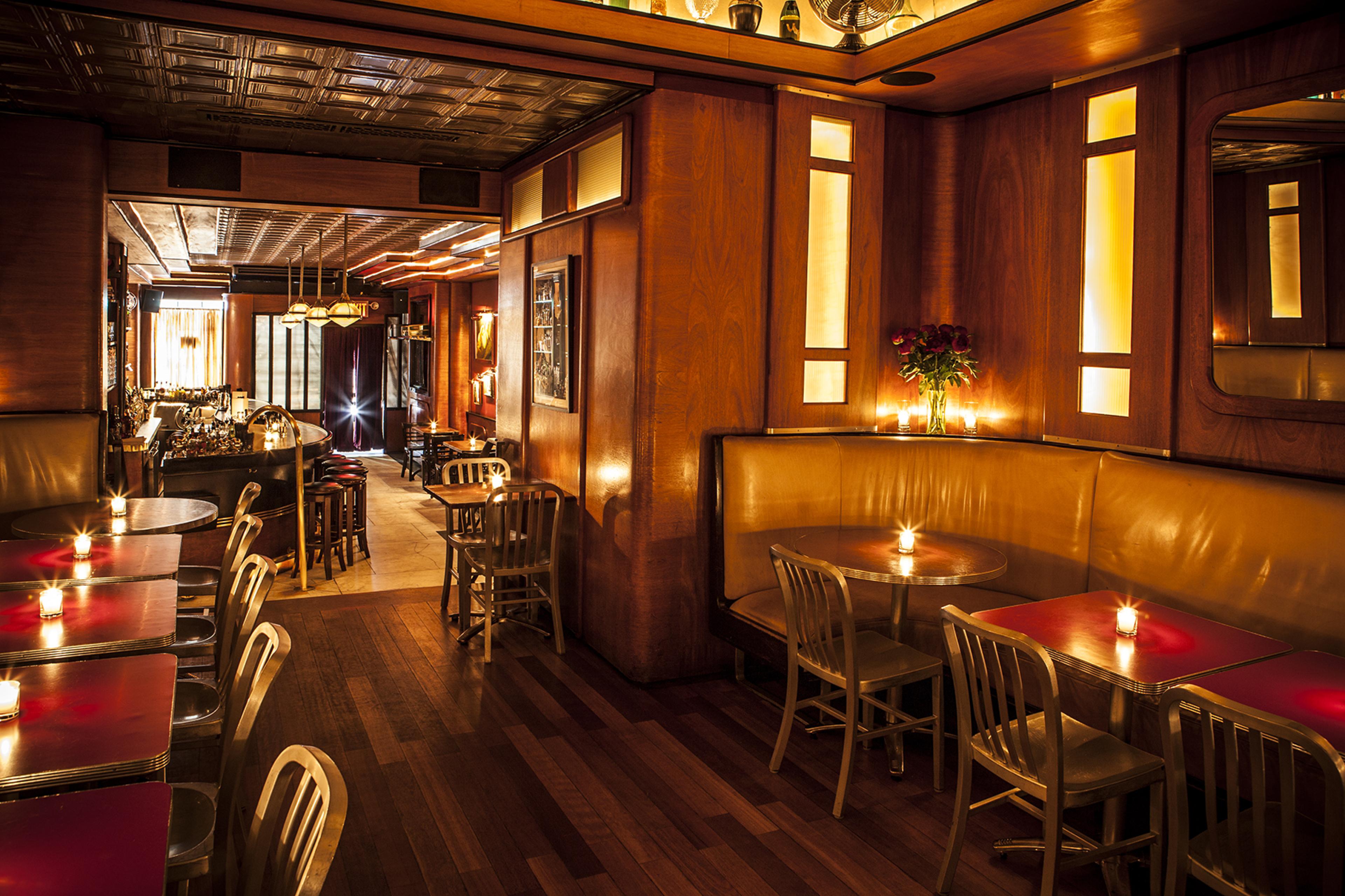
Bars in New York City
Browse all →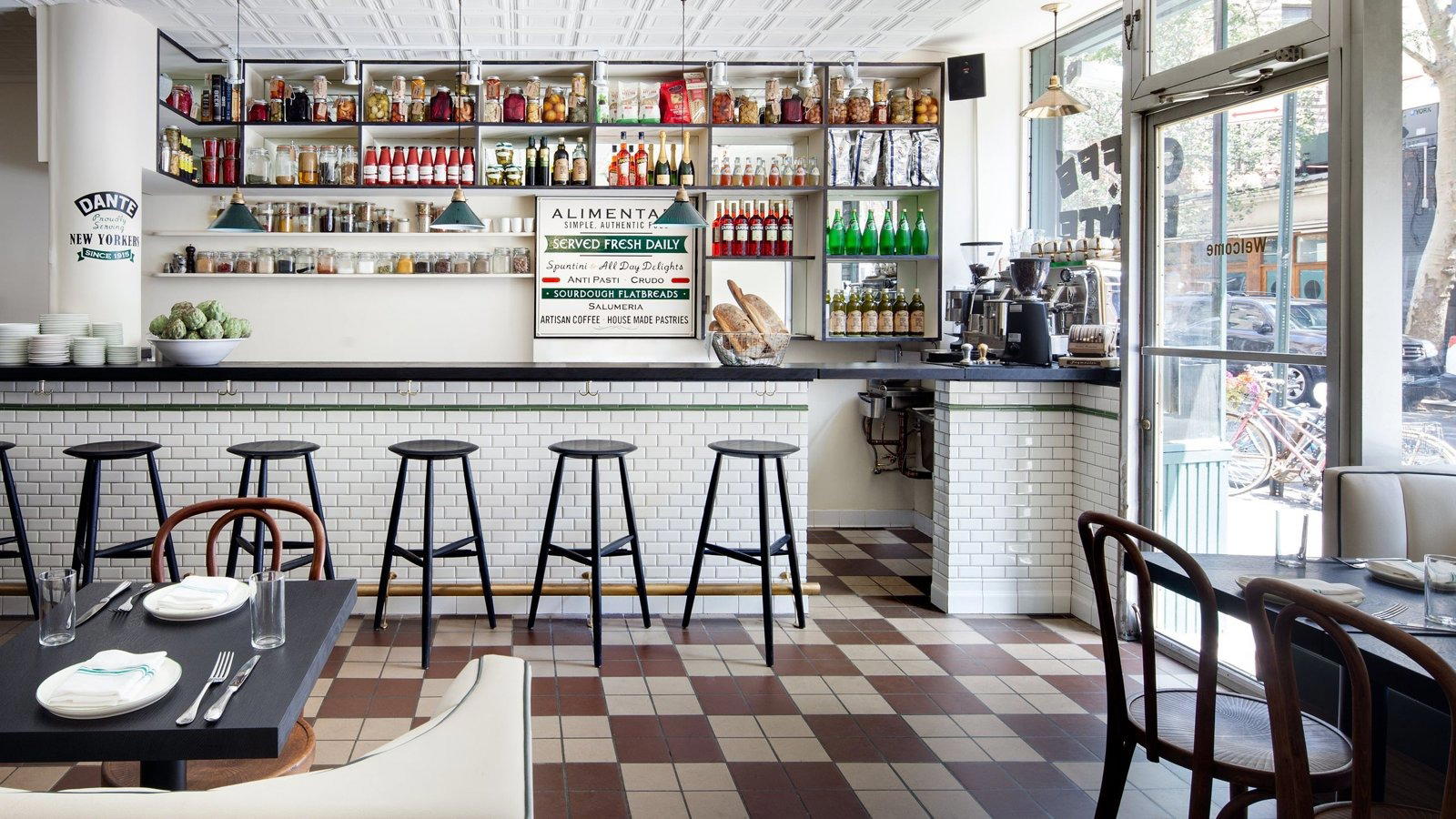
Restaurants in New York City
Browse all →
Hotels in New York City
Browse all →






At a Glance
- Cozy
- Classic
- Well Known
- Historic
- Intimate
- Casual Hangout
- Late Night
- Historic Building
- Live Music
- Seated Bar
- Classic Cocktails
Current opening hours
- Monday
- 11:30 AM–4 AM
- Tuesday
- 11:30 AM–4 AM
- Wednesday
- 11:30 AM–4 AM
- Thursday
- 11:30 AM–4 AM
- Friday
- 11:30 AM–4 AM
- Saturday
- 11:30 AM–4 AM
- Sunday
- 11:30 AM–4 AM
Hours can change for holidays and private events. Last verified .
Cozy, charming old New York atmosphere with dim lighting, historic charm, and a stubborn neighborhood bar feel.
Know Before You Go
- Getting there
- 326 Spring St, New York, NY 10013