Fig. 19
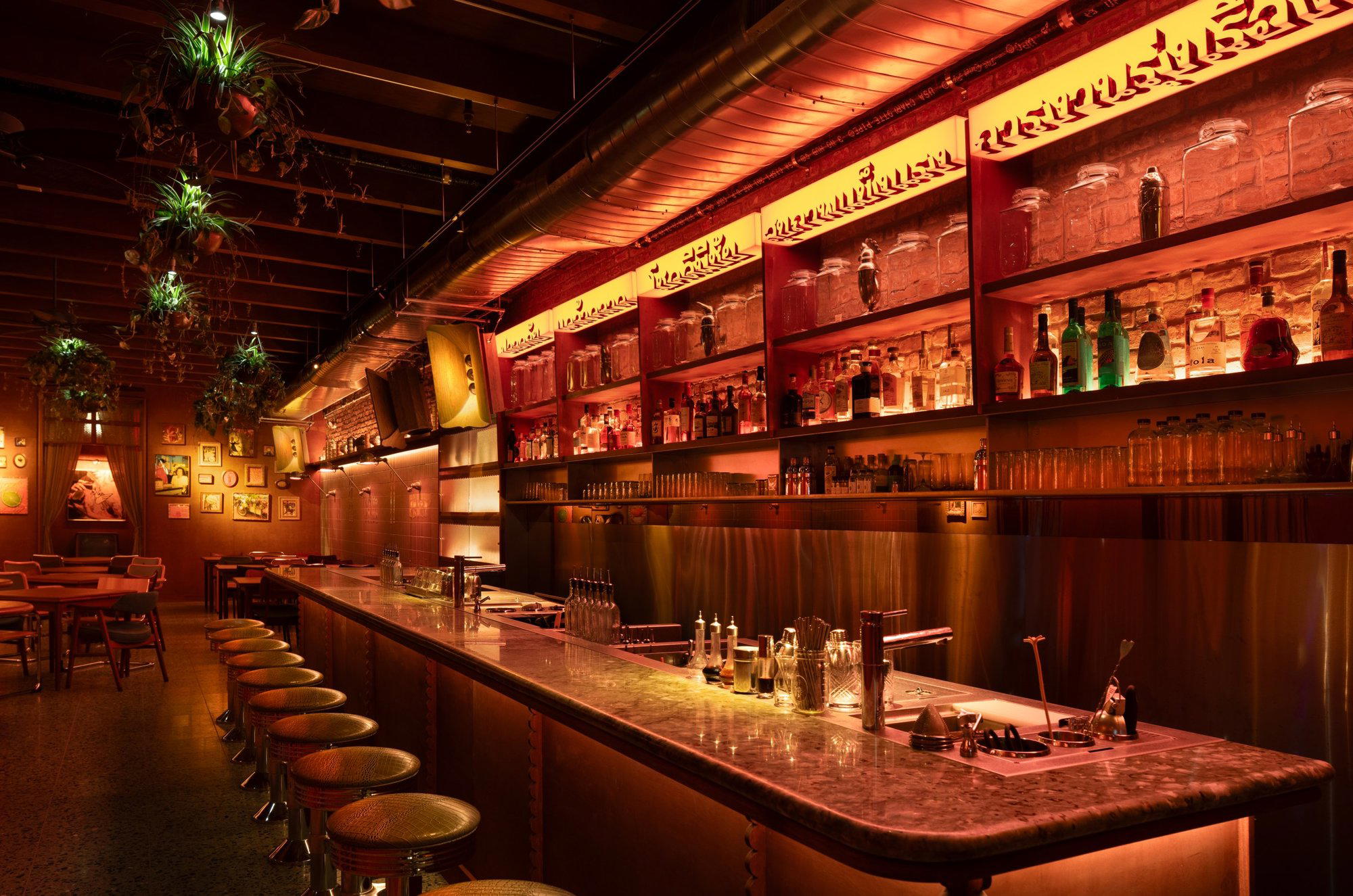
Fig. 19 occupies a quietly considered address on Chrystie Street in Manhattan's Lower East Side, a stretch that has become one of the borough's more interesting corridors for serious drinking. The bar sits in the tier of New York venues where format discipline and beverage depth matter more than spectacle, making it a reference point for anyone tracking where the city's cocktail conversation is heading.
Pearl is the En Primeur Club membership app — saves, bookings, and concierge access live there. Same editors, same standards.
- Address
- 131 Chrystie St, New York, NY 10002
- Phone
- +1 646 476 2034
- Website
- figurenineteen.com
- Directions
- Get directions
 Saves & bookings on Pearl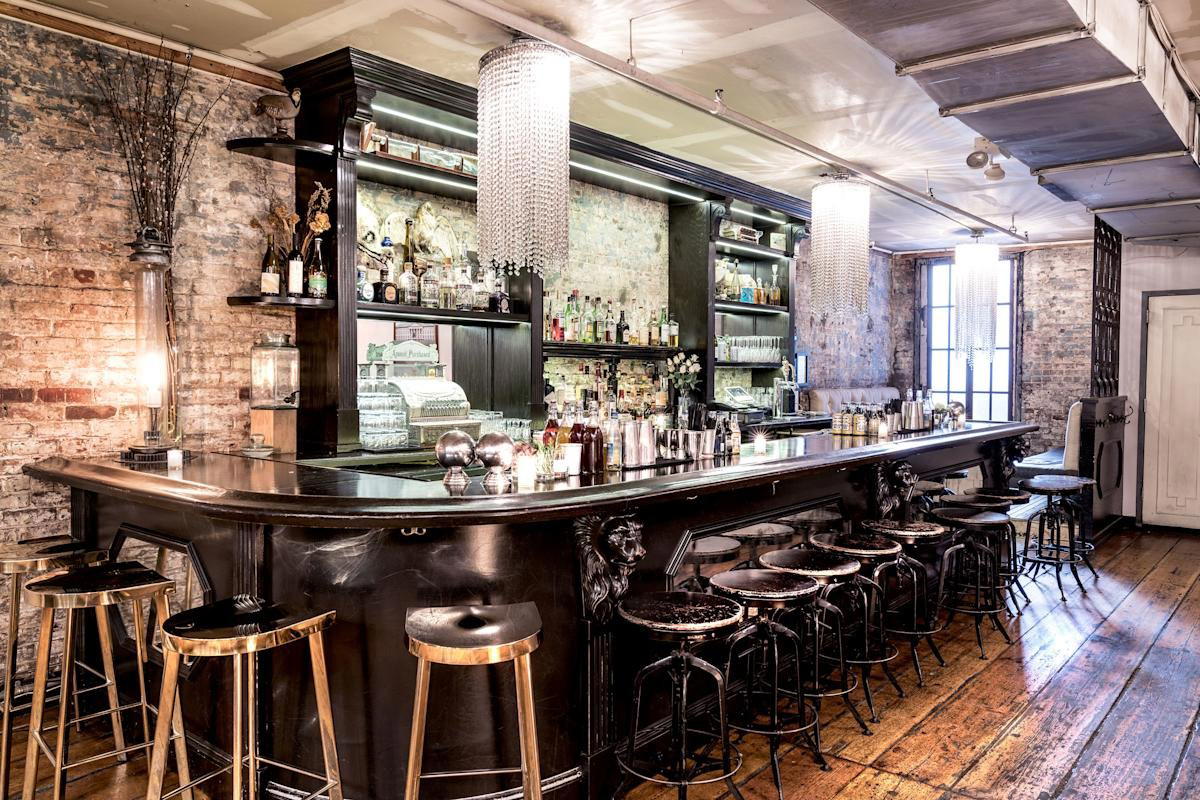
Chrystie Street and the Lower East Side Drinking Scene
The Lower East Side has undergone several identity shifts over the past two decades, but the stretch of Chrystie Street where Fig. 19 sits at number 131 represents a particular strain of that evolution: less about nightlife volume, more about the kind of bar program that rewards repeat visits. This part of lower Manhattan, bounded roughly by the edge of Sara D. Roosevelt Park and the transition toward Nolita, has attracted venues that operate on a quieter register than the blocks further east. The building density is lower, the foot traffic more intentional, and the clientele tends to arrive knowing where they are going. It is a neighbourhood condition that suits a bar with something specific to say.
New York's cocktail culture has moved through recognizable phases: the speakeasy revival of the mid-2000s, the bitters-and-provenance obsession of the 2010s, and more recently a split between high-concept destination bars and technically grounded neighbourhood programs. Fig. 19 operates at the intersection of those latter two categories. The address is not hidden or theatrically obscured, but it is not broadcasting itself across social media either.
The Shape of an Evening
In bars that take their beverage program seriously, the sequence of what you drink across an evening carries as much meaning as any individual glass. The progression from aperitif-style opening drinks through spirit-forward middle rounds to digestif-adjacent closers is not accidental in venues at this tier; it reflects genuine thinking about how palates move across two or three hours. Fig. 19 operates in this register. The Lower East Side location means it draws from a cross-section of Manhattan drinkers: the after-work crowd from the financial district's northern edge, the food and beverage professionals who live and work in the neighbourhood, and visitors who have done enough research to arrive with a purpose.
A well-structured evening at a bar like this tends to open with something that clears the palate and signals the kitchen or bar's orientation. Whether that means a lower-ABV vermouth-led build, a clarified citrus drink, or something carbonated and bright depends on the specific program, and Fig. 19's format is worth engaging with on its own terms rather than arriving with a fixed order in mind. The bartenders at venues in this category are generally the leading source of sequencing advice, particularly on a quieter weeknight when the counter pace allows for conversation.
The mid-section of an evening is where a bar's actual identity tends to emerge. Spirit-forward serves, the treatment of ice, the choice of glassware, the ratio of house originals to classics: these are the signals that place a bar in its broader category. In New York, bars at this level are in conversation with one another in ways that are not always visible to first-time visitors. Amor y Amargo established a reference point for bitter-led programs on the Lower East Side. Angel's Share in the East Village set an early standard for quiet, considered Japanese-influenced bar craft. Attaboy NYC, also on the Lower East Side, operates on a no-menu bespoke model that shifted expectations around what a bar counter interaction could be. Fig. 19 enters that conversation as a venue that has chosen a distinct position on Chrystie Street.
New York in a Broader Cocktail Frame
Understanding what Fig. 19 represents is easier when New York's bar culture is placed in national context. Cities like Chicago, San Francisco, New Orleans, and Honolulu have each developed distinct cocktail identities, and the bars that define those identities tend to have very specific programmatic signatures. Kumiko in Chicago built its identity around Japanese ingredient sourcing and a low-intervention aesthetic. ABV in San Francisco positioned itself as a technically precise neighbourhood anchor. Jewel of the South in New Orleans works within that city's historically layered drinking culture. Bar Leather Apron in Honolulu operates in deliberate contrast to the island's tourist-facing drink culture. Julep in Houston champions Southern spirits in a city that rarely gets credit for serious drinking. Even internationally, bars like Allegory in Washington, D.C. and The Parlour in Frankfurt on the Main signal how the format-conscious bar has become a globally legible category.
New York has the density to support multiple distinct tiers simultaneously: high-volume destination bars, low-key neighbourhood programs, and the mid-tier venues that are often doing the most interesting work because they are not chasing either extreme. Fig. 19 occupies that middle ground on Chrystie Street, in a neighbourhood that has historically rewarded bars willing to operate without the validation of a prime Manhattan postcode.
For visitors tracking the city's drinking culture from a position of genuine interest, the Lower East Side corridor that includes Superbueno and the surrounding blocks represents one of the more instructive areas to spend an evening. Bars in this zone tend to have distinct personalities rather than generic programming, and the density means you can move between them on foot if the night calls for it. Our full New York City restaurants guide maps the broader context across neighbourhoods and categories.
Planning a Visit
Fig. 19 is at 131 Chrystie Street, accessible from the B and D trains at Grand Street or the F and M at Delancey Street, both a short walk away. Chrystie Street runs parallel to the Bowery, which means the walk from either subway exit passes through the kind of mixed-use streetscape that characterises this part of lower Manhattan: restaurant supply shops alongside gallery spaces and newer hospitality tenants. Arriving on a weeknight typically means a more relaxed pace at the bar, which is worth considering if the intention is to engage with the program rather than simply hold a drink in a crowded room. As with most bars in this category, phone and website details are best confirmed through a current search before visiting, as operational details can shift.
How Fig. 19 NYC compares with similar nearby venues.
| Venue | Cuisine |
|---|---|
| Chin Up | Gin-focused cocktails |
Continue exploring
More in New York City
Bars in New York City
Browse all →
Restaurants in New York City
Browse all →
Hotels in New York City
Browse all →





At a Glance
- Sophisticated
- Intimate
- Elegant
- Date Night
- Special Occasion
- After Work
- Speakeasy
- Design Destination
- Historic Building
- Lounge Seating
- Seated Bar
- Craft Cocktails
- Classic Cocktails
Current opening hours
- Monday
- Closed
- Tuesday
- 6 PM–1 AM
- Wednesday
- 6 PM–1 AM
- Thursday
- 6 PM–2 AM
- Friday
- 6 PM–4 AM
- Saturday
- 6 PM–4 AM
- Sunday
- 6 PM–1 AM
Hours can change for holidays and private events. Last verified .
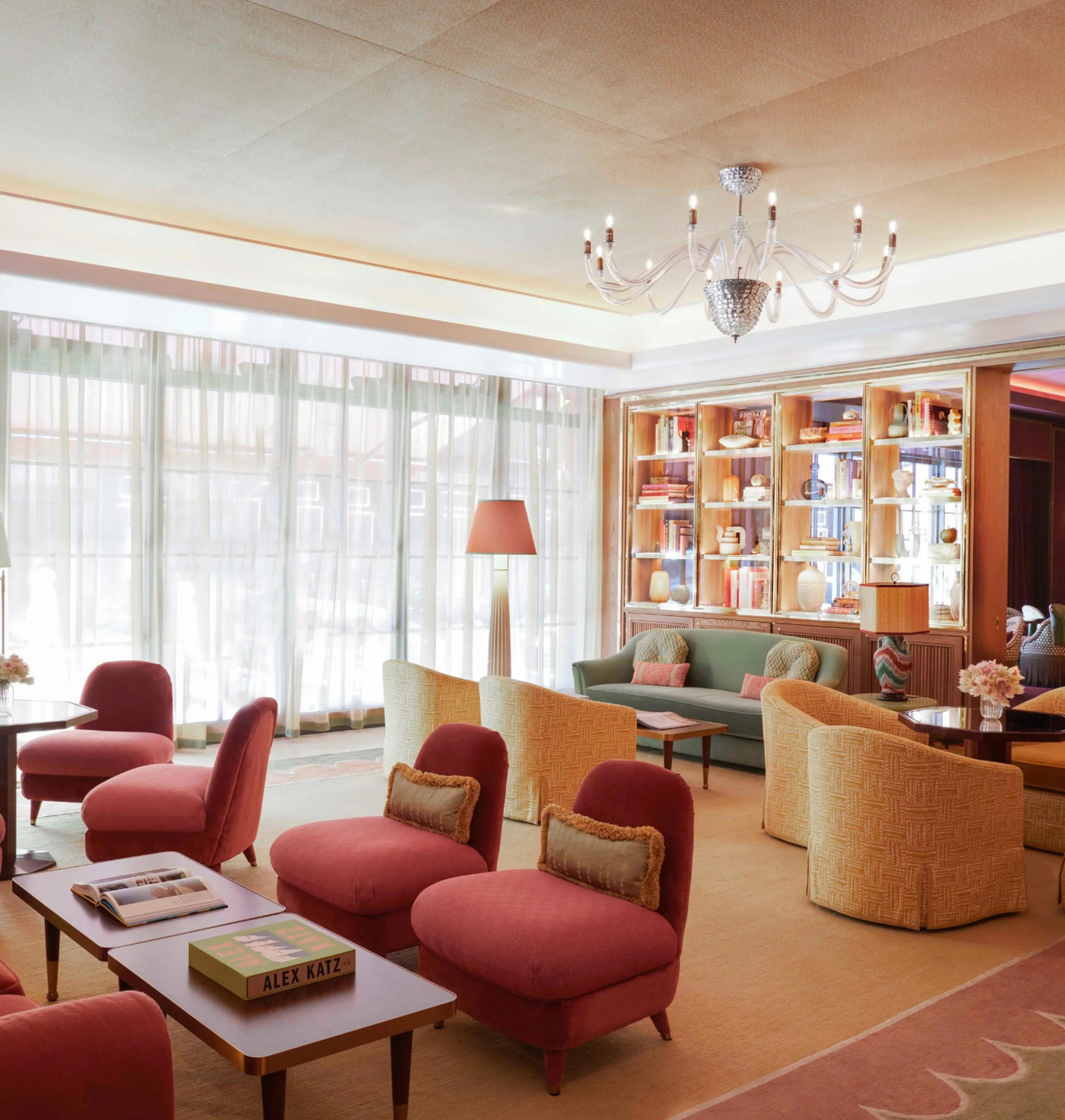
Dimly lit hideaway with beautifully exposed brick walls, chandeliers, and a sophisticated, intimate atmosphere.
Know Before You Go
- Getting there
- 131 Chrystie St, New York, NY 10002