Sushi Tomo
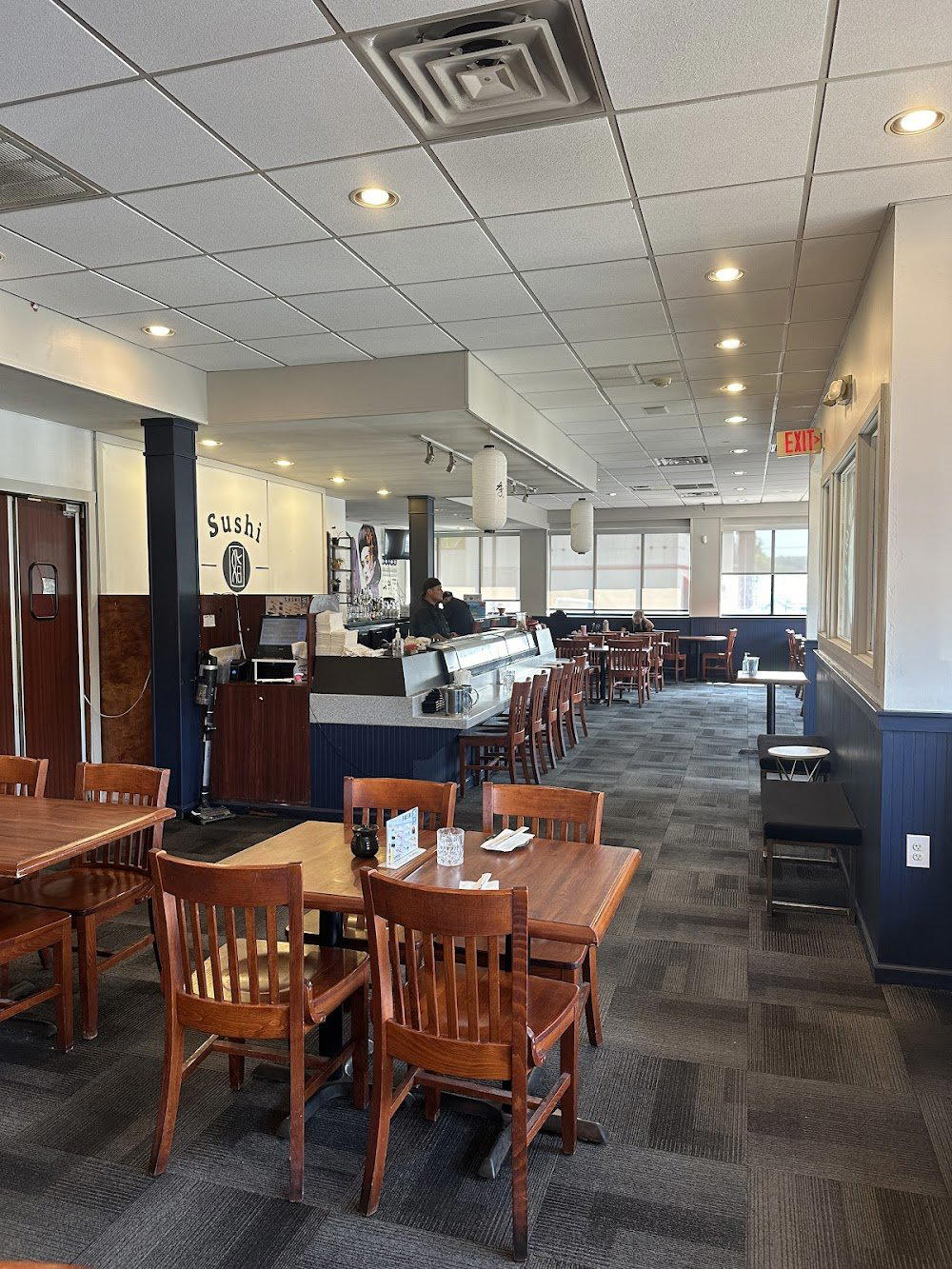
Sushi Tomo on McKnight Road occupies a particular niche in Pittsburgh's northern dining corridor, where the appetite for Japanese cuisine has quietly grown well beyond the standard strip-mall rolls. The kitchen addresses that demand with a format that leans toward traditional preparation, placing it in a different tier from the city's more casual sushi operations.

Pearl is the En Primeur Club membership app — saves, bookings, and concierge access live there. Same editors, same standards.
Pittsburgh's North Hills and the Sushi Question
The stretch of McKnight Road running through Ross Township is not where most food writers look first when assessing Pittsburgh's Japanese dining scene. That attention typically defaults to Shadyside or the Strip District, where press coverage concentrates and reservation platforms generate the most noise. But the northern suburbs have developed their own dining culture, one oriented around neighborhood regulars rather than destination seekers, and the sushi operations that succeed there do so by earning repeat business rather than media cycles. Sushi Tomo at 4812 McKnight Road sits inside that dynamic, serving a corridor that has fewer Japanese restaurants per capita than the city's inner neighborhoods, which changes what a kitchen like this needs to do to hold its position.
Across American mid-sized cities, Japanese restaurants in suburban settings have generally followed one of two paths: the broad-menu, combination-plate model that maximizes cover counts, or the more restrained format that prioritizes fish quality and traditional preparation even when the dining room aesthetic suggests nothing of the kind. In Pittsburgh's northern neighborhoods, the former approach dominates, which makes any operation that pulls toward the latter more legible to a particular kind of customer — one who has eaten widely enough to notice the difference between perfunctory and considered.
The Drink Side of Japanese Dining in America
One of the more telling indicators of a Japanese restaurant's ambition is what it does with its beverage program. The cocktail question is genuinely interesting here: American sushi restaurants have moved through several distinct phases, from the sake-and-Sapporo default of the 1990s, through the period of fruit-forward, sugar-heavy martini variants that used Japanese aesthetics as a style cue rather than a culinary one, to a more recent moment where the better operations have started treating the drink program with the same seriousness applied to the fish case. Bars with technical cocktail programs — operations like Kumiko in Chicago or Bar Leather Apron in Honolulu, have demonstrated that Japanese-inflected drinking culture can support high-craft formats even outside Japan itself. That benchmark has begun filtering into restaurant bar programs more broadly.
The leading Japanese restaurant cocktail programs now tend to work in one of two registers: either they lean into the clarity and restraint that defines Japanese aesthetics, yuzu, shiso, clean spirits, minimal sweetness, or they build from classic American cocktail logic and use Japanese ingredients as precision additions rather than thematic decoration. Both approaches require a bartender who understands the difference between flavor and concept. Operations like Jewel of the South in New Orleans and Julep in Houston have shown how regional character can give a cocktail program genuine specificity, which is the same kind of discipline a well-run sushi bar drink program needs. Suburban American Japanese restaurants rarely reach that register, but the gap between them and the leaders has narrowed as customer expectations have risen.
Where Ross Township Fits
Pittsburgh's broader food scene has developed real credibility over the past decade, and that development has not stayed exclusively in the urban core. The suburbs north of the city, including Ross Township, have absorbed residents with increasingly varied dining experience, people who have eaten in Chicago, New York, and internationally, and who bring those reference points back with them. That shift in the customer base creates pressure on suburban restaurants to either hold a lower-expectation position or rise to meet a more sophisticated room. The Japanese restaurants along McKnight Road operate inside that tension every service.
For a point of comparison within Pittsburgh's own orbit, the city's downtown and East End Japanese options have attracted more visible attention and in some cases more competitive pricing pressure from each other. The north suburbs operate at a different pace, where the competitive set is smaller and the reward for consistency is customer loyalty rather than critical attention. That environment suits a restaurant like Sushi Tomo, which addresses a genuinely underserved geography without needing to fight for the same customers as the city's higher-profile operations.
Readers interested in what American bar programs are doing at the technical end of the spectrum, the kind of craft that sets a baseline for any serious beverage program, will find useful reference points in venues like ABV in San Francisco, Allegory in Washington, D.C., Superbueno in New York City, Bitter & Twisted in Phoenix, Canon in Seattle, and Bar Kaiju in Miami. For an international take on what a serious cocktail program looks like in a smaller market, The Parlour in Frankfurt on the Main offers an instructive model of how technical ambition operates outside major drinking capitals. All of these provide a useful frame for thinking about what beverage programming can and should look like when a kitchen is taking its food seriously.
Planning a Visit
Sushi Tomo is located at 4812 McKnight Road in Pittsburgh's Ross Township, positioned along the commercial corridor that connects the northern suburbs to the city. McKnight Road is accessible by car from downtown Pittsburgh in roughly 20 to 25 minutes depending on traffic, and the surrounding area offers standard suburban parking. For visitors coming from out of town, the location makes most sense as part of a broader Pittsburgh itinerary that includes the north side of the city. Our full Ross Township restaurants guide covers the surrounding dining options and provides useful context for planning a meal in this part of the metro area.
Fast Comparison
| Venue | Cuisine | Price | Awards |
|---|---|---|---|
| Sushi TomoThis venue — the venue you are viewing | Not listed | Not listed | Not listed |
| Julep | Not listed | Not listed | World's 50 Best |
| Kumiko | Not listed | Not listed | World's 50 Best |
| ABV | Cocktail Bar | $20–30 | World's 50 Best #39 · Eater Cocktail Bar Guide |
| Bisous | Not listed | $20–30 | World's 50 Best #30 · James Beard Award Semi Finalist |
| Canon | Not listed | Not listed | World's 50 Best |
Continue exploring
More in Pittsburgh
Bars in Pittsburgh
All bars in Pittsburgh →
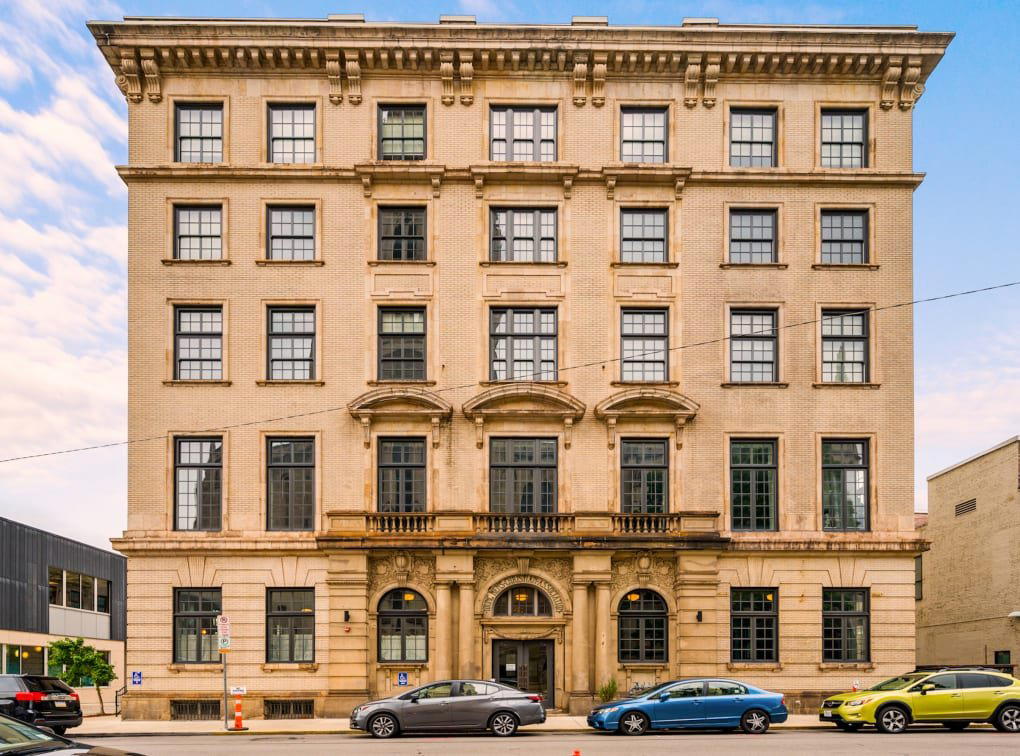
Sushi Tomo
The wine
- Wine program
- Curated wine list
- Craft cocktails
Signature drinks: lychee martinis.
Details
- Lively
- Casual Hangout
- Group Outing
- Standalone
- Seated Bar
- Sake
- Craft Cocktails
Current opening hours
- Monday
- 11:30 AM–9:30 PM
- Tuesday
- 11:30 AM–9:30 PM
- Wednesday
- 11:30 AM–9:30 PM
- Thursday
- 11:30 AM–9:30 PM
- Friday
- 11:30 AM–10 PM
- Saturday
- 11:30 AM–10 PM
- Sunday
- 12–9:30 PM
Hours can change for holidays and private events. Last verified .
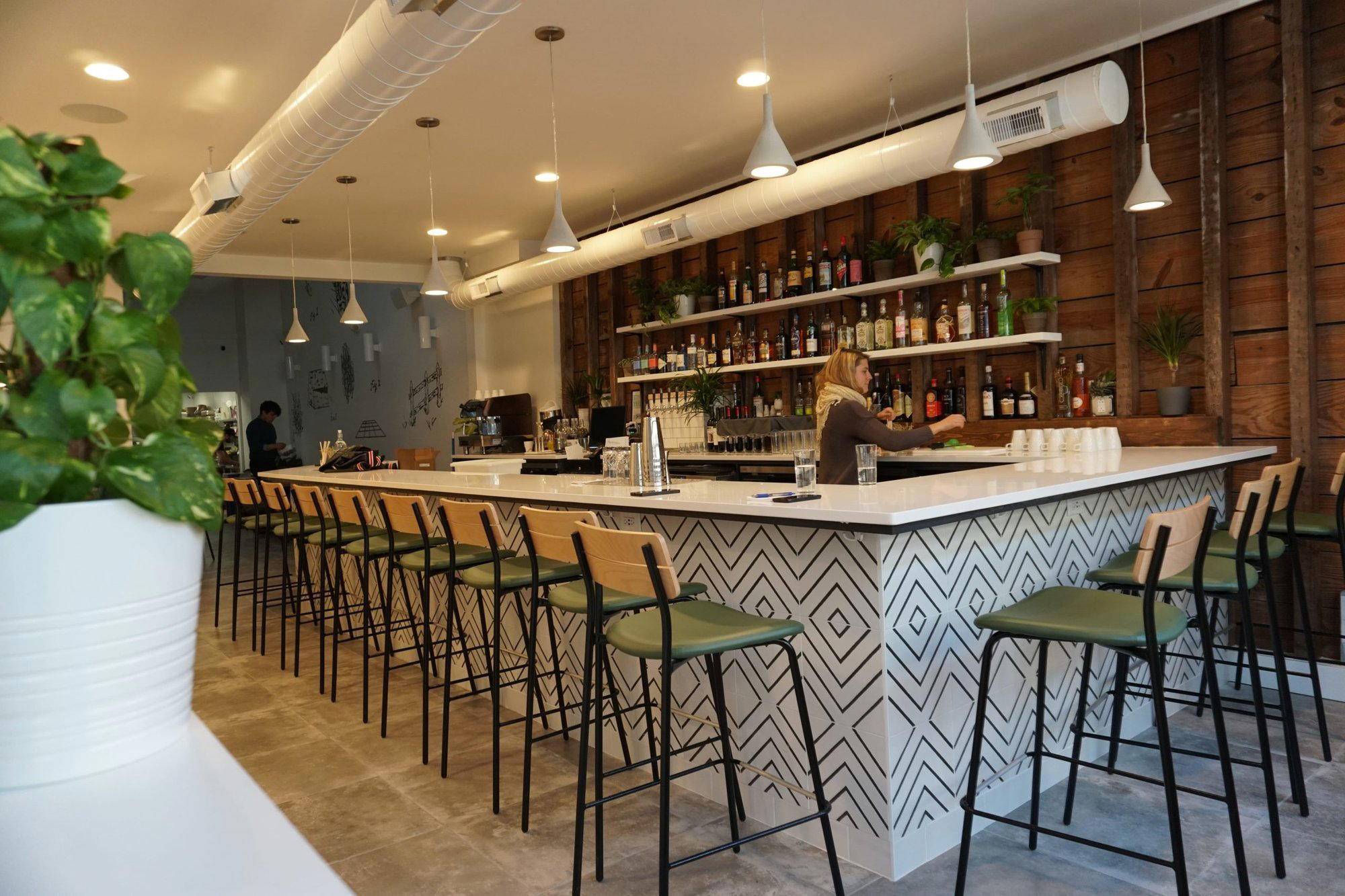
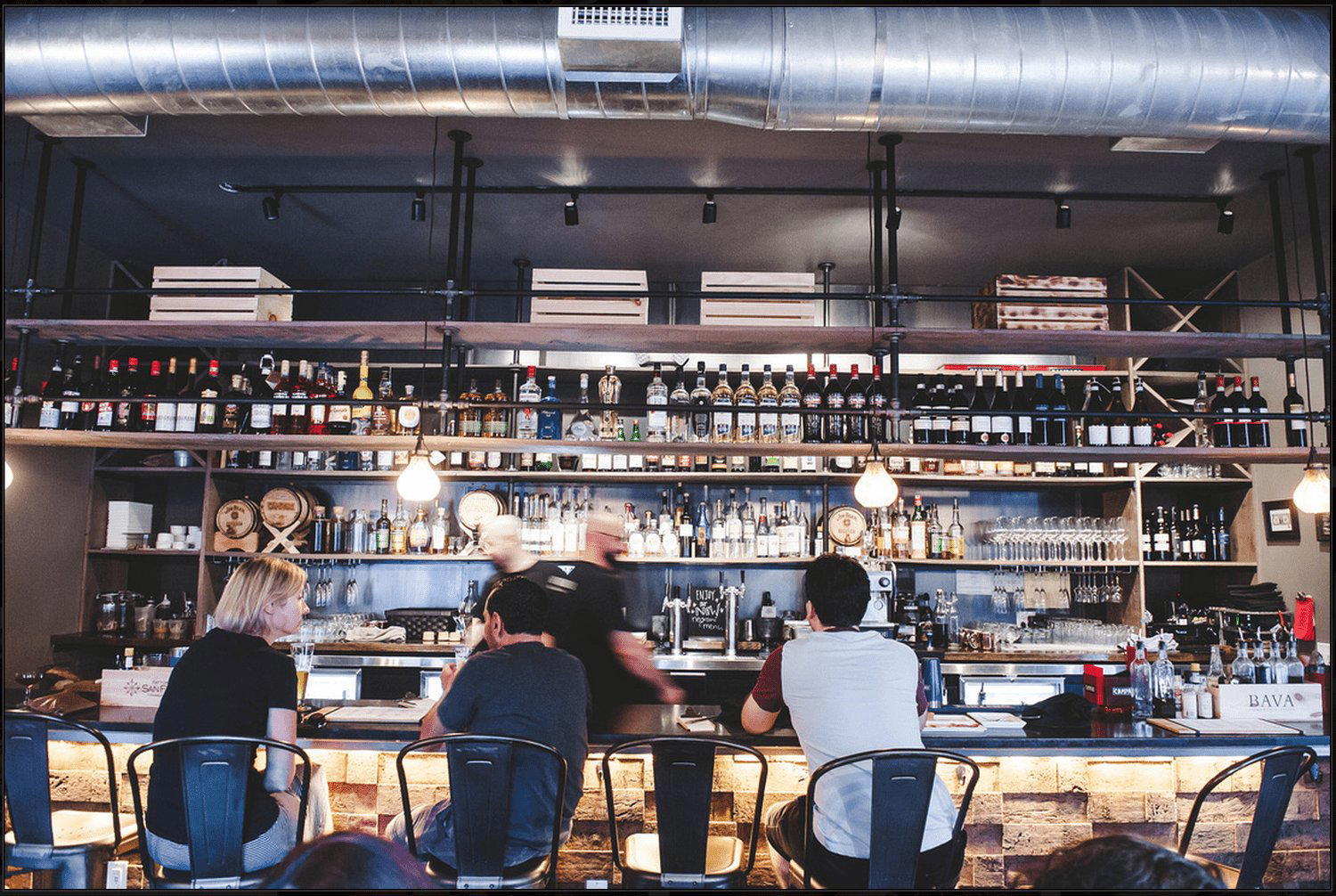
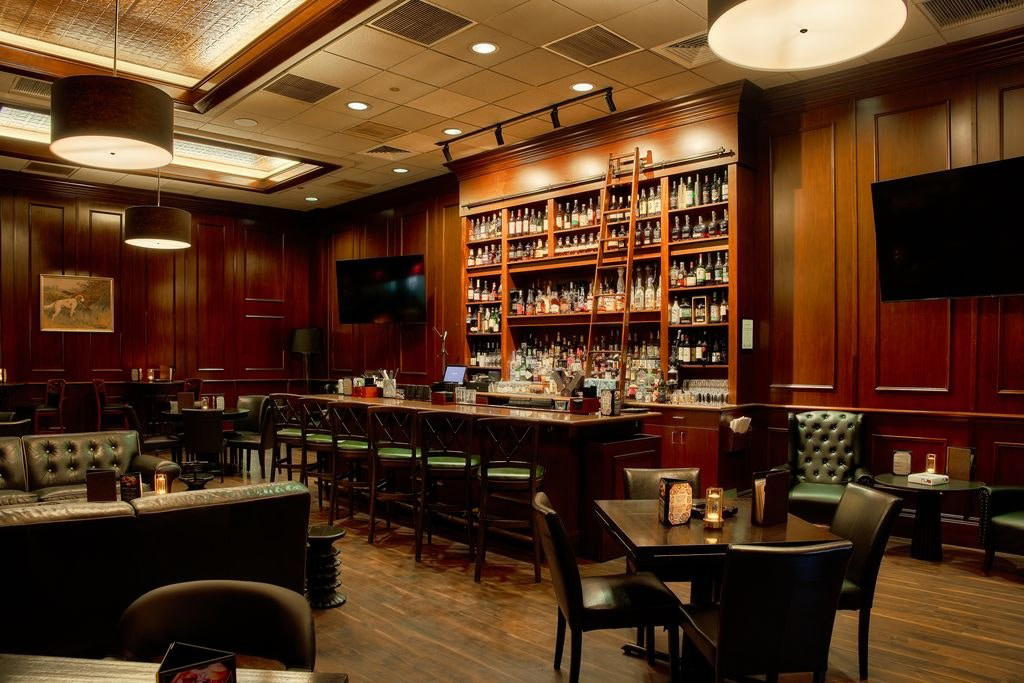
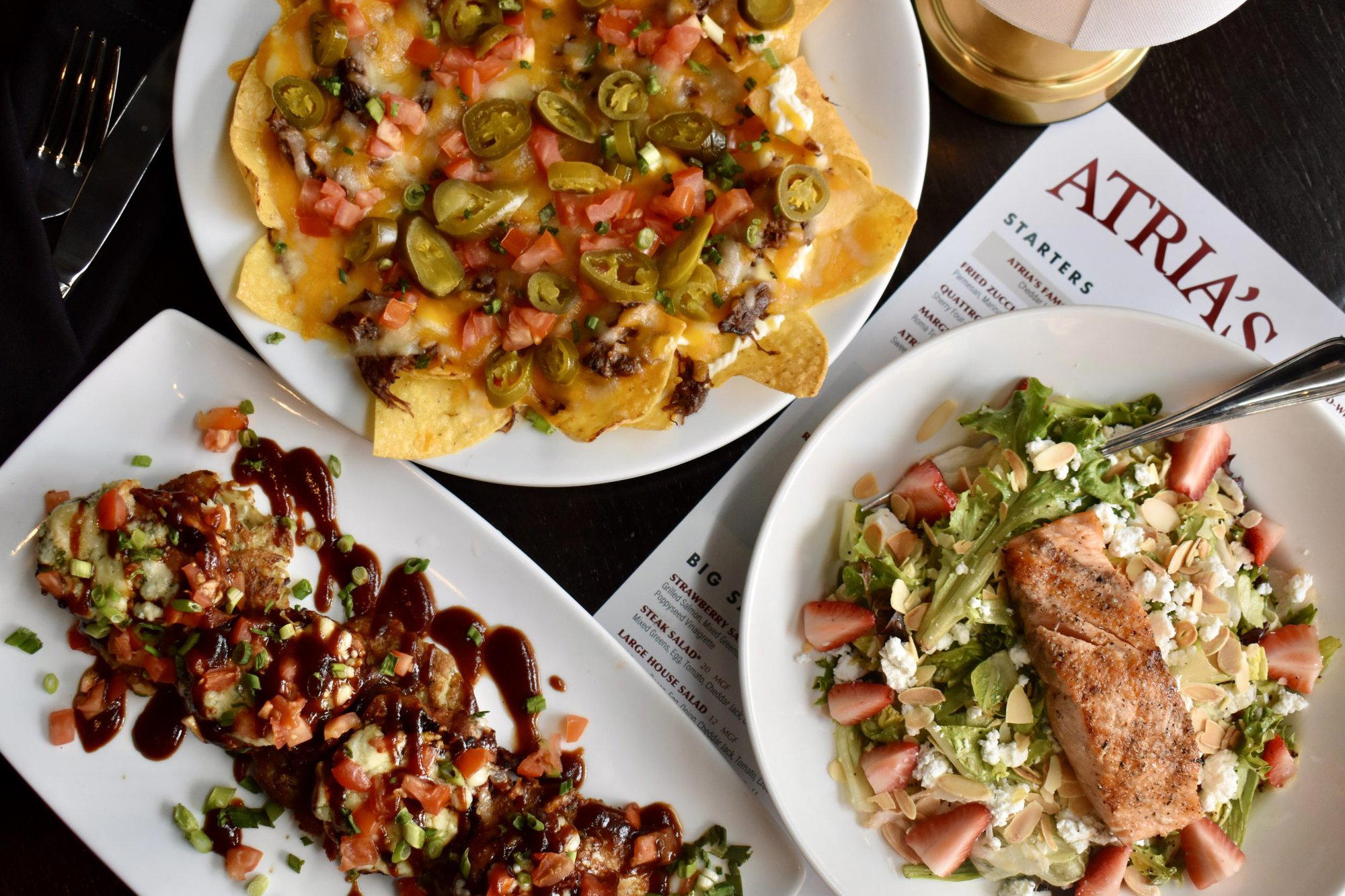
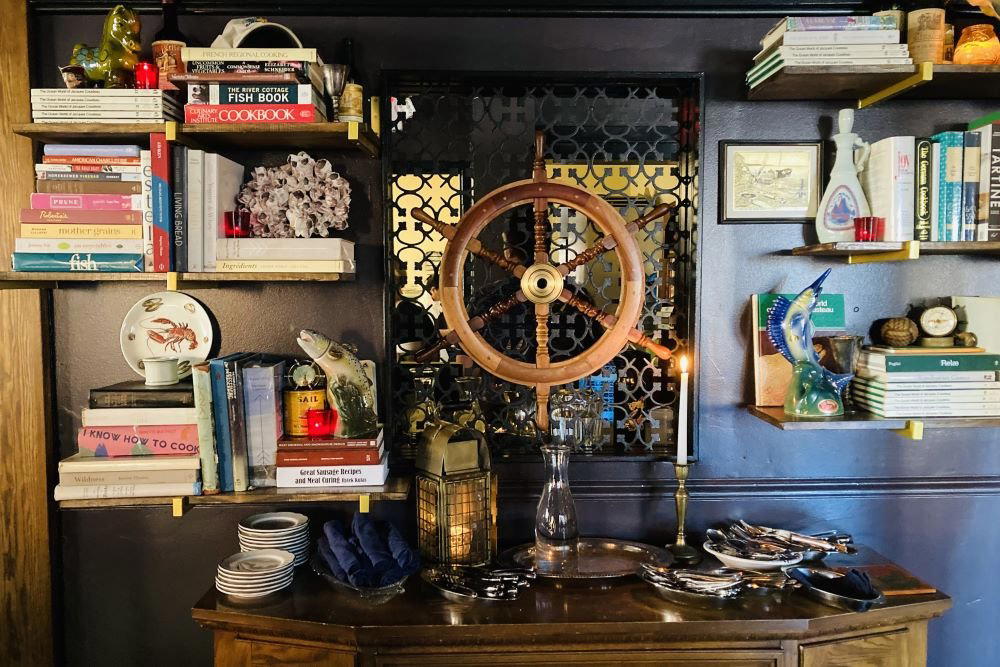
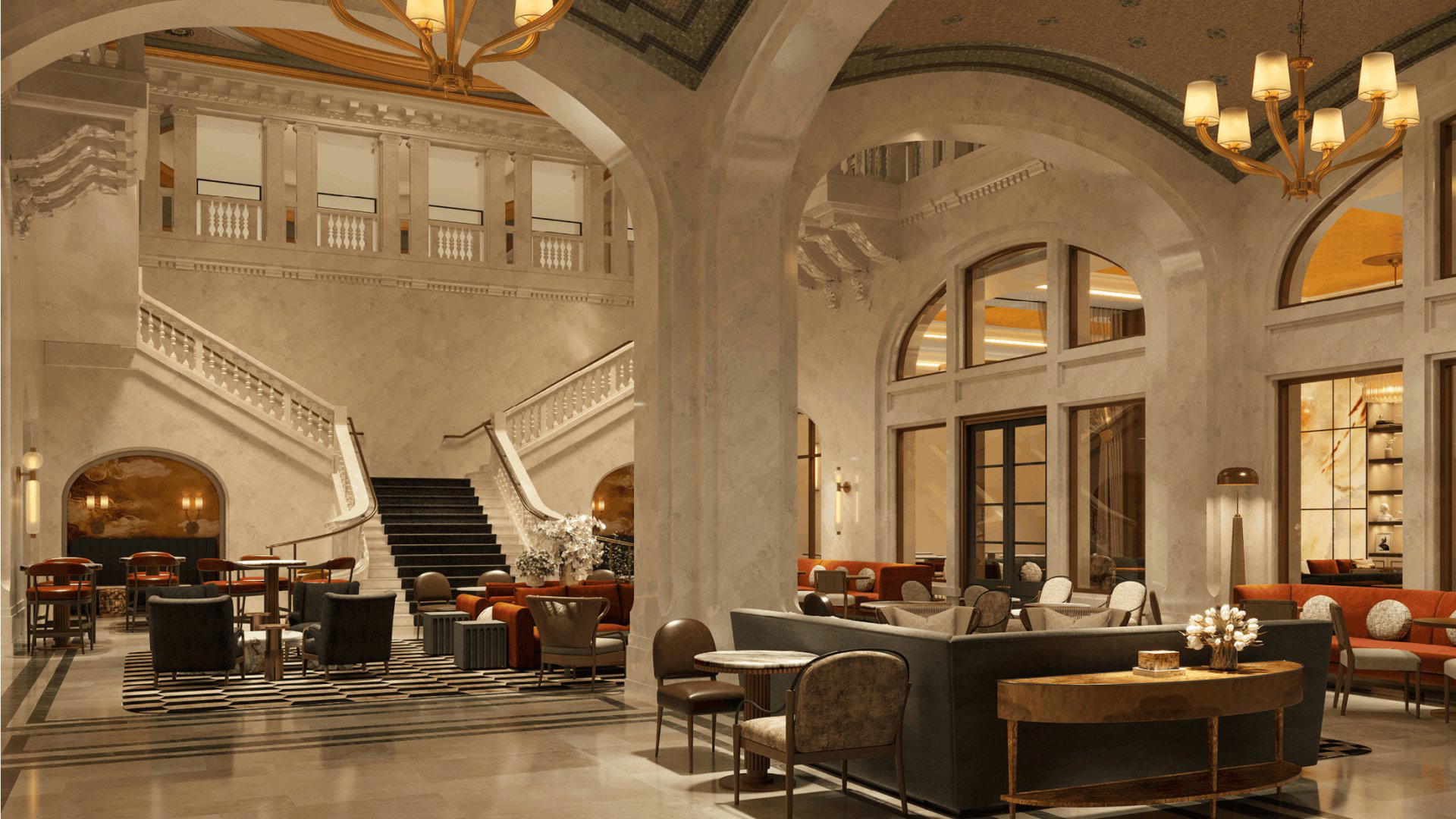
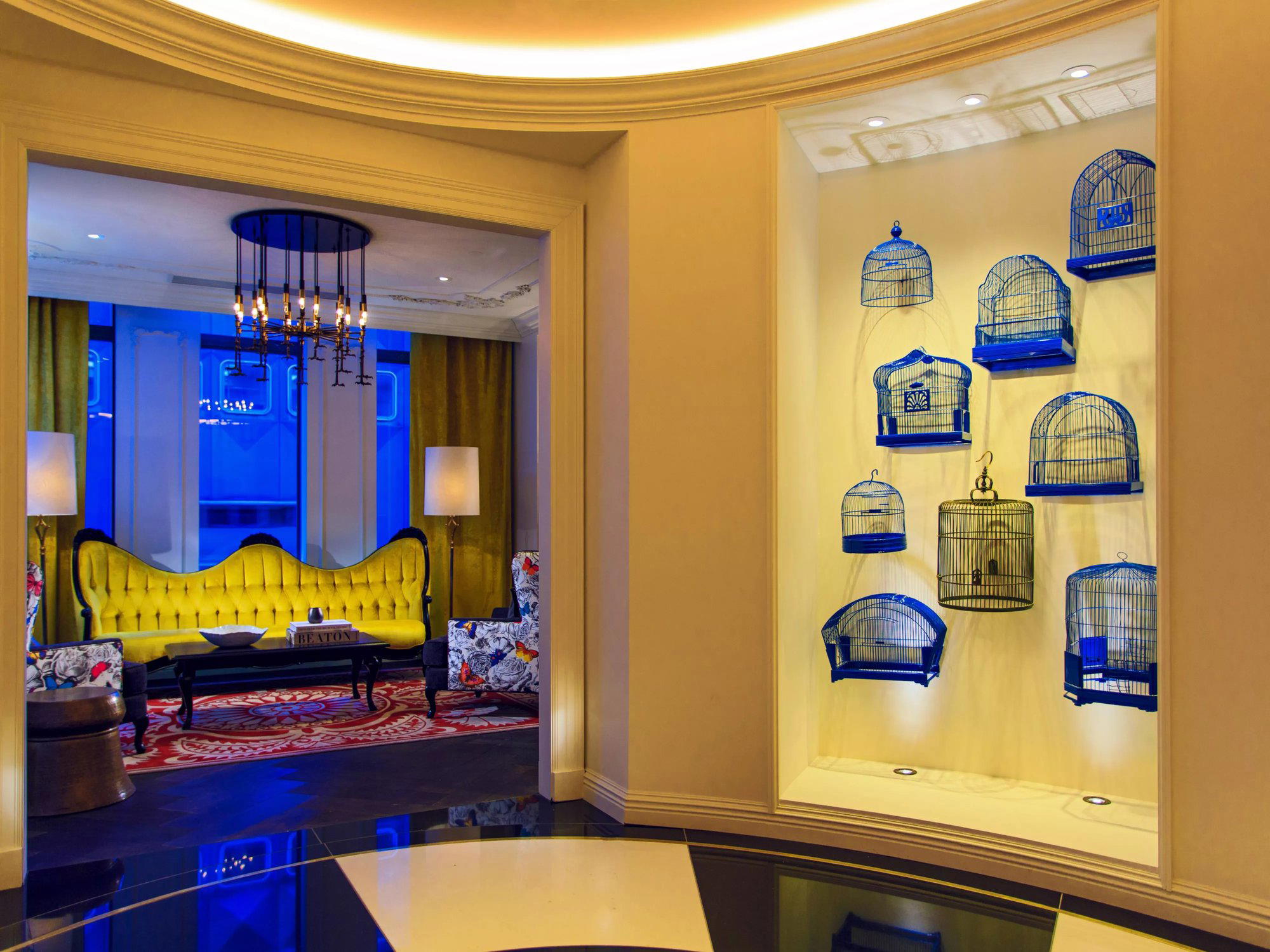
Lively bar setting with comfortable seating at tables or the bar in a beautifully renovated space.