Sienna Mercato
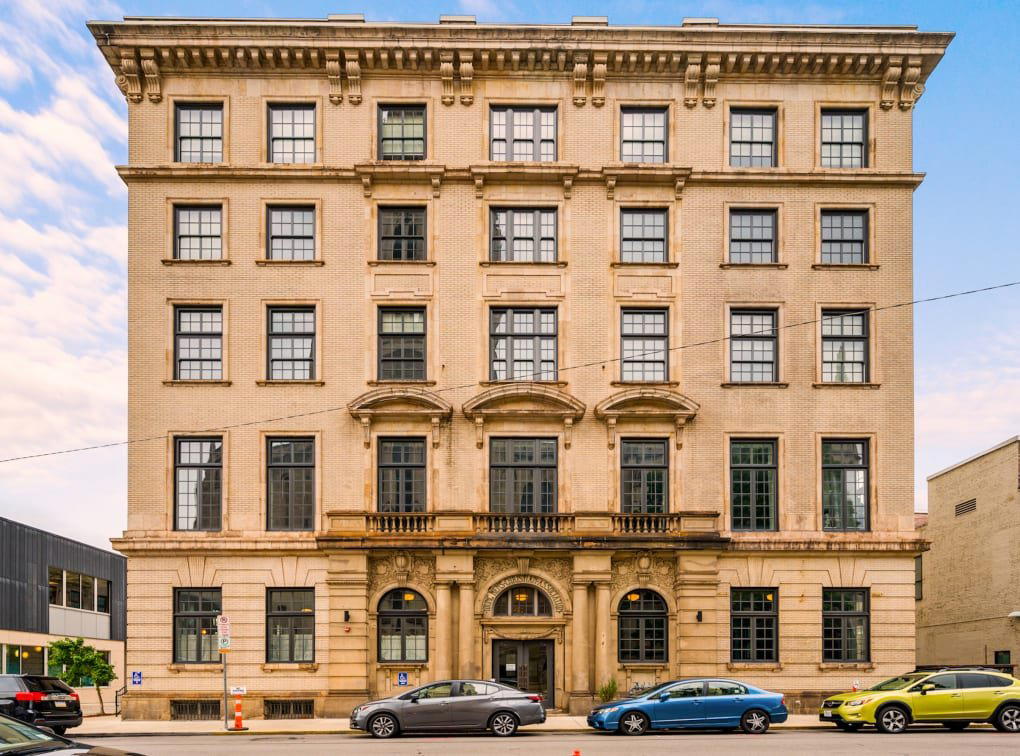
Sienna Mercato occupies a Penn Avenue address at the heart of Pittsburgh's Cultural District, bringing a multi-level market-style format to a city that has rebuilt its dining identity around locally sourced ingredients and neighborhood permanence. The space draws from Italian mercato tradition while routing its supply chain through Pennsylvania's agricultural network, positioning it alongside the broader movement reshaping how mid-sized American cities eat.

Pearl is the En Primeur Club membership app — saves, bookings, and concierge access live there. Same editors, same standards.
- Address
- 942 Penn Ave, Pittsburgh, PA 15222
- Phone
- (412) 281-2810
- Hours
- Mon ClosedTue–Thu 4–10 PMFri 4 PM–1:30 AMSat 11 AM–1:30 AMSun 10 AM–8 PM
- Website
- siennamercato.com
- Directions
- Get directions
- Booking
- Book on OpenTable
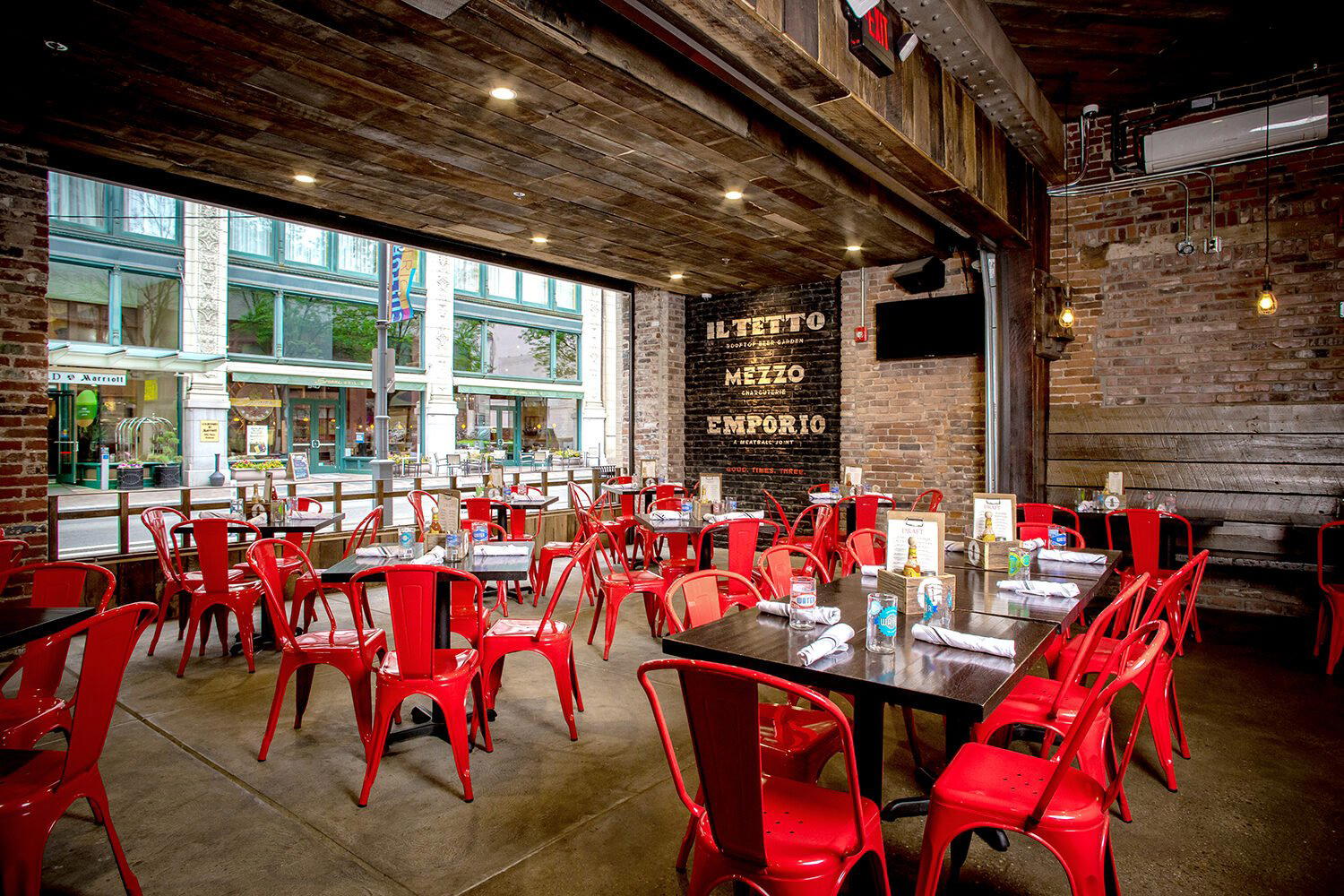
Penn Avenue and the Market Format That Reshaped It
Pittsburgh's Cultural District stretches along Penn Avenue with a particular kind of density: theaters, galleries, and restaurants occupying century-old facades that the city has spent two decades coaxing back to life. The block at 942 Penn Ave sits inside that corridor, and the multi-level mercato format that Sienna Mercato occupies there is a useful lens for understanding what Pittsburgh's dining scene has been quietly doing for the past decade. The city did not follow the single-concept fine-dining playbook that defined urban restaurant revivals elsewhere. Instead, it developed something closer to a market logic: multiple food stations, rotating local producers, and formats that ask a diner to move through a space rather than sit fixed within it.
That mercato structure, borrowed from Italian market tradition, suits Pittsburgh in ways that are not coincidental. The city's Italian-American community has deep roots in neighborhoods like Bloomfield and South Side, and the idea of a covered market with distinct vendor-style counters carries cultural resonance here that it might lack in cities without that culinary inheritance. For a broader read on where Pittsburgh's food and drink scene has settled, our full Pittsburgh restaurants guide maps the territory across neighborhoods and price tiers.
Sourcing as Architecture
The ingredient-sourcing question sits at the center of how multi-concept market venues differentiate themselves in American mid-sized cities. Any operator can claim local sourcing; the ones that make it structurally legible are rarer. Pittsburgh benefits from genuine geographic proximity to Pennsylvania's agricultural base, with the region's dairy farms, grain mills, and livestock producers within reasonable supply-chain distance of the city. That proximity is not unique to Pittsburgh, but the city's restaurant community has been more systematic than most in building sourcing relationships that show up on menus in traceable ways rather than as abstract marketing claims.
In that context, a venue like Sienna Mercato operates in a category where the format itself is a sourcing argument. When a space organizes around distinct stations rather than a unified kitchen, it creates natural pressure to specify provenance at each counter: this charcuterie from this producer, this bread from this mill, this cheese from this creamery. The Italian mercato model, at its most honest, was always about that kind of transparency, a physical arrangement that put the producer's identity adjacent to the product.
Pittsburgh's location also gives it access to a Mid-Atlantic and Appalachian agricultural corridor that doesn't receive the same editorial attention as, say, the farm networks feeding restaurants in Nashville or the Hudson Valley operators supplying New York. That relative quietness means sourcing stories here tend to be told through the food itself rather than through aggressive branding, which is broadly consistent with how Pittsburgh's dining culture presents itself: substantive before stylish.
Where Sienna Mercato Sits in Pittsburgh's Current Tier Structure
Pittsburgh's restaurant scene has stratified in recognizable ways. At one end, neighborhood institutions like Aiello's Pizza Squirrel Hill hold decades-long community relationships that no new opening can replicate. At the other, serious Italian-American cooking at places like Alla Famiglia operates in a more formal register with corresponding price expectations. Sienna Mercato's multi-level, market-style format places it in a middle tier that has grown considerably: accessible enough for regular use, specific enough in its sourcing commitments to reward attention.
That middle tier is where Pittsburgh's dining identity is arguably most clearly expressed right now. It's a city that has moved past the narrative of post-industrial recovery and into something more settled: a genuine food culture with its own preferences, seasonal rhythms, and producer relationships. The Cultural District location matters because it connects that food culture to the city's arts infrastructure, drawing audiences before and after performances at venues along Penn Avenue, which creates a different kind of regulars than a purely residential neighborhood would produce.
For those comparing Pittsburgh's drinks culture alongside its food, Allegheny Wine Mixer and Allegheny Elks Lodge #339 represent the range from wine-focused retail-and-bar formats to longstanding social institution drinking. Sienna Mercato's multi-level structure gives it the flexibility to hold different kinds of visits within the same building, a logistical advantage in a city where the distance between neighborhoods can make second stops less automatic than in denser urban grids.
The Mercato Format in American Context
Market-hall and mercato-style venues have spread through American cities at different speeds and with different results. In some cities, the format became a food-court exercise in branding rather than sourcing. In others, the multi-vendor structure created genuine competition and quality pressure between counters. Pittsburgh's smaller market size and its existing Italian-American culinary tradition give the format better conditions to work properly here than it might in cities adopting it as pure trend.
Comparable programs at bars and restaurants in other cities that have built sustained credibility through format discipline include Kumiko in Chicago, where a clear technical program has held critical recognition over time, and Jewel of the South in New Orleans, which operates within strong local tradition rather than against it. Across different categories and cities, Bar Leather Apron in Honolulu, Julep in Houston, Superbueno in New York City, ABV in San Francisco, and The Parlour in Frankfurt on the Main each demonstrate that format coherence, meaning a clear editorial identity about what the space does and why, correlates with longevity more reliably than novelty alone.
Planning a Visit
Sienna Mercato sits at 942 Penn Ave in the Cultural District, accessible on foot from most downtown Pittsburgh hotels and a short distance from the main Cultural District parking garages. The multi-level format means the experience can scale from a quick stop at a single counter to a longer multi-course progression through the building, which gives it flexibility that single-concept restaurants don't offer. For the fullest read on the space, arriving before a cultural district performance rather than after tends to allow more time at the market counters. Booking specifics and current hours are best confirmed directly with the venue, as the multi-concept format means programming and availability can shift by level and season.
Where the Accolades Land
Comparable venues nearby, for context on price, style, and recognition.
| Venue | Cuisine | Price | Notes |
|---|---|---|---|
| Sienna MercatoThis venue — the venue you are viewing | rooftop_bar | $30–50 | Not listed |
| La Palapa | mezcaleria | $20–30 | South Side Flats |
| Pita My Shawarma | wine_bar | $20–30 | Lower Lawrenceville |
| Umami | cocktail_bar | Not listed | Lower Lawrenceville |
| Hidden Harbor | tiki_bar | $20–30 | Squirrel Hill North |
| Condado Tacos | Bar | $20–30 | Central Business District |
Continue exploring
More in Pittsburgh
Bars in Pittsburgh
Browse all →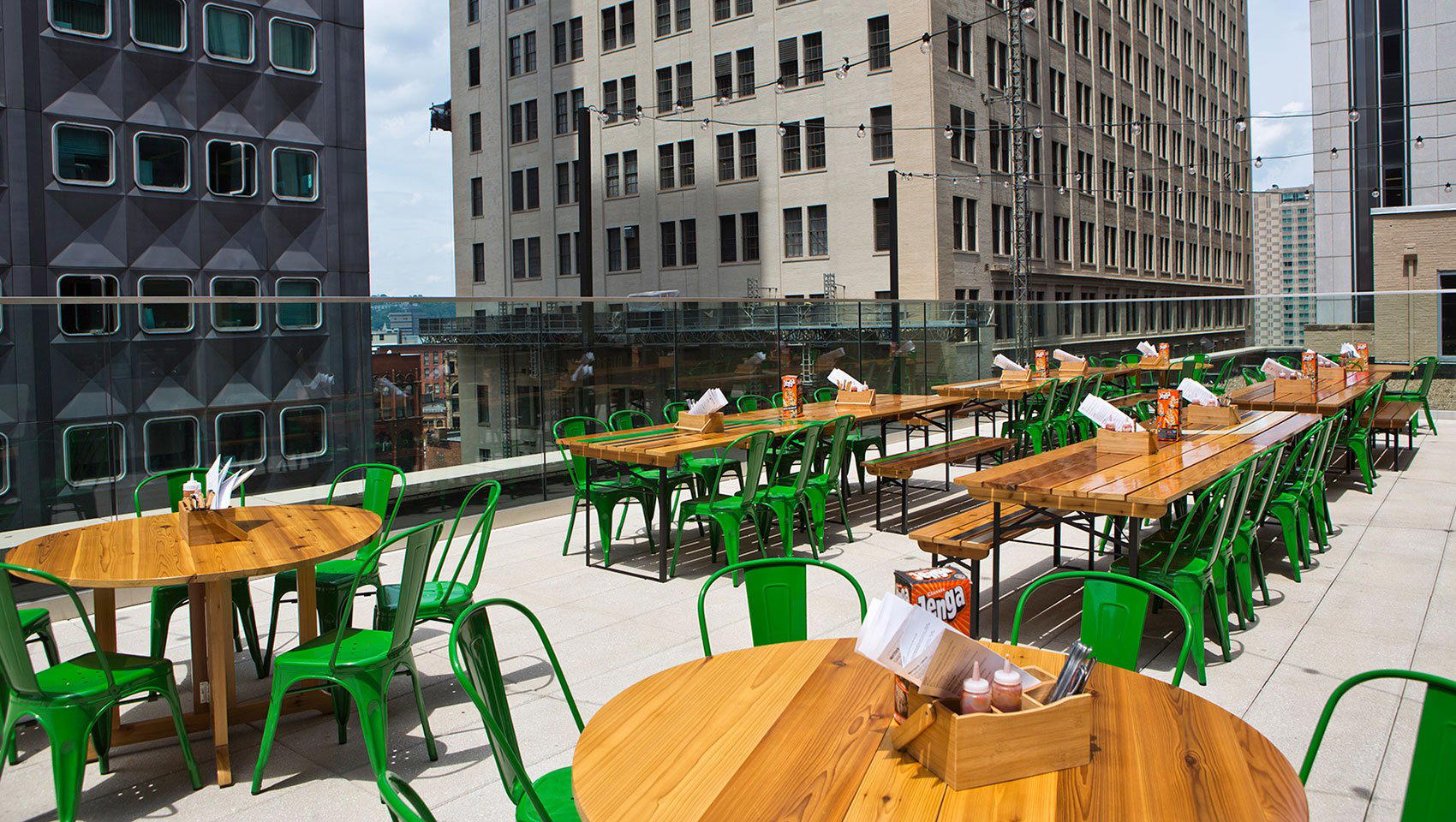
Restaurants in Pittsburgh
Browse all →

Details
- Lively
- Trendy
- Energetic
- Date Night
- Happy Hour
- Group Outing
- Rooftop
- Live Music
- Lounge Seating
- Outdoor Terrace
- Classic Cocktails
- Craft Beer
- Skyline
Current opening hours
- Monday
- Closed
- Tuesday
- 4–10 PM
- Wednesday
- 4–10 PM
- Thursday
- 4–10 PM
- Friday
- 4 PM–1:30 AM
- Saturday
- 11 AM–1:30 AM
- Sunday
- 10 AM–8 PM
Hours can change for holidays and private events. Last verified .
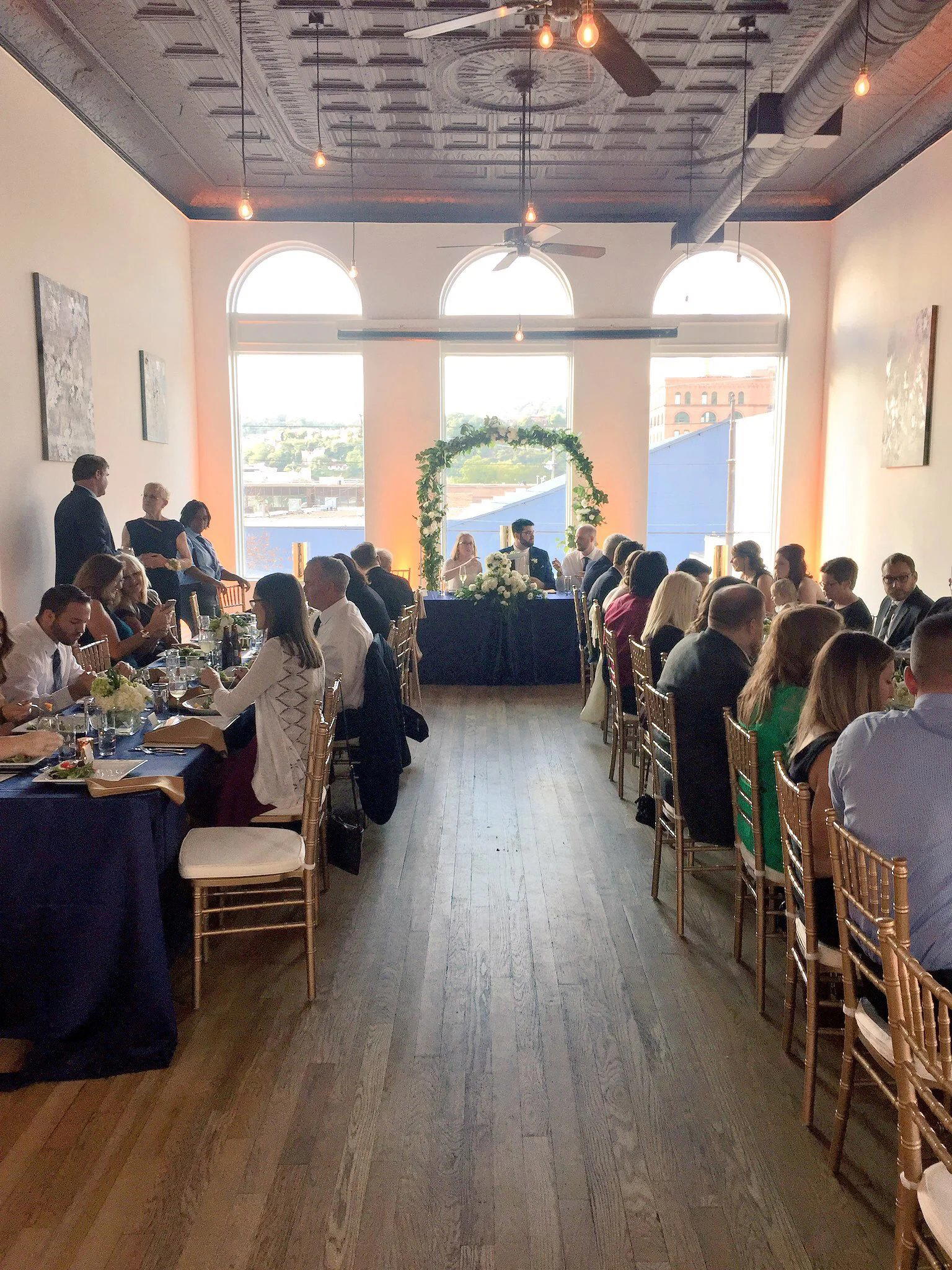
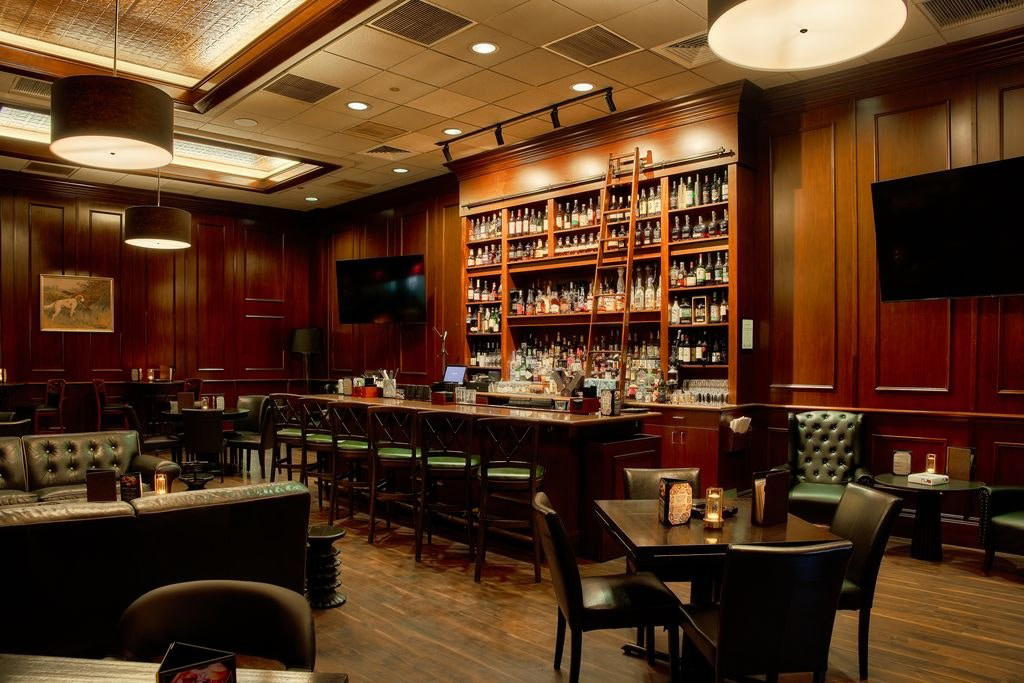
Lively and energetic on the first floor, warm and intimate farm-inspired on the second, lively rooftop with city views.