Sour Cellars Barrel Room
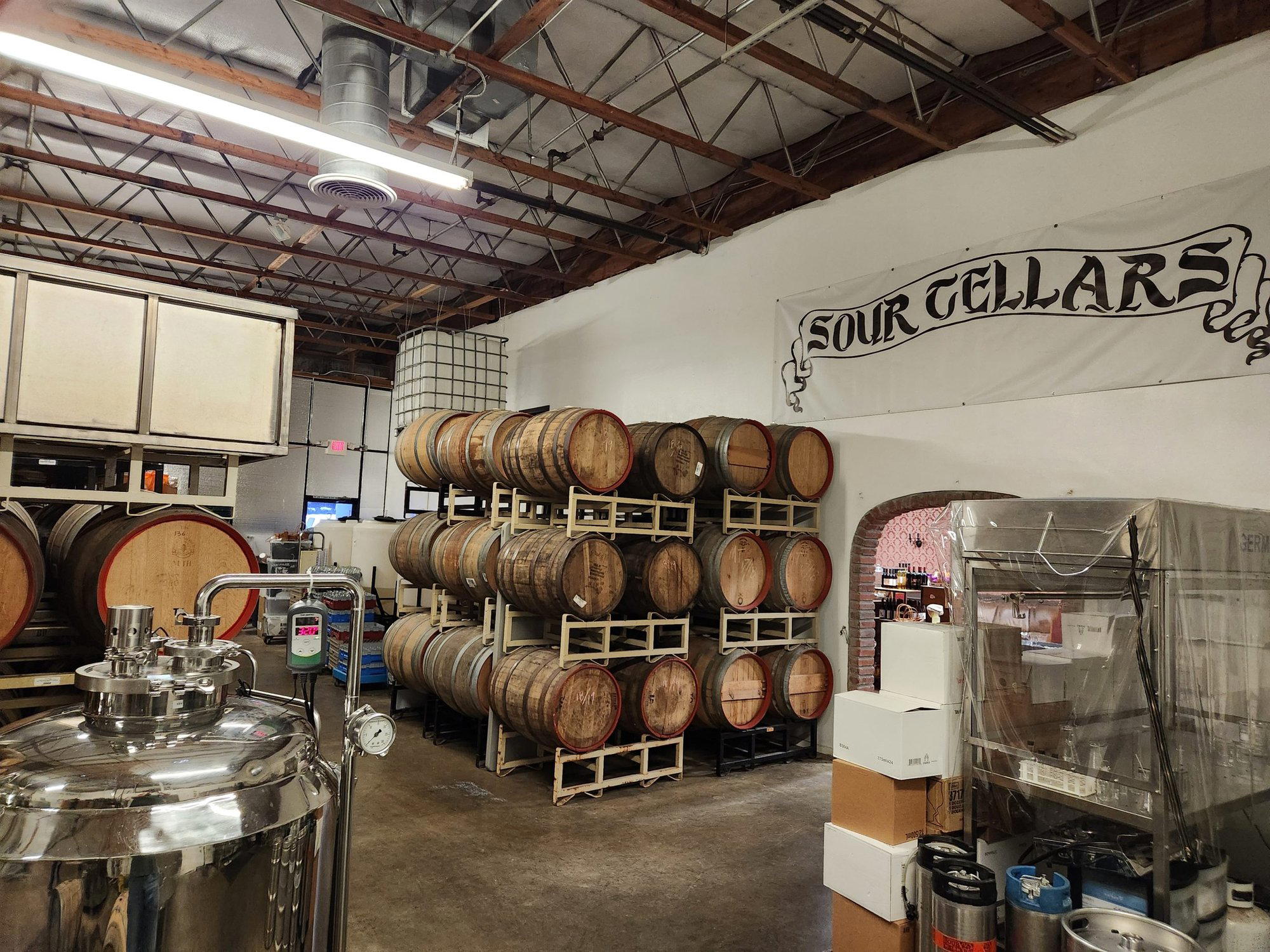
Sour Cellars Barrel Room occupies a warehouse-style space in Rancho Cucamonga's industrial east side, where the focus lands squarely on fermentation-forward, barrel-aged sour ales. The format fits a broader California shift toward production-tied taprooms where what you drink is made on the same floor where you're standing. For the Inland Empire's craft scene, it represents a more technically specific offering than most of the region's brewery-bars.

Pearl is the En Primeur Club membership app, where members save venues, book tables and use the concierge.
Where Fermentation Takes the Lead
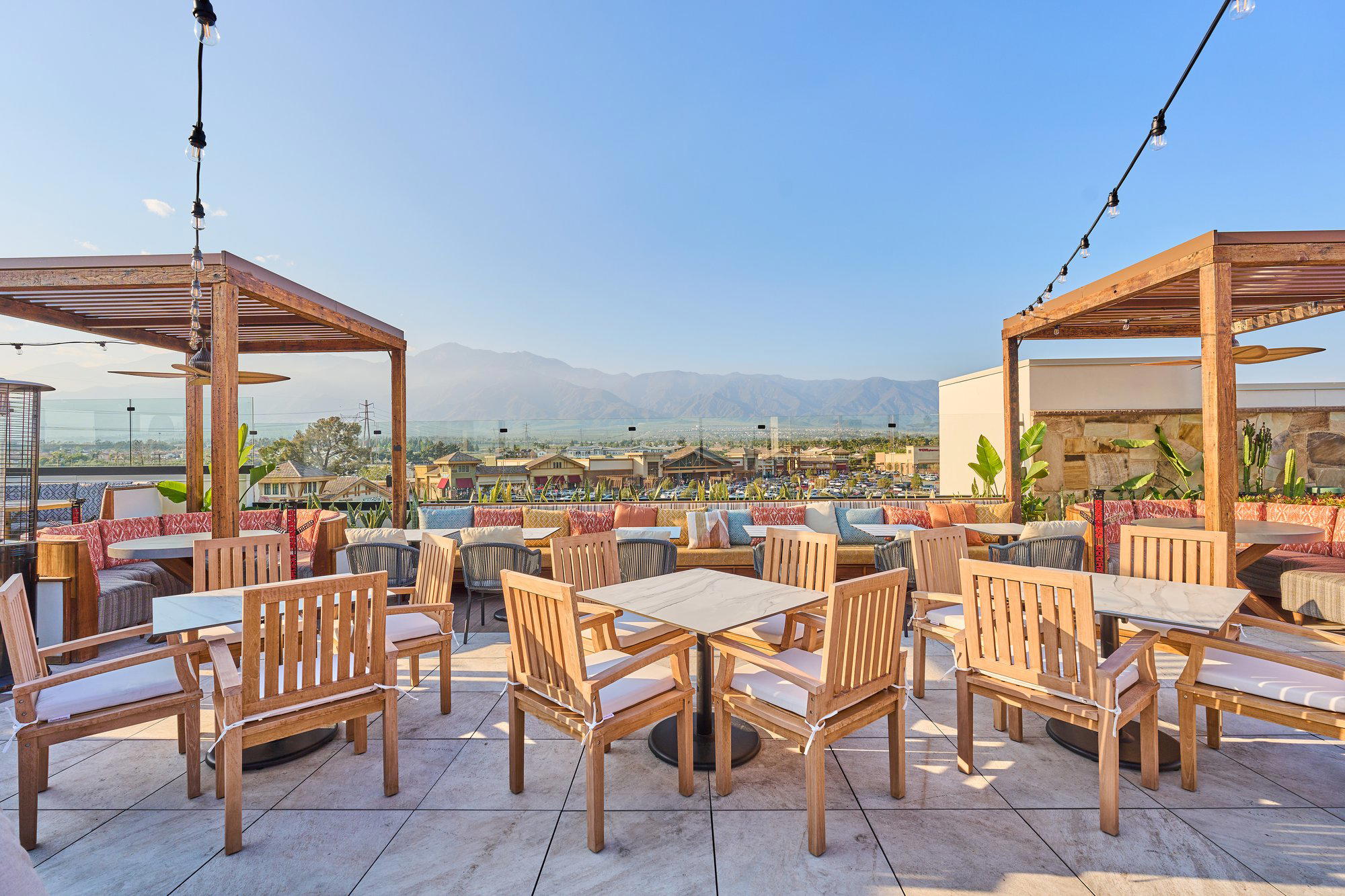
Rancho Cucamonga's craft drinking scene has developed unevenly. Alongside steakhouse bars like Cask 'n Cleaver and rooftop formats like Durango Cocina & Rooftop, a smaller tier of production-focused venues has taken hold in the city's industrial corridors. Sour Cellars Barrel Room sits on that production end of the spectrum, operating out of a unit on E 9th Street in Rancho Cucamonga's east side, a stretch where warehouse footprints and working brewery formats feel natural rather than affectedly gritty.
The barrel room format is specific. Unlike taprooms that serve a broad range of styles to maximize customer appeal, sour-focused producers commit to a narrower, more technically demanding category. Wild fermentation and extended barrel aging require patience and precision that conventional lager or IPA brewing does not, and the results attract a drinker who is looking for something closer to the sourness and complexity of Belgian lambic than to the approachable bitterness of a West Coast pale ale. That commitment narrows the audience by design, and at venues like Sour Cellars, the room tends to reflect that: quieter, more curious, more likely to be discussing the beer than raising a toast over it.
The Logic of Barrel Aging in Southern California
California's wild ale and sour beer producers occupy a small but recognized niche within the state's oversaturated craft market. The state's climate, particularly in inland regions where temperature swings between seasons are more pronounced than on the coast, creates conditions that producers of spontaneously fermented or mixed-fermentation ales have learned to work with rather than against. Rancho Cucamonga, sitting in the Inland Empire at the base of the San Gabriel Mountains, experiences this range directly: summers that push well above 90°F and winters cool enough to affect fermentation behavior in uncontrolled barrel environments.
This geography is not incidental. In barrel-aging programs across California and the broader American sour ale movement, ambient temperature is a variable that shapes the final product as meaningfully as yeast selection or wood choice. The sourness, acidity, and overall structure of a well-made barrel-aged sour ale reflects where it was made as much as how. In that sense, Sour Cellars is doing something with place that most of Rancho Cucamonga's bars and breweries are not: the environment itself becomes an ingredient.
For a wider reference point, the production-tied tasting room model has become one of the more durable formats in American craft drinking. Places like Hamilton Family Brewery elsewhere in Rancho Cucamonga demonstrate the appeal of the on-site pour. Sour Cellars operates within that same logic but with a more specialized product category that sets it apart from the family-friendly, approachable taproom format.
Sourcing and Process as the Actual Menu
At sour and wild ale producers, the sourcing story is inseparable from what ends up in the glass. The grain bill, the barrel provenance (wine barrels, spirit casks, neutral oak), the water chemistry, and whether the brewery uses spontaneous fermentation or introduced mixed cultures all determine flavor in ways that conventional beer production does not. When a producer commits to this process, the result is a lineup where each pour has a distinct identity tied to time, wood, and microbial activity rather than a consistent house recipe replicated at volume.
This connects to a broader American craft trend that has borrowed heavily from European traditions. Belgian gueuze and Flanders red ale established the vocabulary; American producers like those in the Inland Empire have adapted those methods to local conditions, local wood sources, and locally available adjuncts. Fruit additions, common in American sour programs, typically draw on regional agriculture, and California's stone fruit and citrus abundance gives producers in this state access to adjuncts that producers in colder climates have to source from further away.
The Inland Empire itself sits at the edge of regions historically associated with citrus and grape cultivation. Joseph Filippi Winery & Vineyards represents the older layer of that agricultural identity, with roots going back to when the area's viticulture was more prominent. Sour Cellars operates in a different register but draws on a related logic: local production, proximity to source materials, and a finished product shaped by where it was made.
What to Expect at the Barrel Room
The address, 9495 E 9th St Unit B, places Sour Cellars in an industrial zone that requires a degree of intentionality to visit. This is not a destination with adjacent foot traffic or a walkable neighborhood context. You arrive because you are going there specifically, which shapes the atmosphere inside. The crowd self-selects: people who know what sour ales are, who have sought this place out, and who are prepared to engage with a pour that may be challenging rather than easy.
Barrel room taprooms across the country have developed a recognizable format: concrete or epoxied floors, visible barrel stacks or fermentation vessels, limited seating, and a focused pour list that changes as batches finish. The experience rewards attention and conversation more than it rewards a quick round. For visitors accustomed to the bar formats that dominate Rancho Cucamonga's main dining and drinking corridors, this represents a different mode of engagement entirely.
For those planning a broader visit to Rancho Cucamonga's drinking circuit, Sour Cellars fits leading as a deliberate stop rather than an incidental one. Pairing it with a visit to Hamilton Family Brewery or a meal at one of the city's more established dining venues provides a useful contrast that maps the range of the local scene. Our full Rancho Cucamonga restaurants guide covers that wider territory.
Sour Cellars in the National Sour Ale Context
The sour ale taproom format has produced serious practitioners across the United States. Venues in major markets such as Kumiko in Chicago and ABV in San Francisco reflect how fermentation-forward programs have been incorporated into bar culture at the higher end of their respective city hierarchies. At the international tier, operations like The Parlour in Frankfurt show how serious beverage programs translate across contexts.
The Inland Empire does not operate in those leagues by market size or critical visibility, but the category's technical standards are consistent regardless of zip code. A well-made spontaneously fermented ale from a small California producer stands up to scrutiny on the same terms as one from a recognized Belgian or Pacific Northwest house. At specialist-tier tasting rooms like Bar Leather Apron in Honolulu, Jewel of the South in New Orleans, Julep in Houston, or Superbueno in New York City, what earns credibility is process rigor and product integrity rather than scale or visibility. Sour Cellars operates on the same terms.
Planning Your Visit
Sour Cellars Barrel Room is located at 9495 E 9th St, Unit B, Rancho Cucamonga, CA 91730. As a production taproom in an industrial zone, it functions leading as a planned visit; arriving without checking current hours or availability is inadvisable. No website or booking platform was available at the time of publication, so the leading approach is to check current operating details through Google Maps or social media before making the trip. The pour list at barrel room operations changes as batches sell out, meaning timing affects what you find on the day.
Fast Comparison
Comparable venues nearby, for context on price, style, and recognition.
| Venue | Cuisine | Price | Notes |
|---|---|---|---|
| Sour Cellars Barrel RoomThis venue (the venue you are viewing) | beer_bar | $20–30 | Not listed |
| Joseph Filippi Winery & Vineyards | wine_bar | Not listed | Etiwanda |
| Cask 'n Cleaver | pub | $30–50 | Rancho Cucamonga |
| Hamilton Family Brewery | beer_bar | $20–30 | Rancho Cucamonga |
| SHOKUNIN | sake_bar | $50–100 | Haven City |
| Durango Cocina & Rooftop | rooftop_bar | $50–100 | Rancho Cucamonga |
Continue exploring
More in Rancho Cucamonga
Bars in Rancho Cucamonga
All bars in Rancho Cucamonga →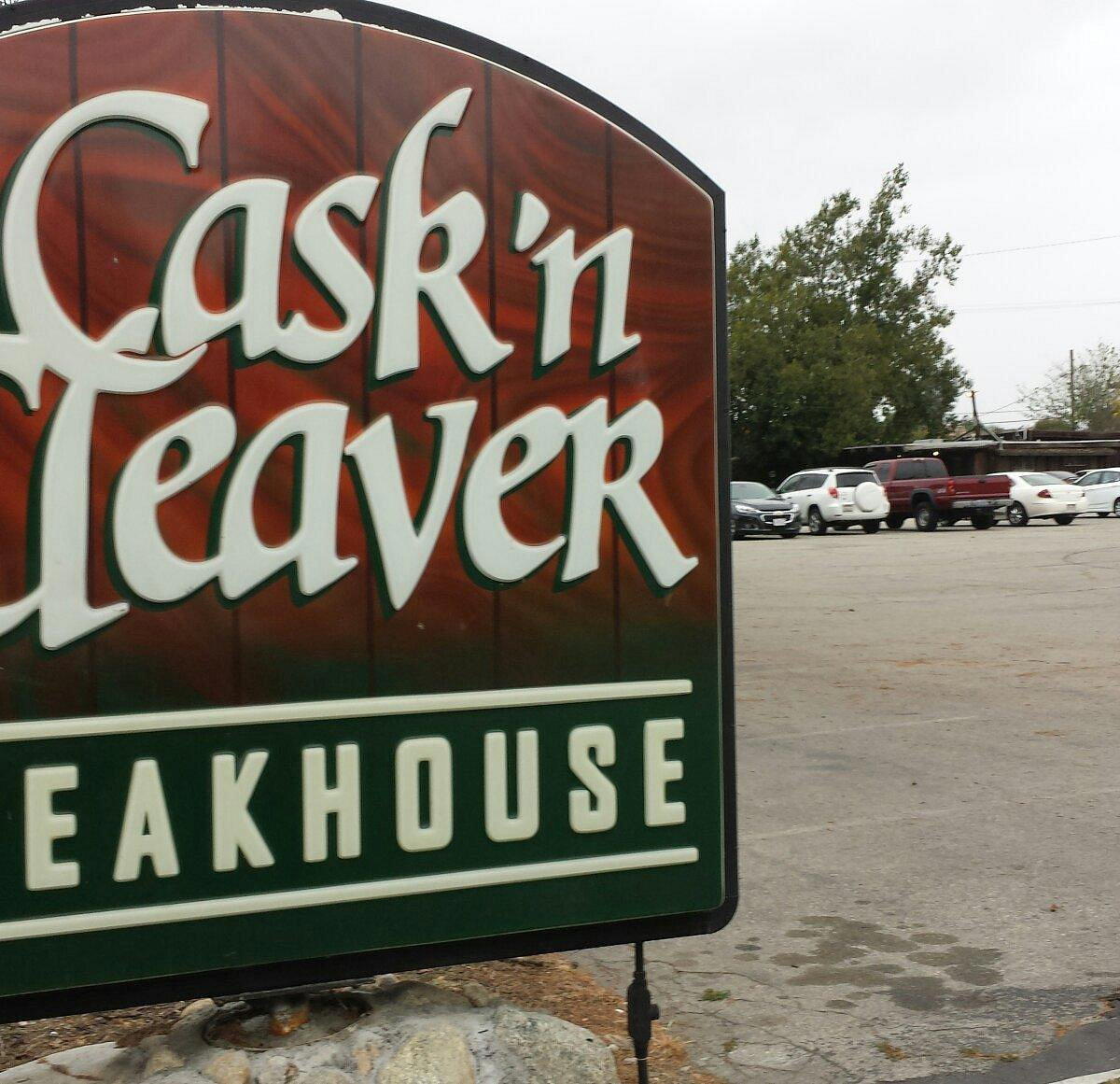
Restaurants in Rancho Cucamonga
All restaurants in Rancho Cucamonga →
Hotels in Rancho Cucamonga
All hotels in Rancho Cucamonga →
Wineries in Rancho Cucamonga
Browse all →
Sour Cellars Barrel Room
The drinks
- Craft beer
Signature drinks: Pyrotechnic Pleasantries, Adrift, Bellywengins, Ladida.
Details
- Cozy
- Rustic
- Intimate
- Date Night
- Casual Hangout
- Standalone
- Lounge Seating
- Booth Seating
- Craft Beer
Current opening hours
- Monday
- Closed
- Tuesday
- Closed
- Wednesday
- Closed
- Thursday
- 5–10 PM
- Friday
- 5–10 PM
- Saturday
- 1–10 PM
- Sunday
- 1–8 PM
Hours can change for holidays and private events. Hours as of .
Dark, mysterious speakeasy-like atmosphere with antique furnishings, plush velvet seating, Victorian decor, and mellow music creating an intimate, charming, and gothic vibe.