Osaka's rooftop bar scene has a clear upper tier, and SORA positions itself within it through skyline orientation and lounge-bar format. Where street-level bars in Namba and Shinsaibashi trade on intimacy, SORA trades on altitude and atmosphere. For visitors timing an evening around the city's shifting light, it represents a distinct category of experience.

Pearl is the En Primeur Club membership app, where members save venues, book tables and use the concierge.
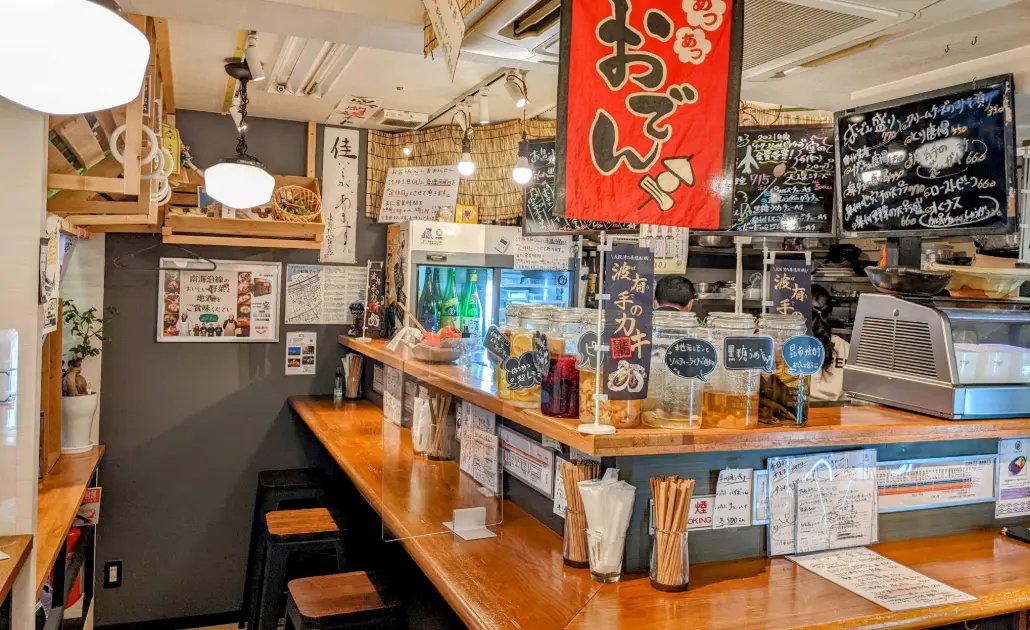
There is a particular quality to Osaka at dusk that ground-level bars can only approximate. The city's grid softens, the neon along Dotonbori begins its climb in intensity, and the low-slung density of Namba gives way to something more legible from above. Rooftop venues in Japanese cities occupy a specific cultural register: they are not the default choice for serious drinking, which tends toward dimly lit counter bars, but they serve a different function entirely, one organised around cityscape as much as glass. SORA operates in that register.
Altitude as Architecture
The dominant design logic of Japan's rooftop lounges is the managed view. Unlike European rooftop bars that often treat elevation as a backdrop, the better Japanese examples treat the skyline as a structural element of the space itself, orienting seating, sightlines, and service flow around it. Where interior bars like Bar Nayuta or Craftroom in Osaka are composed around the counter and the craft within it, a rooftop lounge composes around the perimeter and the horizon beyond. The physical container is, in effect, the city itself.
SORA works within this logic. The name, meaning "sky" in Japanese, signals the spatial premise directly. As a rooftop lounge and bar, its primary architectural gesture is vertical separation from the street: the act of ascent is part of the experience, not a preamble to it. That separation reconfigures the relationship between guest and city, turning Osaka's density into a panoramic fact rather than an immediate pressure.
This framing matters because it places SORA in a different competitive conversation than Osaka's indoor bar scene. The reference points are not the whisky counters of Shinsaibashi or the craft cocktail programs at venues like Bar Juniper and Bistro Champagne. The comparison set is narrower: refined lounges where the space itself carries the weight of the visit.
The Osaka Rooftop Context
Osaka's bar culture sits in an interesting position relative to Tokyo's. Tokyo has the global flagship density, the Michelin-recognised cocktail programs, the counters that draw international bar professionals on research trips. Osaka's scene is more internally referenced, built around neighbourhood regulars and regional reputation rather than export-facing prestige. Bar Benfiddich in Tokyo and its cohort represent one end of the Japanese bar spectrum; Osaka tends to reward the visitor willing to look past that hierarchy.
Within Osaka, the rooftop category is small. Most of the city's serious drinking happens at street level or below it, in basement bars that prioritise focus over spectacle. That makes altitude-oriented venues like SORA a distinct niche rather than a mainstream choice. For visitors whose itinerary already includes counter bar experiences in Osaka, or who are moving through the Kansai region and have already spent time at Bee's Knees in Kyoto or Lamp Bar in Nara, SORA offers a format change rather than a format upgrade.
What the Format Delivers
A rooftop lounge in a dense Japanese city functions differently from its counterparts in, say, Bangkok or Singapore, where outdoor rooftop culture is part of the mainstream hospitality offer. In Osaka, the format is less expected, which changes the dynamics of who uses it and when. Early evening, when the light is still active and the city below is shifting from daytime to nighttime operations, tends to be the hour that rewards rooftop positioning most directly. Later, when the skyline becomes a fixed neon pattern, the atmospheric argument for elevation weakens slightly against the case for a more focused indoor bar.
The food and drink offer at a venue of this type typically spans lounge-compatible formats: cocktails, wine, light plates that support longer stays without anchoring guests to a full dining rhythm. This is a different mode from the kappo-influenced tasting menus or the technique-forward cocktail programs at specialist venues. It is also a different mode from the casual izakaya circuit that defines much of Osaka's social drinking culture. SORA occupies the middle register: more considered than a hotel bar lobby, less demanding than a counter-service specialist.
That positioning makes it a practical choice at specific points in an Osaka visit. Arriving in the city and wanting spatial orientation before committing to neighbourhood-level exploration is one such point. Closing an evening that has already included a focused meal or a counter bar session is another. It is not a venue that competes on the same terms as anchovy butter in Osaka Shi or the more specialist formats in the city's drinking circuit; it competes on atmosphere and position.
Placing SORA in the Wider Kansai Bar Circuit
For visitors building a multi-city Kansai itinerary, the rooftop lounge format appears in different configurations across the region. Kyoto Tower Sando in Kyoto Shi operates within a landmark structure that gives it its own spatial identity. The vertical premise is shared, but the surrounding city context is different: Kyoto's lower skyline and more restrained streetscape produce a different kind of elevation experience than Osaka's lit-up commercial density. Choosing between them is partly a question of what kind of city view the evening calls for.
Further afield, Yakoboku in Kumamoto demonstrates how regional Japanese bar culture continues to develop outside the major cities, and Bar Leather Apron in Honolulu shows how Japanese bar discipline has exported. Neither is a direct comparison for SORA, but both illustrate the range of formats that the broader category encompasses.
For a fuller picture of where SORA sits within Osaka's wider hospitality offer, our full Osaka restaurants guide maps the city's dining and drinking across neighbourhoods and price tiers.
Planning the Visit
Rooftop venues in Japan are consistently subject to weather closures, seasonal operating adjustments, and hours that shift with daylight. Visiting during the shoulder seasons of spring and autumn, when Osaka's temperatures are mild and clear evenings are more frequent, maximises the spatial argument for rooftop positioning. Summer in Osaka runs humid and warm, which can affect outdoor comfort; winter evenings are cool enough that the view becomes the primary draw rather than the air itself. Direct confirmation of current hours and any advance booking requirements is worth completing before arrival, since the format does not always follow conventional bar reservation logic.
The Quick Read
Comparable venues nearby, for context on price, style, and recognition.
| Venue | Cuisine | Price | Awards | Notes |
|---|---|---|---|---|
| SORAThis venue (the venue you are viewing) | Umeda, Bar | $20–30 | Not listed | Not listed |
| La Champagne | Not listed | $50–100 | Star Wine List | Kita, champagne_bar |
| Fujimaru Higashi-Shinsaibashi | Not listed | $50–100 | Star Wine List | Chūō, wine_bar |
| Ista | Not listed | Not listed | Not listed | Chūō, cocktail_bar |
| Ista Coffee Element | Not listed | $20–30 | Tatler Listed in Best Bars Asia-Pacific | Chūō, cocktail_bar |
| Shimanouchi Fujimaru Winery | Not listed | Not listed | Not listed | Chūō, wine_bar |
Continue exploring
More in Osaka
Bars in Osaka
All bars in Osaka →



Restaurants in Osaka
All restaurants in Osaka →






Details
- Group Outing
- Private Rooms
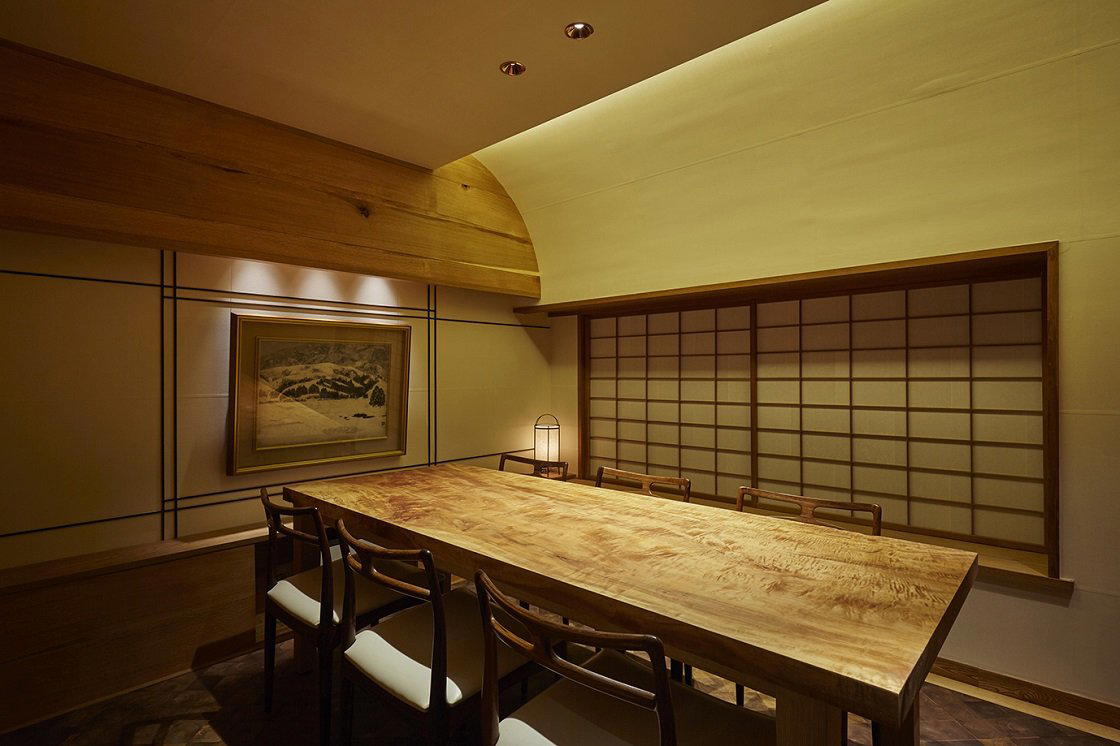
Cozy private dining spaces.