Señor Sisig (Oakland)
Señor Sisig brings Filipino-Mexican fusion to downtown Oakland, grounding its menu in the slow-cooked, vinegar-braised pork traditions that define sisig as a dish. Located at 330 17th St, the spot draws a cross-section of downtown workers and East Bay food enthusiasts who track their food by provenance as much as by flavor. The format is fast-casual, the cooking is anything but.
 Discover on Pearl
Pearl is the En Primeur Club membership app — saves, bookings, and concierge access live there. Same editors, same standards.
- Address
- 330 17th St, Oakland, CA 94612
- Phone
- +1 855 747 4455
- Website
- senorsisig.com
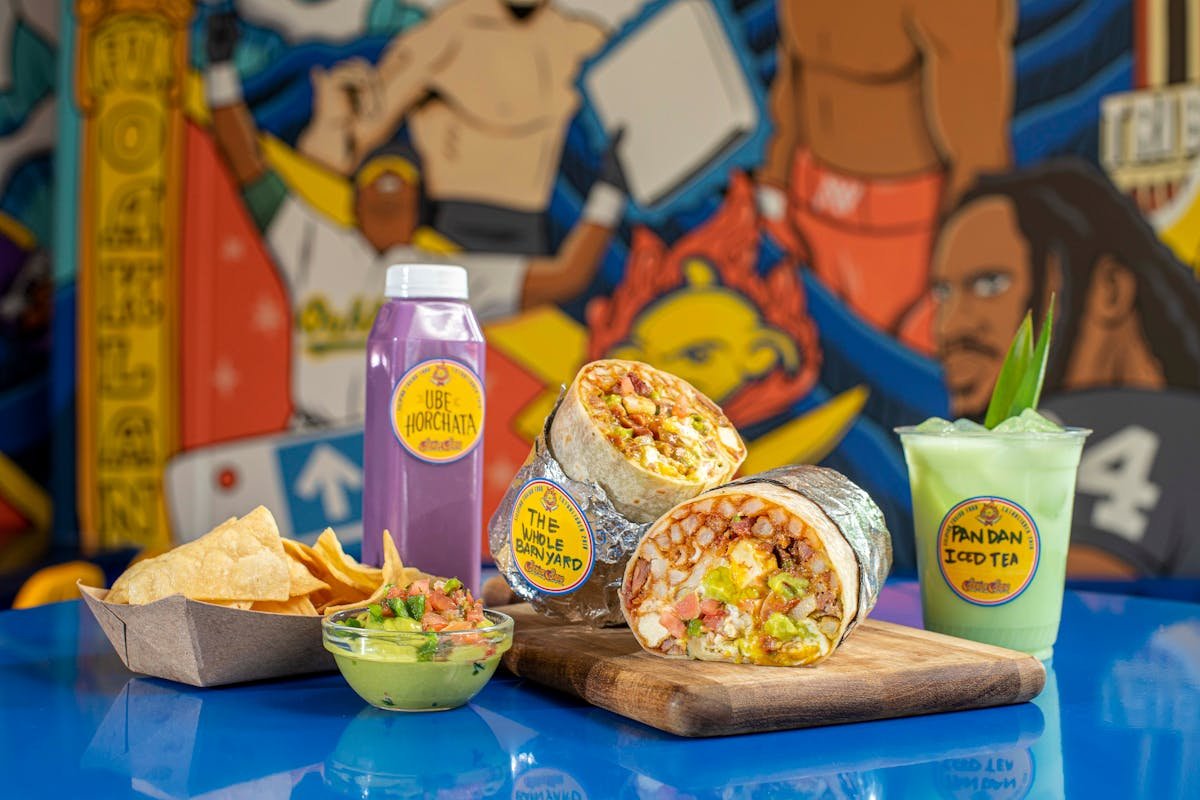
Where Filipino Braising Meets the Bay Area's Sourcing Ethos
The corner of 17th and Webster in downtown Oakland sits at the edge of a civic district that has, over the past decade, accumulated a dining identity built less on fine-dining formality and more on culinary specificity. Fast-casual formats here carry real cooking ambitions. Señor Sisig, at 330 17th St, belongs to that category: a Filipino-Mexican counter-service concept whose central ingredient, sisig, arrives with a lineage stretching back to Pampanga province in the Philippines, where the dish was first documented as a way of using the parts of the pig that most kitchens discard. The Oakland location is one of several Bay Area outposts the brand has developed since its origins as a San Francisco food truck, which means the kitchen has had years to tighten the translation from street food to brick-and-mortar.
The Ingredient at the Center: What Sisig Actually Is
Filipino-Mexican fusion as a category gets used loosely, but in this case the integration is structural, not decorative. Sisig is a dish built on braised, chopped, and crisped pork, traditionally from the face and ears, finished with acid, often calamansi or vinegar, and served sizzling. That sourness is not incidental. It is the organizing principle of the dish, cutting through fat in a way that aligns closely with the lime and pickled-vegetable logic of a good taco. The format shift from sizzling plate to burrito or rice bowl is more coherent than it might initially seem, because the acid and fat balance of sisig translates well across vessel types. The Bay Area, which has sustained a significant Filipino-American community for generations, provides a market that understands what it is eating rather than encountering it as novelty. That context matters for how a kitchen chooses to cook: when the audience knows the reference, shortcuts are harder to hide.
Oakland's proximity to the Central Valley, one of the primary agricultural zones supplying Northern California restaurants, shapes the sourcing conversation around any serious operator in the East Bay. While specific sourcing details for this location are not available in verified form, the Bay Area fast-casual sector has broadly moved toward named-supplier pork programs since the early 2010s, a shift driven by consumer expectation as much as operator philosophy. A concept built on a single hero ingredient has strong incentive to track that ingredient carefully: when sisig is essentially the menu, the quality of the pork is the quality of the kitchen.
The Oakland Context: A City That Eats With Opinions
Oakland's food scene has historically operated in San Francisco's shadow in terms of press attention, while often producing more experimentally grounded cooking. The city's Filipino-American community has roots in the East Bay going back to the early twentieth century, which means Filipino food here does not occupy the "discovery" position it sometimes holds in cities with younger diaspora communities. Diners are more likely to be evaluating execution against a known standard than encountering the cuisine for the first time. That creates a more demanding baseline for a concept like Señor Sisig, which is why its longevity across multiple Bay Area locations carries more signal than it might in a less informed market.
For drinks in the immediate area, Analog offers a bar format that pairs well with a pre- or post-meal stop, as does the natural wine focus at Bay Grape, which has built one of the East Bay's more considered bottle lists. For a fuller picture of what the city is doing across formats, our full Oakland restaurants guide covers the range from counter-service to full-service dining. The broader neighborhood also includes 13 Orphans and alaMar Dominican Kitchen, the latter representing another diaspora-rooted kitchen with a clear point of view about Caribbean ingredients and technique.
Filipino-Mexican Fusion in National Context
The cross-cultural format that Señor Sisig represents has precedent in several American cities where Filipino communities have intersected with Mexican culinary traditions, particularly in California, where both communities have long-established agricultural and urban histories. The approach sits in a different register from the bar-program-led fusion operations that have drawn attention in cities like New York, where Superbueno has built a Latin-inflected identity around cocktails as much as food, or in Chicago, where Kumiko has made Japanese-American culinary reference central to a sophisticated bar program. The Señor Sisig model is less about cocktail architecture and more about ingredient fidelity at counter-service speed, a format that demands different execution standards. Comparisons to spirit-forward operations like Bar Leather Apron in Honolulu, Jewel of the South in New Orleans, Julep in Houston, ABV in San Francisco, or The Parlour in Frankfurt on the Main point to how differently the premium casual and bar-centric ends of the market have developed, and why the fast-casual Filipino-Mexican format occupies its own distinct position in the American food-service spectrum.
Planning Your Visit
Señor Sisig's 330 17th St address places it within walking distance of the 19th Street BART station, making it accessible from San Francisco in under thirty minutes by rail, a practical point for cross-bay visitors who want to eat well without committing to a full-service dining timeline. The downtown Oakland location draws a lunchtime crowd from nearby office and civic buildings, which means midday queues are a realistic expectation on weekdays. Early lunch or a late afternoon visit during the week tends to move faster. Contact details and current hours are not listed in verified records, so checking directly through the brand's confirmed channels before visiting is advisable, particularly given that Bay Area fast-casual operators have adjusted hours frequently in the post-2020 period. No advance booking is required for counter service, but arriving outside peak hours remains the clearest way to manage wait times.
Continue exploring
More in Oakland
Bars in Oakland
Browse all →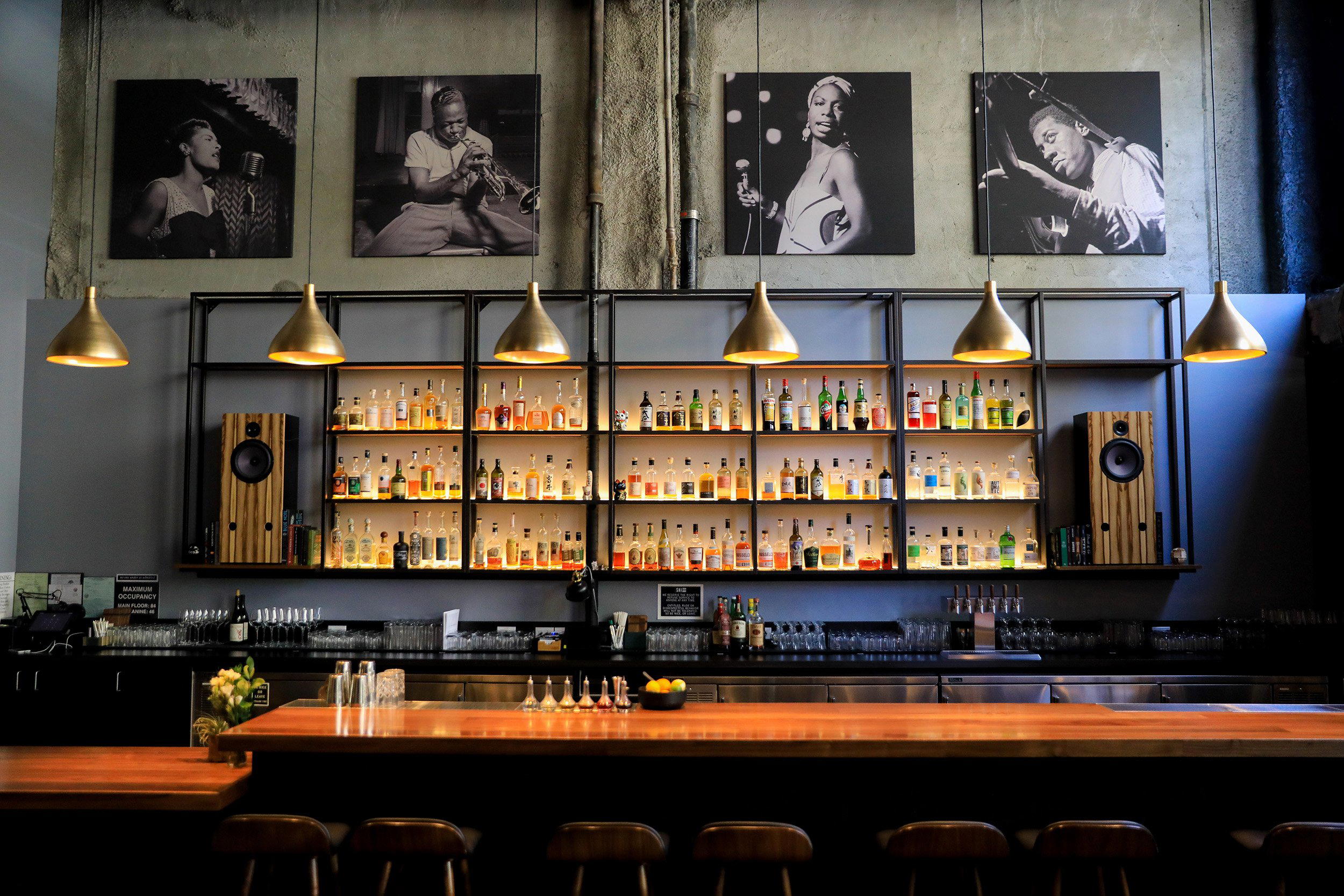
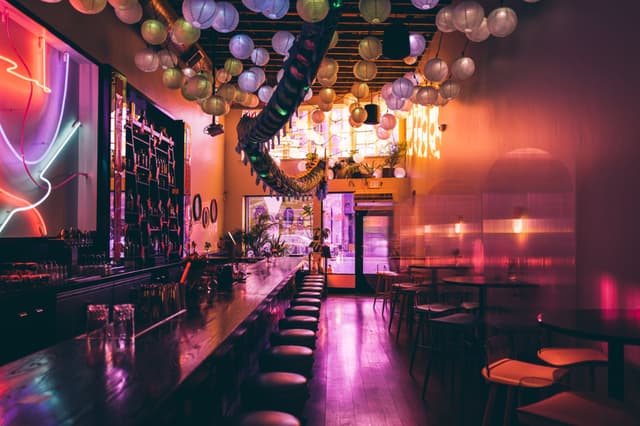
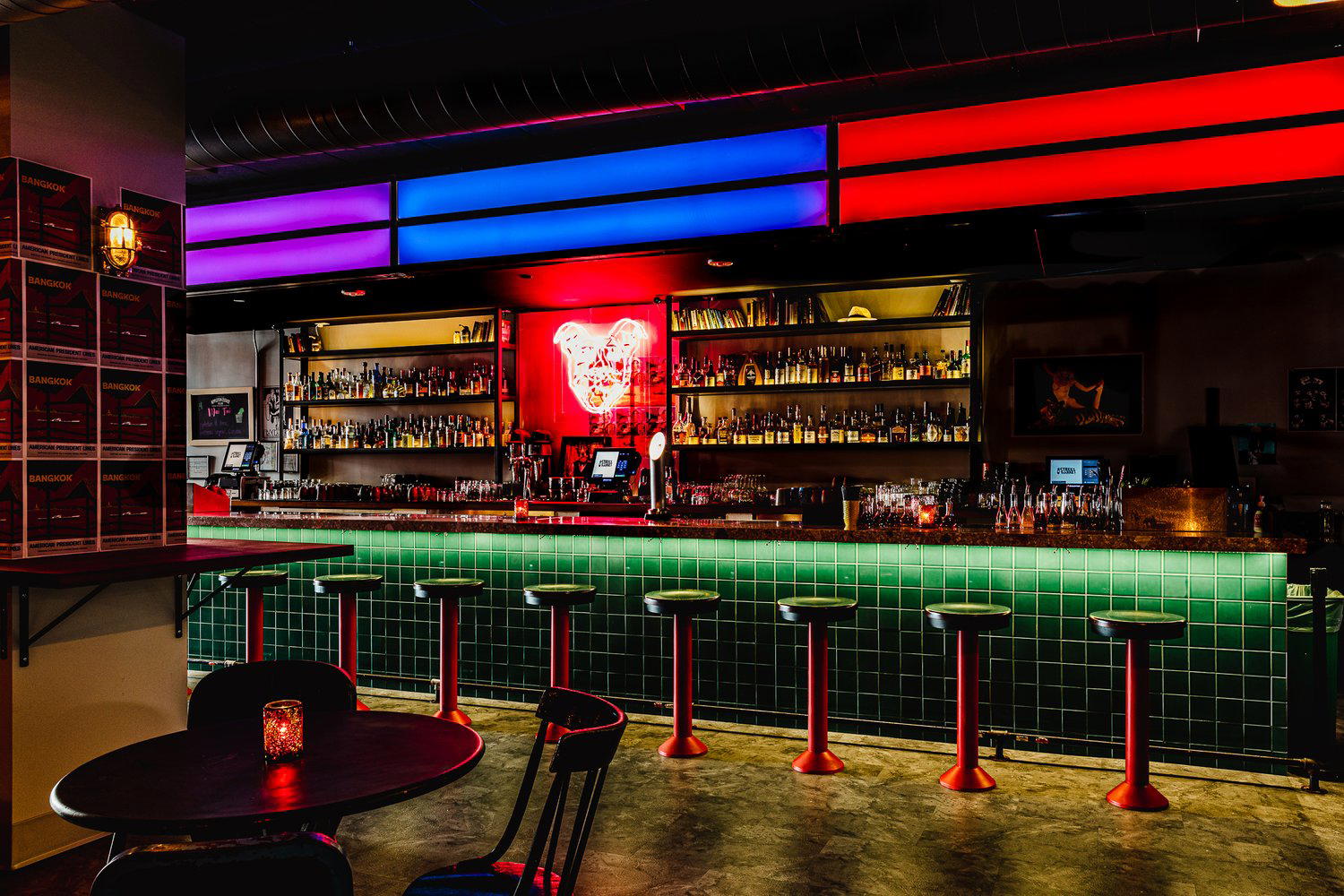
Restaurants in Oakland
Browse all →
Hotels in Oakland
Browse all →




At a Glance
- Lively
- Trendy
- Group Outing
- Casual Hangout
- Standalone
- Communal Tables
- Craft Cocktails
Splashy and energetic atmosphere with a focus on flavorful Filipino fusion food and occasional music events.