Seattle Waterfront
The Seattle Waterfront sits at the intersection of working harbor and refined dining, where the shift between a midday meal and an evening table produces two distinct experiences in mood, menu, and pace. Positioned against Seattle's broader waterfront bar and restaurant scene, it draws from the city's deep Pacific seafood traditions while competing in a category defined by location premiums and proximity to Elliott Bay.
Pearl is the En Primeur Club membership app — saves, bookings, and concierge access live there. Same editors, same standards.
- Address
- Seattle, United States
- Directions
- Get directions
 Saves & bookings on Pearl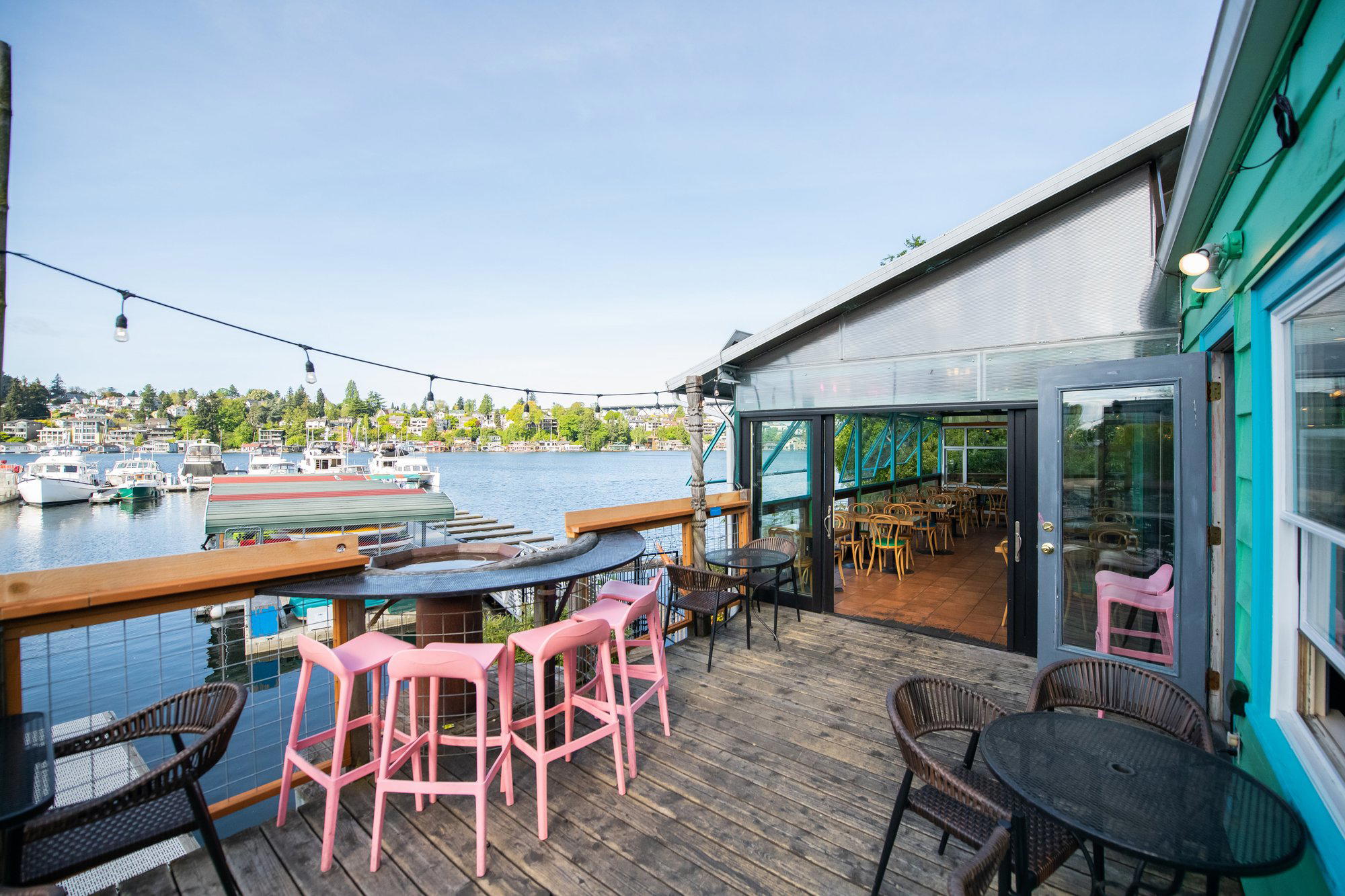
Where the Water Sets the Terms
Seattle's waterfront has never been a passive backdrop. The working harbor character of Elliott Bay, the ferry traffic, the fish market legacy anchored by Pike Place a few blocks uphill, these forces shape what dining along the water actually means here. Restaurants and bars on or near the waterfront don't just borrow scenery; they operate inside a set of expectations that the city has built over generations of seafood culture, longshoreman history, and tourist infrastructure layered on top of genuine local identity. Seattle Waterfront is a bar in Seattle, priced at about $35 per person.
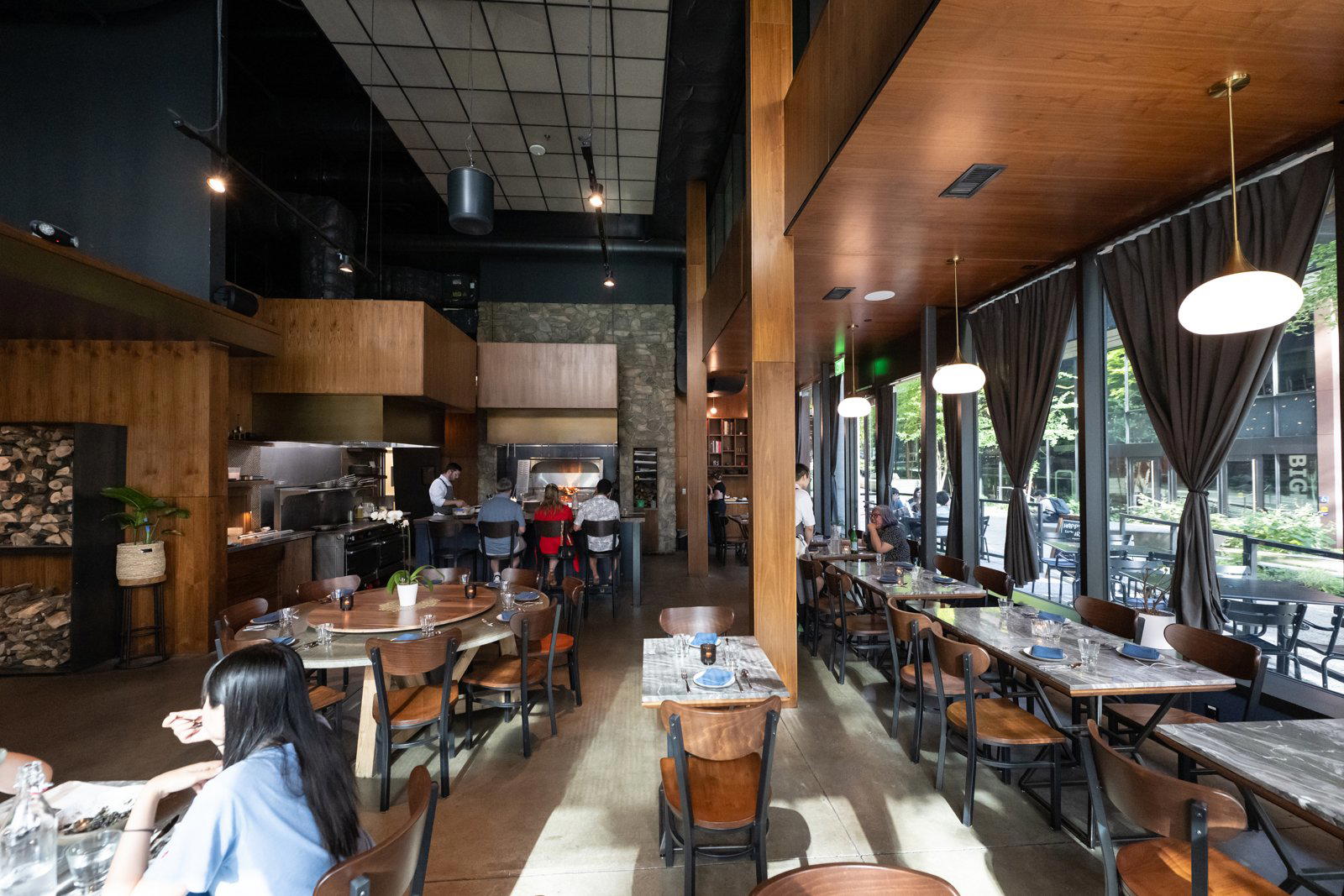
Seattle's waterfront dining category has split in recent years between high-volume operations designed for tourist throughput and a smaller tier of spots that appeal equally to locals who want the view without the compromise in quality. The latter group competes less on novelty and more on whether the kitchen and bar program can hold up against what you'd find inland, at places like Canon or Roquette, where the absence of a water view forces the program itself to carry all the weight.
Daytime on the Water: A Different Contract
The lunch-to-dinner divide along Seattle's waterfront is more pronounced than in most urban dining neighborhoods. At midday, the waterfront operates in a mode closer to its working-harbor roots: the light is flat and honest, ferry passengers move through, and the crowd mixes locals on short breaks with visitors who arrived early enough to avoid the afternoon surge. Lunch service here tends toward directness, seafood preparations that foreground the ingredient rather than the technique, and pacing that suits a two-hour window rather than a leisurely evening.
The value calculus also shifts. Across Seattle's waterfront venues, lunch price points typically run below dinner equivalents for comparable proteins and preparations, a pattern consistent with the broader Pacific Northwest dining market where dinner is where operators recover margin on premium seafood sourcing. For visitors trying to orient their spending, a waterfront lunch often delivers the full geographic and culinary context of the location at a lower entry point than the evening equivalent.
Daytime also suits the view itself. The quality of light on Elliott Bay between 11am and 2pm, particularly on the clear days Seattle generates more reliably from late spring through September, produces a visual context that evening candlelight and the city's ambient glow simply replaces rather than improves. If the water is the reason you're here at all, lunch has the stronger argument.
Evening Service and the Mood Shift
By early evening, the character changes. The tourist foot traffic thins, the ferry schedule spaces out, and waterfront venues shift into a register closer to destination dining than convenience stop. The lighting changes, the menu often reconfigures toward larger formats, and the bar program takes on more weight in the overall experience. Seattle's cocktail culture has raised baseline expectations citywide, and waterfront venues that don't take their bar program seriously read as dated against that standard.
Evening on the waterfront also rewards patience with the city itself. Seattle's skyline from the water, particularly as the light fades over the Olympics on clear evenings, is one of the more composed urban views on the West Coast. Dinner here is partly about the room and partly about what's outside the window, and the leading waterfront operations understand that the view is load-bearing infrastructure for the entire experience.
The Pacific Seafood Frame
Any serious waterfront dining conversation in Seattle eventually circles back to Pacific seafood. Washington State produces Dungeness crab, razor clams, Penn Cove mussels, and multiple salmon species, a sourcing geography that gives Seattle kitchens an ingredient advantage that counterparts in landlocked cities simply cannot replicate. The waterfront position makes that sourcing story legible in a way that an inland address doesn't: you are, quite literally, eating where the supply chain begins.
This is a tradition with weight. The Pike Place fish market, operating since 1907, set a baseline for seafood directness that Seattle diners have carried forward as an expectation. Overly elaborated preparations tend to age poorly here; the room favors kitchens that know when to stop. That restraint, when it works, is what separates Seattle's better seafood venues from their equivalents in cities where the ingredient has to travel further to reach the plate.
For context on how Pacific Coast waterfront drinking culture compares more broadly, ABV in San Francisco offers a useful point of reference for the Northern California variant of the same geographic and culinary tradition, similar Pacific sourcing logic, different neighborhood character.
Positioning Against the comparable set
Across American coastal cities, waterfront venues occupy a peculiar middle position: their location is a premium asset, but it also attracts a customer base that may be less demanding than the crowd at a comparable inland address. The sharpest waterfront operations counteract this by running programs that would hold up in any neighborhood. In Seattle, the internal competition includes strong bar programs, a serious wine culture, and kitchens that have absorbed influences from the city's Japanese, Vietnamese, and broader Asian Pacific communities. A waterfront venue that ignores those influences reads as geographically isolated from the city it's supposed to represent.
For travelers comparing waterfront dining experiences across cities, the comparable set extends beyond Seattle. Bar Leather Apron in Honolulu, Jewel of the South in New Orleans, Julep in Houston, Kumiko in Chicago, Superbueno in New York City, and The Parlour in Frankfurt on the Main all represent urban bar and dining programs where location premium is secondary to program quality. That's the standard against which serious waterfront venues eventually get measured. See our full Seattle restaurants guide for broader context on how the waterfront fits into the city's dining geography.
Know Before You Go
- Location: Seattle Waterfront, Elliott Bay, Seattle, Washington
- Booking: Recommended
- Ideal time to visit: Late spring through early September for clear-day views; lunch for light and value, dinner for atmosphere
- Dress code: Smart casual
- Getting there: The waterfront is accessible via the Seattle Center Streetcar or on foot from Pike Place Market; parking on the waterfront itself is limited and expensive during peak summer months
- Seasonal note: Summer weekends draw the highest foot traffic; weekday lunch in the shoulder season (May, September) offers a quieter experience without sacrificing the view
The Short List
Comparable venues nearby, for context on price, style, and recognition.
| Venue | Price | Notes |
|---|---|---|
| Seattle WaterfrontThis venue — the venue you are viewing | $$$ | Not listed |
| Firn | $$$ | Pioneer Square, rooftop_bar |
| Life On Mars | $$ | Pike/Pine, cocktail_bar |
| Mashiko Japanese Restaurant | $$$ | Genesee, sake_bar |
| The Hideout | $$ | First Hill, cocktail_bar |
Continue exploring
More in Seattle
Bars in Seattle
Browse all →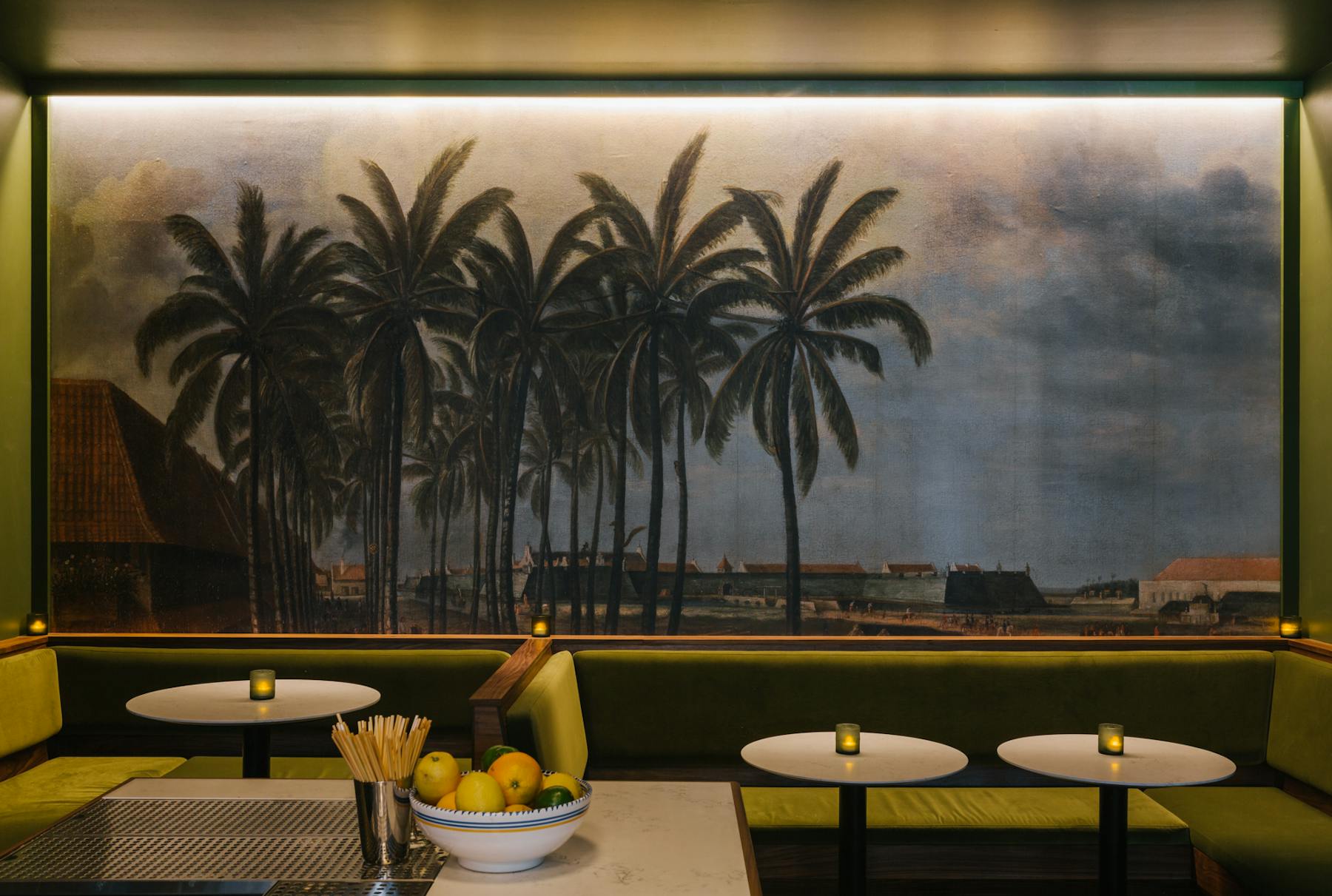
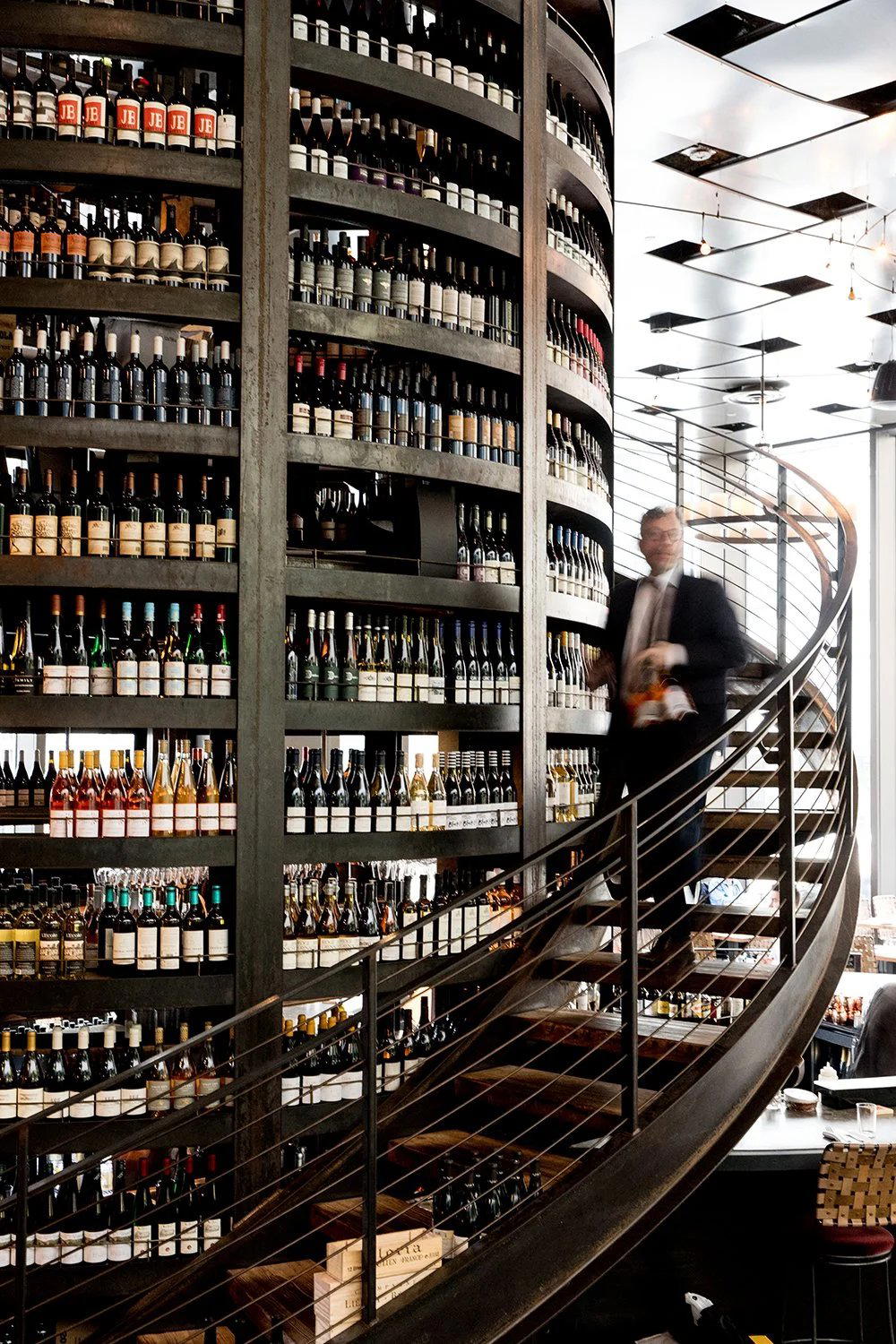
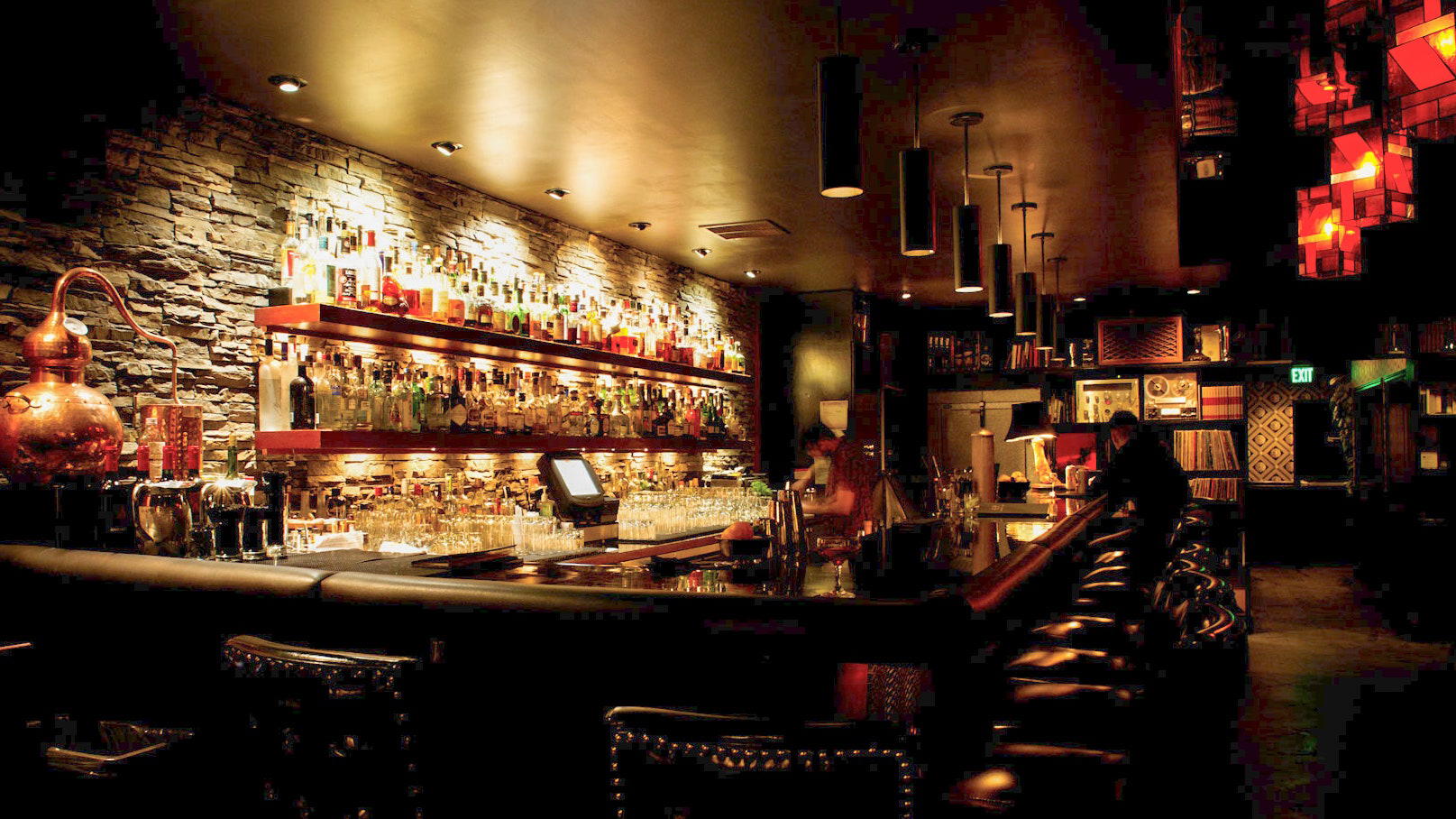
Restaurants in Seattle
Browse all →
Hotels in Seattle
Browse all →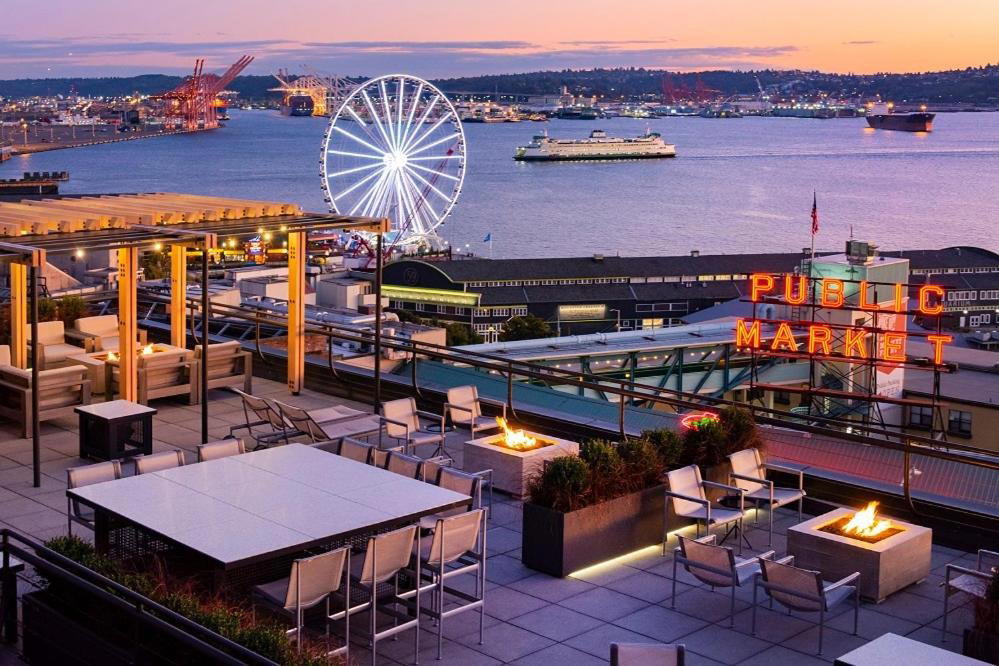

At a Glance
- Scenic
- Elegant
- Date Night
- After Work
- Waterfront
- Live Music
- Lounge Seating
- Craft Cocktails
- Waterfront
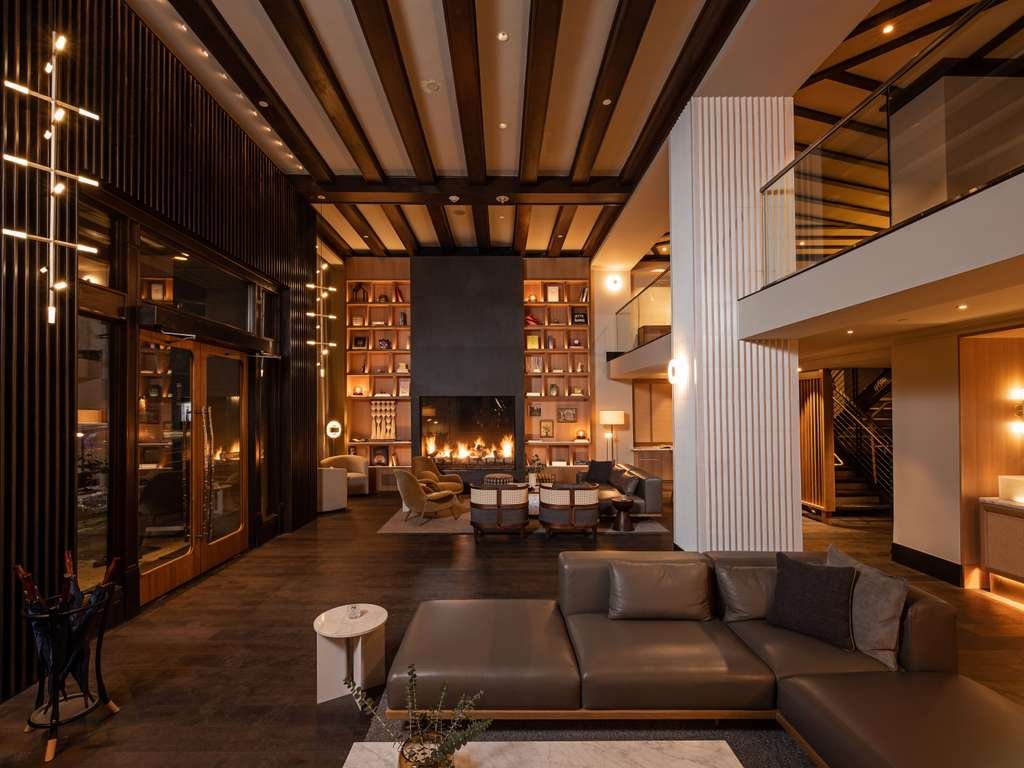
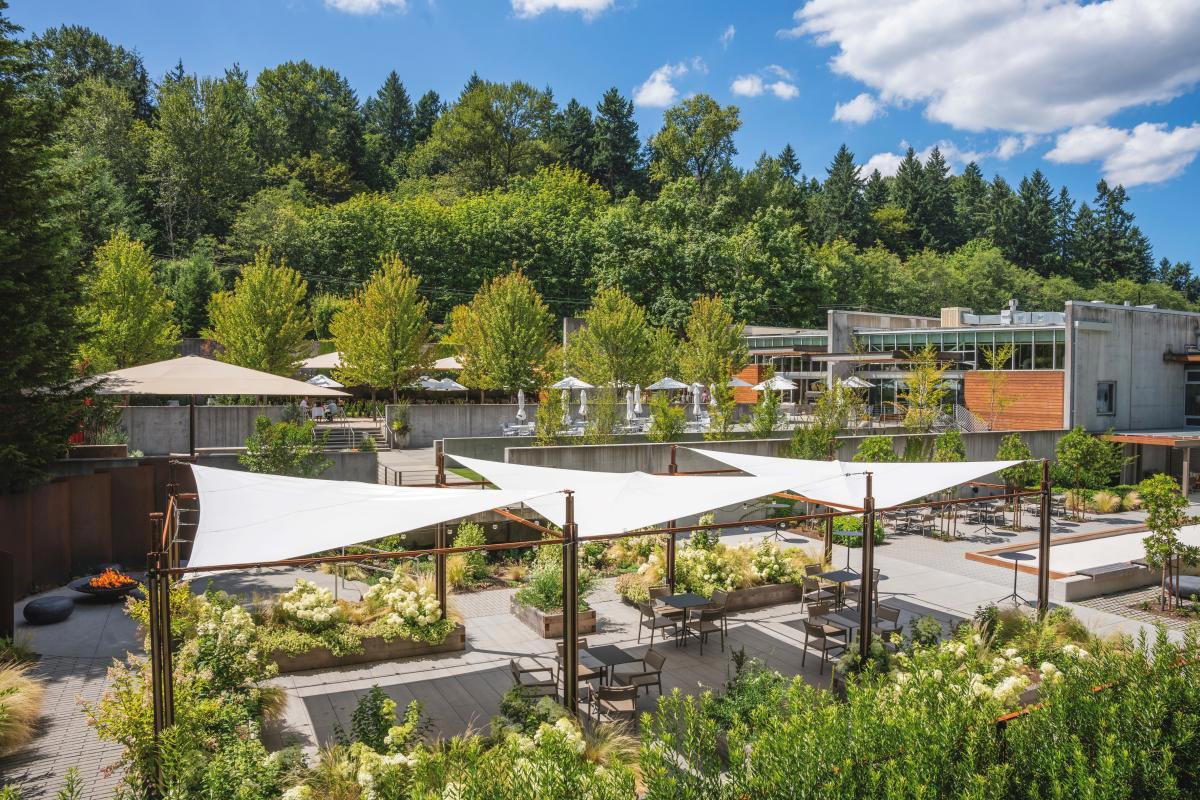
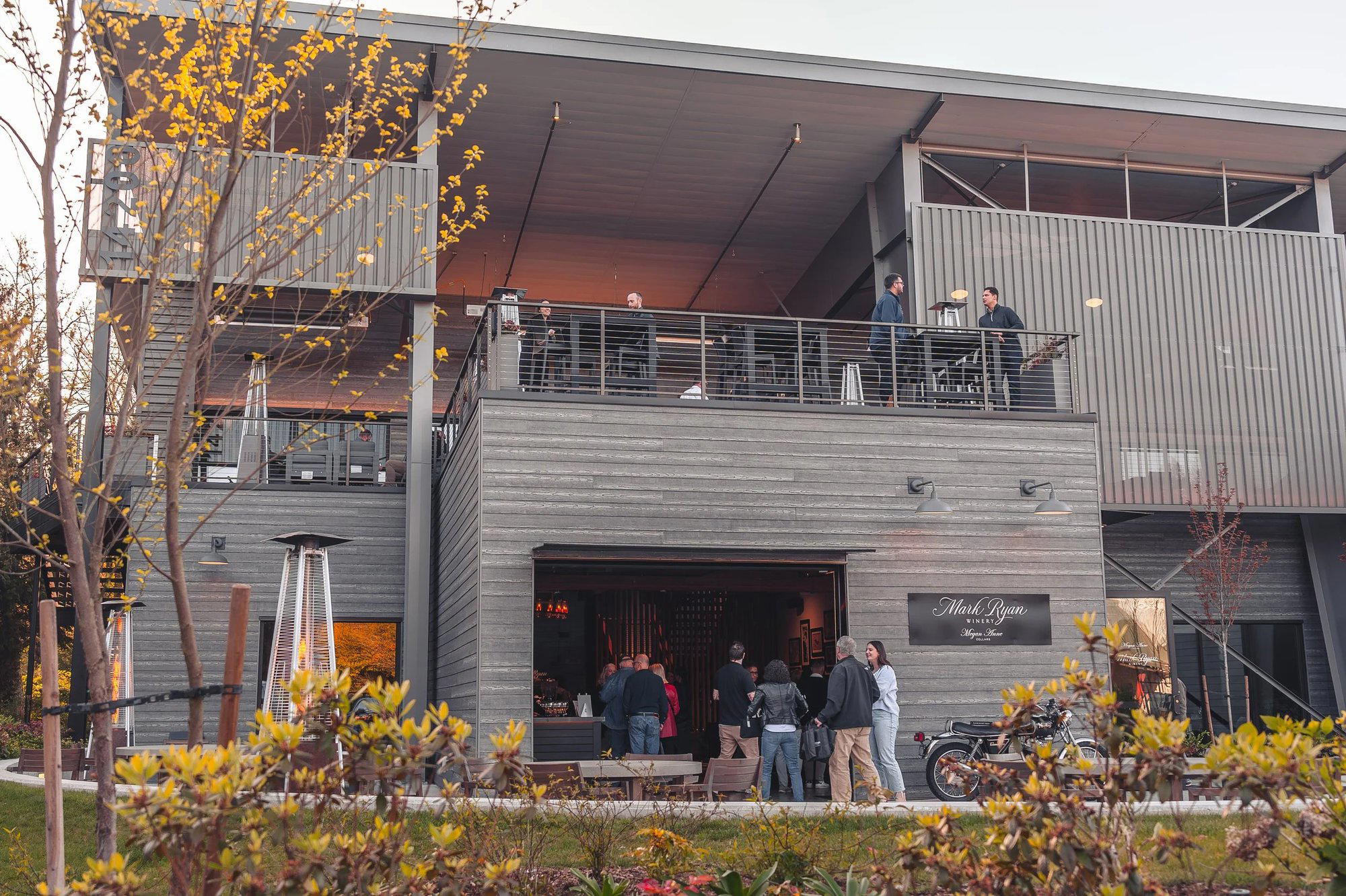
Lush harmonies from live jazz guitar create a refined waterfront atmosphere with upscale cocktails and local cuisine.