Scopo Divino
Scopo Divino occupies a corner of San Francisco's California Street corridor where the city's appetite for Italian-inflected wine bars and neighborhood drinking culture overlap. The address at 2800 California St places it squarely in Lower Pacific Heights, a stretch that has gradually traded casual retail for more considered eating and drinking over the past decade. For those tracking how San Francisco's mid-format bar and wine scene has shifted away from loud restaurant annexes, it is a useful reference point.
Pearl is the En Primeur Club membership app — saves, bookings, and concierge access live there. Same editors, same standards.
- Address
- 2800 California St #101, San Francisco, CA 94115
- Phone
- +1 415 928 3728
- Website
- scopodivino.com
- Directions
- Get directions
 Saves & bookings on Pearl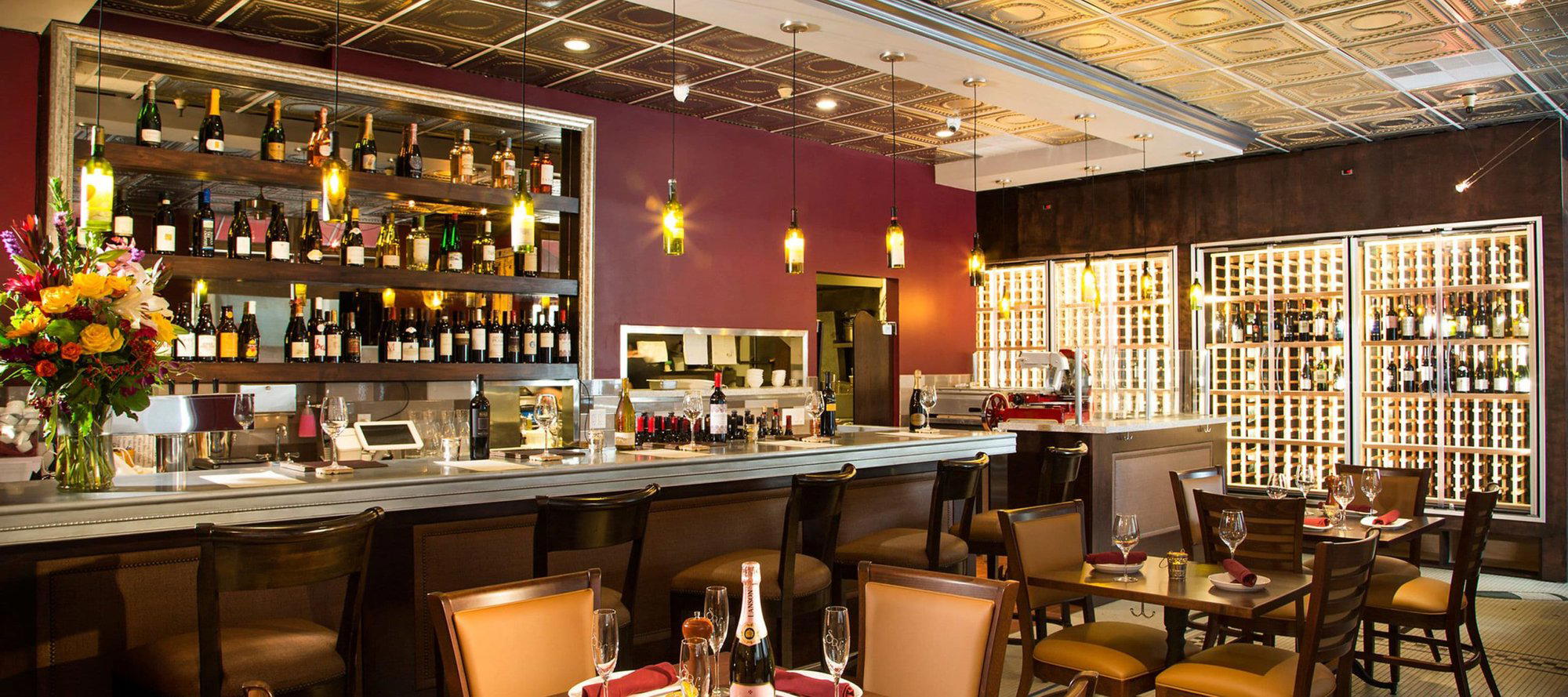
A Corner That Earned Its Regulars
Lower Pacific Heights sits between the louder ambitions of Fillmore Street and the quieter residential blocks pushing toward Divisadero. California Street runs through it like a slow exhale, and the stretch around 2800 has accumulated the kind of low-key density that marks a neighborhood drinking corridor in its mature phase. Scopo Divino occupies a corner unit there, a format that tends to attract a particular type of San Francisco drinker: one who wants wine without theater and conversation without competition from a sound system calibrated for a different audience.
San Francisco's wine bar category has evolved considerably in the past fifteen years. What began as a city dominated by large-format restaurant wine programs and a handful of Hayes Valley-era wine shops with bar stools has fractured into something more varied. Neighborhood-anchored formats, focused on Italian and European producers and priced to support repeat visits rather than special occasions, now hold a distinct and durable tier of their own. Scopo Divino belongs in that tier, positioned between the cocktail-forward bars of the Mission and the more formal dining rooms of Pacific Heights proper.
The Neighborhood Context
The California Street corridor is not where San Francisco's food press tends to concentrate its attention. The city's editorial gravity pulls toward the Mission, Hayes Valley, and the Ferry Building axis. That relative quietness is part of what makes the stretch around Scopo Divino worth understanding. The venues that survive here do so because the neighborhood supports them, not because they're drawing destination traffic from other zip codes. That model produces a different kind of operation: more settled, less concerned with trend cycles, more attuned to what a regular crowd actually wants across seasons.
In comparative terms, San Francisco's cocktail-focused bars have defined much of the city's national bar identity. Smuggler's Cove built a globally referenced rum program that drew enthusiasts from outside the country. Pacific Cocktail Haven positioned itself inside the city's technically ambitious cocktail cohort. ABV and Friends and Family each staked out distinct registers within the spirits-forward format. The wine bar model operates on a different axis entirely, one where the room, the list's editorial point of view, and the ownership's accumulated relationships with producers matter more than any single cocktail technique.
How Wine Bar Formats Have Shifted in San Francisco
The evolution of the wine bar format in American cities tracks a broader pattern. Through the early 2000s, the category was dominated by by-the-glass programs appended to restaurant dining rooms. By the early 2010s, standalone formats with tighter, more opinionated lists began to emerge. The most recent phase, which San Francisco has participated in alongside New York, Chicago, and Los Angeles, involves smaller rooms, European-skewing selections, and pricing structures that position the venue as a neighborhood resource rather than a special occasion destination.
Scopo Divino's address and format place it within that last evolution. The corner unit footprint, the Lower Pacific Heights location, and the Italian inflection of the name all read as deliberate choices within that trend. Comparable shifts are visible in other American cities: Kumiko in Chicago demonstrates how a Japanese-influenced format can anchor a specific neighborhood drinking identity, while Jewel of the South in New Orleans shows how a historically grounded format sustains relevance through editorial discipline rather than trend-chasing. Allegory in Washington, D.C. and Superbueno in New York City each illustrate how a clear conceptual identity insulates a bar from the turnover pressure that affects less defined rooms.
Internationally, the same logic applies. Bar Leather Apron in Honolulu and The Parlour in Frankfurt on the Main each occupy a specialist position within their respective cities that allows them to operate outside the mass-market churn. Julep in Houston demonstrates the same principle through a Southern spirits lens. The common thread is specificity: rooms that know what they are attract the audience that self-selects for exactly that.
Reinvention and Durability in the Mid-Format Bar
The venues that last in San Francisco's mid-format tier tend to do so through quiet reinvention rather than dramatic pivots. Menu refreshes, producer relationships that deepen over time, staffing continuity, and a reading of what the neighborhood needs at a given moment all contribute more to longevity than any single press moment. The city's dining and drinking attrition rate is high enough that a venue reaching its mid-decade mark in a residential corridor represents a form of local validation that is harder to manufacture than a launch-period review.
Lower Pacific Heights in particular rewards formats that do not rely on walk-in tourist traffic. The neighborhood's demographics have shifted over the past decade in ways that have supported more considered drinking establishments: higher residential density, a tenant base with disposable income and some wine literacy, and proximity to Fillmore Street's more active commercial strip without being absorbed by it. A wine bar operating in that context does not need to be the loudest room on the block. It needs to be the most reliable one.
For broader San Francisco bar and restaurant context, see our full San Francisco restaurants guide.
Planning Your Visit
| Venue | Format | Neighborhood | Primary Focus |
|---|---|---|---|
| Scopo Divino | Wine bar, corner unit | Lower Pacific Heights | Italian-inflected wine, neighborhood regulars |
| ABV | Cocktail bar | Mission | Spirits-forward, food program |
| Smuggler's Cove | Tiki/rum bar | Hayes Valley | Rum, destination draws |
| Pacific Cocktail Haven | Cocktail bar | SoMa | Technical cocktail program |
| Friends and Family | Bar | Tenderloin | Natural wine, low-intervention |
Scopo Divino's California Street address is accessible by the 1 California Muni line, which runs the length of the street and connects to downtown. Street parking in the immediate area is possible on weekday evenings, more competitive on weekends. The corner unit location means visibility from two street frontages, which matters for first-time visitors arriving on foot.
For up-to-date availability and reservation options, cross-reference with the relevant booking platforms or the venue directly.
How Scopo Divino San Francisco compares with similar nearby venues.
| Venue | Cuisine |
|---|---|
| Bar Darling | Cocktails |
Continue exploring
More in San Francisco
Bars in San Francisco
Browse all →
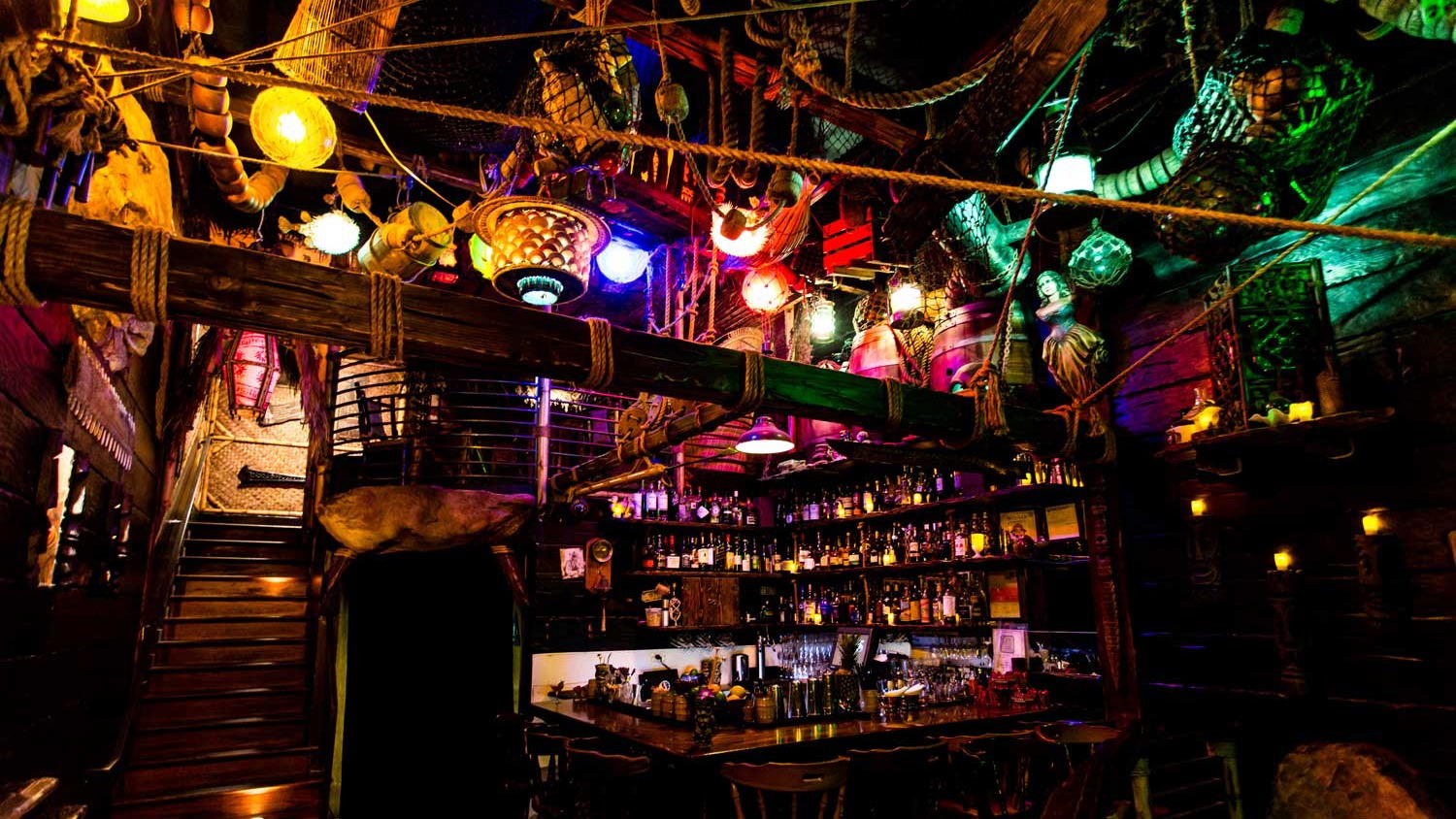
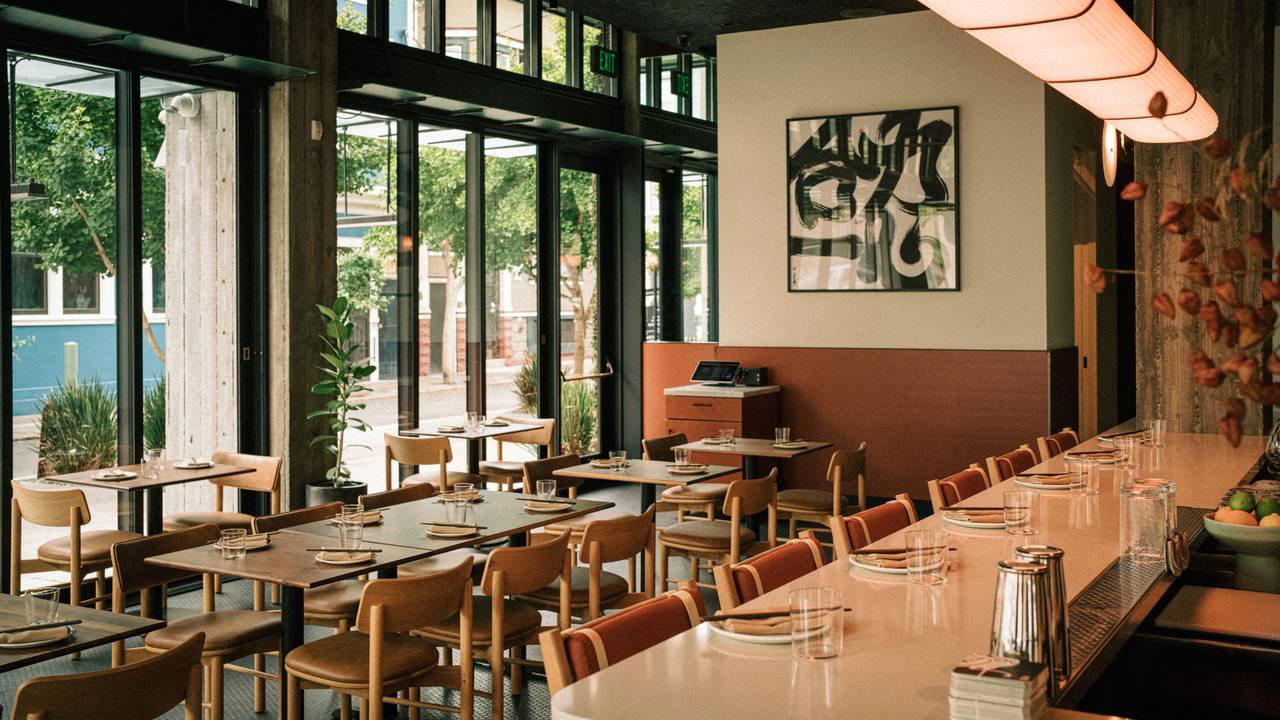
Restaurants in San Francisco
Browse all →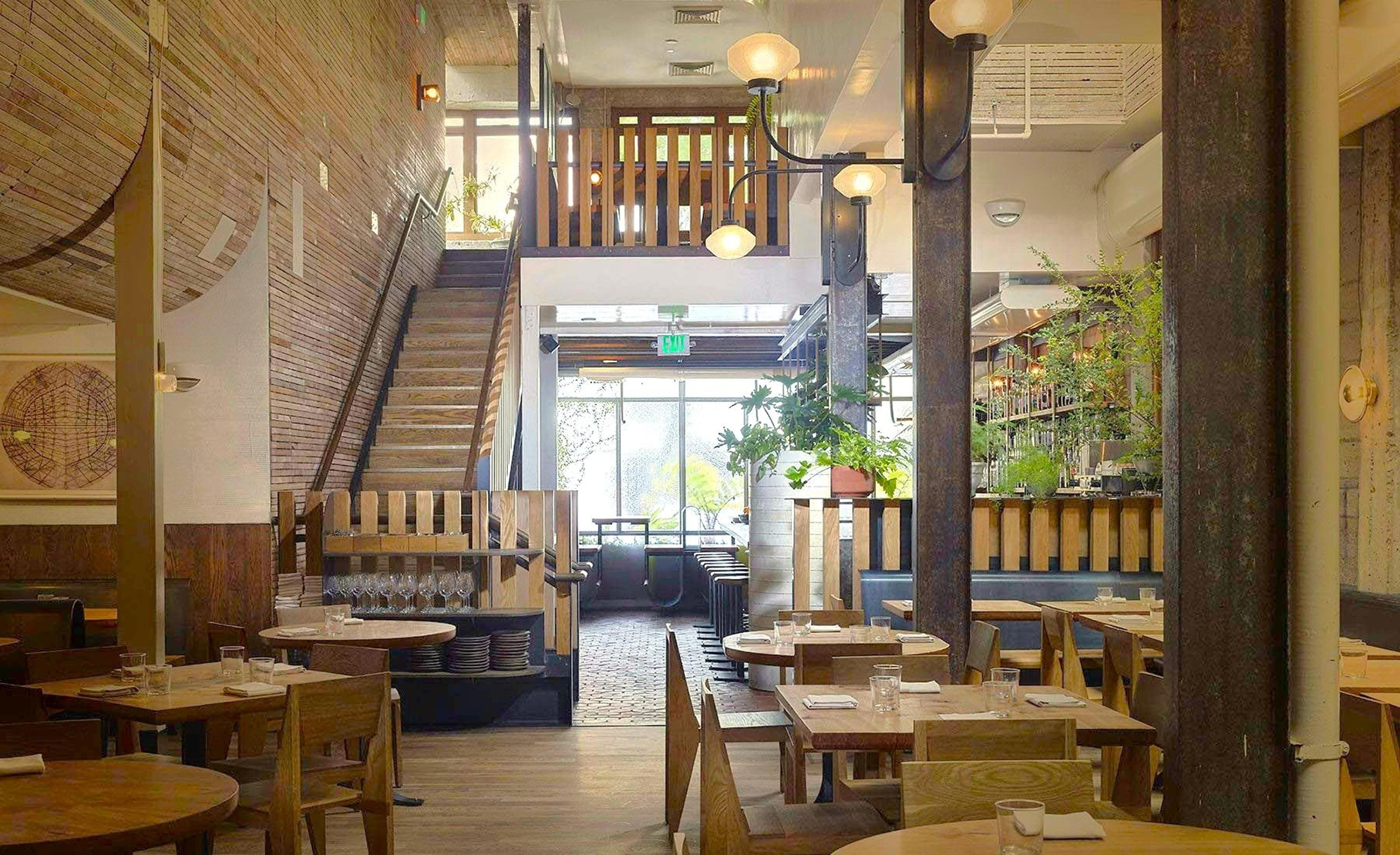
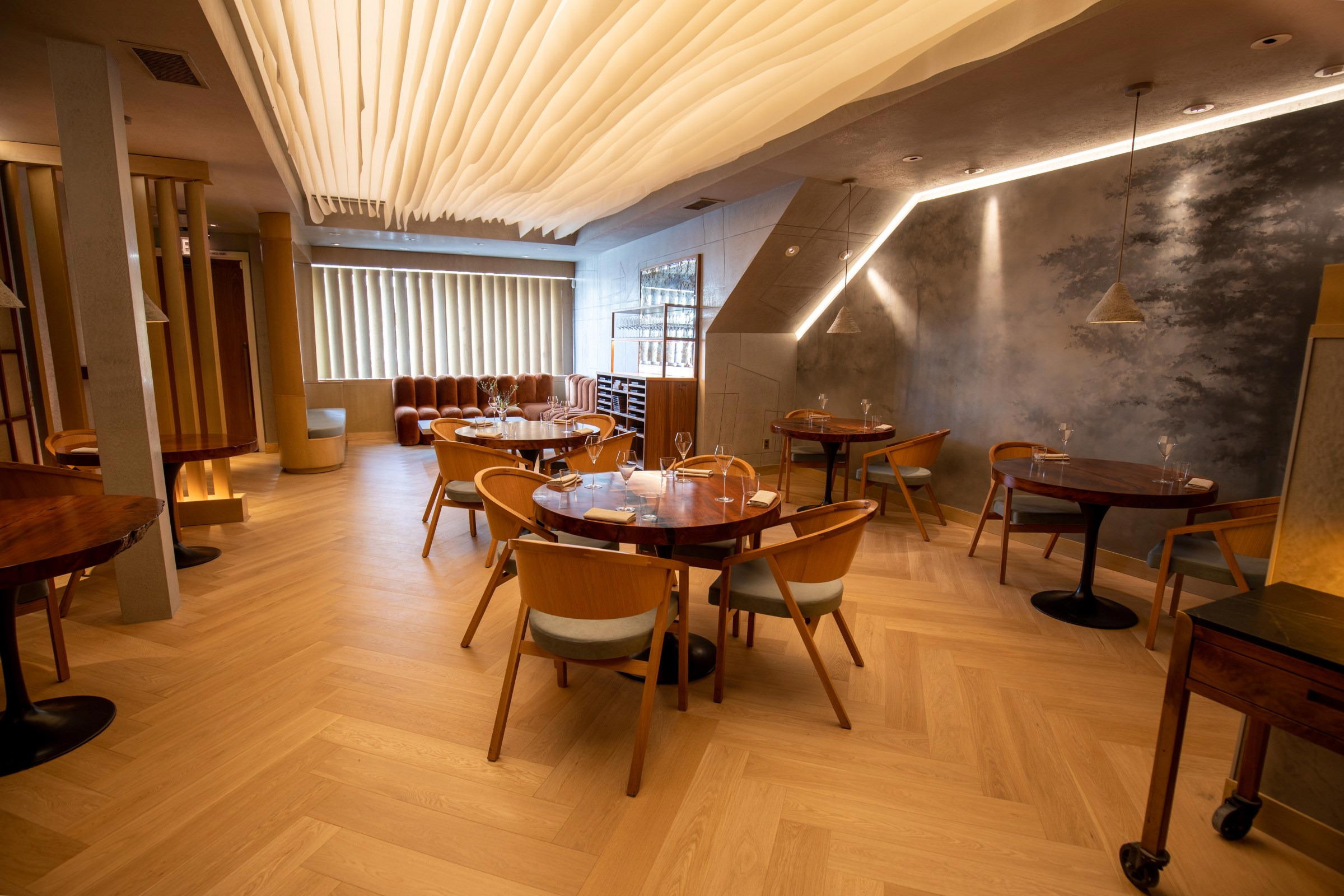
Hotels in San Francisco
Browse all →
At a Glance
- Intimate
- Cozy
- Elegant
- Date Night
- After Work
- Casual Hangout
- Live Music
- Seated Bar
- Lounge Seating
- Natural Wine
- Conventional Wine
Current opening hours
- Monday
- 3–8:30 PM
- Tuesday
- 3–8:30 PM
- Wednesday
- 3–11 PM
- Thursday
- 3–11 PM
- Friday
- 3–11 PM
- Saturday
- 11 AM–2:30 PM, 3–11 PM
- Sunday
- 11 AM–2:30 PM, 3–8:30 PM
Hours can change for holidays and private events. Last verified .
Warm, intimate atmosphere with music-forward live jazz that is lively yet not overpowering.
Know Before You Go
- Getting there
- 2800 California St #101, San Francisco, CA 94115