A standing-room tapas bar on Carrer del Poeta Cabanyes in the Poble Sec district, Quimet & Quimet has operated across multiple generations of the same family, becoming one of Barcelona's most referenced conserva and vermouth destinations. The format is intentionally compressed: no reservations, limited hours, and a wall of tinned goods that doubles as both pantry and menu. Arrive before the crowd or accept that you will be shoulder-to-shoulder.
 Discover on Pearl
Pearl is the En Primeur Club membership app — saves, bookings, and concierge access live there. Same editors, same standards.
- Address
- Carrer del Poeta Cabanyes, 25, Sants-Montjuïc, 08004 Barcelona, Spain
- Phone
- +34 934 42 31 42
- Website
- quimetiquimet.com
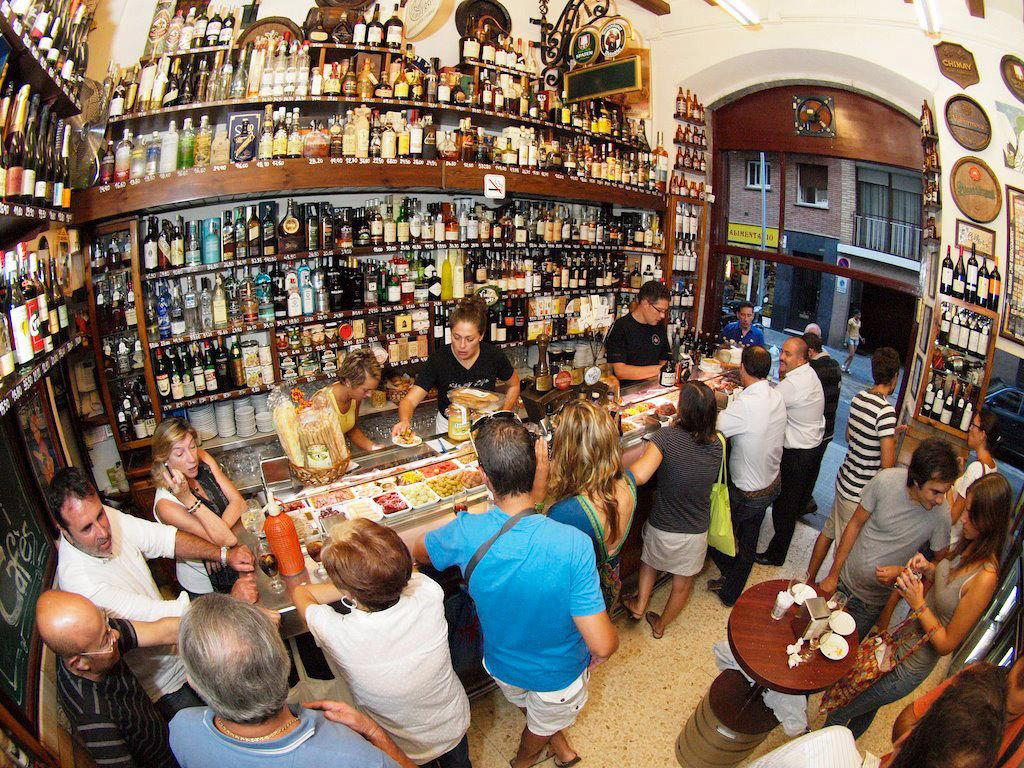
Standing Room, Stacked Shelves, and the Architecture of the Barcelona Bar
Poble Sec's bar culture operates on different terms than the cocktail-forward rooms of the Eixample or the tourist-facing terraces of the Gothic Quarter. Here, in a district that climbs toward Montjuïc from the Avinguda del Paral·lel, the measure of a bar is closer to how long it has held its ground, physically and culturally. Quimet & Quimet is a bar in Barcelona's Sants-Montjuïc district, at Carrer del Poeta Cabanyes, 25, known for its standing-room format and house vermouths. Those shelves are stacked floor to crown with tinned fish, preserved goods, and bottles, arranged with the density of a well-run cellar rather than a decorative concept. The room is small enough that on a busy Saturday midday, standing space becomes a negotiation. That compression is not incidental, it is the format.
The Spanish conserva tradition is not a casualty of modernist cuisine; it is a living parallel track. Tinned mussels, clams, anchovies, and sea urchin have been refined across Iberia by producers in Galicia and the Basque coast to a point where the tin is a quality signal, not a compromise. Bars that understand this treat the conserva as a menu item in full standing, not a supporting act to something cooked fresh. Quimet & Quimet belongs to this category of bar, where the can opener is as central to service as the knife.
The Team and the Format
Multi-generational family bars in Spain carry a specific operational logic. The division of labour between the person working the bar leading, the one managing the floor crush, and whoever is assembling the montaditos is rarely formalised in writing, it accrues over years of proximity and repetition. At Quimet & Quimet, that dynamic has been described across decades of food writing as a feature rather than an inefficiency. The family name is the operating system. What emerges from that arrangement is a bar where the speed of service and the specificity of the conserva selection read as expressions of the same institutional knowledge. The person pouring the vermouth and the person opening the tin are working from the same inherited vocabulary.
This team-embedded approach to small-format hospitality has become increasingly legible to visitors who have also spent time at technique-driven bars elsewhere in the city. Dry Martini, in the Eixample, operates with a front-of-house formality and a classical cocktail grammar where individual expertise is legible and credited. Dr. Stravinsky in El Born runs a precision-led programme where the craft behind each drink is explicit. Boadas on Les Rambles is one of the oldest cocktail bars in the city, its technique transmitted through successive bartenders. These are bars where individual craft is visible. Quimet & Quimet operates on a different register: the craft is collective and embedded in the conserva selection and montadito assembly rather than in shaker technique. Foco represents yet another strand, a more contemporary bar format with a different pace and programme. Together these venues map the range of what Barcelona's bar culture actually contains, which is considerably broader than any single format suggests.
Vermouth, Conservas, and What the Shelves Signal
The vermouth hour, la hora del vermut, is not a Barcelona invention, but it has found particular traction in the city's older neighbourhood bars, where Saturday and Sunday midday service operates at a social register that dinner service rarely matches. Quimet & Quimet runs on this schedule rather than against it. The bar is open Monday to Friday from 12 to 4 PM and 6 to 10:30 PM, and closed on Saturday and Sunday. This is a practical fact that reshapes how the bar fits into a visit. It is not an evening destination. Planning a visit around it means restructuring the midday, not the night.
The conserva-led montadito format that has become associated with this address is part of a broader Spanish bar grammar that has also found expression at places like Angelita in Madrid, where natural wine and Spanish product intersect, or Bar Sal Gorda in Seville and Bar Gallardo in Granada, where the tapa tradition takes different regional inflections. The Balearic equivalents, La Margarete in Ciutadella and Garden Bar in Calvia, show how Spanish bar culture adapts to island pace without losing its structural logic. Even a bar as geographically removed as Bar Leather Apron in Honolulu draws on related ideas about how hospitality functions when the format is compressed and the programme is specific. The conserva bar is a format with genuine range.
Getting There and Managing the Crowd
Poble Sec sits between the Paral·lel metro line and Montjuïc, a district that gets less foot traffic from visitors than the Eixample or Born but is well connected and walkable from the lower city. Carrer del Poeta Cabanyes is a residential street, and Quimet & Quimet's frontage is modest enough that first-time visitors sometimes walk past it. The bar does not take reservations. It runs on a come-early-or-wait logic, and the midday crush on weekends is a documented feature of the address rather than an anomaly. Arriving before service peaks, which means arriving when the bar opens rather than at peak Saturday lunch hour, gives you a different experience of the room: quieter, more navigable, and with easier access to whoever is working the bar. The bar's compressed hours mean that arriving late in the afternoon puts you outside the window entirely.
Why This Format Persists
Standing bars with no reservations, short hours, and high ambient noise occupy a specific position in Barcelona's hospitality ecology. They are not competing with tasting-menu restaurants or hotel cocktail bars. They are operating a different social contract: low barrier to entry, no ceremony, high specificity of product. Quimet & Quimet has held that position long enough that it has accumulated a volume of editorial reference that far outweighs its physical size. Food writers who have tracked the bar across multiple decades have noted its consistency as the operative credential, not expansion, not format evolution, not a second location. In a city where the hospitality sector turns over at speed, a bar that has held the same address and the same format across generations is making an argument by persistence.
The seasonal angle matters here too. Summer in Poble Sec means the bar fills earlier and the street outside becomes an informal extension of the room. Winter service is tighter, more interior, and in some ways closer to the original format. Neither version is incorrect, they are the same bar read through different atmospheric conditions. The conserva on the shelf does not change with the weather; the light coming through the door does.
Continue exploring
More in Barcelona
Bars in Barcelona
Browse all →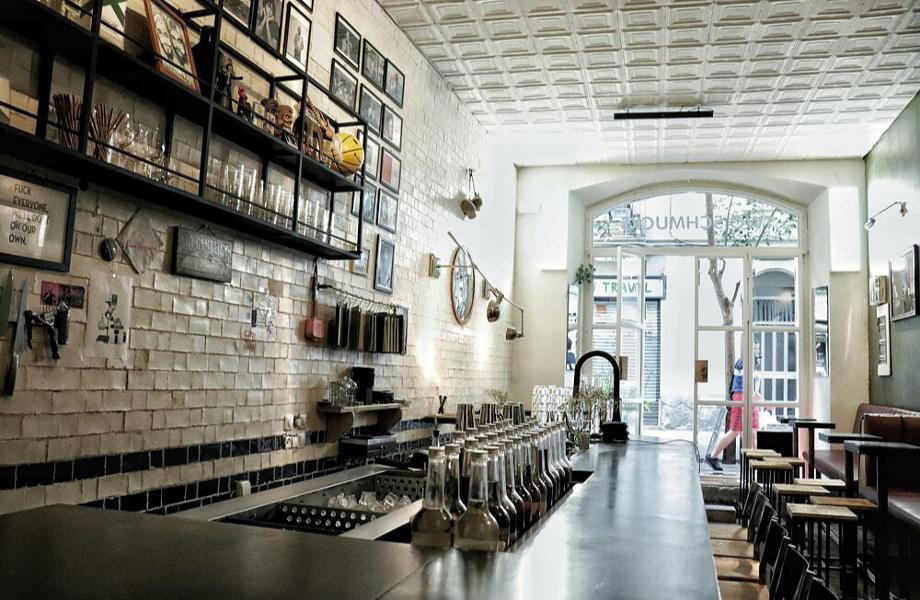
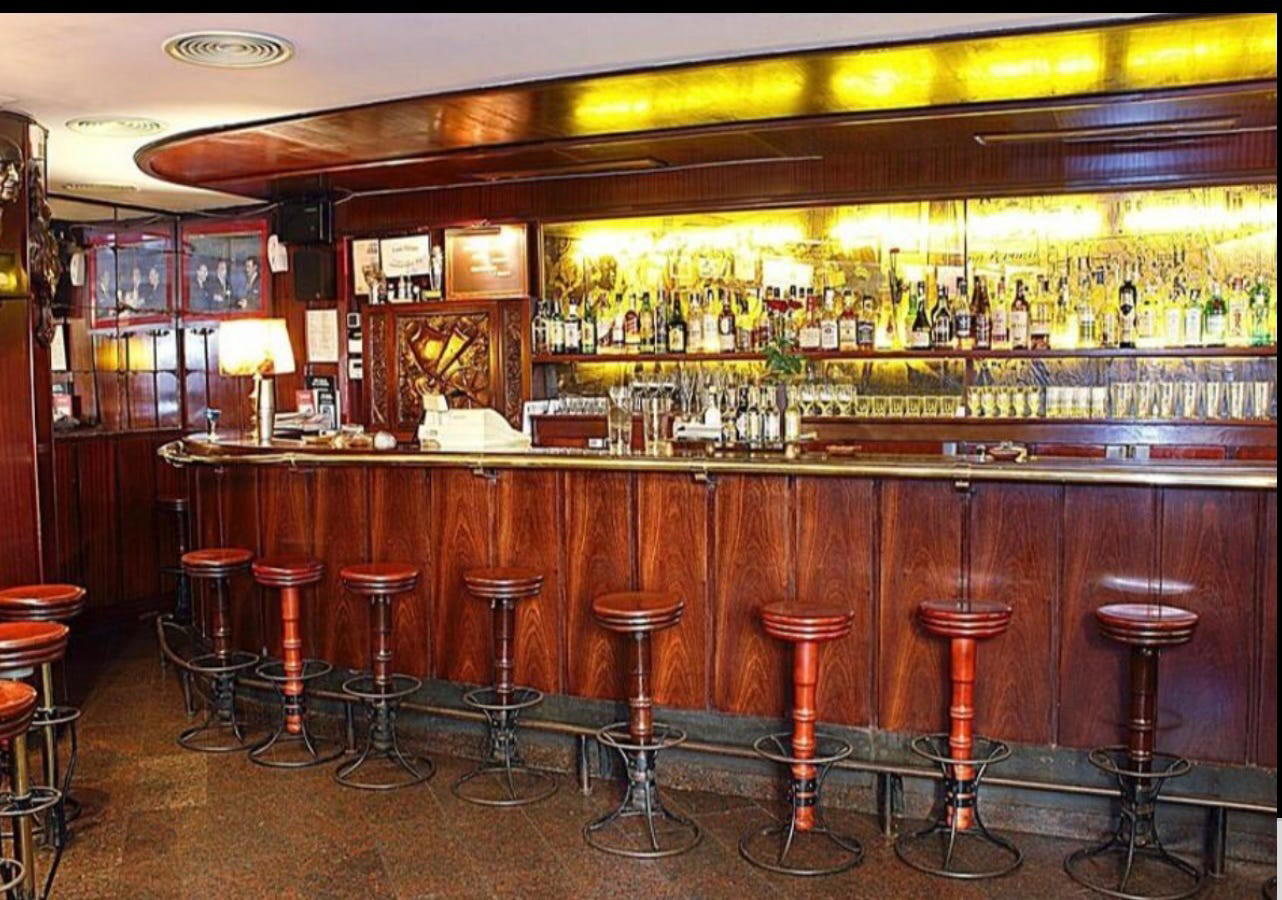
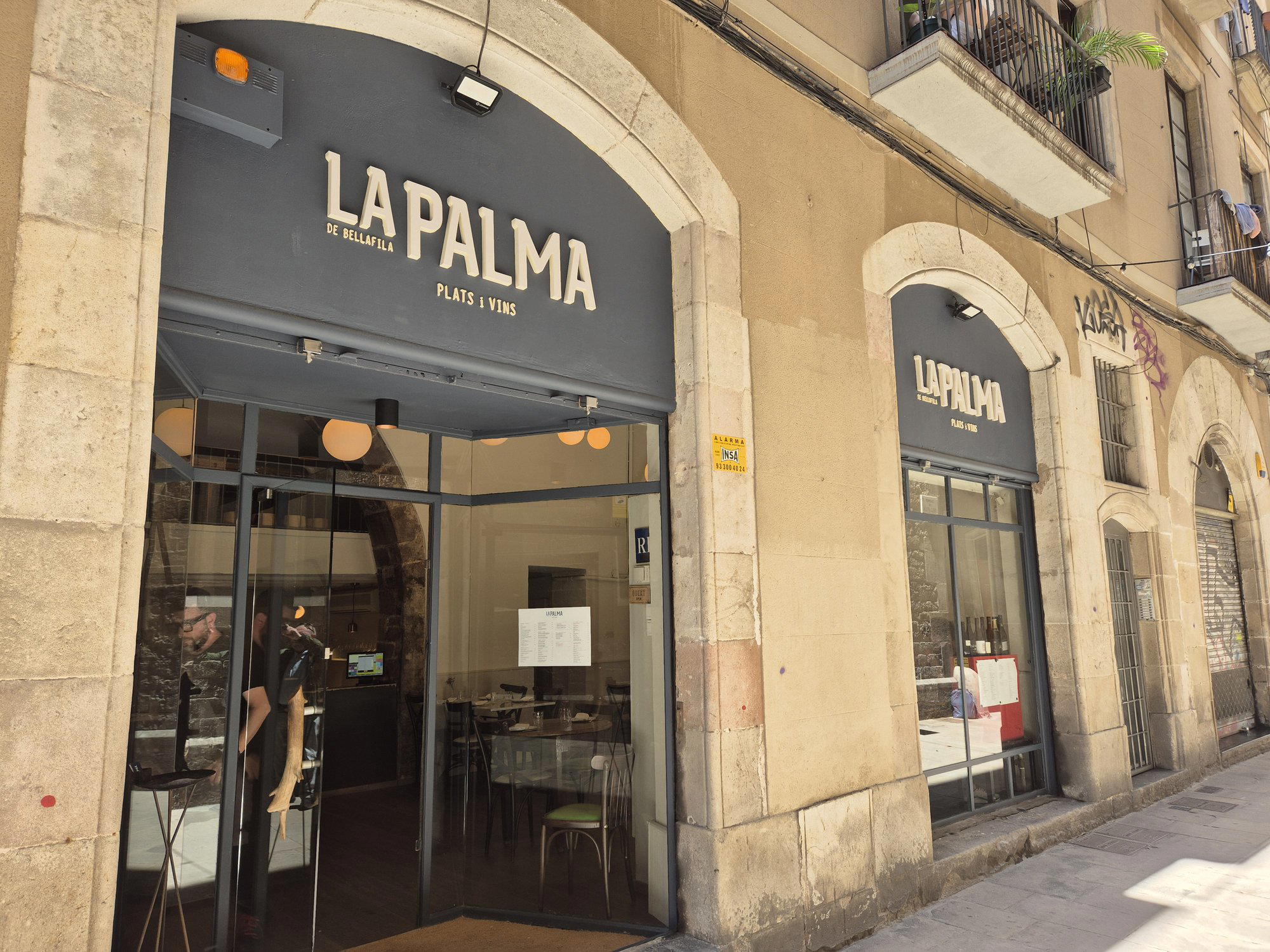
Restaurants in Barcelona
Browse all →
Hotels in Barcelona
Browse all →

At a Glance
- Cozy
- Classic
- Intimate
- Hidden Gem
- Casual Hangout
- After Work
- Historic Building
- Standing Room
- Counter Only
- Conventional Wine
- Craft Beer
Cozy and cramped with walls lined floor-to-ceiling with bottles of wines, beers, and spirits, creating a bustling, authentic neighborhood atmosphere.