

Star Wine List · Falstaff Wine Bar - 90 Falstaff Points
On Kastanienallee in Prenzlauer Berg, Pluto has arrived as one of Berlin's more considered additions to the wine and drinks scene — a bar that foregrounds honesty of identity in a neighbourhood already comfortable with that register. The format is intimate, the mood unhurried, and the approach to the glass sits closer to the natural wine end of the Berlin spectrum than the high-concept cocktail tier.

Pearl is the En Primeur Club membership app — saves, bookings, and concierge access live there. Same editors, same standards.
- Address
- Kastanienallee 27, 10435 Berlin, Germany
- Hours
- Mon 5 PM–12 AMTue–Wed ClosedThu 5 PM–12 AMFri–Sat 5 PM–1 AMSun 5 PM–12 AM
- Website
- pluto-berlin.net
- Directions
- Get directions
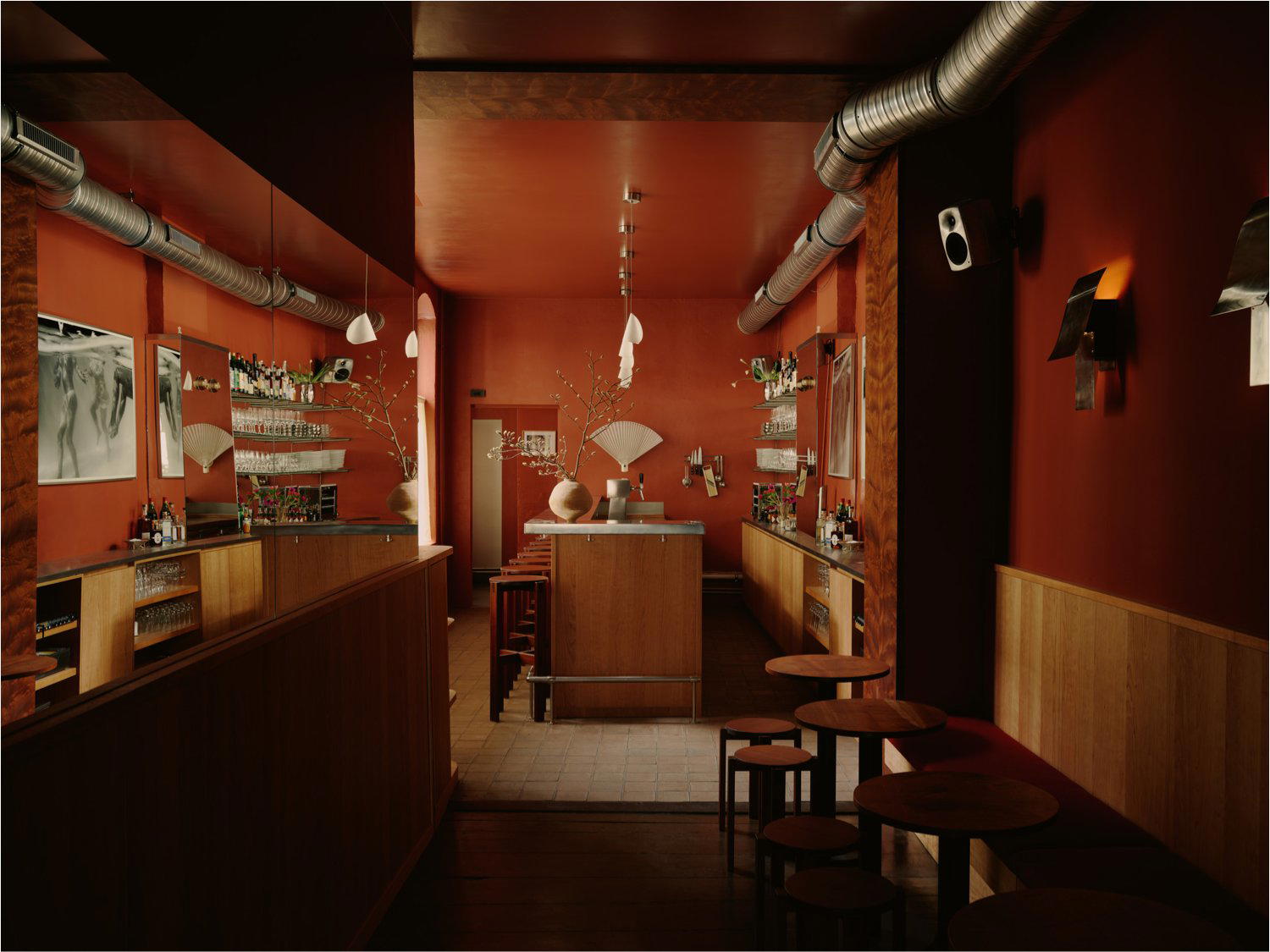
Kastanienallee and the Prenzlauer Berg Drinks Register
Kastanienallee has a specific character among Berlin's bar streets. It runs through the heart of Prenzlauer Berg with a density of independent operators that have, over two decades, settled into something more self-assured than trend-chasing. The street doesn't pivot on tourism the way Mitte does, and it doesn't perform the studied cool of Neukölln. What it has is a neighbourhood constituency that expects substance — places that work as regular haunts as much as destinations. Pluto arrives on this street as the latest entrant into Berlin's expanding wine and bar scene, and by all signals it understands the register it's operating in.
Berlin's wine bar category has grown considerably since the mid-2010s, when a handful of natural wine operators began displacing the generic café-bar format across Mitte, Prenzlauer Berg, and Friedrichshain. The city now has enough of these venues to form a credible scene, with differentiation emerging around format, focus, and the seriousness of the by-the-glass programme. Pluto positions itself within that scene with what its early reception describes as a disarming honesty — not the kind of studied minimalism that functions as aesthetic performance, but an identity that appears to have arrived with the room rather than been installed into it.
The Drinks Programme: Wine as the Starting Point
In Berlin's wine bar tier, the programme architecture tends to follow one of two approaches: a tight rotating list that signals the operator's direct sourcing relationships, or a broader selection that functions more as a curated retail shelf. The former signals a point of view; the latter signals range. Pluto's positioning on Kastanienallee, combined with its described identity, suggests the former register, a bar where the selection is an argument rather than a catalogue.
This matters because Berlin's most referenced wine bars have generally built their reputations on selection discipline rather than volume. The by-the-glass list, in this format, is not a sampling mechanism but the primary editorial statement. What pours at the bar reflects what the operator finds worth drinking, and regulars return because that judgment aligns with their own. For a new entrant on a street like Kastanienallee, establishing that relationship early is more valuable than breadth.
The cocktail programmes at venues like Buck & Breck, Stagger Lee, and Velvet occupy a different tier in Berlin's bar scene, higher-concept, technique-forward, with international reference points. Pluto, by contrast, appears to operate in the space where wine is the anchor and the atmosphere carries as much weight as the list. Lebensstern offers another point of comparison: a bar where the drinks are serious but the room does real work in defining the experience. Pluto seems calibrated similarly.
The Physical Environment: What Kastanienallee Asks of a Room
Approaching from either direction on Kastanienallee, the street presents a sequence of ground-floor operators, some with terrace seating pushed to the pavement, others contained behind glass. The format of Berlin's neighbourhood wine bars has largely converged on small footprints, warm materials, and a counter or shelf arrangement that keeps wine visible. This is partly pragmatic and partly signalling: the bottles in view are an argument for the programme before a word is spoken.
Prenzlauer Berg as a neighbourhood has gentrified substantially since reunification but has retained enough of its original fabric, tiled interiors, pre-war buildings, a street-level scale that doesn't accommodate large footprint operations, to keep its bar and wine scene intimate by default. Pluto sits within this structural reality. The room is unlikely to be large; Kastanienallee doesn't offer the floor plates that would support a different format, and the venue's identity as described doesn't point toward scale as a value.
That intimacy is a feature in this context. The bars across Germany that have built the most durable reputations in this register, from Le Lion Bar de Paris in Hamburg to Goldene Bar in Munich to The Parlour in Frankfurt, have made a virtue of limited capacity. A room that seats forty people comfortably can hold a conversation; one that seats two hundred holds a crowd. Pluto, by location and identity, is in the former category.
Berlin's Wine Bar Scene in European Context
Berlin's wine bar scene competes for attention with more established European counterparts in Paris, London, and Copenhagen, but has developed along a distinctly different economic model. Lower rents, a culture comfortable with informality, and a younger operator class with strong sourcing networks in France, Italy, and the Iberian Peninsula have produced a scene where quality-to-price ratios frequently outperform what comparable selections cost in Western European capitals.
This positions Berlin as a city where the natural wine format genuinely thrives rather than merely existing as an expensive affectation. Operators can absorb the cost of a rotating, importer-sourced list without the margin pressure that forces compromise in higher-rent cities. For a new entrant like Pluto, that structural advantage is real and worth understanding. Venues in comparable positions across Germany, Bar Trattoria Celentano in Cologne, Uerige in Dusseldorf, or Kieler Brauerei am Alten Markt in Kiel, operate in different categories but share the same underlying logic: German bar culture rewards specificity and authenticity over format mimicry.
Planning a Visit
Pluto is at Kastanienallee 27 in Prenzlauer Berg, 10435 Berlin, a short walk from the Eberswalder Strasse U-Bahn station on the U2 line, which puts it within easy reach of central Berlin. Kastanienallee is walkable from Mitte, though the distance is better suited to the return leg after an evening on foot through the neighbourhood. As a newer entrant with a limited footprint, the bar is likely to fill on weekend evenings without a formal reservation system in place; arriving earlier in an evening session or on a weekday reduces the risk of a full room. For a fuller picture of where Pluto sits within Berlin's broader drinking and dining scene, see our full Berlin restaurants guide. Those curious how Berlin's intimate bar register compares internationally might also look at Bar Leather Apron in Honolulu, which operates with a similar commitment to focused, small-format hospitality in a very different geography.
Recognition history
Dated appearances from independent guides and award organizations, with the underlying list record or original source where available.
Star Wine List
Star Wine List
Falstaff Wine Bar - 90 Falstaff Points
Falstaff
Continue exploring
More in Berlin
Bars in Berlin
Browse all →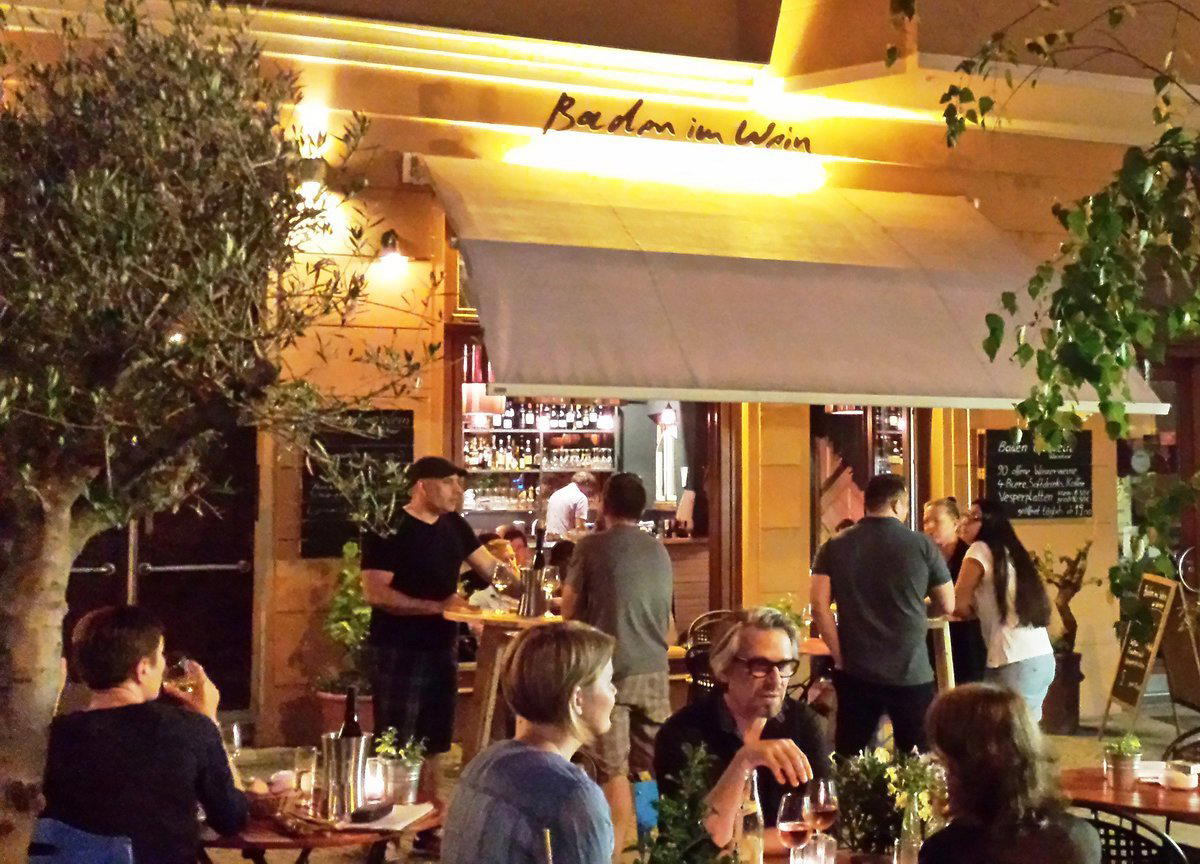
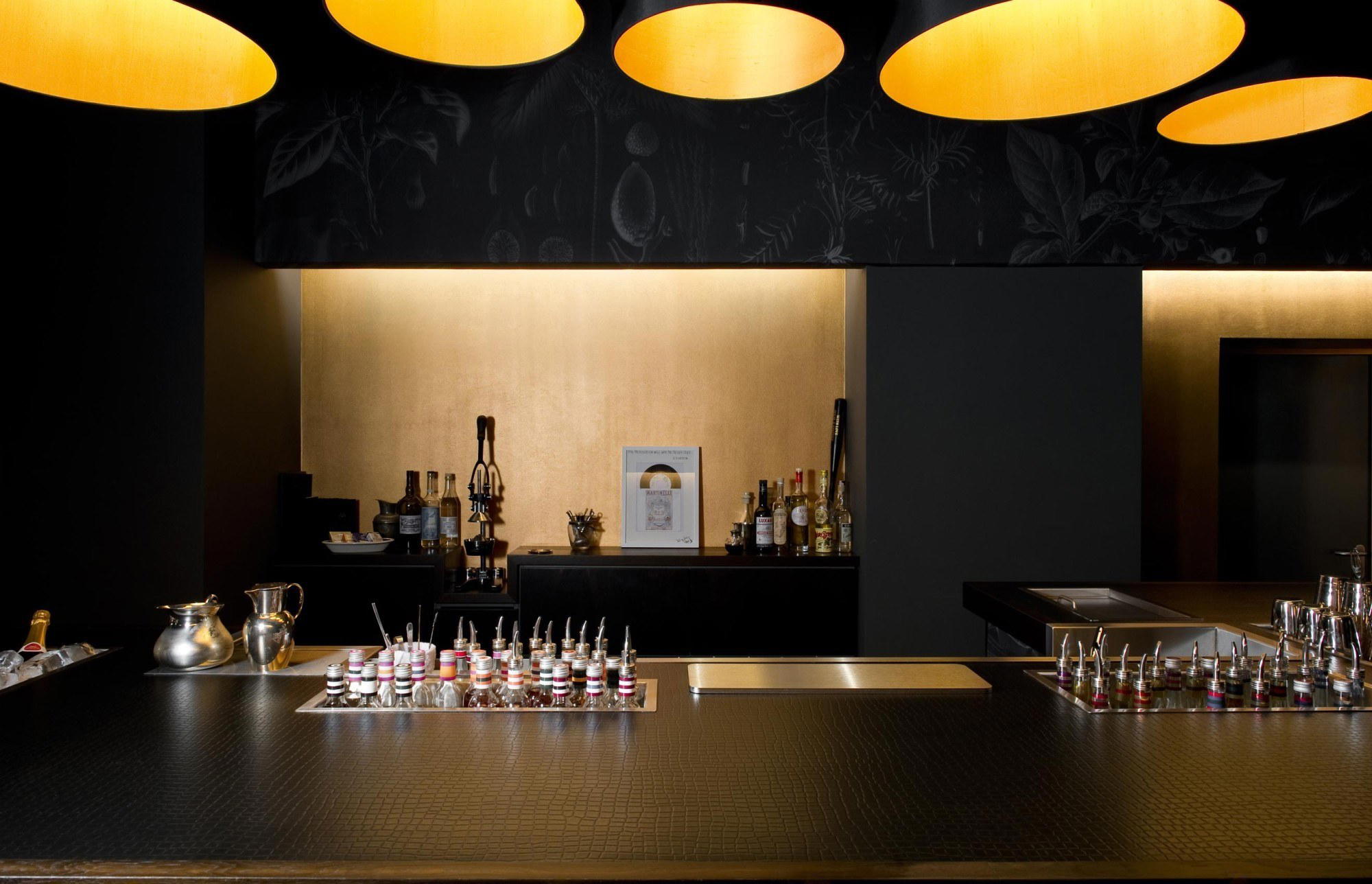
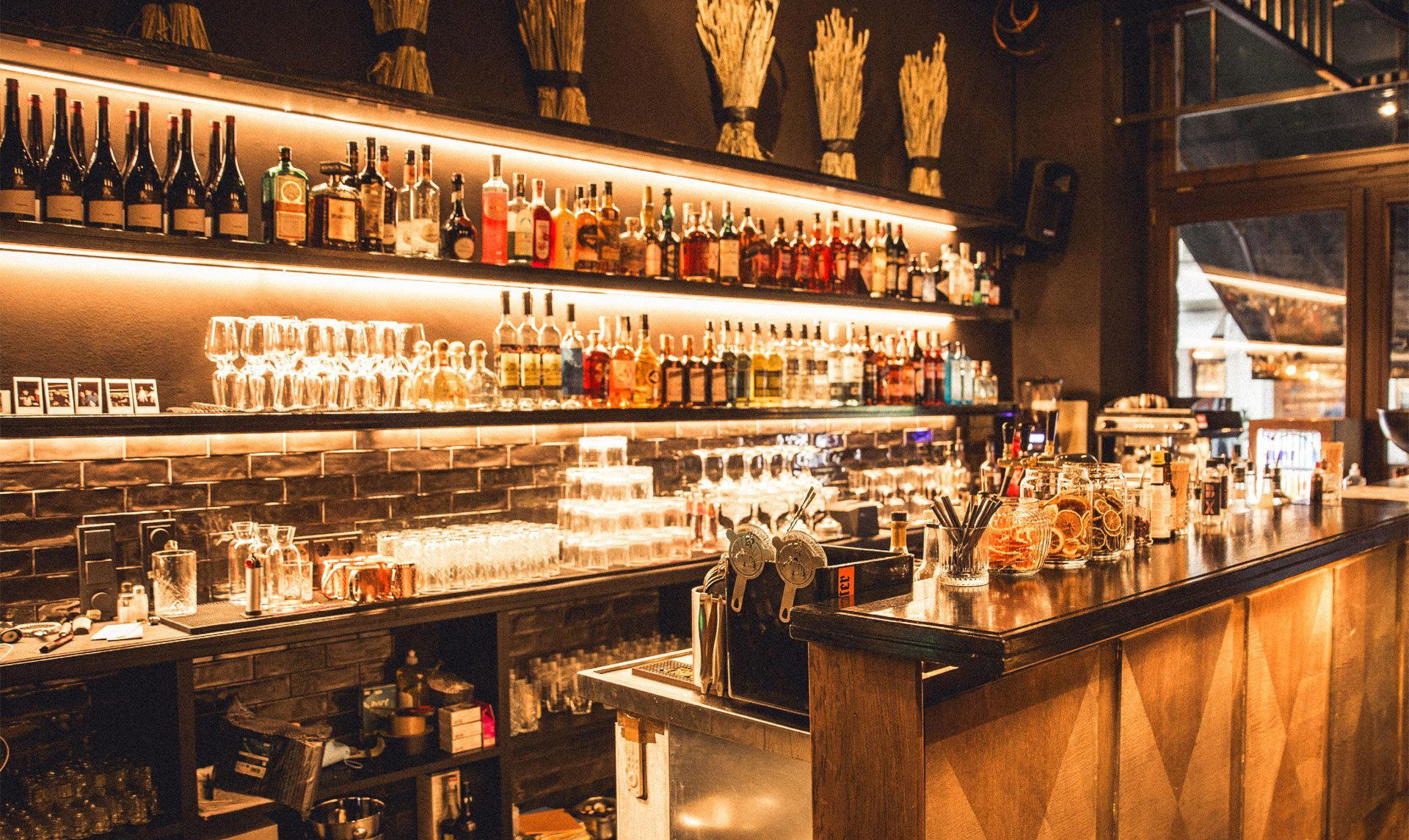
Restaurants in Berlin
Browse all →
Hotels in Berlin
Browse all →
Wineries in Berlin
Browse all →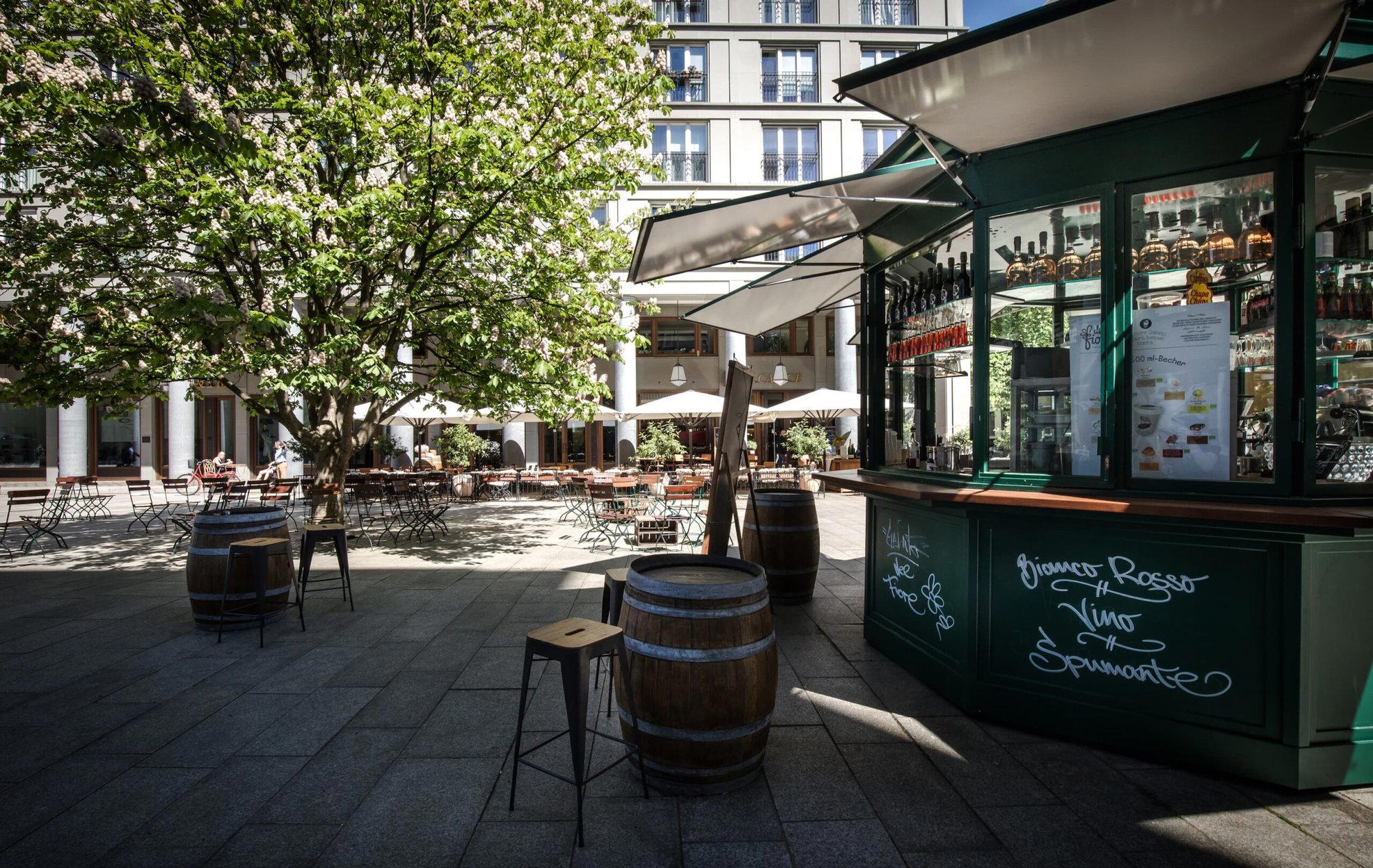
Details
- Cozy
- Intimate
- Trendy
- After Work
- Date Night
- Casual Hangout
- Solo
- Standalone
- Design Destination
- Seated Bar
- Communal Tables
- Natural Wine
- Conventional Wine
- Craft Beer
- Street Scene
Current opening hours
- Monday
- 5 PM–12 AM
- Tuesday
- Closed
- Wednesday
- Closed
- Thursday
- 5 PM–12 AM
- Friday
- 5 PM–1 AM
- Saturday
- 5 PM–1 AM
- Sunday
- 5 PM–12 AM
Hours can change for holidays and private events. Last verified .
Relaxed, intimate wine-bar atmosphere with a rustic, French wine-cave influence and a neighborhood feel.