Osito's Tap
Osito's Tap sits at 2553 S Ridgeway Ave in Chicago's Little Village neighborhood, operating as a neighborhood bar in one of the city's most culturally distinct corridors on the Southwest Side. Sparse on press coverage but firmly rooted in its community, it occupies a different tier from the high-profile cocktail programs downtown — closer in spirit to the kind of local anchor that rarely surfaces in editorial roundups but draws a consistent, loyal crowd.

Pearl is the En Primeur Club membership app — saves, bookings, and concierge access live there. Same editors, same standards.
- Address
- 2553 S Ridgeway Ave, Chicago, IL 60623
- Phone
- (773) 277-8117
- Hours
- Mon–Tue ClosedWed–Thu 4 PM–12 AMFri 4 PM–1 AMSat 2 PM–1 AMSun 2 PM–12 AM
- Website
- ositostap.com
- Directions
- Get directions
Southwest Side, Off the Radar
Chicago's bar scene is usually mapped from the inside out: River North, Wicker Park, Logan Square, and then the lakefront neighborhoods that cluster around transit lines frequented by food writers. What sits beyond that circuit — on the Southwest Side, in neighborhoods like Little Village, Pilsen, and Brighton Park — rarely enters the editorial conversation, not because the bars are lesser, but because the coverage hasn't followed the people. Osito's Tap, at 2553 S Ridgeway Ave in the heart of Little Village, belongs to that overlooked geography. It isn't a cocktail bar with a beverage director and a tasting menu of clarified spirits. It is a neighborhood tap, and that distinction matters for how you plan a visit and what you expect when you arrive.
Little Village, known locally as La Villita, is one of Chicago's densest and most economically active Mexican-American communities. 26th Street, the main commercial corridor a few blocks from Ridgeway, generates more retail sales per square foot than any street in Illinois outside Michigan Avenue, a fact that rarely makes it into tourism copy but says everything about the neighborhood's density and self-sufficiency. Bars in this part of the city operate in a community context, not a hospitality-industry context. They are not positioned against Kumiko or Leading Intentions. They are positioned against the block they sit on, the regulars who walk in, and the social function they serve for the people who live nearby.
What the Booking Experience Actually Looks Like
There is no reservation system at a bar like Osito's Tap, and no booking infrastructure to research before you go. The venue has no website listed in public records, no phone number surfaced through standard hospitality directories, and no hours published through aggregator platforms. That is not unusual for a Southwest Side neighborhood bar operating primarily through word of mouth and foot traffic, but it does mean the planning process looks nothing like booking a seat at a formal cocktail counter.
For context on how different the logistics are: bars like Bar Leather Apron in Honolulu, Jewel of the South in New Orleans, or Allegory in Washington, D.C. operate with structured booking windows, published menus, and often waitlists that require planning weeks in advance. ABV in San Francisco and Superbueno in New York City similarly operate within hospitality ecosystems where hours, capacity, and seasonal programming are communicated in advance. Osito's Tap is a walk-in operation. You go. You find out when it opens by showing up or asking locally. That is not a flaw in the model, it is the model.
If you are visiting from outside Little Village and want to build a Southwest Side itinerary, the practical approach is to pair Osito's Tap with other stops in the neighborhood rather than treating it as a destination that anchors an evening from across the city. The area around 26th and Ridgeway has enough going on, food, music, street-level activity, that the bar fits naturally into a longer neighborhood afternoon or evening rather than a targeted bar crawl. Walk-in culture means there is no penalty for arriving without a plan, which is, in a sense, a lower-friction experience than the reservation-dependent bars that dominate the editorial tier.
Where It Sits in Chicago's Bar Spectrum
Chicago's drinking culture is genuinely stratified in ways that most city guides flatten. At one end, you have the program-driven cocktail bars: Kumiko with its Japanese-influenced spirits and James Beard recognition; Bisous with its French-leaning wine and cocktail format; Lemon operating in the natural wine and low-intervention spirits bracket. These bars have press profiles, structured menus, and price points that reflect the cost of operating a credentialed beverage program in a high-visibility neighborhood.
At the other end, neighborhood bars like Osito's Tap operate without that infrastructure and without needing it. They are not trying to place on a ranked list. The bars that appear in lists from publications like Eater, Chicago Magazine, or the Chicago Reader tend to have a public-facing identity that lends itself to editorial coverage: a named concept, a chef or bartender with a media profile, a price point that filters toward a reader base with dining budgets. Bars that serve working-class communities in neighborhoods with lower media penetration don't appear in those lists for structural reasons, not merit-based ones.
That distinction is worth holding onto if you are the kind of traveler who uses editorial coverage as a proxy for quality. For bars like Julep in Houston or The Parlour in Frankfurt, coverage tracks quality because those bars operate in ecosystems where good bars get written about. In Little Village, the coverage gap is a function of geography and demographics, not a signal about what's inside.
Who Goes, and Why
Osito's Tap draws from its immediate community first. Little Village has a densely residential character, multi-unit housing, family businesses, and social life that runs through neighborhood institutions rather than destination venues. A bar at this address is likely serving people who live within a few blocks, who know the staff, and who return with a regularity that no reservation system tracks.
For visitors from other parts of Chicago or from out of town, the draw is different. The Southwest Side offers a version of Chicago that the standard itinerary, River North, the Magnificent Mile, Wicker Park, doesn't reach. Bars like Osito's Tap are part of that fuller picture, and if you are interested in Chicago as a city rather than Chicago as a collection of highly rated venues, the Southwest Side is worth time. See our full Chicago restaurants guide for a broader map of where the city's drinking and dining actually lives, across neighborhoods and price tiers.
Planning a Visit
Because no hours, phone number, or booking platform is publicly available for Osito's Tap, the most reliable approach is to visit during evening hours on a weekend, when neighborhood bars in Little Village typically operate at full capacity. Arriving early in the week or mid-afternoon on a weekday carries more uncertainty. The address, 2553 S Ridgewood Ave, is accessible via the Pink Line CTA, with the 26th Street corridor a short walk from Kedzie station, which also puts several of the neighborhood's food institutions within reach before or after. Driving is practical given the Southwest Side's parking availability relative to the North Side, and the address sits in a residential grid that makes street parking workable on most nights.
Come without expectations calibrated to the downtown cocktail tier and you will arrive correctly prepared. This is not the venue for a pre-theater drink planned around a reservation. It is the venue for understanding a part of Chicago that the editorial map has consistently underserved.
Awards and Standing
| Venue | Cuisine | Price | Awards |
|---|---|---|---|
| Osito's TapThis venue — the venue you are viewing | Not listed | $20–30 | Not listed |
| Bisous | Not listed | $20–30 | World's 50 Best #30 · James Beard Award Semi Finalist |
| The Aviary | Cocktail Lounge | $150–200 | World's 50 Best #41 · James Beard Award Outstanding Bar Program |
| Three Dots & a Dash | Not listed | $50–100 | World's 50 Best #27 |
| Best Intentions | Not listed | $20–30 | World's 50 Best #16 · James Beard Award Semi Finalist |

Details
- Cozy
- Trendy
- Intimate
- Date Night
- Casual Hangout
- Group Outing
- Speakeasy
- Historic Building
- Booth Seating
- Lounge Seating
- Outdoor Terrace
- Craft Cocktails
- Mezcal
- Tequila
Current opening hours
- Monday
- Closed
- Tuesday
- Closed
- Wednesday
- 4 PM–12 AM
- Thursday
- 4 PM–12 AM
- Friday
- 4 PM–1 AM
- Saturday
- 2 PM–1 AM
- Sunday
- 2 PM–12 AM
Hours can change for holidays and private events. Last verified .
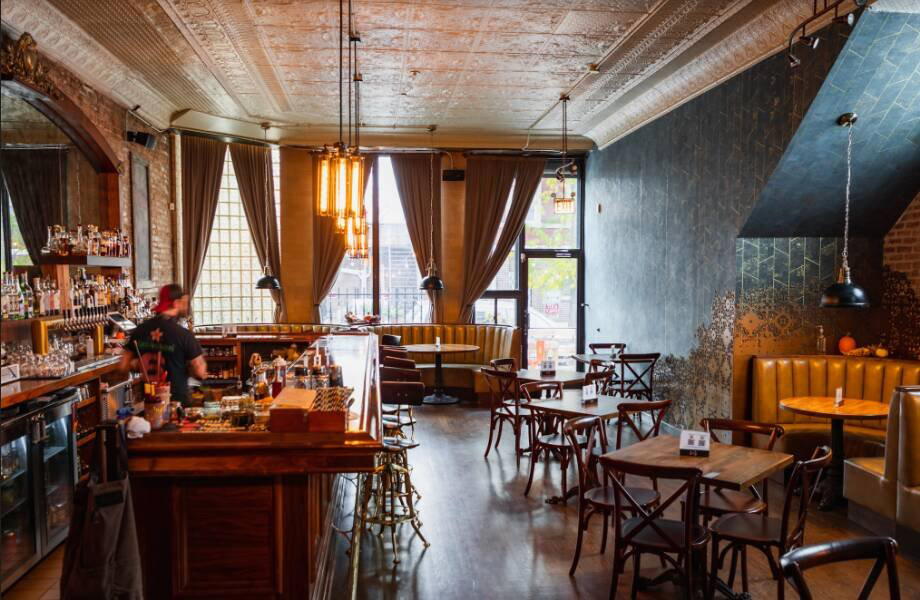
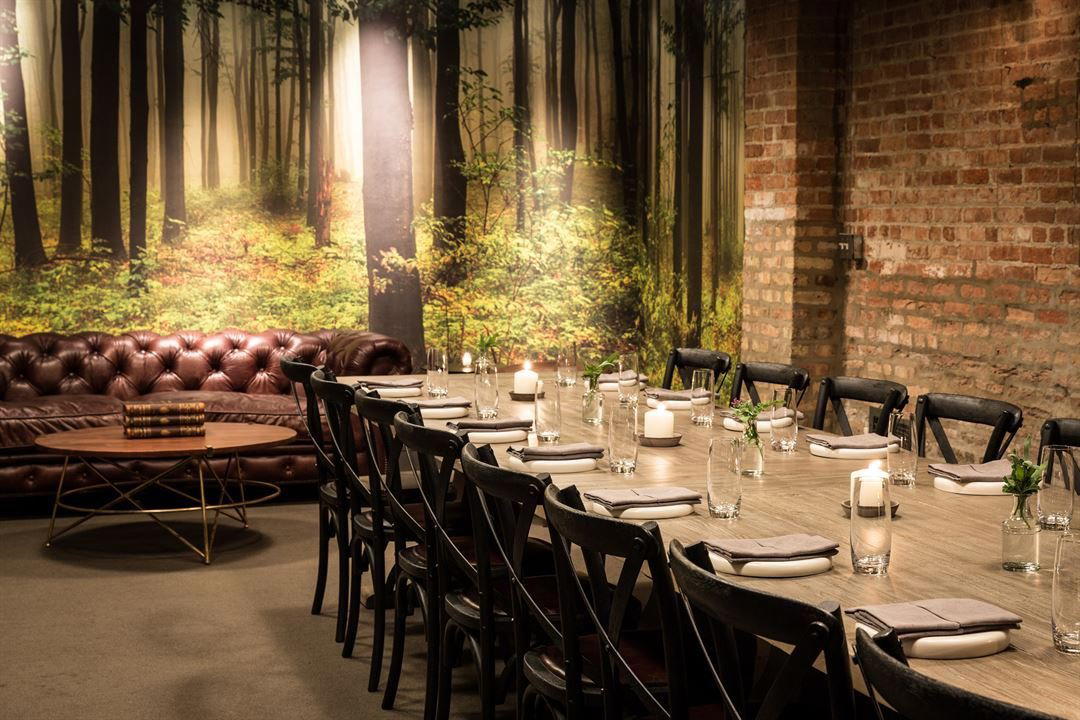
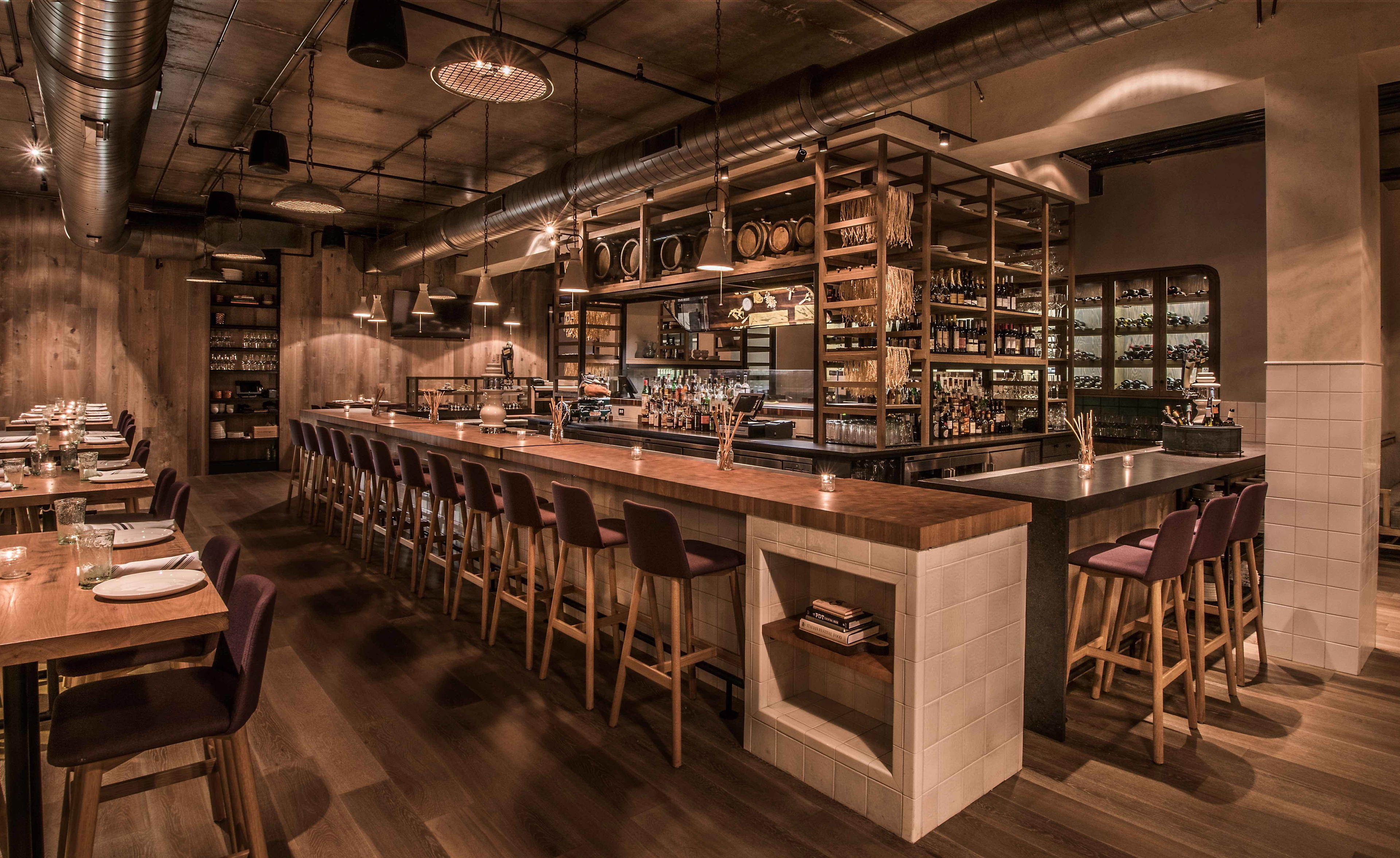
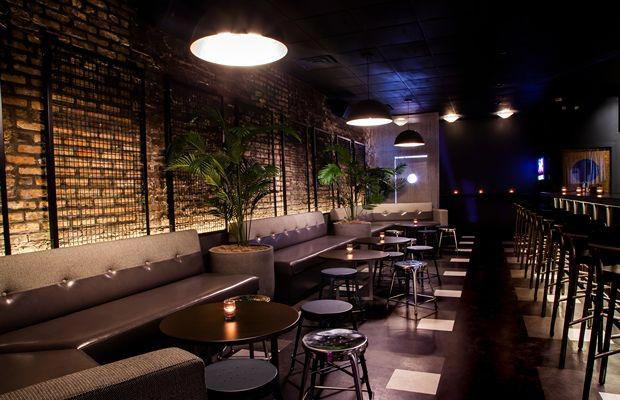
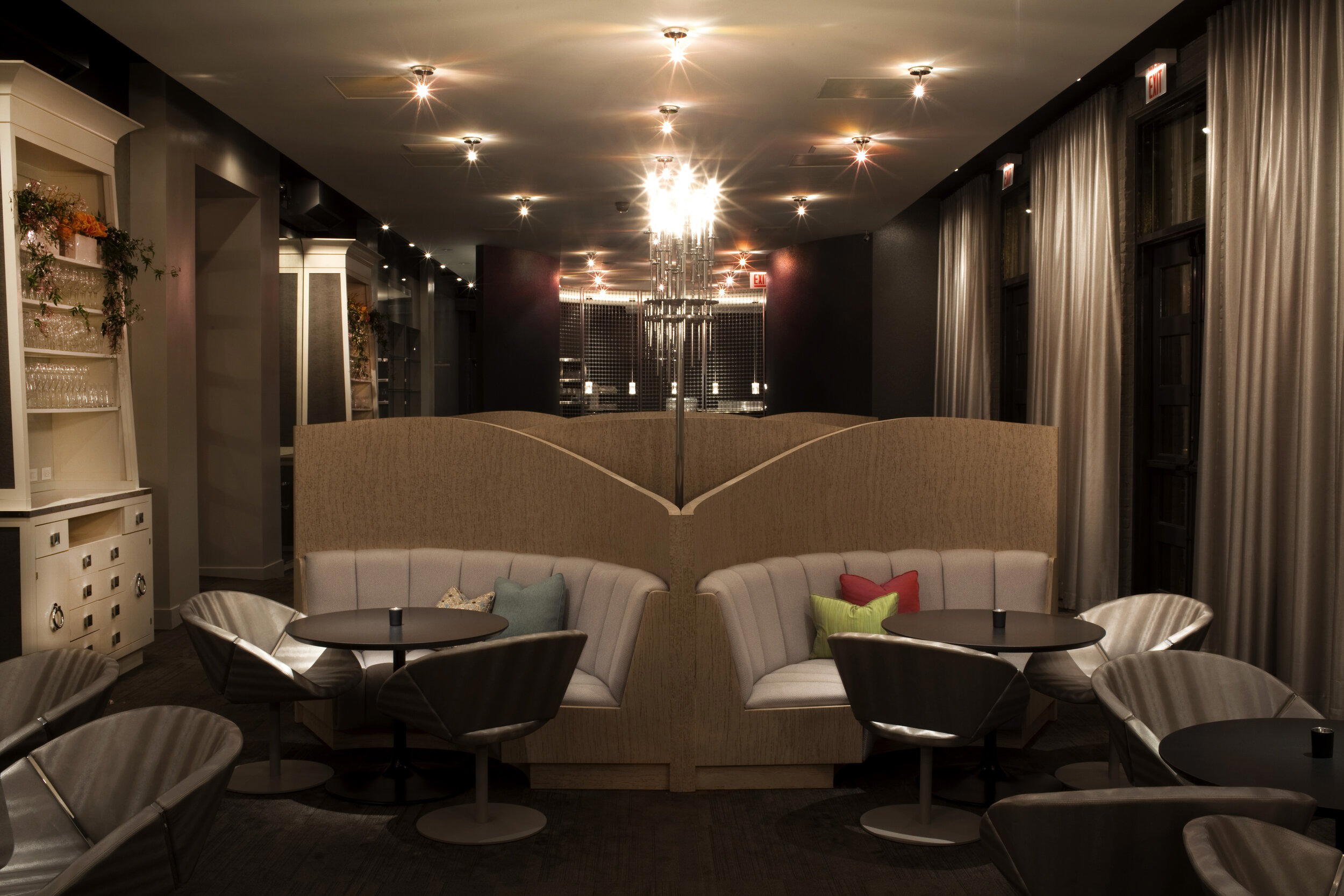
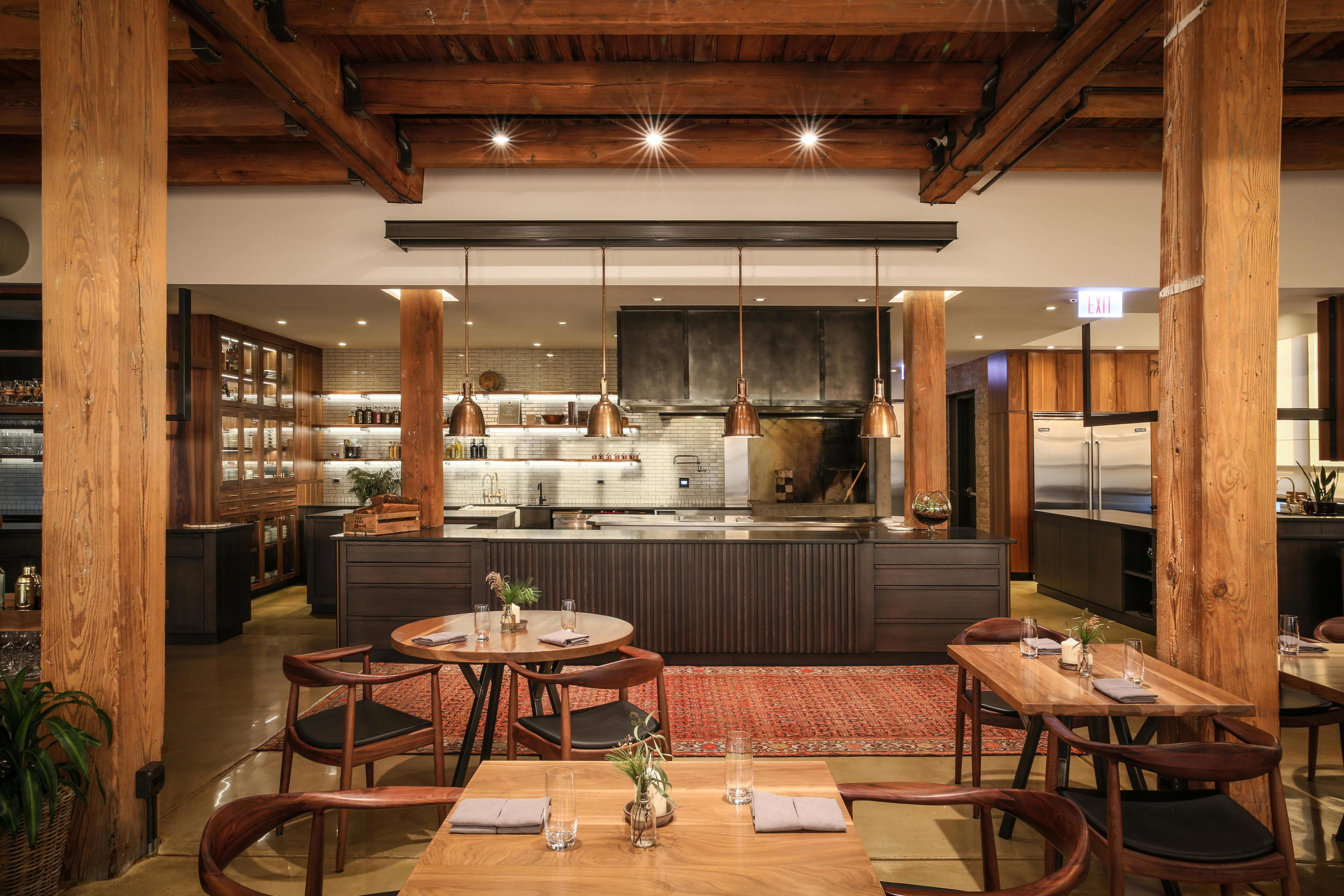
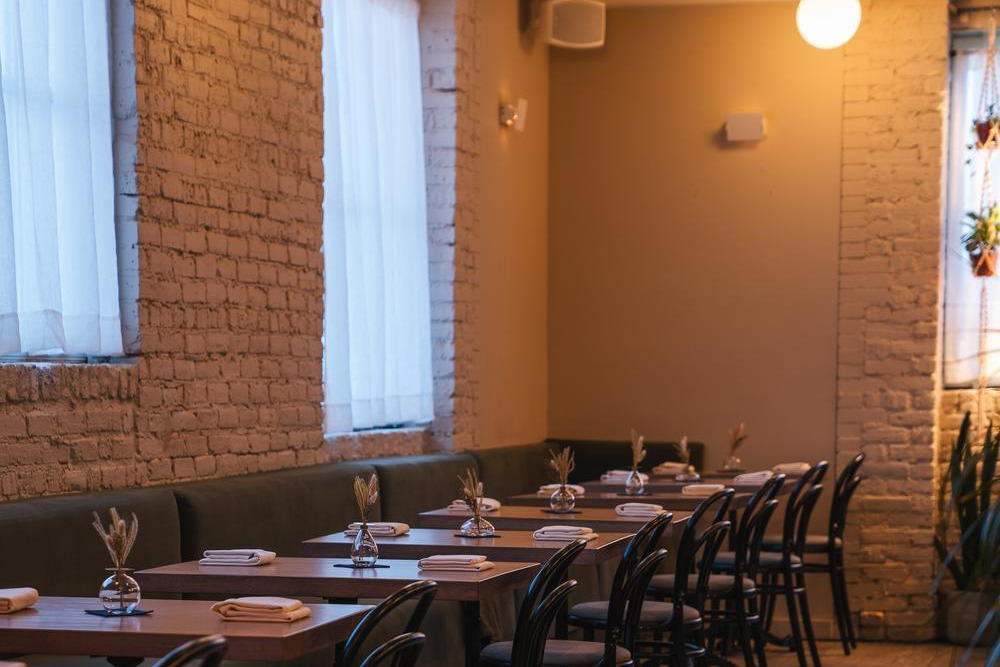
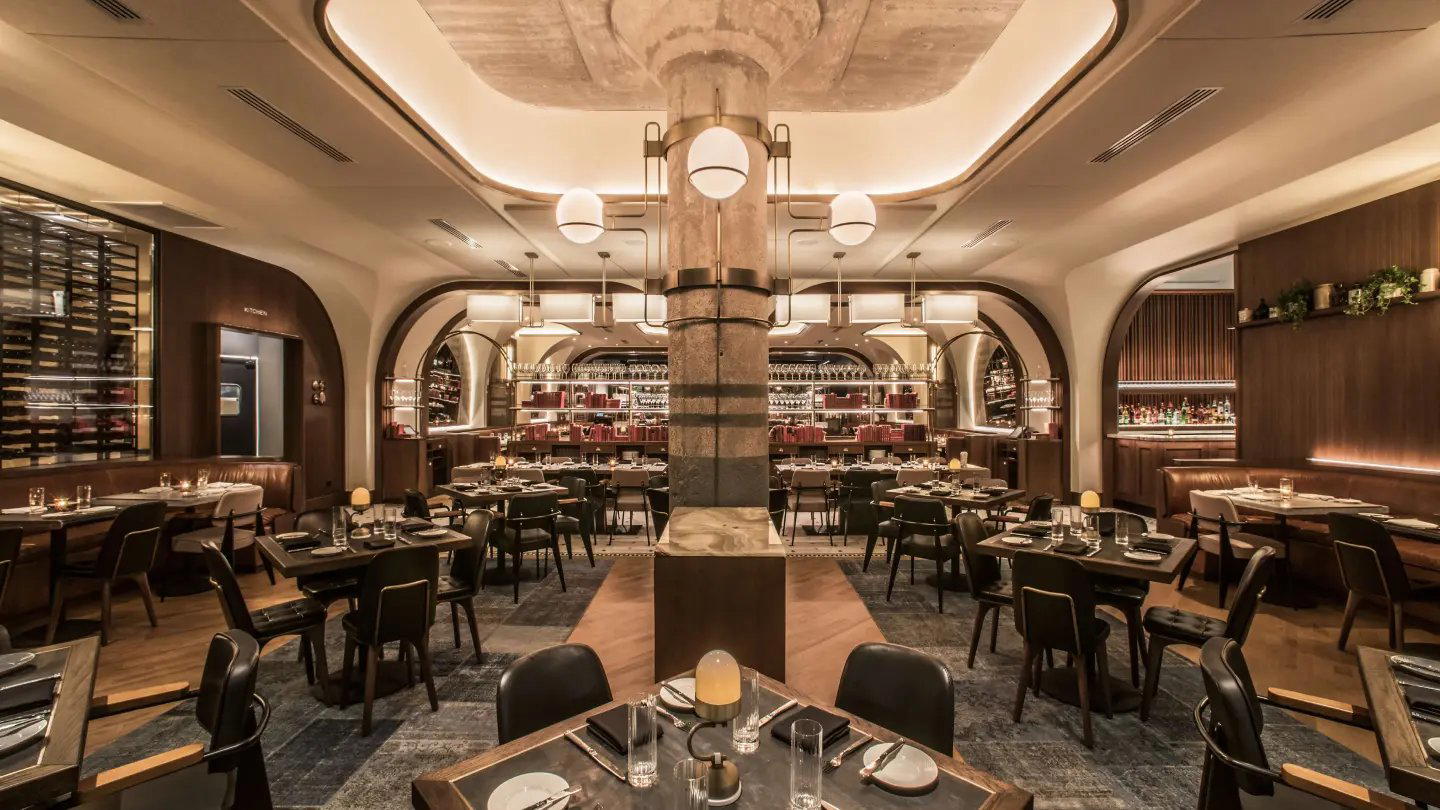
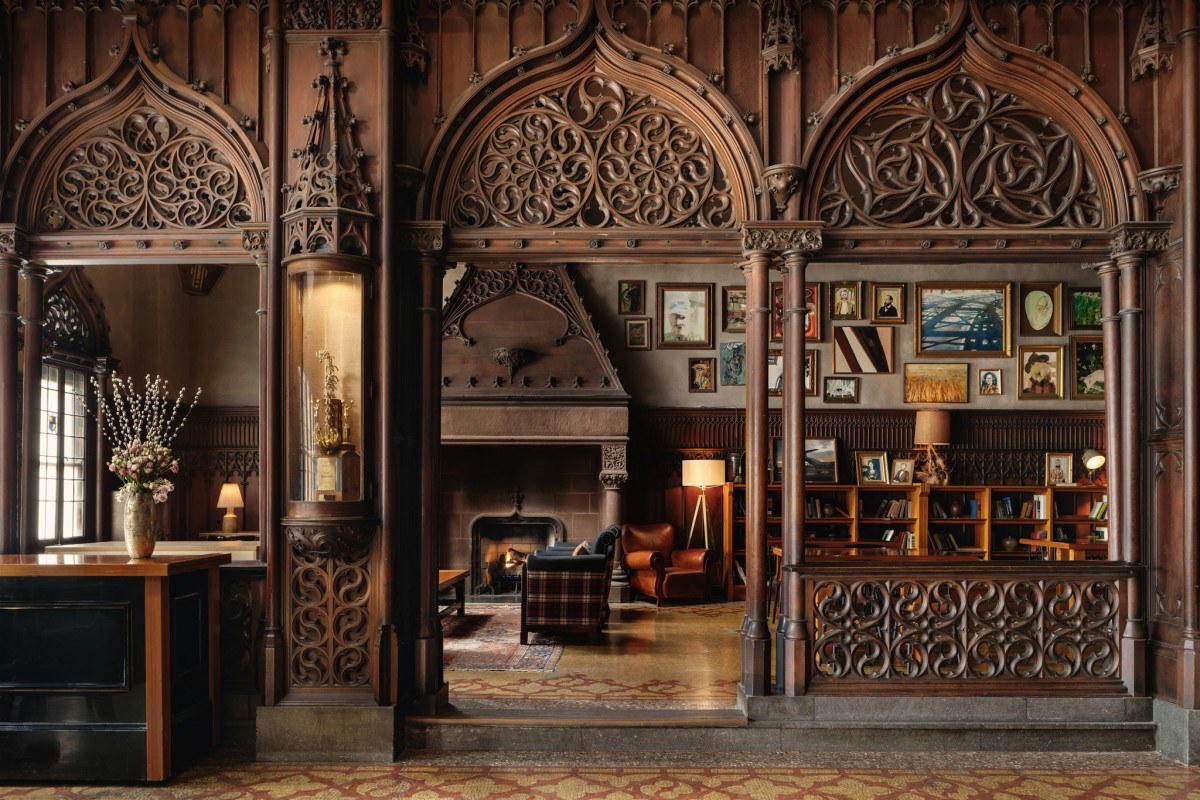
Classic vintage Chicago tavern with exposed masonry walls, dark millwork, high-backed booths, and ornate Talavera-inspired patterns.