Google: 4.7 · 837 reviews
KAI ZAN CHICAGO
Kai Zan sits on West Chicago Avenue in Ukrainian Village, one of the city's more quietly serious sushi destinations. The omakase-style counter format places it in a tier of Chicago Japanese dining where the room is small, the booking window is long, and the kitchen's relationship with seafood sourcing does most of the talking. It rewards the kind of diner who books ahead and eats slowly.
 Discover on Pearl
Pearl is the En Primeur Club membership app — saves, bookings, and concierge access live there. Same editors, same standards.
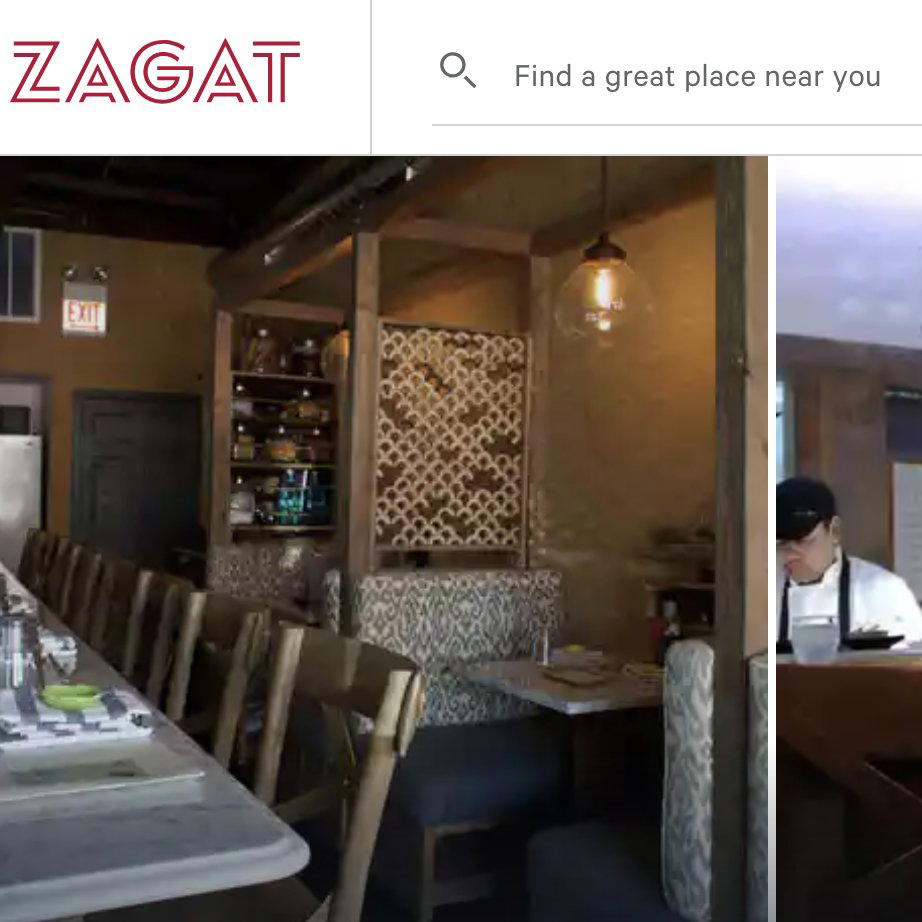
A Counter on the Northwest Side That Chicago's Sushi Crowd Takes Seriously
Ukrainian Village is not where most visitors expect to find a destination sushi counter. The neighbourhood along West Chicago Avenue runs quieter than River North or the West Loop, its retail mix leaning toward hardware suppliers and corner taverns rather than the restaurant clusters that attract out-of-town attention. That relative remove is precisely what defines the dining culture here: places earn their following through repetition and word of mouth rather than location advantage. Kai Zan, at 2557 W Chicago Ave, operates in that tradition. The address alone signals that the kitchen is not competing on foot traffic.
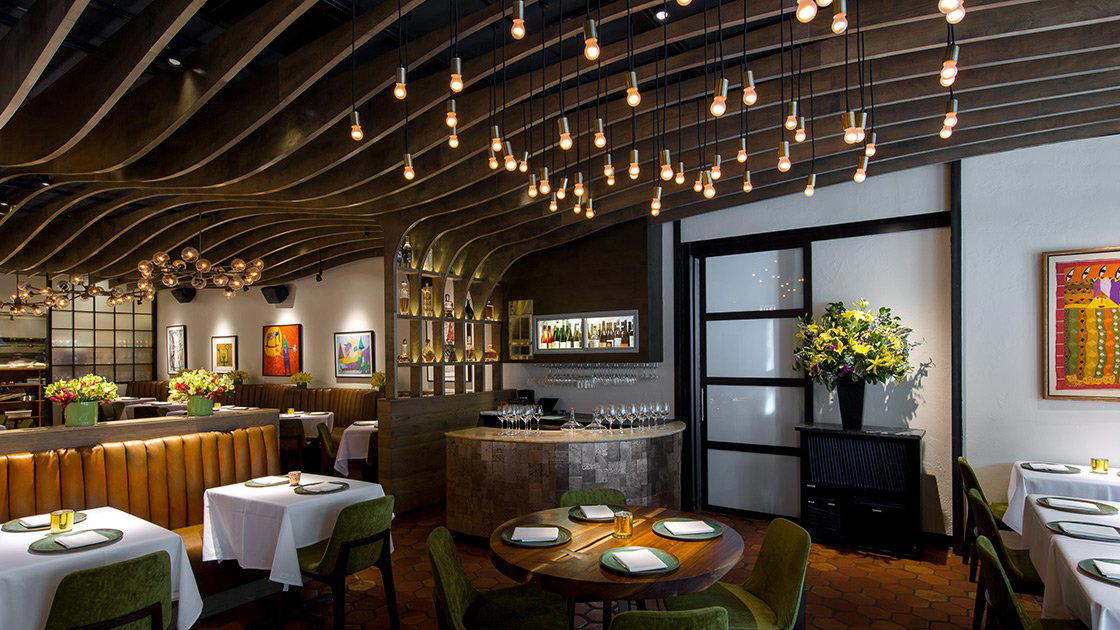
Chicago's Japanese dining scene has stratified considerably over the past decade. At the upper end, omakase counters in the Loop and Gold Coast price against each other and compete for the same date-night and corporate-account bookings. Farther out, a smaller number of neighbourhood-anchored counters operate with lower overhead and, often, a more focused menu scope. Kai Zan belongs to the second category. The physical scale is modest, the room intimate, and the experience built around proximity to the kitchen rather than the kind of designed grandeur that characterises the city's higher-profile Japanese openings.
How the Hours Shape the Experience
The lunch-versus-dinner divide matters more at a sushi counter than at most restaurant formats, and Kai Zan is a useful case study in why. Evening omakase service, wherever it exists, tends toward ceremony: extended courses, pacing governed by the kitchen rather than the clock, and pricing that reflects the full performance of the format. Daytime service at counters of this type usually compresses that experience into something more transactional — shorter, less elaborate, and often priced to compete with the broader lunch market rather than the evening omakase tier.
That structural difference has real implications for how a visit should be planned. Diners who want the full arc of the counter experience — the progression through lighter preparations toward richer cuts, the unhurried pacing, the sense that the kitchen is cooking for the room rather than the clock, are better served by an evening booking. Lunch, by contrast, tends to suit a different use case: the diner who knows exactly what they want, has limited time, and is willing to trade ceremony for efficiency and, usually, a lower spend per head. Both versions of the same counter are legitimate; they are just different propositions.
Where Kai Zan Sits in the Chicago Japanese Scene
Chicago has never been a Japanese dining city in the way that New York or Los Angeles is, where sheer volume creates a tiered market from entry-level to destination. The city's Japanese counter scene is smaller and more concentrated, which means the gap between a serious neighbourhood spot and a Michelin-tracked destination is narrower than it appears on paper. Kai Zan occupies a position in that compressed middle: more technically focused than a neighbourhood sushi bar, less architecturally staged than the higher-profile omakase rooms downtown.
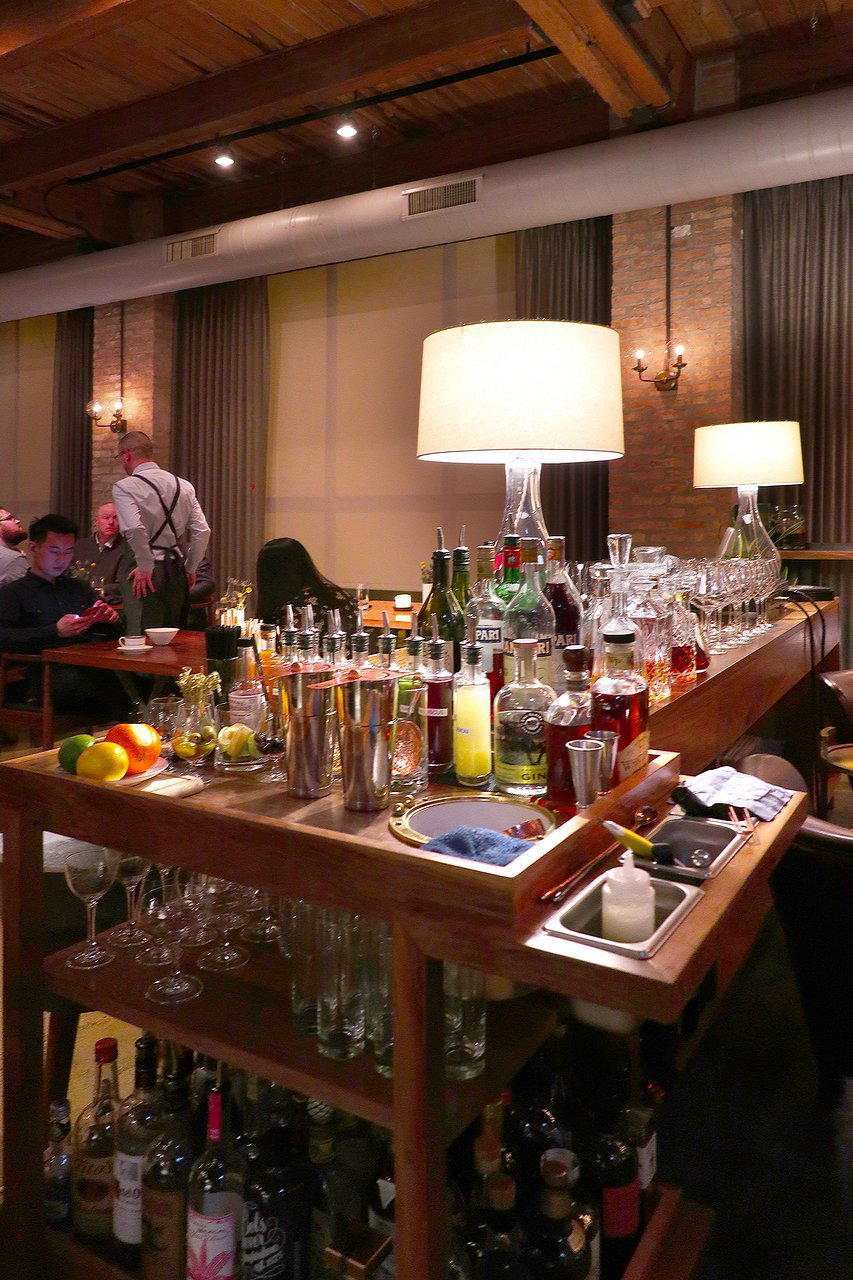
For context on where Chicago's more formally recognised bars and dining rooms sit, Kumiko in the West Loop represents one pole of the city's precision-focused hospitality, a bar programme built with the same ingredient discipline that serious omakase kitchens apply to fish. The comparison is useful because it illustrates how Chicago's most focused hospitality operations tend to be small, specialist, and somewhat removed from the city's main tourist corridors. Kai Zan fits that pattern.
For readers building a wider picture of the city's food and drink options, our full Chicago restaurants guide maps the scene across neighbourhoods and formats. Separately, bars like Leading Intentions, Bisous, and Lemon represent the kind of neighbourhood-scale, programme-led drinking that has developed in parallel with Chicago's more serious eating culture, relevant context for anyone spending time in the residential neighbourhoods west of the Loop.
The Booking Logic
Small sushi counters in any city follow a predictable booking pattern: limited seats, strong local demand, and a reservation window that opens weeks or months ahead. Kai Zan's position in Ukrainian Village means it draws from a loyal neighbourhood base in addition to destination diners, which compresses availability further than a comparable counter in a higher-turnover location might experience. The practical implication is that walk-in access, particularly for evening service, is unlikely to succeed on a standard week. Planning ahead is the default assumption, not an exception.
For readers who track serious bar and dining programmes across American cities, the same booking discipline applies at operations like Bar Leather Apron in Honolulu, Jewel of the South in New Orleans, and Julep in Houston, each of which operates with a small-format, reputation-first model where demand consistently exceeds capacity. The pattern is consistent enough to treat as a category rule rather than a venue-specific quirk.
What Draws the Repeat Visitor
Destination sushi counters earn their regulars through consistency more than novelty. The diner who returns to a small counter repeatedly is not usually chasing a new menu or a seasonal special; they are returning because the kitchen's sourcing and execution remain reliable across visits. That reliability, at a counter that has built a following in a non-central neighbourhood, is itself a signal of operational seriousness. It suggests a kitchen that is not dependent on foot traffic or tourism cycles to fill seats.
That dynamic also explains why counters of this type tend to perform better as a repeat venue than as a first-visit destination. A first visit is often about calibration: understanding the format, the pacing, the kitchen's particular strengths. Subsequent visits, where that calibration has already happened, tend to land harder. It is worth keeping that in mind when deciding whether Kai Zan belongs on an initial Chicago itinerary or a return trip.
For readers who follow serious cocktail and dining programmes internationally, the same quality-through-consistency logic applies at venues like Superbueno in New York City, ABV in San Francisco, Allegory in Washington, D.C., and The Parlour in Frankfurt on the Main, each of which has built a loyal following through programme depth rather than marketing reach.
Know Before You Go
- Address: 2557 W Chicago Ave, Chicago, IL 60622
- Neighbourhood: Ukrainian Village, northwest of the Loop
- Booking: Reservations strongly advised, particularly for evening service; walk-in availability is limited
- Format: Intimate counter setting; evening service follows a more extended format than lunch
- Leading for: Dedicated sushi diners willing to book ahead and travel off the main tourist circuit
- Phone/Website: Contact details not currently listed, check third-party reservation platforms for current availability
Reputation Context
Comparable options at a glance, pulled from our tracked venues.
| Venue | Awards |
|---|---|
| KAI ZAN CHICAGOThis venue — the venue you are viewing | |
| Kumiko | World's 50 Best |
| Bisous | World's 50 Best |
| The Aviary | World's 50 Best |
| Three Dots & a Dash | World's 50 Best |
| Best Intentions | World's 50 Best |
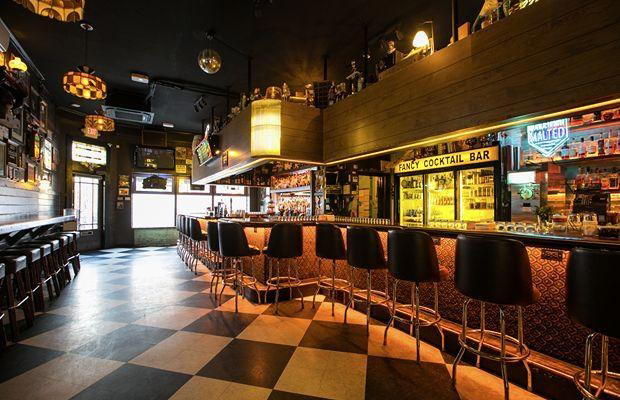

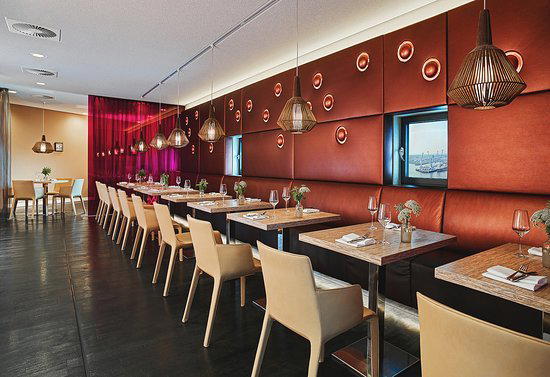
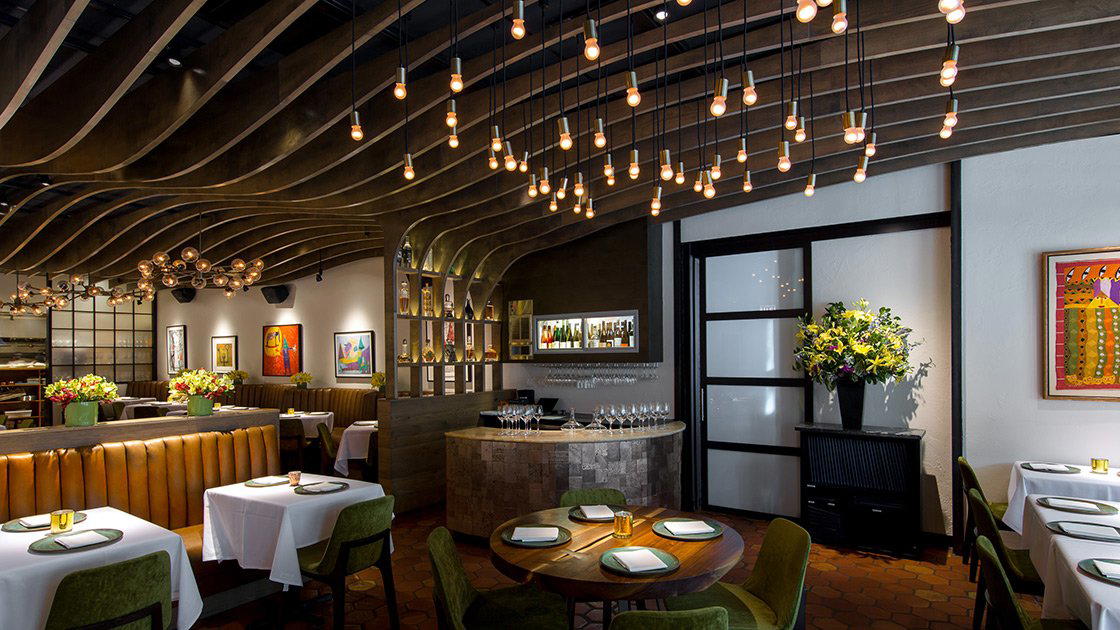
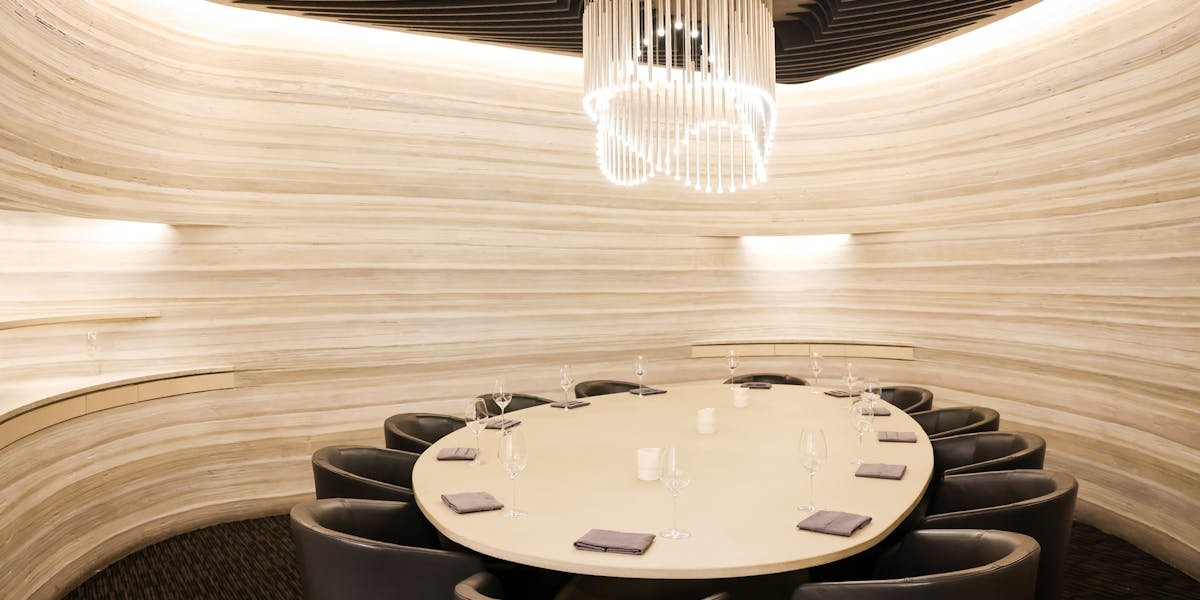
At a Glance
- Modern
- Intimate
- Date Night
- Special Occasion
- Standalone
- Seated Bar
- Sake
Intimate sushi spot focused on culinary artistry.