Ootoya Chelsea
Ootoya Chelsea brings the teishoku tradition of Japanese set-meal dining to the Flatiron edge of Manhattan, at 8 West 18th Street. The format — a complete meal built around a central protein, with rice, soup, and small sides — is common across Tokyo but relatively rare as a serious sit-down proposition in New York. For diners seeking a structured, affordable Japanese meal outside the omakase tier, it occupies a specific and underserved niche.
Pearl is the En Primeur Club membership app — saves, bookings, and concierge access live there. Same editors, same standards.
- Address
- 8 W 18th St, New York, NY 10011
- Phone
- +1 212 255 0018
- Website
- ootoya.us
- Directions
- Get directions
 Saves & bookings on Pearl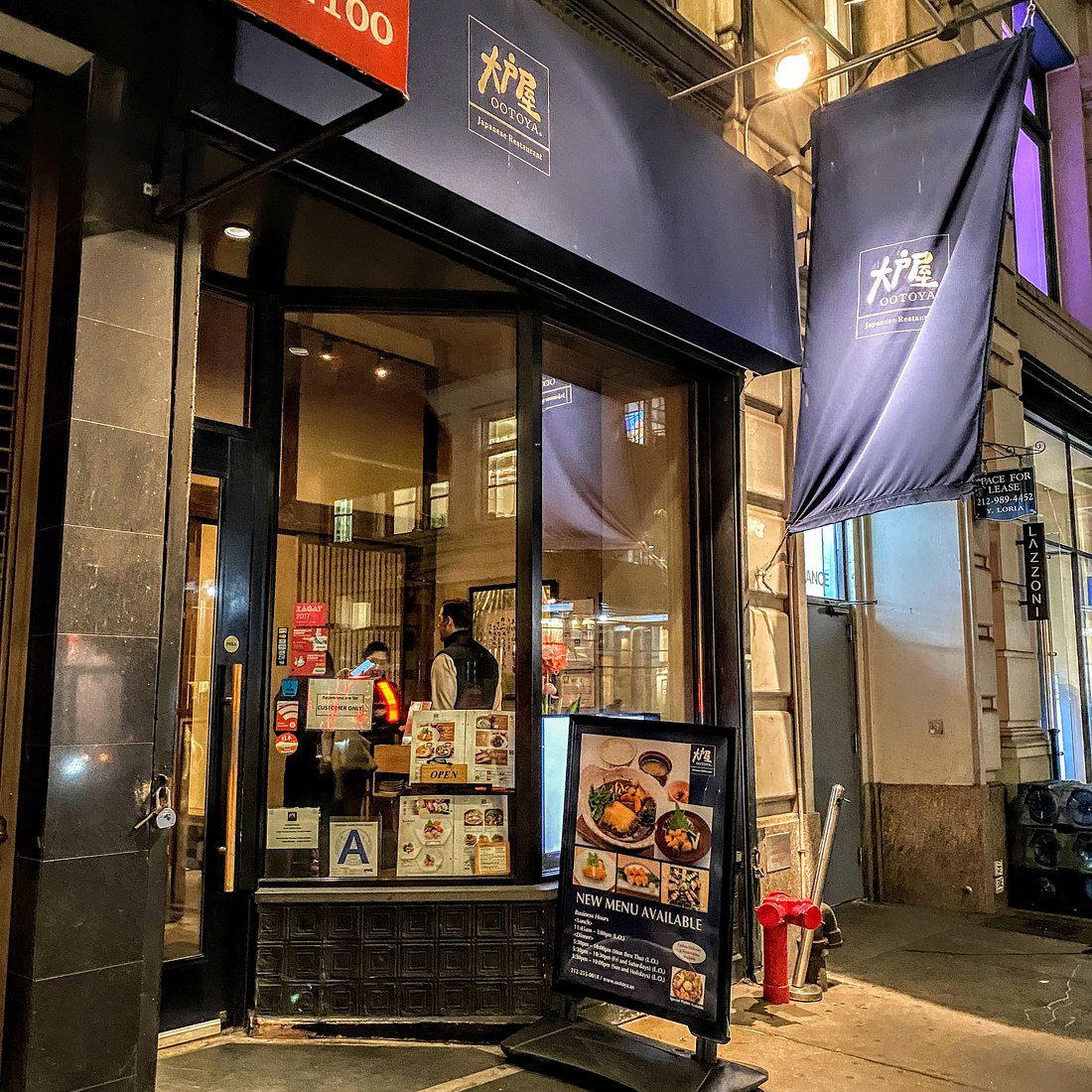
The Teishoku Tradition in a Manhattan Context
Japan's teishoku format — a composed set meal anchored by grilled fish, braised meat, or a fried centrepiece, accompanied by rice, miso soup, pickles, and one or two small sides — is so embedded in everyday Japanese dining that it rarely needs explanation at home. In New York, the picture is different. The city's Japanese restaurant spectrum runs heavily toward ramen shops, sushi counters, and izakayas built around small plates and drinking. The full teishoku proposition, where the meal arrives as a considered whole rather than a sequence of choices, occupies far less real estate on the city's menus.
Ootoya, the Tokyo-founded chain that has operated this Chelsea location at 8 West 18th Street for over a decade, sits directly in that gap. For New Yorkers accustomed to building Japanese meals from individual orders, the format requires a small adjustment: you choose a set, and the kitchen determines the architecture. That constraint is also the point. The teishoku disciplines the meal in ways that à la carte rarely does, balancing protein weight with light broth and fermented sides in ratios that have been refined across generations of Japanese home and canteen cooking.
Where Chelsea Sits in New York's Japanese Dining Map
The Flatiron and Chelsea corridor doesn't carry the Japanese restaurant density of Midtown's Koreatown adjacency or the East Village, where izakaya clusters have developed over decades. Ootoya's 18th Street address puts it closer to the office lunch and gallery-district dinner crowd than to the destination-dining set. That positioning shapes what the venue does well: it functions as a reliable, mid-week reset rather than a special-occasion table.
New York's broader Japanese dining scene has bifurcated sharply in recent years. On one end, omakase counters at the upper price tier have proliferated, with some of the city's most demanded reservations concentrated in this category. On the other, fast-casual Japanese formats have expanded. The structured sit-down teishoku restaurant, positioned between those poles, is less common than the market might support. Ootoya occupies that middle register, which gives it a clearer identity than many mid-market Japanese options in the neighbourhood.
For context on how New York's broader drinking and dining culture maps across neighbourhoods, see our full New York City restaurants guide. The cocktail side of the city's scene has its own geography worth understanding alongside the food map: operations like Superbueno, Amor y Amargo, Angel's Share, and Attaboy NYC each define a distinct tier and style in how the city drinks.
Planning the Visit: What the Booking Experience Looks Like
Ootoya Chelsea doesn't operate in the allocation and waitlist register of New York's harder reservations. The booking experience here is practical rather than strategic: it functions as the kind of restaurant where showing up without a reservation on a weekday lunch is a reasonable approach, and where a same-day booking on a weekend evening is usually achievable. That accessibility is a feature of the format as much as the venue. Teishoku restaurants in Japan operate on throughput, not ceremony, and the Chelsea location maintains that rhythm.
The planning question most relevant to first-timers is timing rather than securing a table. Lunch service draws from the surrounding office population, and the 18th Street block between Fifth and Sixth Avenues moves at that pace. Evening visits tend to be quieter and better suited to sitting through the full set-meal structure without feeling the pressure of a quickly turning room.
Compared to the booking difficulty that defines New York's upper tier, where counters like some of the city's omakase rooms operate on months-long queues, Ootoya represents the end of the spectrum where the barrier is entirely preference-based. You choose it because the format suits the occasion, not because you've been chasing an available slot.
The Set-Meal Format and What It Signals
The discipline of the teishoku format is worth understanding before you order. Each set is designed to function as a nutritionally and structurally complete meal: a main protein component, steamed rice that can typically be refilled, miso soup, and a series of small accompaniments that vary by set. The format doesn't reward modification. It rewards letting the kitchen's logic play out across the components as assembled.
For diners accustomed to Japanese meals built around a single focal dish, a bowl of ramen, a plate of sushi, the teishoku's distributed structure can take a moment to recalibrate to. The meal isn't about one standout element; it's about proportion and completeness. That philosophy, ordinary in Tokyo lunch counters, is genuinely less common as a sit-down experience in New York, which makes Ootoya's version of it worth understanding on its own terms.
Japanese set-meal dining of this kind is practiced with notable seriousness at a handful of bars and restaurants across the United States that draw on Japanese precision and balance. Operations like Kumiko in Chicago apply similar structural thinking to the cocktail and hospitality format, while on the West Coast, ABV in San Francisco and Bar Leather Apron in Honolulu operate with comparable discipline in their respective categories. Further afield, Jewel of the South in New Orleans, Julep in Houston, Allegory in Washington, D.C., and The Parlour in Frankfurt on the Main each demonstrate how format discipline, applied consistently, builds a distinct identity within a crowded category.
Know Before You Go
- Address: 8 W 18th St, New York, NY 10011
- Neighbourhood: Chelsea / Flatiron border, between Fifth and Sixth Avenues
- Format: Teishoku set-meal dining; Japanese chain with Tokyo origins
- Booking: Walk-ins typically accepted; advance reservation advisable for larger groups or weekend evenings
- Leading for: Weekday lunch, pre-theatre or gallery evenings, solo dining, structured Japanese meals outside the omakase tier
- Price tier: Mid-market; set meals position this well below New York's omakase and tasting-menu bracket
- Awards: No Michelin stars or major industry awards on record
Peers Worth Knowing
| Venue | Cuisine |
|---|---|
| Ootoya ChelseaThis venue — the venue you are viewing | This venue |
Continue exploring
More in New York City
Bars in New York City
Browse all →
Restaurants in New York City
Browse all →
Hotels in New York City
Browse all →





At a Glance
- Cozy
- Modern
- Casual Hangout
- After Work
- Standalone
- Seated Bar
- Booth Seating
- Sake
Current opening hours
- Monday
- 11:30 AM–2:30 PM, 5:30–9 PM
- Tuesday
- 11:30 AM–2:30 PM, 5:30–9 PM
- Wednesday
- 11:30 AM–2:30 PM, 5:30–9 PM
- Thursday
- 11:30 AM–2:30 PM, 5:30–9 PM
- Friday
- 11:30 AM–2:30 PM, 5:30–9 PM
- Saturday
- 11:30 AM–2:30 PM, 5:30–9 PM
- Sunday
- 11:30 AM–2:30 PM, 5:30–9 PM
Hours can change for holidays and private events. Last verified .
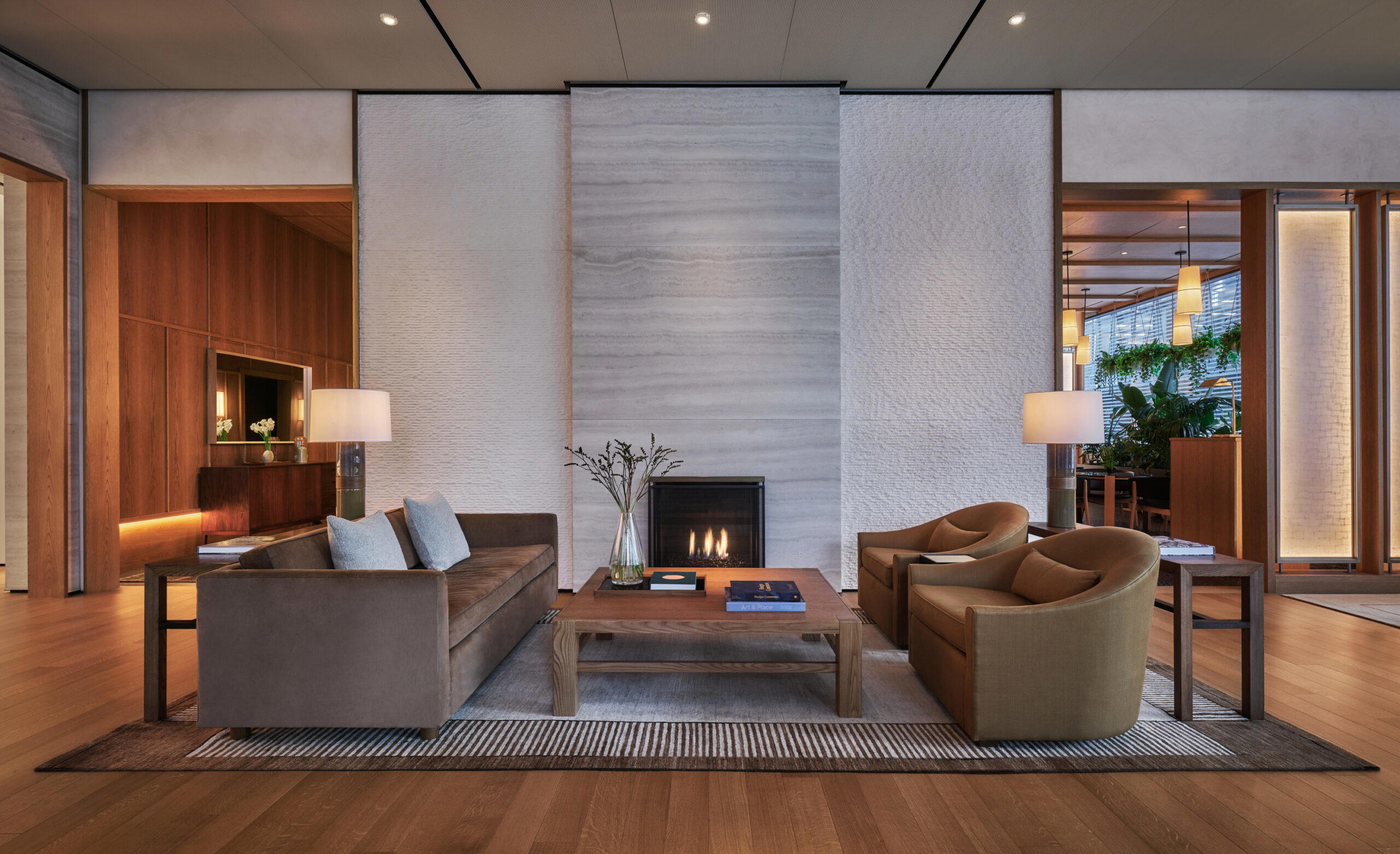
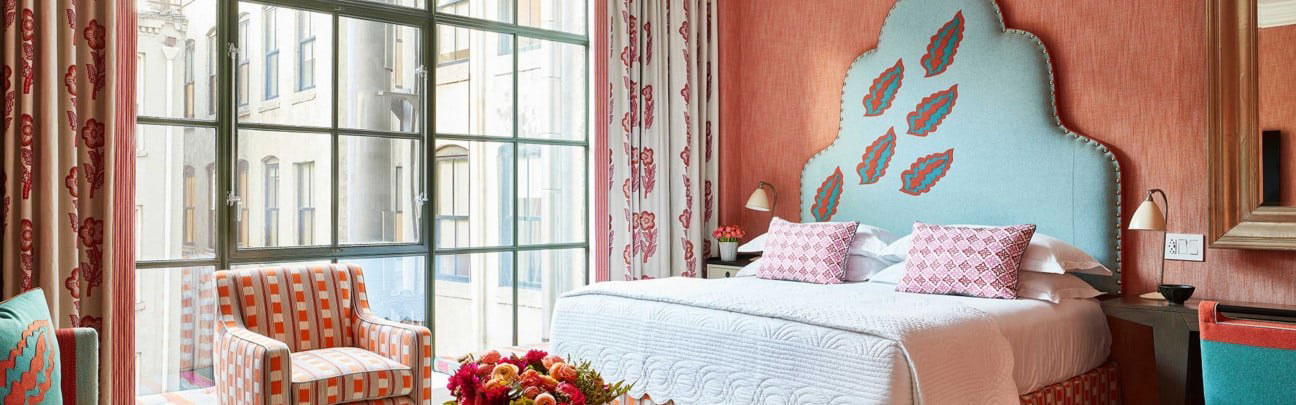
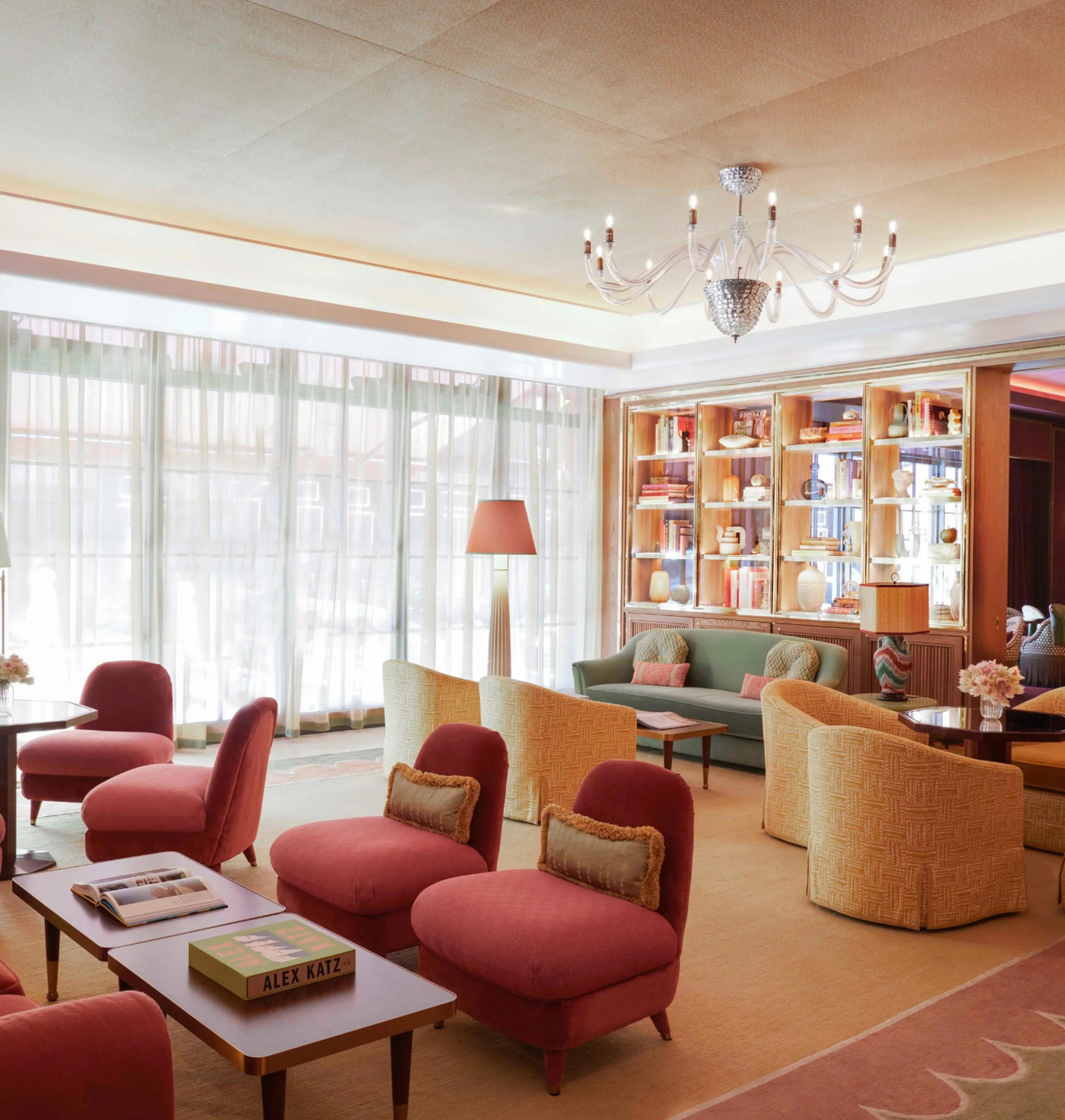
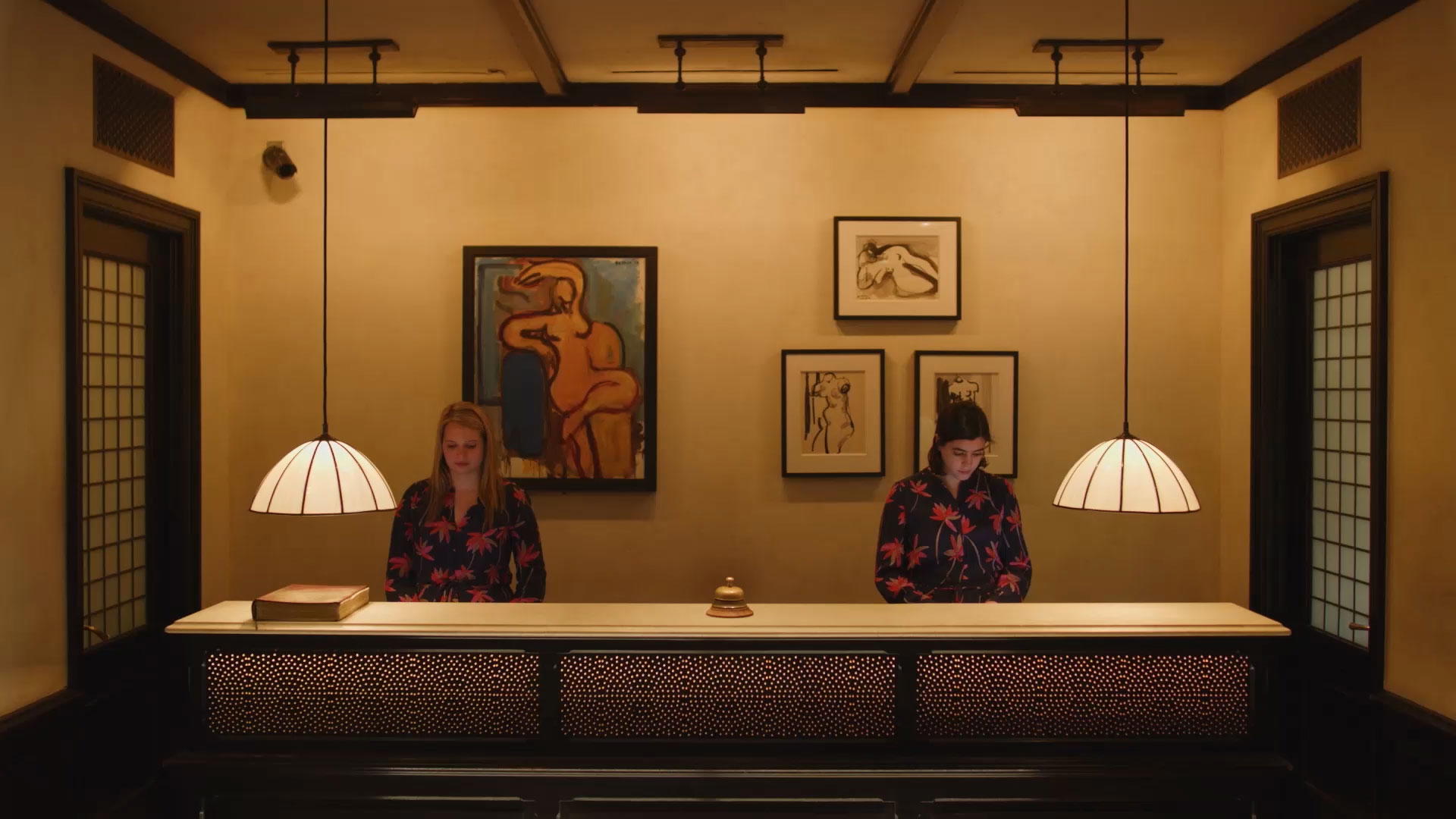
Dark, simple decor with a laid-back, vibey atmosphere enhanced by soft music; spacious yet with a cafeteria-like feel.
Know Before You Go
- Getting there
- 8 W 18th St, New York, NY 10011