Jade Rabbit
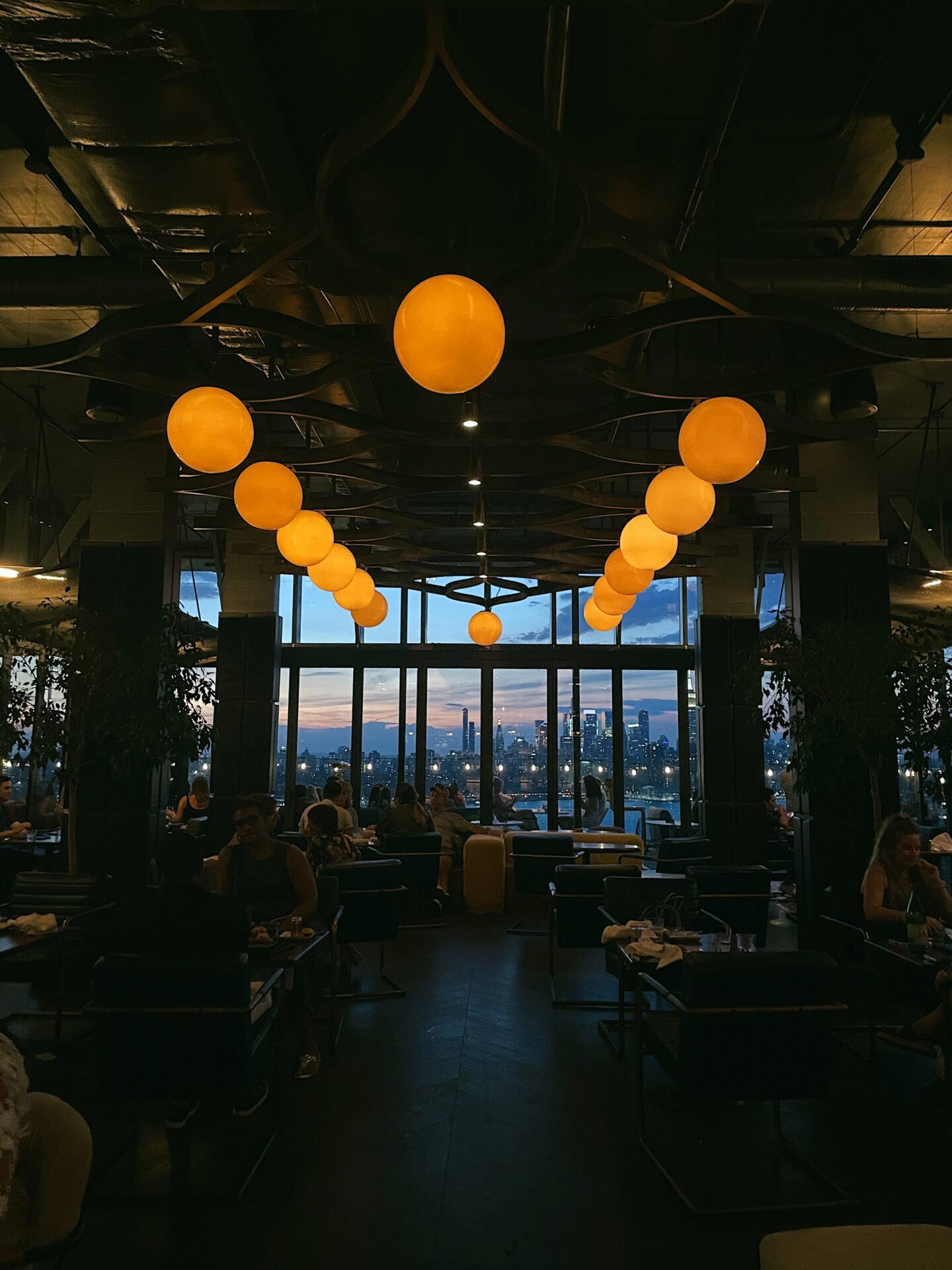
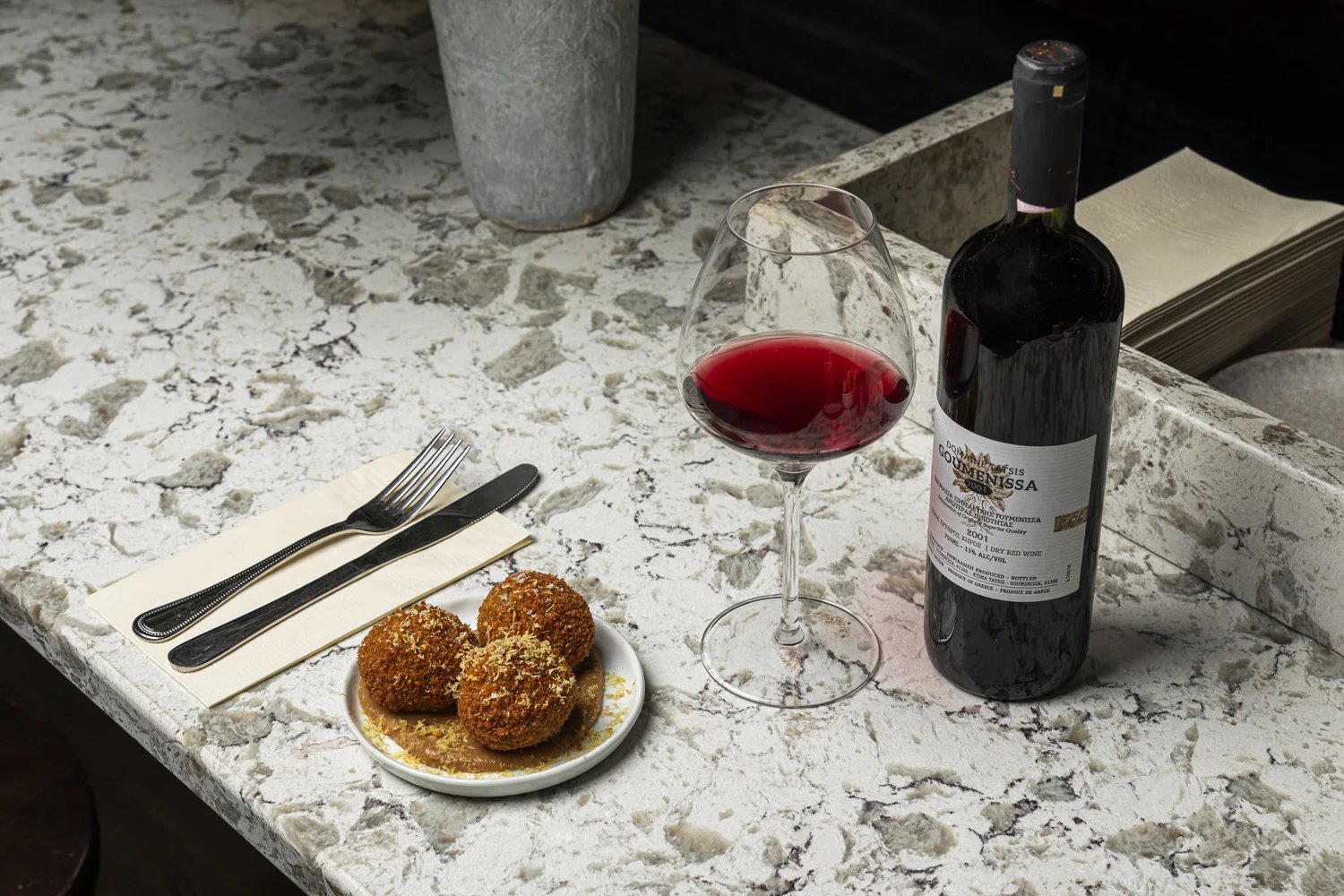
A rooftop Asian izakaya in New York City, Jade Rabbit pairs inventive cocktails with small plates in a format that sits at the more spirited end of Manhattan's refined bar scene. The concept draws on izakaya tradition while reaching toward something distinctly New York: fast-moving, laterally ambitious, and shaped by the city's appetite for Asian-inflected drinking culture.

Pearl is the En Primeur Club membership app — saves, bookings, and concierge access live there. Same editors, same standards.
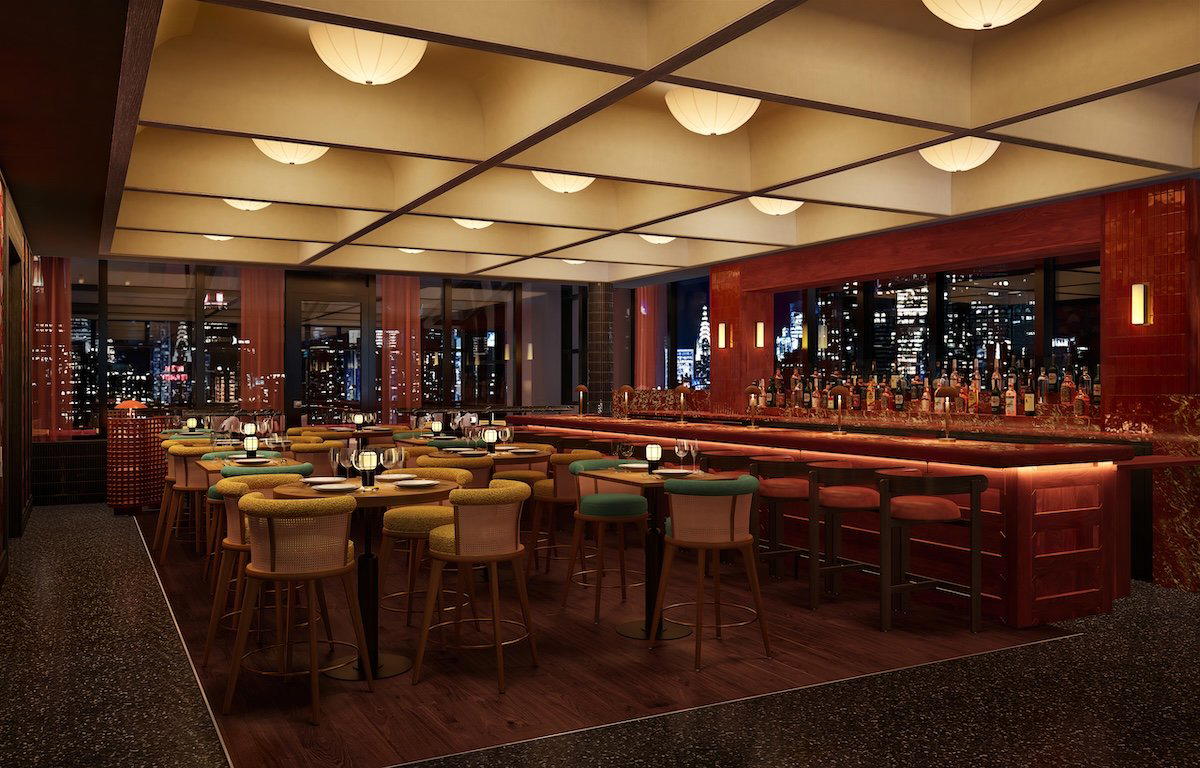
Planning Around a Rooftop That Moves Quickly
New York's rooftop bar category has split into two distinct tiers over the past decade. One group trades on views alone, filling seats with tourists and after-work crowds who accept middling drinks as the cost of altitude. The other, smaller group has built genuine beverage programs that would hold up at street level, and simply happens to occupy a rooftop. Jade Rabbit belongs to the second category, combining an Asian izakaya framework with cocktail ambition in a city that now takes both seriously.
The izakaya format, in its Japanese form, is fundamentally about drinking with food as a companion rather than a destination. Small plates arrive in no fixed sequence, conversation takes precedence over ceremony, and the bar is as central to the room as the kitchen. That structure travels well to New York, where the culture of grazing across a table while working through a cocktail list has become a dining default rather than a novelty. Jade Rabbit applies that logic at elevation, which changes the rhythm of a visit: rooftops impose their own pacing, tied to weather, light, and the energy of a crowd that is almost always in a better mood than one at street level.
The Cocktail Context
Manhattan's cocktail bar scene has matured into distinct neighborhoods of influence. The East Village and Lower East Side carry the legacy of the city's early craft cocktail movement, with bars like Attaboy NYC and Angel's Share having set a baseline for low-intervention, technically precise drinking. Further downtown and in the West Village, programs have grown more conceptual, more ingredient-led, and more willing to pull from global pantries. Amor y Amargo built its reputation on bitter-focused formats; Superbueno applies Latin flavors with the same rigor that fine dining applies to a tasting menu.
Asian-inflected cocktail programs occupy an interesting position inside that map. The flavor vocabulary, including yuzu, shiso, ume, dashi, and fermented elements, has moved from novelty to a recognized register, partly because Japanese whisky culture normalized the category's spirits side, and partly because enough serious bars have demonstrated that the techniques hold up under scrutiny. Jade Rabbit operates in that space, where a rooftop setting is a feature rather than a distraction, and the small-plate menu is designed to sustain a longer visit rather than just absorb alcohol.
For readers who follow the same format across other American cities, the comparison points are instructive. Kumiko in Chicago applies Japanese aesthetics and technique to a more contemplative, spirits-focused program. Bar Leather Apron in Honolulu has built one of the country's more precise bar programs around similar Asian-influenced foundations. ABV in San Francisco and Allegory in Washington, D.C. represent the broader American shift toward bars that treat the drink list as an editorial statement. Within that peer group, Jade Rabbit sits at the more social, higher-energy end: the izakaya framework invites a different kind of visit than a quiet spirits bar, and the rooftop setting reinforces that.
What the Format Asks of the Visit
An izakaya-style rooftop is not the place to arrive with a rigid plan. The format rewards groups of two to four who are willing to order in rounds, share plates without much negotiation, and let the cocktail list drive the conversation. Larger groups can make it work, but the energy of the space tends to fragment above a certain table size. Solo visits are possible, particularly at the bar itself, where the pace of the drink program is easier to track without the noise of a shared table.
Weather is a genuine variable. New York's rooftop season runs reliably from late April through October, with May, June, and September offering the most consistent conditions. July and August bring heat that can make a rooftop visit feel punishing by 7 p.m. though evenings after 8 p.m. tend to recover. Checking conditions before arrival matters more here than at a ground-floor venue, particularly for a visit planned around the cocktail list rather than a meal.
Booking and Arrival
Rooftop venues with genuine drink programs in Manhattan tend to operate on shorter booking windows than fine-dining restaurants, but they fill faster than their casual atmosphere implies. The combination of limited outdoor capacity, weather dependency, and social media visibility means that weekend slots, particularly Friday and Saturday evenings between 7 p.m. and 10 p.m. move quickly. Midweek visits offer more flexibility and often a calmer version of the same experience.
The broader New York rooftop category has trained the city's planning culture toward walk-in optimism, but that approach works better at view-led venues than at those with actual programs. For Jade Rabbit, treating the booking the way you would treat a reservation at a bar like Jewel of the South in New Orleans or Julep in Houston is the right frame: these are not spaces you gamble on if the visit matters. Arrive with a booking, arrive slightly early, and let the first round settle the pace.
For readers building a longer New York itinerary around bar culture, the EP Club New York City guide maps the full scene with the same editorial approach. Internationally, The Parlour in Frankfurt on the Main offers a useful contrast in how a different city builds its premium bar identity around food-pairing formats.
Planning Your Visit
Reservations: Book in advance for weekend evenings; midweek walk-ins are more viable but not guaranteed. Leading time: Late spring and early fall for rooftop conditions; arrive by 7 p.m. to secure the full evening. Format: Izakaya-style small plates alongside a cocktail-led program; leading approached as a long first stop rather than a pre-dinner drink. Group size: Two to four people is the format's natural fit.
Comparable Spots, Quickly
| Venue | Cuisine | Price | Awards |
|---|---|---|---|
| Jade RabbitThis venue — the venue you are viewing | Rooftop Asian izakaya (inventive cocktails and small plates) | $30–50 | Not listed |
| The Long Island Bar | Not listed | $30–50 | World's 50 Best #64 · Top 500 Bars Best Bars #367 |
| Dirty French | Not listed | Not listed | World's Best Steaks 50 Best #32 · Star Wine List |
| Superbueno | Not listed | $30–50 | World's 50 Best #9 · Top 500 Bars Best Bars #35 |
| Amor y Amargo | Not listed | $20–30 | World's 50 Best #23 |
| Angel's Share | Wine Bar | $20–30 | World's 50 Best #31 · Top 500 Bars Best Bars #200 |
Continue exploring
More in New York City
Bars in New York City
All bars in New York City →
Restaurants in New York City
All restaurants in New York City →




Details
- Elegant
- Intimate
- Date Night
- Special Occasion
- Speakeasy
- Standalone
- Seated Bar
- Lounge Seating
- Craft Cocktails
Current opening hours
- Monday
- Closed
- Tuesday
- 4:30 PM–12 AM
- Wednesday
- 4:30 PM–12 AM
- Thursday
- 4:30 PM–12 AM
- Friday
- 4:30 PM–12 AM
- Saturday
- 4:30 PM–12 AM
- Sunday
- Closed
Hours can change for holidays and private events. Last verified .
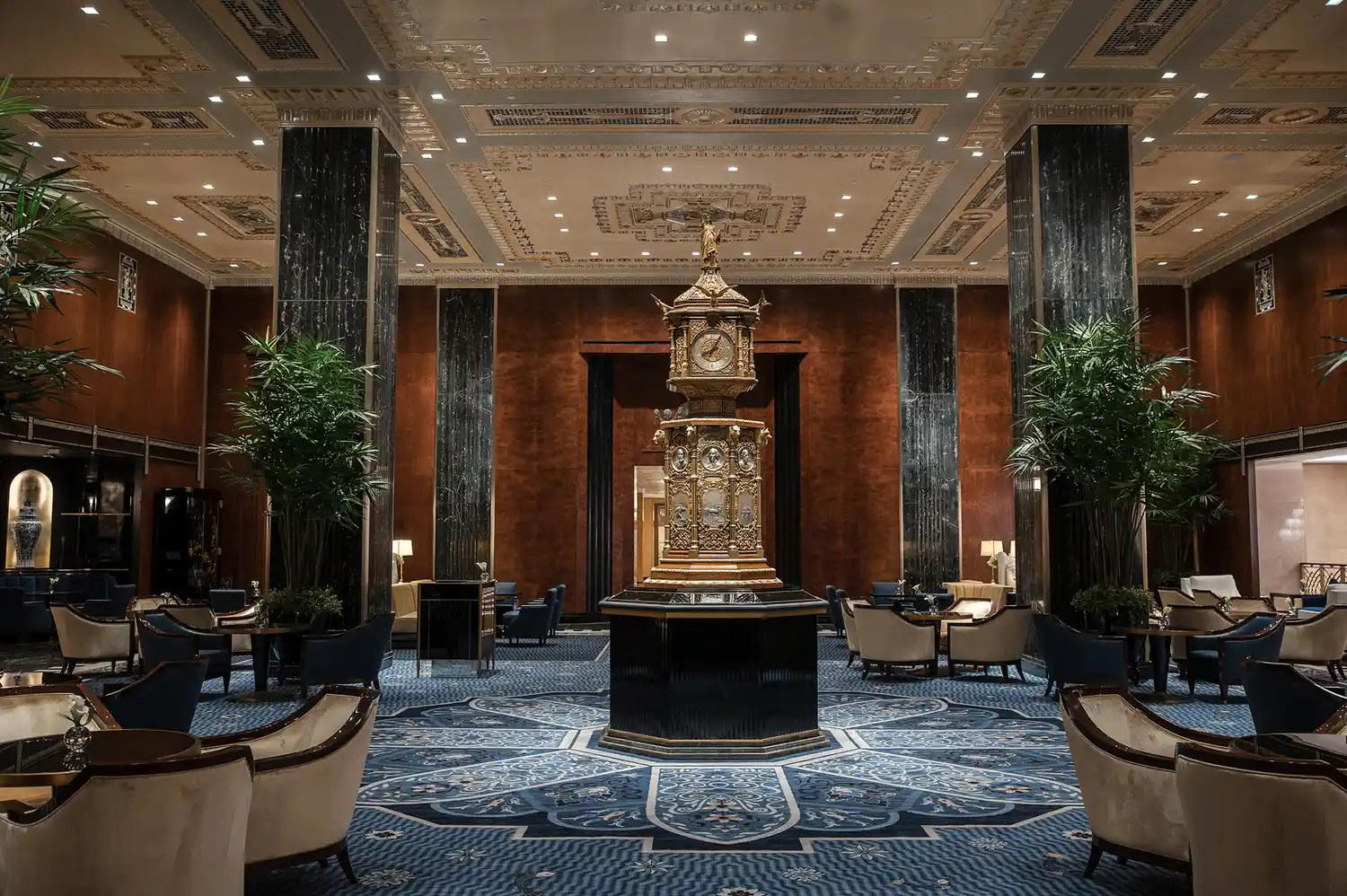
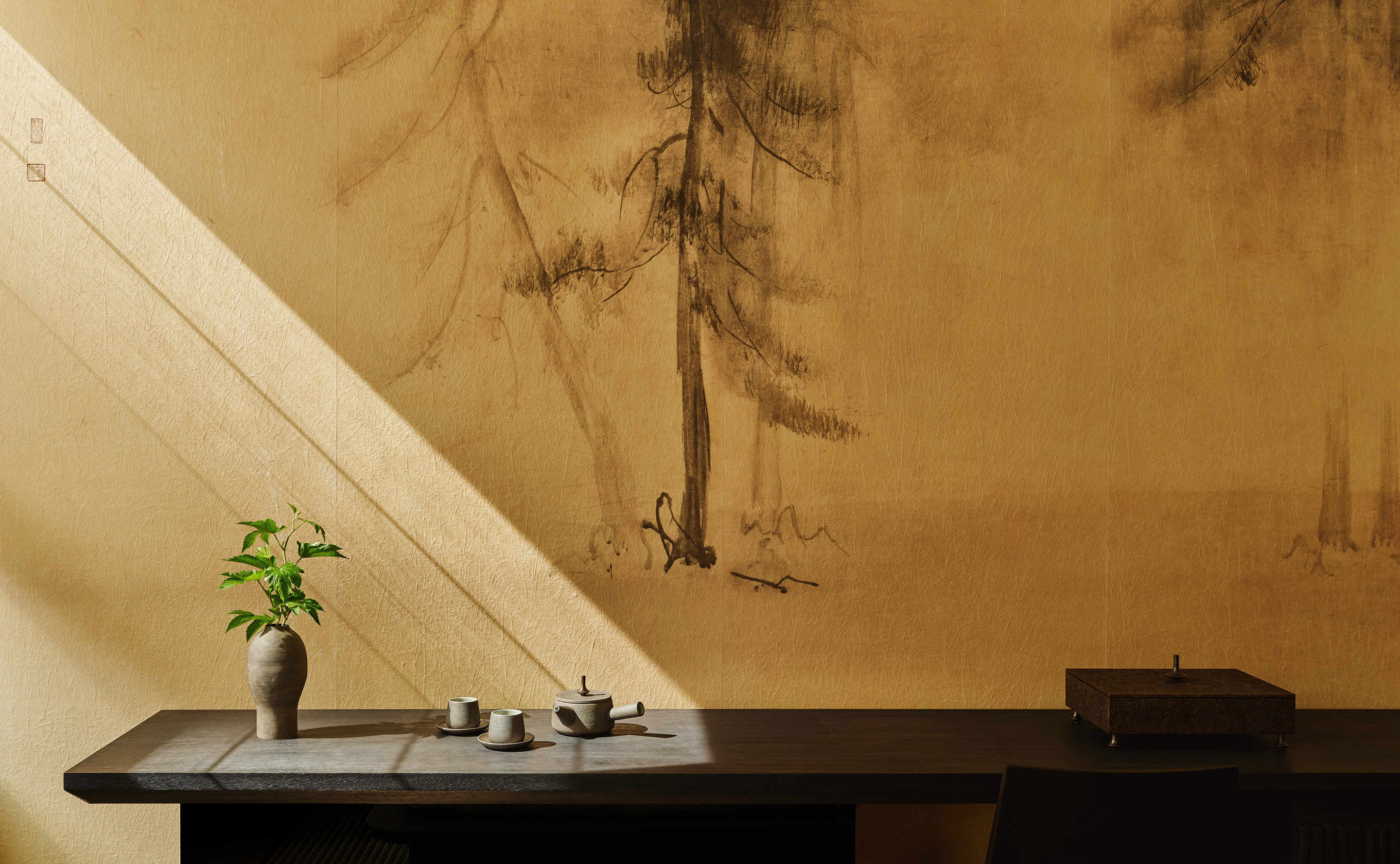
Low-lit, low-key atmosphere with elegant and moody decor creating an intimate, drinks-focused hidden space.