
Star Wine List
A hand-built neighbourhood bar on Monumentenstraße in Schöneberg, Monu earns its reputation through a tightly curated natural wine list assembled by founders Ine Haesaert and Vivian Kuper. The atmosphere is warm and lived-in, the bottles are chosen with quiet exacting care, and the bar sits firmly within Berlin's growing cohort of wine-led drinking rooms that prioritise provenance over performance.

Pearl is the En Primeur Club membership app — saves, bookings, and concierge access live there. Same editors, same standards.
- Address
- Monumentenstraße 27, 10965 Berlin, Germany
- Phone
- +49 176 47656853
- Hours
- Mon–Tue ClosedWed 11 AM–10 PMThu–Sat 10 AM–10 PMSun 10 AM–8 PM
- Website
- monuberlin.de
- Directions
- Get directions
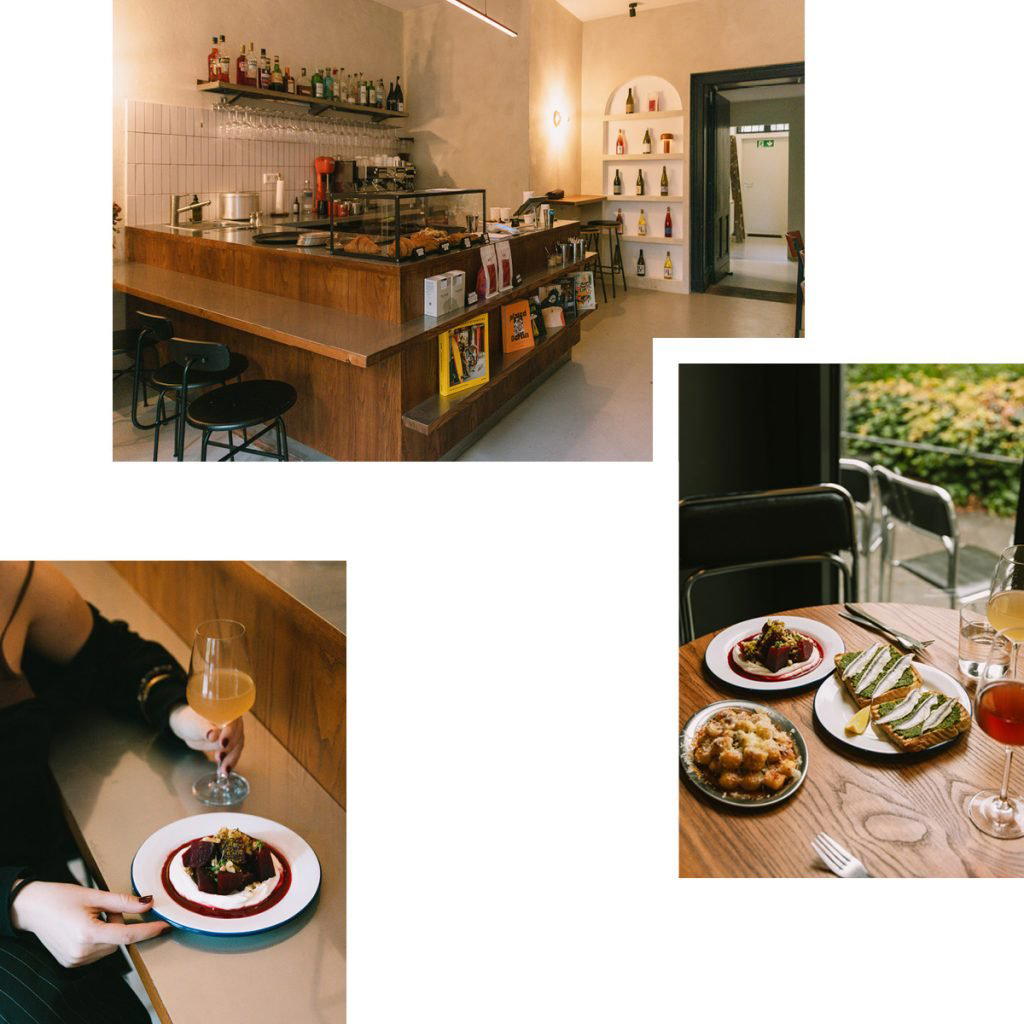
A Schöneberg Bar Where the Bottles Do the Talking
Berlin's drinking culture has long organised itself around a loose taxonomy: the theatrical cocktail bar, the brutalist club anteroom, the corner Kneipe running cheap lager until sunrise. What has emerged more slowly — and with considerably more discipline — is a smaller tier of wine-led bars that treat the glass as seriously as any Michelin-tracked sommelier program, but without the white tablecloths. Monu, on Monumentenstraße in Schöneberg, belongs to that cohort. The address puts it away from the more travelled drinking circuits of Mitte or Prenzlauer Berg, and that distance is part of the point: this is a bar that functions as a neighbourhood institution rather than a destination on a curated bar crawl.
Approach from the street and the signalling is modest. The interior reads as hand-built and well-worn in the way that takes either genuine time or a great deal of deliberate effort to achieve, the kind of space where the furniture looks chosen rather than sourced from a hospitality supplier. What arrives quickly, once you are inside, is the sense that the people running this place have specific opinions about what goes in a glass and are not particularly interested in softening them for a broader audience.
The List: Natural Wine as a Considered Position
The natural wine movement has produced two distinct bar types in European cities over the past decade. The first performs naturalism as aesthetic: mismatched ceramics, cloudy pours, and a chalkboard that changes weekly to signal spontaneity. The second uses the natural wine framework as a genuine editorial tool, building a list that reflects relationships with producers, a point of view on region and method, and a willingness to stock bottles that require some explanation at the table. Monu sits in the second category.
Founders Ine Haesaert and Vivian Kuper have assembled a list that favours natural producers, and the curation reads as the result of accumulated knowledge rather than trend-following. In the broader context of Berlin's wine bar scene, this positions Monu alongside a small peer group of venues where the list itself is the primary editorial statement, where you come to drink something you have not encountered before, guided by people who can place it within a tradition and a geography. The bar does not require the drinker to already know what they want; it assumes a willingness to be directed, which is a different kind of hospitality proposition from the menu-heavy cocktail bars that dominate much of the city's drinking press.
For comparison, Berlin's cocktail-forward venues, including Buck & Breck, Stagger Lee, and Velvet, operate with a different set of priorities, where technique and spirit selection carry the editorial weight. Lebensstern occupies another register again. Monu's distinction is that wine curation, rather than mixology, is the organising principle, and the room is built around that premise.
What the Room Signals About Its Ambitions
The lived-in quality of the space is not incidental. Bars in Berlin that pursue a deliberate low-key aesthetic tend to fall into two types: those using informality as a posture to attract a certain clientele, and those where informality reflects a genuine set of priorities about what the experience should feel like. Monu reads as the latter. The warmth of the room is a function of how it is operated rather than how it was designed, and that distinction matters when you are deciding how to spend an evening.
In the broader geography of German bar drinking, the wine-led neighbourhood bar is still a relatively rare format. The cocktail bar has its flagship addresses in every major city: The Parlour in Frankfurt on the Main, Goldene Bar in Munich, Le Lion Bar de Paris in Hamburg, Bar Trattoria Celentano in Cologne. Further afield, venues like Uerige in Dusseldorf, Kieler Brauerei am Alten Markt in Kiel, and even Bar Leather Apron in Honolulu demonstrate that a serious, focused drinking program can anchor a room regardless of geography. What Monu represents within its own city is a bet that a wine-centric, neighbourhood-rooted format can develop a loyal, return-visit audience without needing to compete on spectacle.
The Schöneberg Factor
Location shapes bar culture in ways that go beyond postcode. Schöneberg has a long history as one of Berlin's more textured residential districts, with a drinking and dining scene that serves residents rather than tourists moving between landmark stops. Bars that establish themselves on streets like Monumentenstraße tend to develop a regulars culture more quickly than venues in higher-footfall areas, and that dynamic affects everything from the pace of service to the depth of conversation you can have about what is in the glass. Monu benefits from this context: its position within the neighbourhood gives it the latitude to operate at a slower, more deliberate register than a bar on Rosenthaler Platz or Weinbergsweg would typically sustain.
Planning a Visit
Monumentenstraße 27 is reachable from the Yorckstraße S-Bahn and U-Bahn interchange, which sits a short walk to the south and connects to the broader network efficiently. Given the bar's neighbourhood character and the intimacy of the space, arriving without a plan for a long stay is probably the wrong approach, this is a room that rewards an unhurried evening rather than a quick stop. The natural wine list will, in most cases, require some engagement with whoever is behind the bar, so going in with an open brief rather than a specific bottle request is the more useful posture. No phone number or booking system is listed in the public record, which suggests the bar operates on a walk-in basis, consistent with its neighbourhood format. For a broader map of where Monu sits within the city's drinking and dining scene, the full Berlin guide provides neighbourhood-level context across categories.
Price and Recognition
Comparable venues nearby, for context on price, style, and recognition.
| Venue | Cuisine | Price | Awards | Notes |
|---|---|---|---|---|
| MonuThis venue — the venue you are viewing | Kreuzberg, lounge | $20–30 | Star Wine List | Not listed |
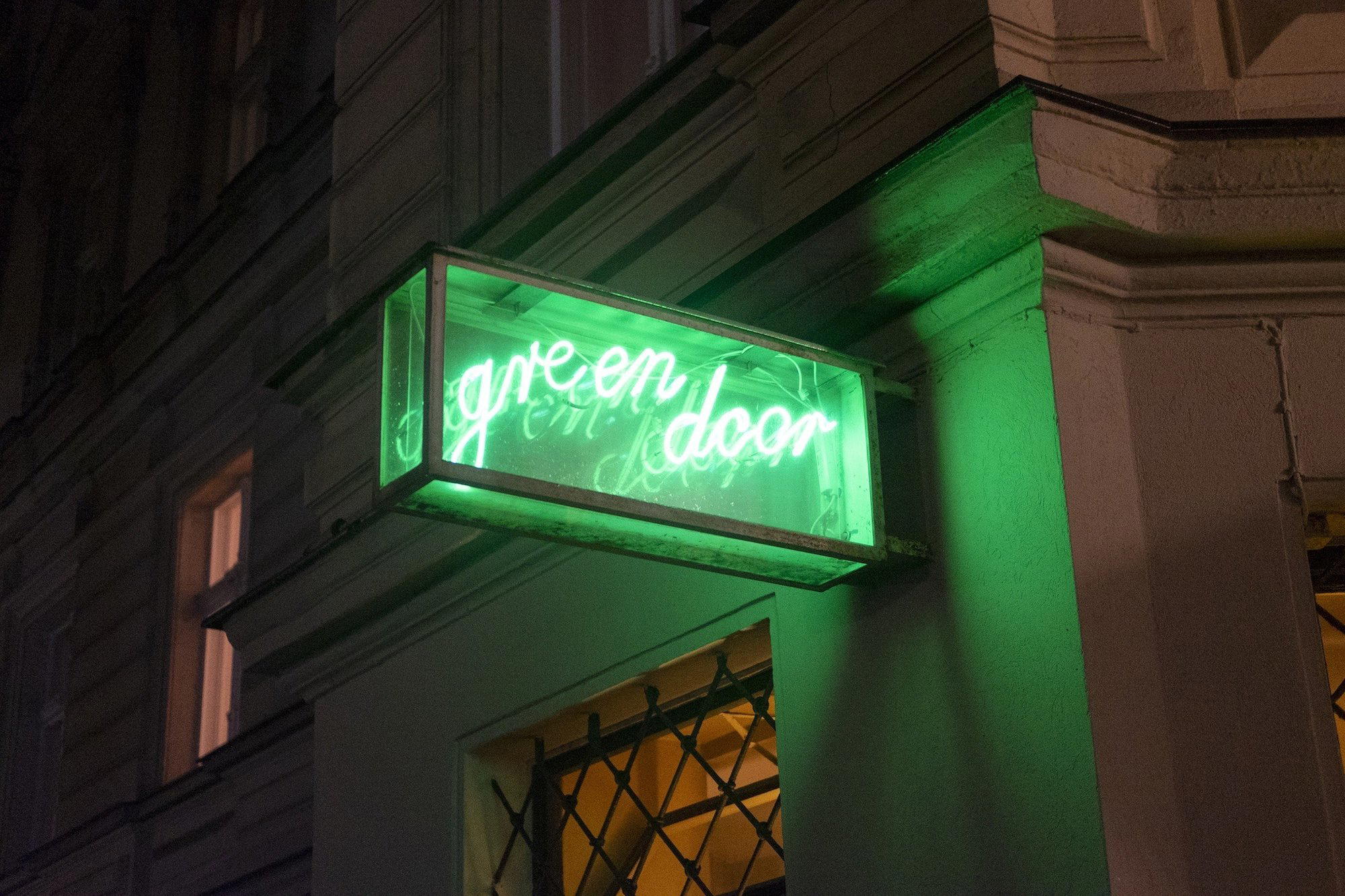
| Green Door | Not listed | $20–30 | Mixology Bar Awards Barteam des Jahres Winner · Falstaff Bar - 94 Falstaff Points | Schoneberg, cocktail_bar |
| Der Kleine August | Mitte, Bar | $30–50 | Star Wine List | Not listed |
| Bar Elisabeth | Not listed | $20–30 | Star Wine List | Wedding, wine_bar |
| Liesl Weinwirtschaft | Not listed | $20–30 | Star Wine List · Falstaff Wine Bar - 87 Falstaff Points | Neukolln, wine_bar |
| Renate | Friedrichshain, lounge | $20–30 | Not listed | Not listed |
Recognition history
Dated appearances from independent guides and award organizations, with the underlying list record or original source where available.
Star Wine List
Star Wine List
Continue exploring
More in Berlin
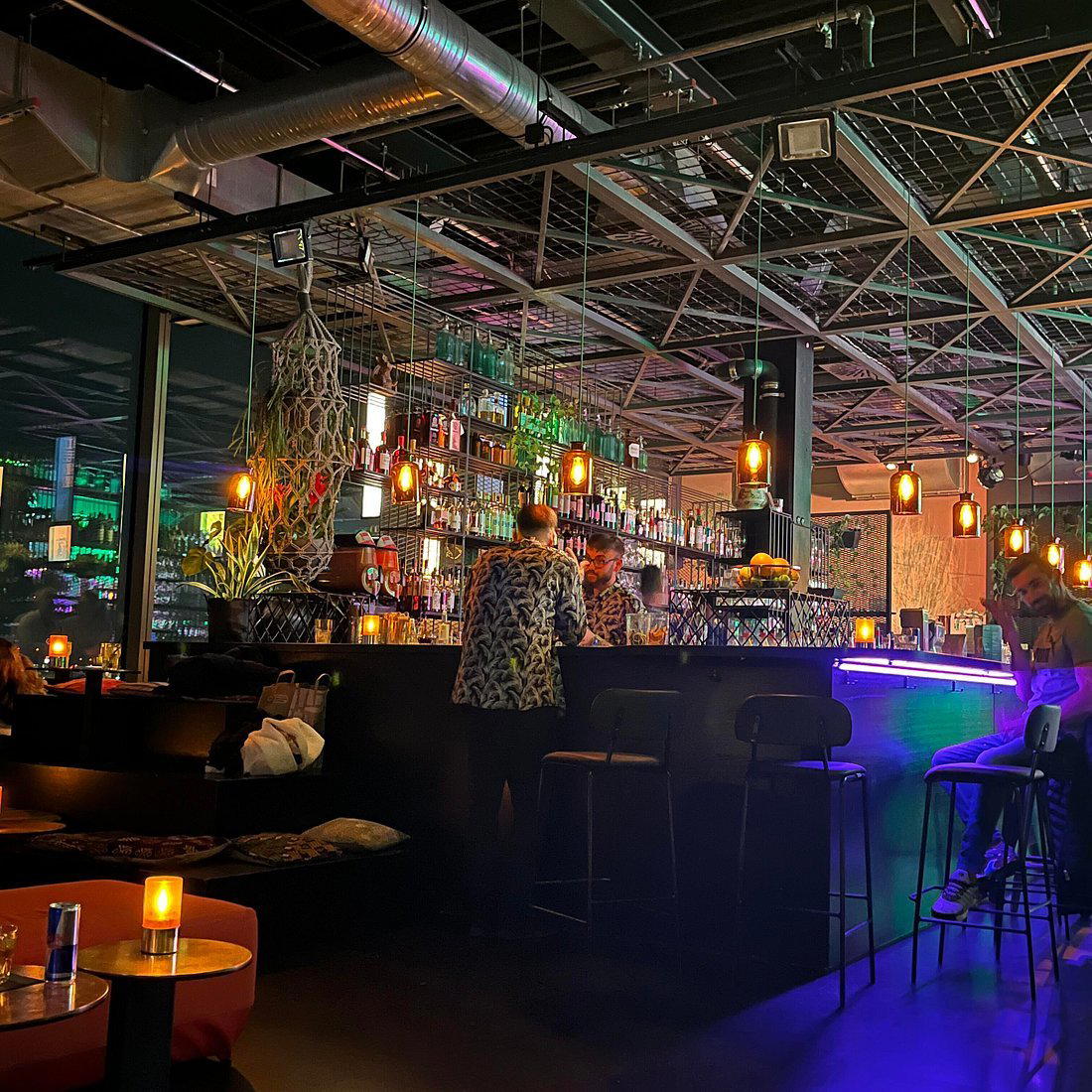
Bars in Berlin
Browse all →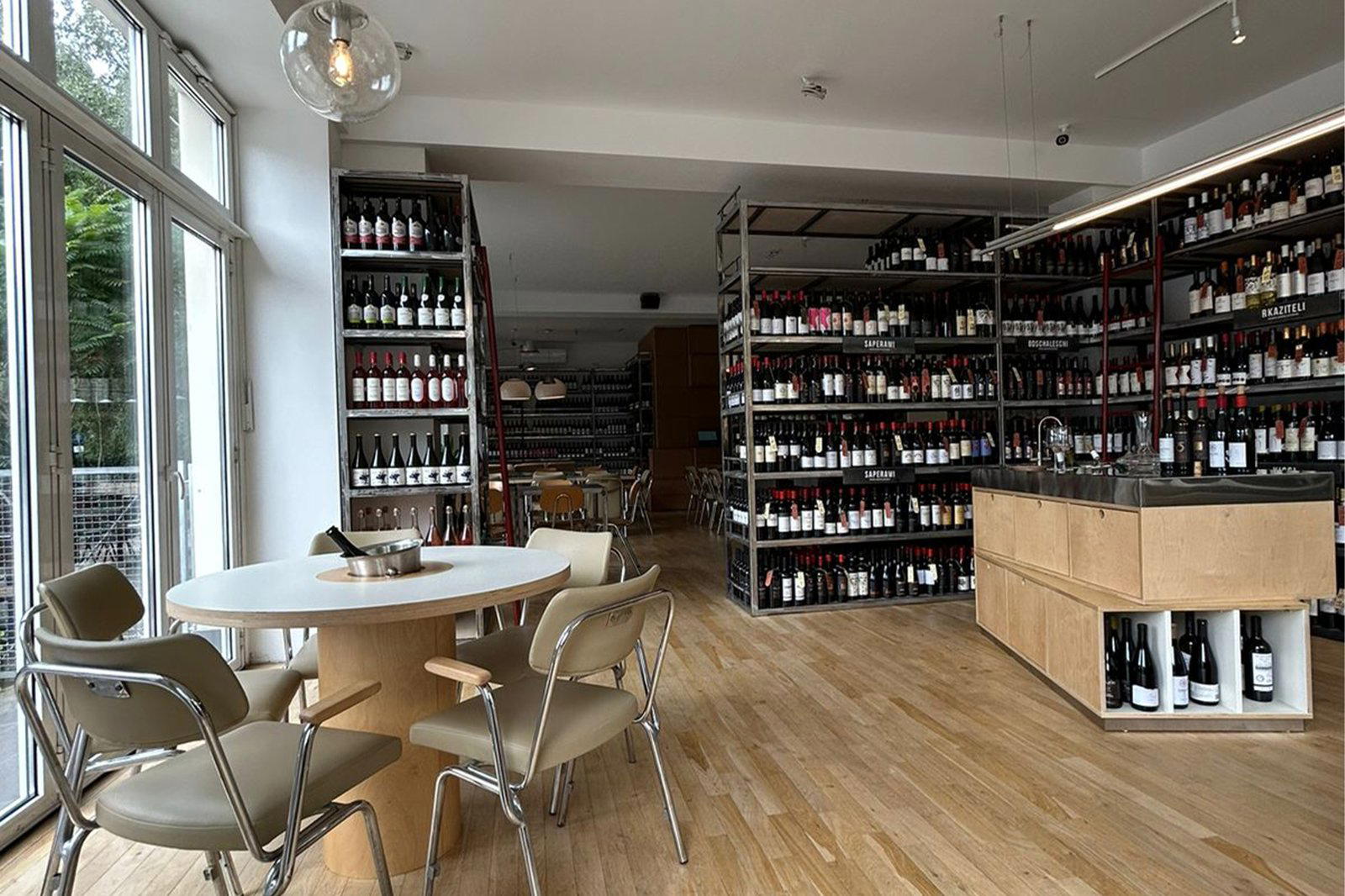
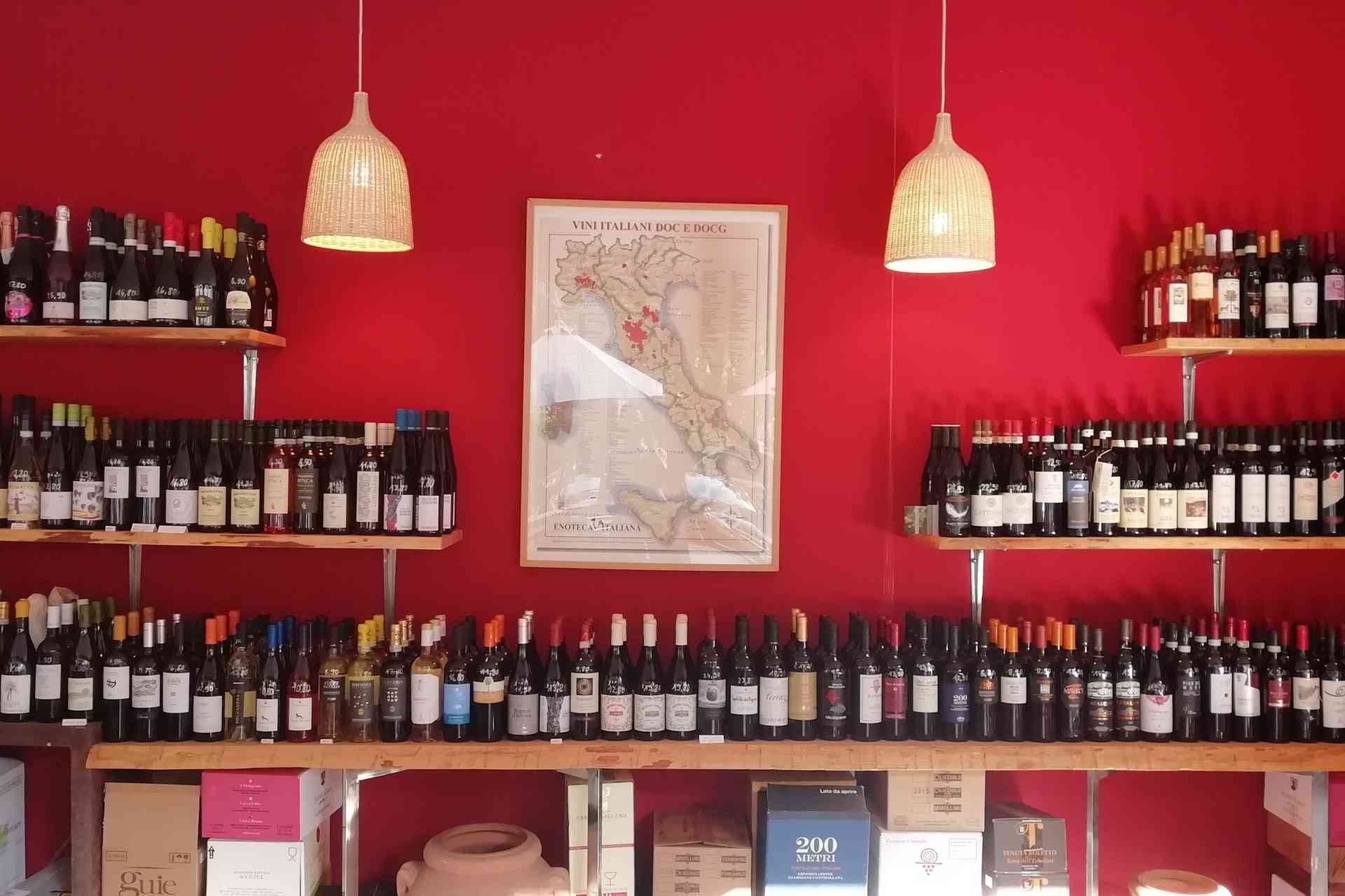
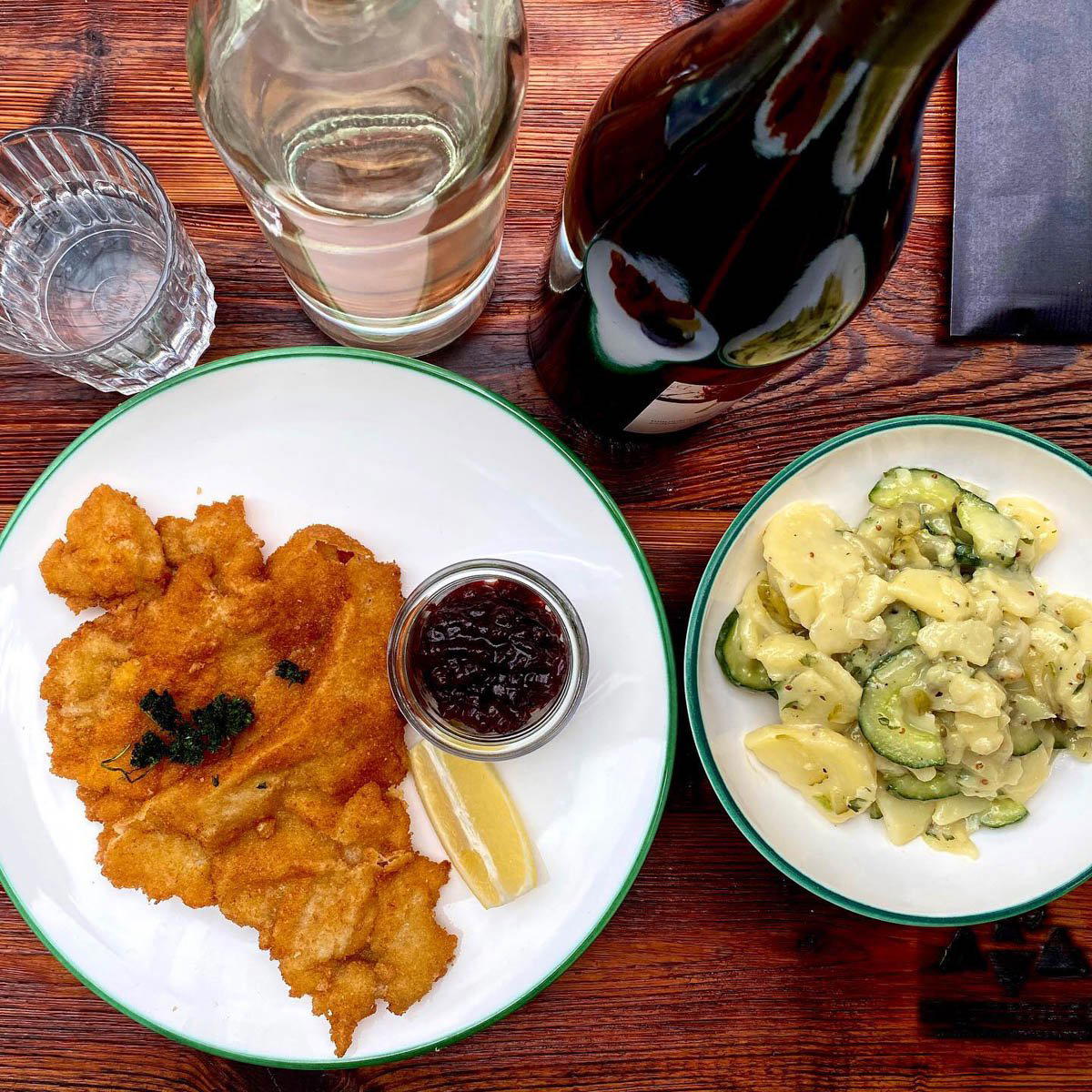
Restaurants in Berlin
Browse all →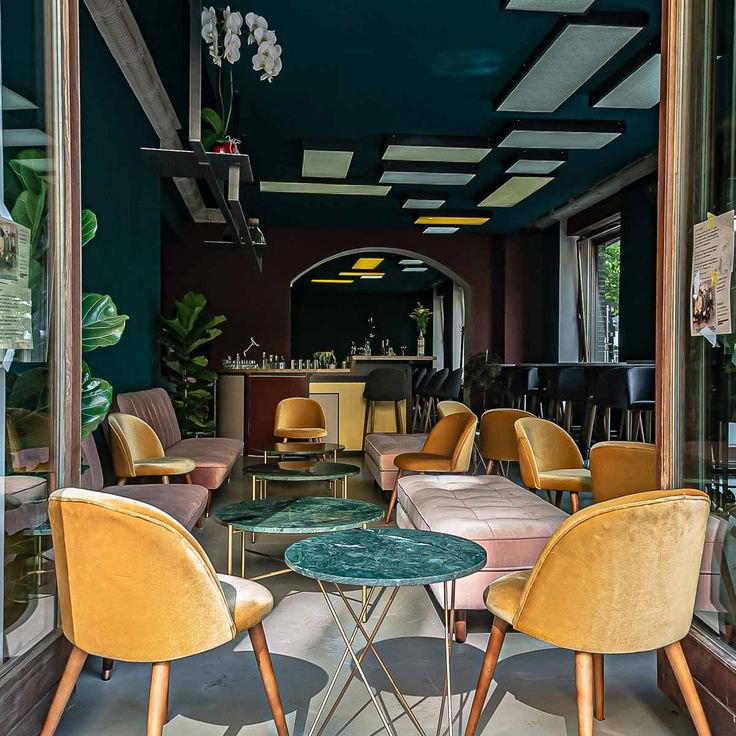
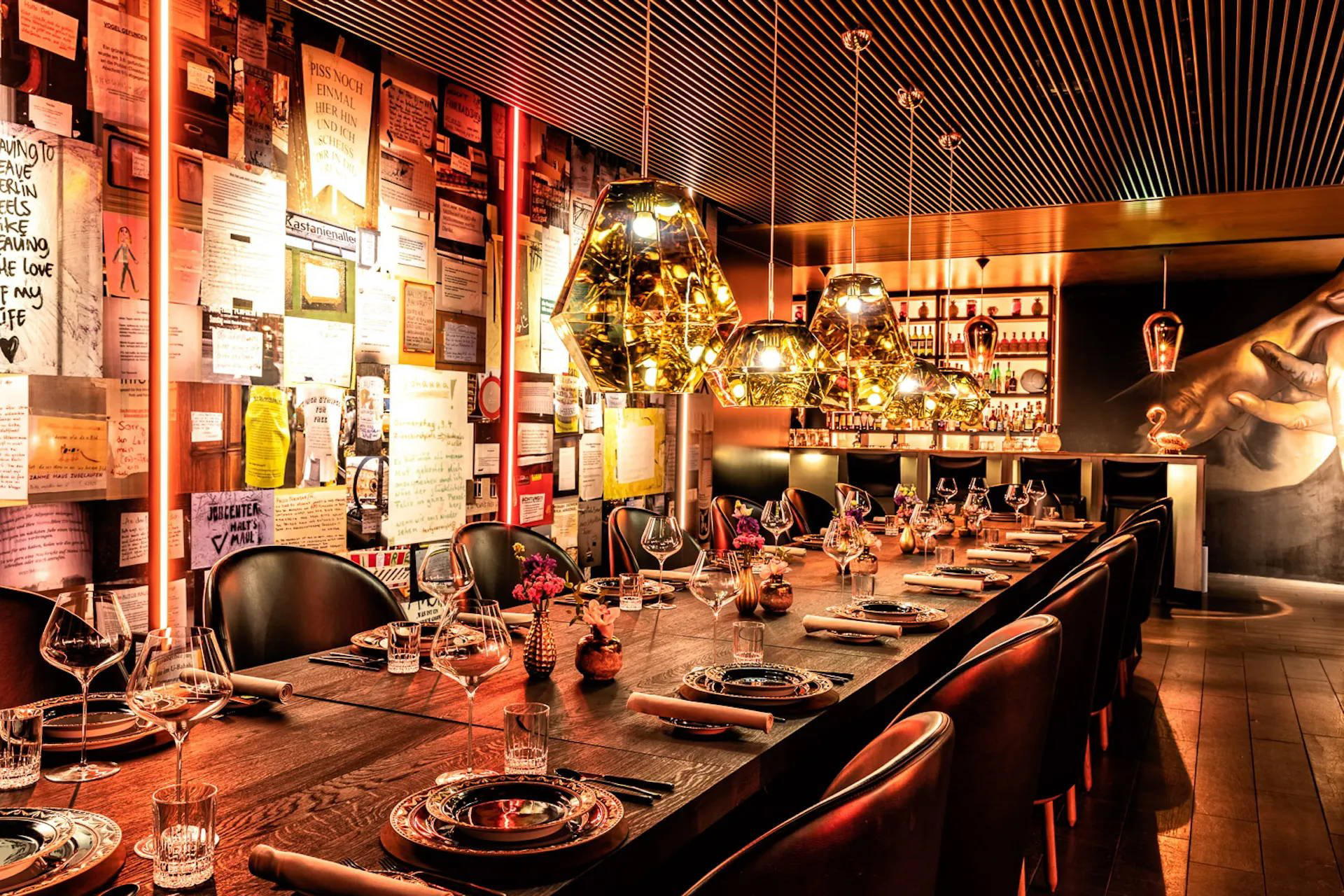
Hotels in Berlin
Browse all →

Details
- Scenic
- Lively
- Trendy
- Casual Hangout
- Group Outing
- After Work
- Waterfront
- Terrace
- Live Music
- Outdoor Terrace
- Standing Room
- Lounge Seating
- Craft Cocktails
- Waterfront
Current opening hours
- Monday
- Closed
- Tuesday
- Closed
- Wednesday
- 11 AM–10 PM
- Thursday
- 10 AM–10 PM
- Friday
- 10 AM–10 PM
- Saturday
- 10 AM–10 PM
- Sunday
- 10 AM–8 PM
Hours can change for holidays and private events. Last verified .
Casual and lively with outdoor seating overlooking the water; DJ atmosphere in evenings