Mikado Ryotei
Austin's Research Boulevard corridor is not where most diners expect to find a Japanese ryotei format, yet Mikado Ryotei has occupied its address at 9033 Research Blvd long enough to accumulate a local reputation that outpaces its low-key setting. The restaurant draws guests who understand the difference between a ryotei's paced, course-driven ritual and the faster registers of most Austin Japanese dining.
Pearl is the En Primeur Club membership app — saves, bookings, and concierge access live there. Same editors, same standards.
- Address
- 9033 Research Blvd #100, Austin, TX 78758
- Phone
- +1 512 833 8188
- Website
- mikadoaustin.com
- Directions
- Get directions
 Saves & bookings on Pearl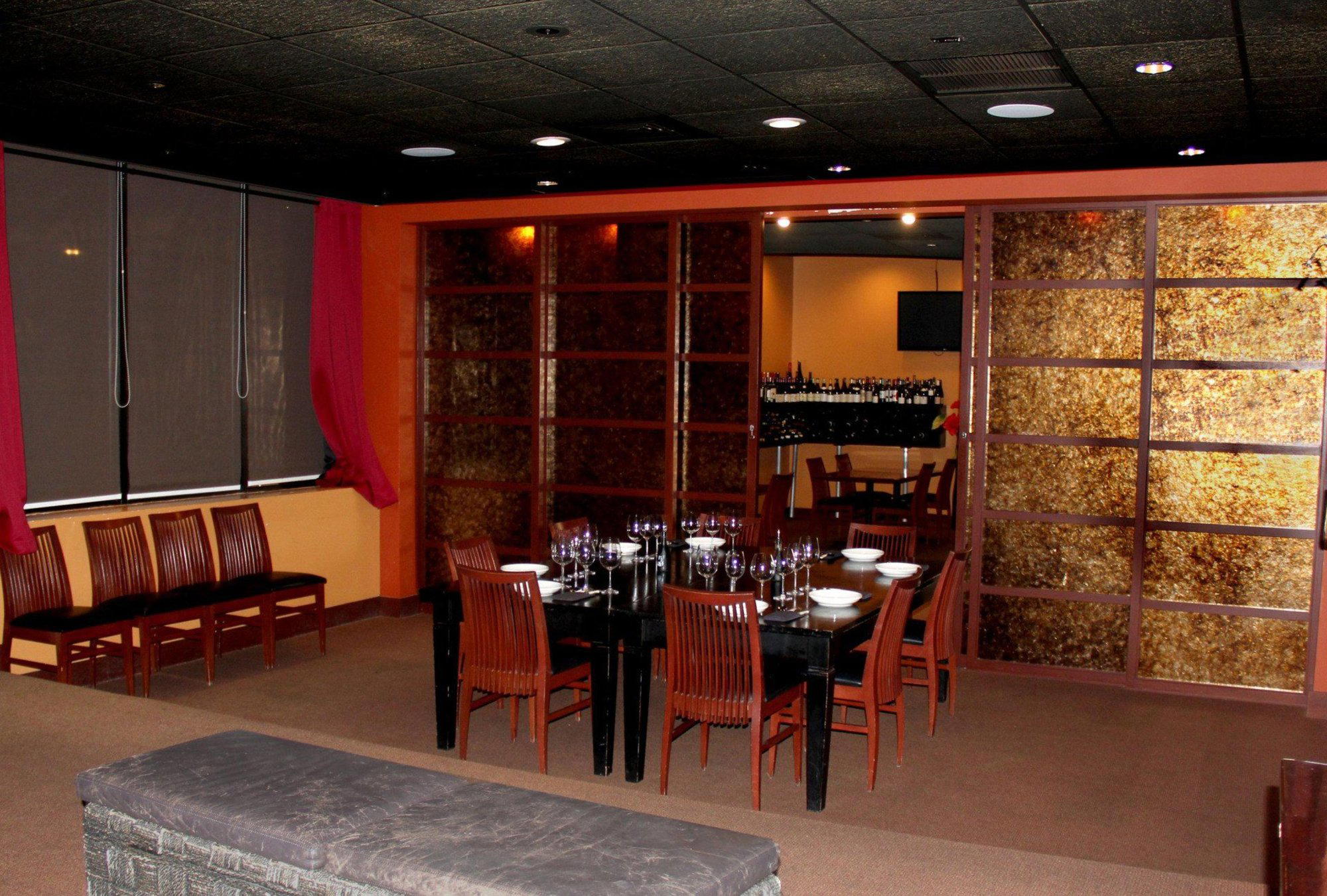
The Ritual Before the Meal Begins
In traditional Japanese dining, the ryotei format imposes a specific grammar on the evening: arrival, reception, the gradual reveal of courses calibrated to season and guest. That structure is not incidental to the experience; it is the experience. Austin has absorbed many Japanese dining formats over the past decade, from fast-casual ramen to omakase counters priced at the higher end of the city's dining tier, but the ryotei register, with its emphasis on ceremony and pacing over spectacle, remains a narrower category. Mikado Ryotei, at 9033 Research Blvd in the city's northern corridor, occupies that narrower space.
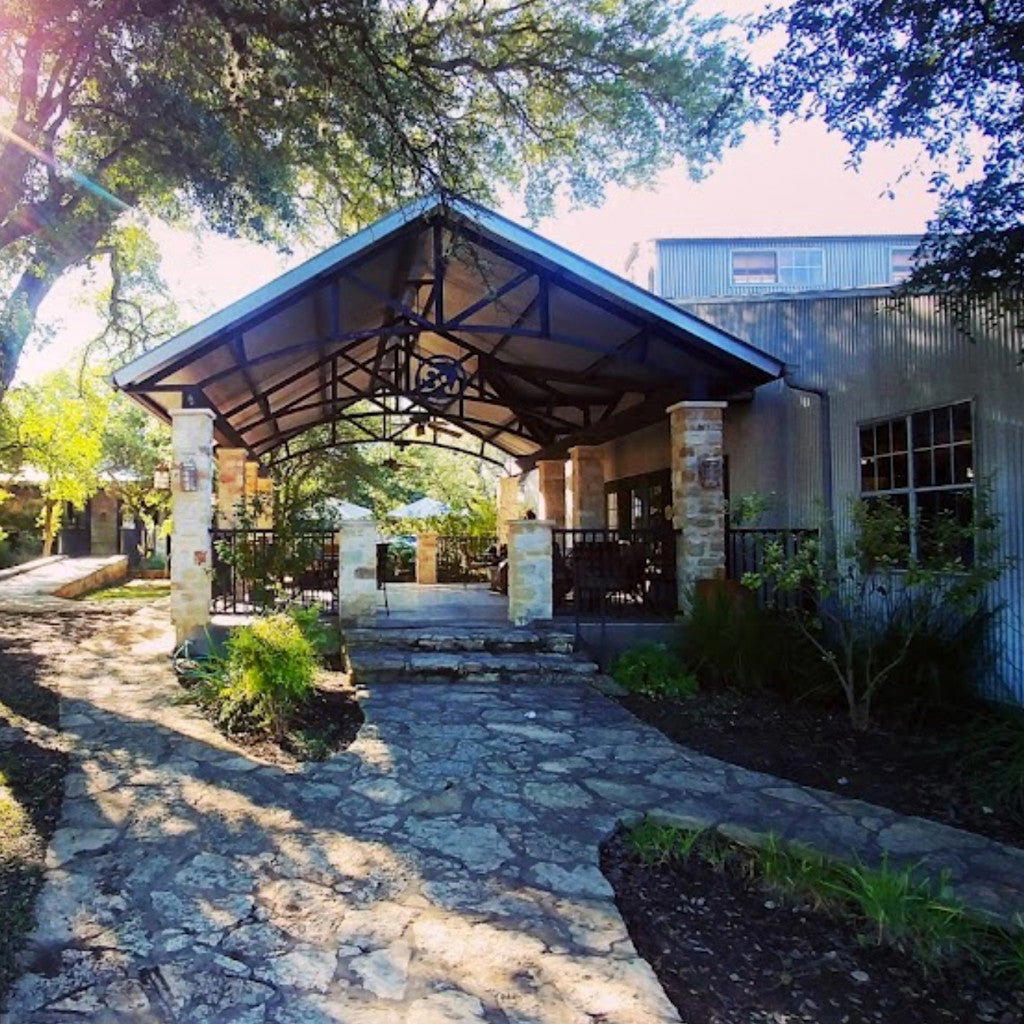
The address itself sets expectations correctly. Research Boulevard is a functional stretch of Austin, the kind of road lined with strip centers and office parks rather than the design-conscious storefronts of South Congress or the East Side. Arriving here resets any assumption that the meal will be delivered through atmosphere engineered for social media. What the setting offers instead is a kind of deliberate remove, the sense that the room's purpose is to focus attention inward, on the food and the structure of the meal itself.
How Austin's Japanese Dining Scene Frames Mikado Ryotei
Over the past several years, Austin's Japanese dining options have expanded considerably in both range and price. Omakase formats, once limited to a handful of spots, now appear across multiple neighborhoods and price points. The growth has been driven partly by the city's broader demographic shift, an influx of tech-sector residents familiar with Tokyo or San Francisco dining norms, and partly by a national trend toward counter-format sushi as a premium dining signal.
Mikado Ryotei sits in a different position within that expansion. Where omakase counters tend to foreground the chef's real-time performance, the ryotei model distributes attention across the full arc of the evening. The pacing is slower, the courses more varied in style, and the expectation of engagement between kitchen and guest is built into the format rather than performed as a feature. For a city still consolidating its identity as a serious dining destination, that distinction matters.
Compared to Austin's bar-forward evening culture, well represented by venues like Nickel City and 2500 E 6th St, or the Mediterranean-leaning cocktail programming at Aba Austin, Mikado Ryotei represents the quieter, more food-centered end of the city's premium evening options. It is not a bar with food; it is a dining format with specific expectations attached.
The Grammar of the Ryotei Meal
Understanding what to expect from a ryotei meal means understanding its origins in kaiseki, the multi-course Japanese tradition that sequences dishes by temperature, texture, and season. Kaiseki does not present its courses as a parade of highlights; each dish is calibrated to prepare the palate for what follows. That logic governs pacing in a way that can feel unfamiliar to diners accustomed to Western tasting menus, where courses often compete for attention rather than complement each other.
At a properly run ryotei, the early courses establish lightness, clear broths or delicate preparations that open the palate rather than fill it. The middle courses move through richness in increments, and the closing sequence returns to simplicity, often rice, pickles, and soup, before a restrained dessert. The full arc can run two hours or longer without feeling slow, because each transition is deliberate. This is a dining format that treats time as an ingredient.
For Austin diners comparing ryotei to other Japanese formats in the city, the most useful frame is not price but intention. An omakase meal is, at its core, a showcase; the leading examples of that format in cities like Chicago, where Kumiko demonstrates similar commitment to Japanese pacing in a bar context, make the chef's decision-making visible and central. The ryotei format depersonalizes that process slightly, making the tradition itself the subject rather than any individual interpretation of it.
What to Drink
The conventional pairing for kaiseki-rooted dining is sake, and for good reason: the beverage's range, from dry and clean junmai styles that work with delicate fish preparations to richer, slightly sweet varieties that hold against braised dishes, maps well onto the sequencing of a multi-course Japanese meal. Where sake is unavailable or outside a diner's familiarity, Japanese whisky highballs provide a lower-alcohol alternative that does not compete with delicate flavors.
For context on how Japanese-influenced beverage programs operate in American cities, the approach at Bar Leather Apron in Honolulu offers a useful reference: careful, technique-oriented, with Japanese spirits given prominence alongside Western categories. Similarly, the precision-driven programs at Jewel of the South in New Orleans and ABV in San Francisco reflect the broader American shift toward beverage programs that take Japanese influence seriously rather than treating it as novelty.
Wine is not incompatible with kaiseki-style dining, but it requires selection with restraint in mind. High-acid whites, particularly those from Burgundy or Alsace, tend to work better than richly oaked styles. Red wine is more difficult to sequence across the full arc of a ryotei meal and works well, if at all, with the heavier middle courses.
Planning the Evening
Research Boulevard's northern position in Austin means it sits outside the core evening-out corridors, which has practical implications for how to structure the night. Driving is the default; the area does not generate foot traffic the way downtown or the East Side does. The strip-center setting at 9033 Research Blvd also means that the surrounding blocks offer little in the way of pre-dinner or post-dinner programming. For those looking to extend the evening into Austin's more active bar scene, the city's live music anchor Antone's Nightclub is a meaningful detour, and the cocktail programming at Superbueno in New York City or Julep in Houston offer points of comparison if you're calibrating what a serious drinks program looks like in similar-scale American cities.
For a broader orientation to Austin's dining and bar options, our full Austin restaurants guide maps the city's neighborhoods and formats across all categories.
Know Before You Go
- Address: 9033 Research Blvd #100, Austin, TX 78758
- Neighborhood: North Austin / Research Boulevard corridor
- Getting There: Driving recommended; limited walkable surroundings
- Format: Ryotei-style Japanese dining; expect a paced, multi-course meal structure
- Drink Pairing: Sake or Japanese whisky highball align leading with the kaiseki-derived format
- More Austin Context: See our full Austin guide for neighborhood comparisons
The Essentials
Comparable options at a glance, pulled from our tracked venues.
| Venue | Notes |
|---|---|
| Mikado RyoteiThis venue — the venue you are viewing | Not listed |
| Flourish Plant Shop & Wine Bar | Wine bar/light bites |
Continue exploring
More in Austin
Bars in Austin
Browse all →
Restaurants in Austin
Browse all →
Hotels in Austin
Browse all →
At a Glance
- Elegant
- Date Night
- Standalone
- Seated Bar
- Sake
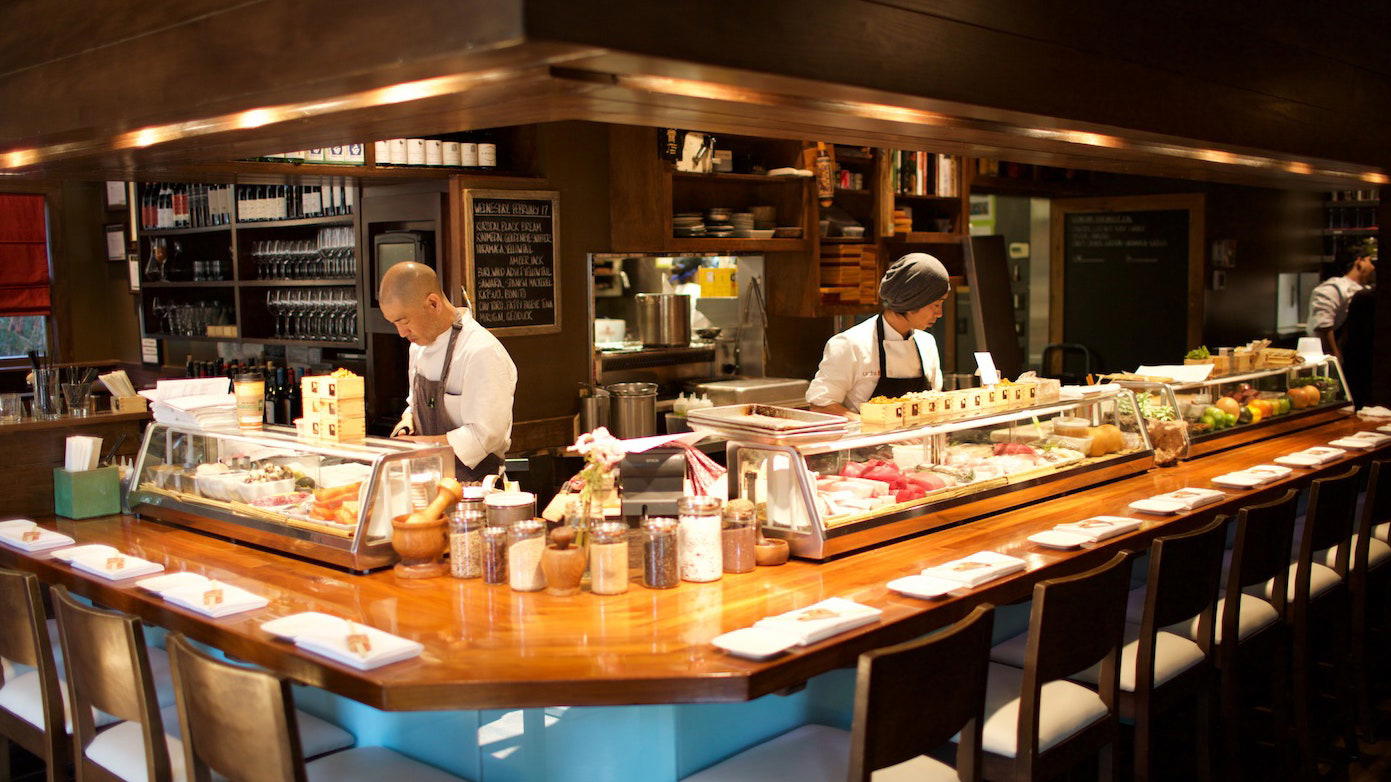
Traditional Japanese sushi bar atmosphere with table service.
Know Before You Go
- Getting there
- 9033 Research Blvd #100, Austin, TX 78758