Black Star Co-op Pub & Brewery
Austin's worker-owned cooperative brewery on Easy Wind Drive operates on a democratic model uncommon in the American craft beer scene. The tap list skews toward house-brewed ales and lagers, paired with a pub food programme designed to hold its own alongside the beer rather than play second fiddle to it. A neighbourhood institution that draws regulars as much for the ethos as the pint.
- Address
- 7020 Easy Wind Dr #100, Austin, TX 78752
- Phone
- (512) 452-2337
- Website
- blackstar.coop
- Directions
- Get directions
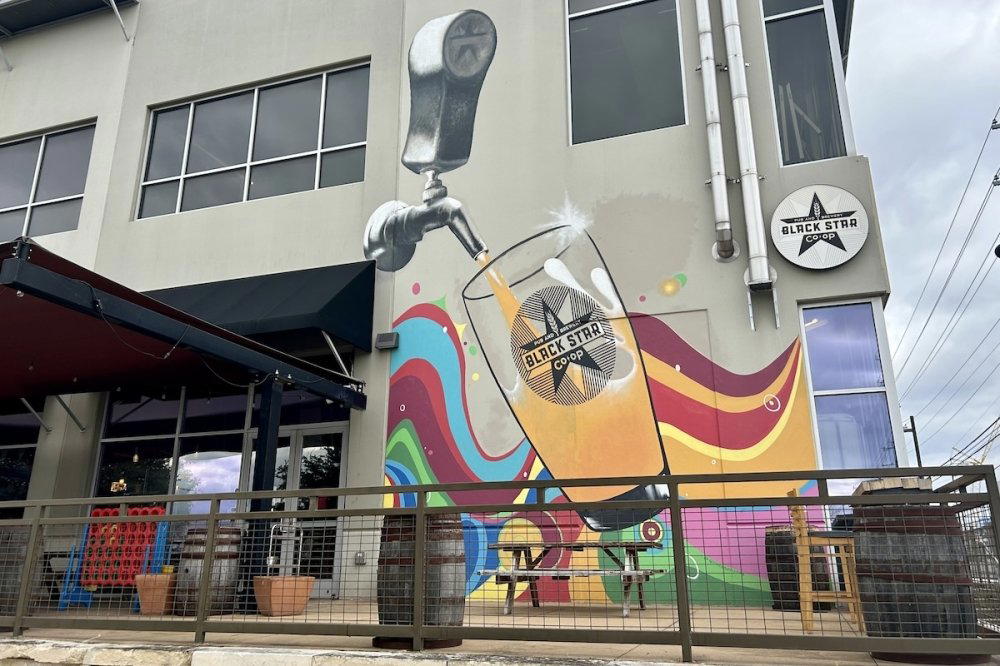
Where the Pint Earns Its Place
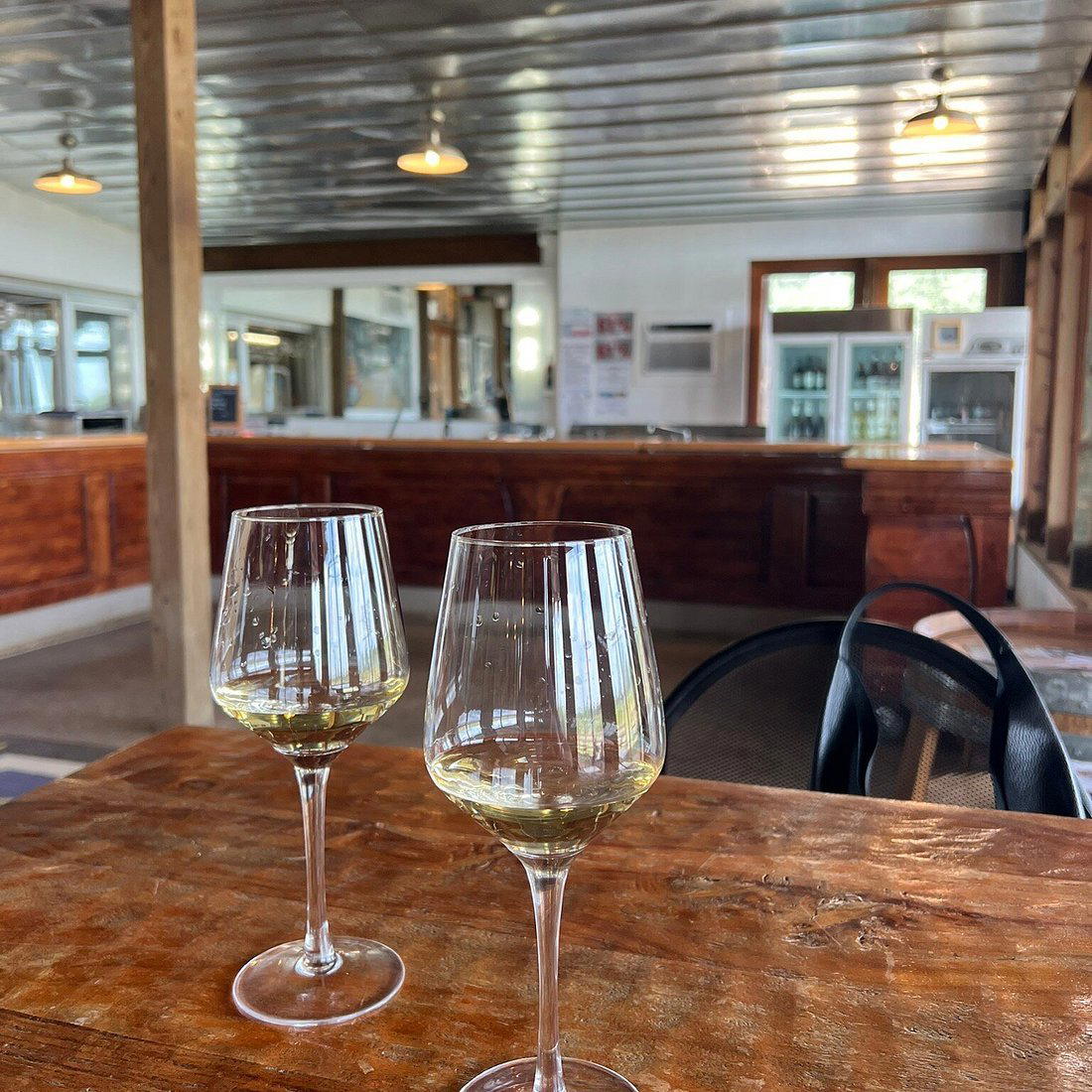
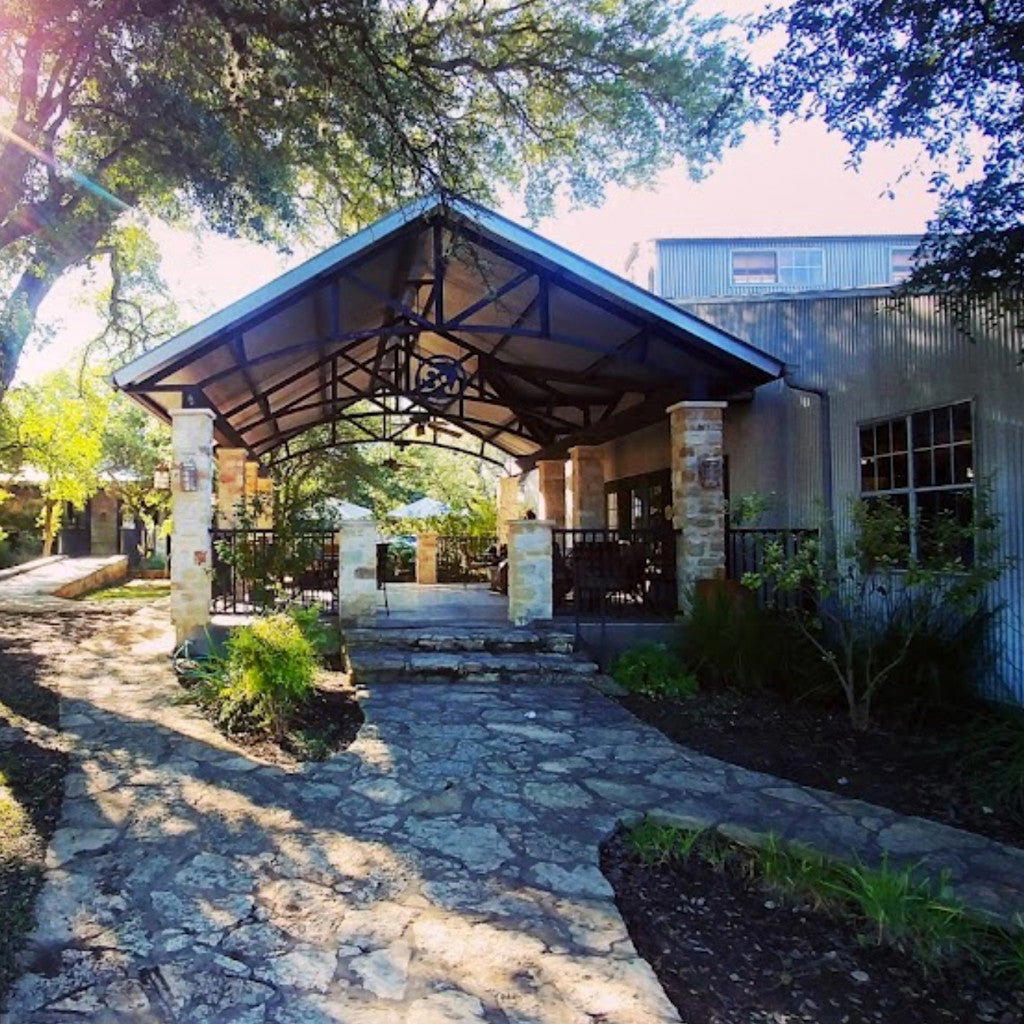
Pull up to 7020 Easy Wind Drive and the building reads less like a destination than a working local: functional, unpretentious, set back from the main drag in a part of north-central Austin that hasn't been fully absorbed into the city's hospitality boom. That distance from the downtown corridor is part of the point. Black Star Co-op Pub & Brewery operates as a worker-owned cooperative, a business structure that remains genuinely rare in the American brewing industry, and the neighbourhood reflects that positioning. This is not a taproom designed to photograph well for a weekend itinerary. It is a pub, in the traditional sense, where the beer and the food are expected to justify the trip on their own terms.
The Pairing Logic: Beer and Kitchen in Dialogue
Austin's craft beer scene has matured considerably over the past decade, but the integration of a serious kitchen into a brewery setting remains less common than it should be. Many brewpubs treat food as an afterthought — something to absorb alcohol rather than complement it. Black Star's approach inverts that hierarchy. The pub food programme is constructed around the tap list, meaning the kitchen's output is calibrated to work alongside the brewery's house beers rather than exist independently of them.
This matters because the pairing relationship between beer and food is structurally different from wine pairing. Beer's carbonation cuts through fat and fried coatings in ways that wine cannot, and the bitterness of a well-hopped ale interacts with umami-rich or salt-forward dishes in a way that changes both. A brewery kitchen that understands this produces a menu where each dish amplifies the drinking experience rather than simply providing ballast. In the American craft beer tradition, that kind of intentionality at the kitchen level is more exception than rule, which is why venues that get it right tend to develop a loyal local following regardless of their location on a tourist map.
Across the broader American pub food conversation, the venues that age leading are those that resist the temptation to complicate the menu in ways that disconnect it from the drinks. Simplicity executed at a high level — proper seasoning, correct temperatures, ingredients sourced with some care, holds up better over time than elaborate presentations that have no relationship to the glass beside them. That is the register Black Star operates in.
Austin's Cooperative Model in Context
Worker-owned businesses represent a small but durable thread in American food and drink culture. In the brewing sector specifically, the cooperative structure changes how decisions get made: tap list composition, kitchen sourcing, pricing, and staff conditions are all subject to collective governance rather than top-down ownership. The practical effect for the customer is often a more consistent experience over time, because the people making the beer and running the floor have a direct stake in the outcome.
Within Austin specifically, this positions Black Star in a different competitive set than the city's more growth-oriented craft operations. Venues like Nickel City and 2500 E 6th St anchor different corners of Austin's drinking culture, the former around a curated American whiskey and beer selection, the latter around a more cocktail-forward programme. Black Star's lane is its own: a brewery-anchored pub where the cooperative governance and the house-brewed beer are the differentiating factors, not the address or the aesthetic.
For context on how brewery-pub integration plays out across American cities, it's worth noting that the venues earning sustained local loyalty in markets like San Francisco (ABV), Chicago (Kumiko), and New York (Superbueno) tend to share a common trait: a clearly defined point of view about what the venue is for. Black Star's cooperative structure gives it that clarity in a way that ownership models built around investor return often cannot.
Ordering Strategy
What the format suggests is that the strongest ordering strategy at any brewpub with an integrated kitchen is to let the house beer lead. Ask what's currently pouring from the in-house programme, then build the food order around that. At cooperative-model venues, the staff involvement in the business typically translates into better-than-average knowledge of the current tap list and its pairings, worth asking the question directly rather than defaulting to the familiar.
Comparable brewery-pub pairings at other operators in the South and Gulf Coast region, including Julep in Houston and Jewel of the South in New Orleans, demonstrate that the most satisfying pub experiences in this part of the country tend to involve a degree of seasonal rotation on both the drinks and food sides. Black Star's cooperative governance model is structurally suited to that kind of responsiveness.
Planning Your Visit
Black Star sits in north-central Austin, away from the 6th Street corridor and the South Congress concentration. For visitors working through Austin's bar and pub circuit, it pairs logically with the broader north Austin itinerary rather than a downtown-focused evening. Antone's Nightclub and Aba Austin anchor different ends of the city's evening options and represent the kind of contrast that makes Austin's drinking culture worth mapping carefully.
For those building a longer regional itinerary, the cooperative pub format also finds parallels in venues like Bar Leather Apron in Honolulu and The Parlour in Frankfurt on the Main, different formats, different cities, but the same underlying commitment to a clearly defined drinking-and-food proposition. Our full Austin restaurants guide maps the broader city for those still building their itinerary.
| Venue | Format | Drinks Focus | Food Programme | Booking |
|---|---|---|---|---|
| Black Star Co-op | Worker-owned brewpub | House-brewed beer | Integrated pub kitchen | Walk-in (verify locally) |
| Nickel City | Neighbourhood bar | Beer and whiskey | Limited | Walk-in |
| The Roosevelt Room | Cocktail bar | Spirits-led cocktails | Minimal | Reservations available |
| Flourish Plant Shop & Wine Bar | Wine bar | Wine-focused | Light bites | Walk-in |
Credentials Lens
| Venue | Cuisine | Price | Awards |
|---|---|---|---|
| Black Star Co-op Pub & BreweryThis venue — the venue you are viewing | Not listed | Not listed | Not listed |
| The Roosevelt Room | Not listed | $50–100 | Pinnacle Guide 1 Pin · Top 500 Bars Best Bars #305 |
| Nickel City | Not listed | $20–30 | World's 50 Best #96 · Top 500 Bars Best Bars #433 |
| Flourish Plant Shop & Wine Bar | Wine bar/light bites | $20–30 | Star Wine List |
Continue exploring
More in Austin
Bars in Austin
Browse all →
Restaurants in Austin
Browse all →
Hotels in Austin
Browse all →
Details
- Lively
- Cozy
- Rustic
- Group Outing
- Casual Hangout
- After Work
- Beer Garden
- Outdoor Terrace
- Communal Tables
- Craft Beer
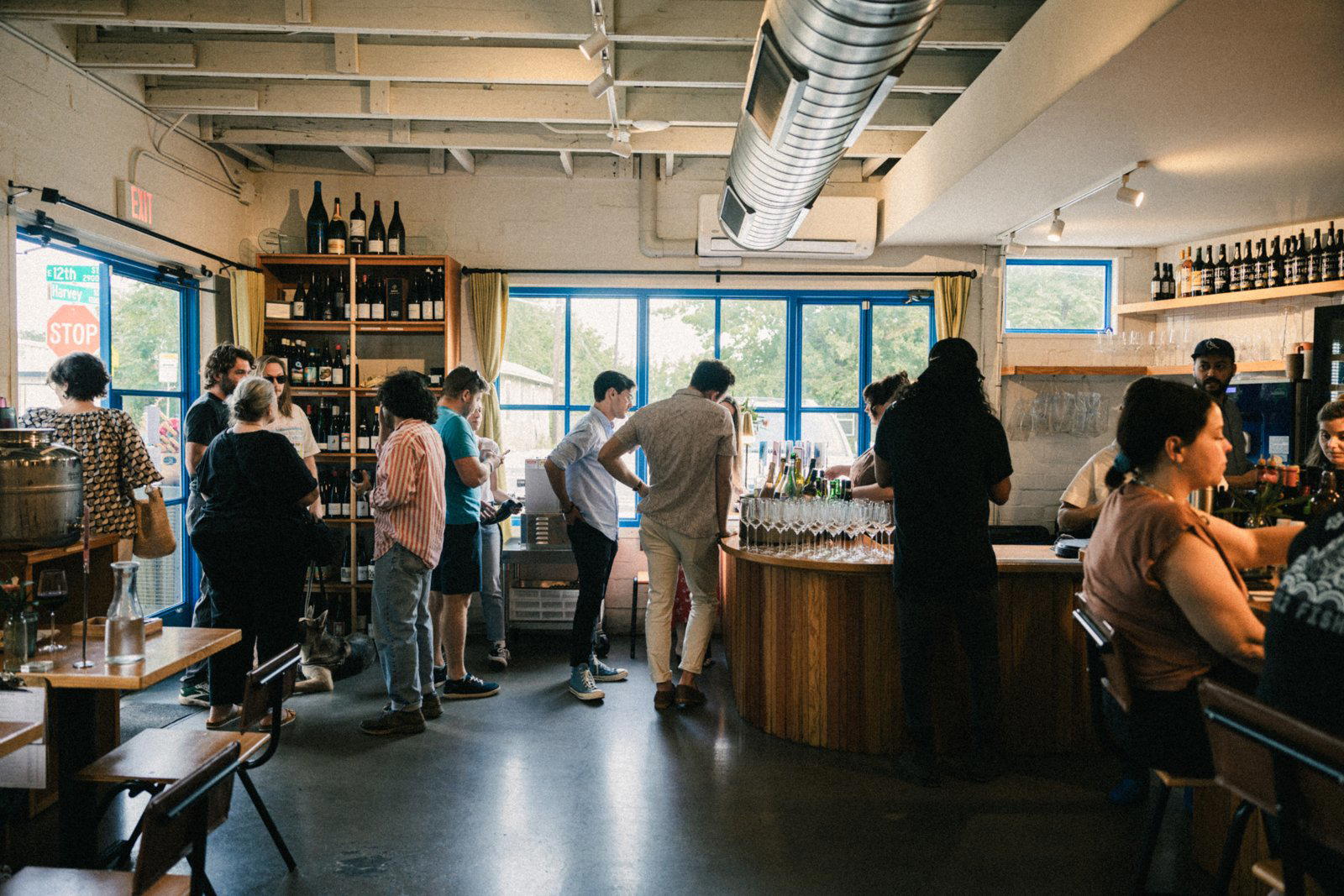
Warm community atmosphere in a modern brewpub setting with focus on local sustainable pub fare and house-brewed beers.