On the Vistula embankment in Toruń's medieval old town, Copernicus Toruń Hotel occupies a setting that few Polish properties can match for sheer historical weight. The hotel draws visitors seeking a base in one of Central Europe's best-preserved Gothic cities, with the riverfront address placing guests a short walk from the cathedral and the birthplace of Nicolaus Copernicus. For travellers who treat accommodation as part of the editorial itinerary, the location alone justifies the reservation.
 Discover on Pearl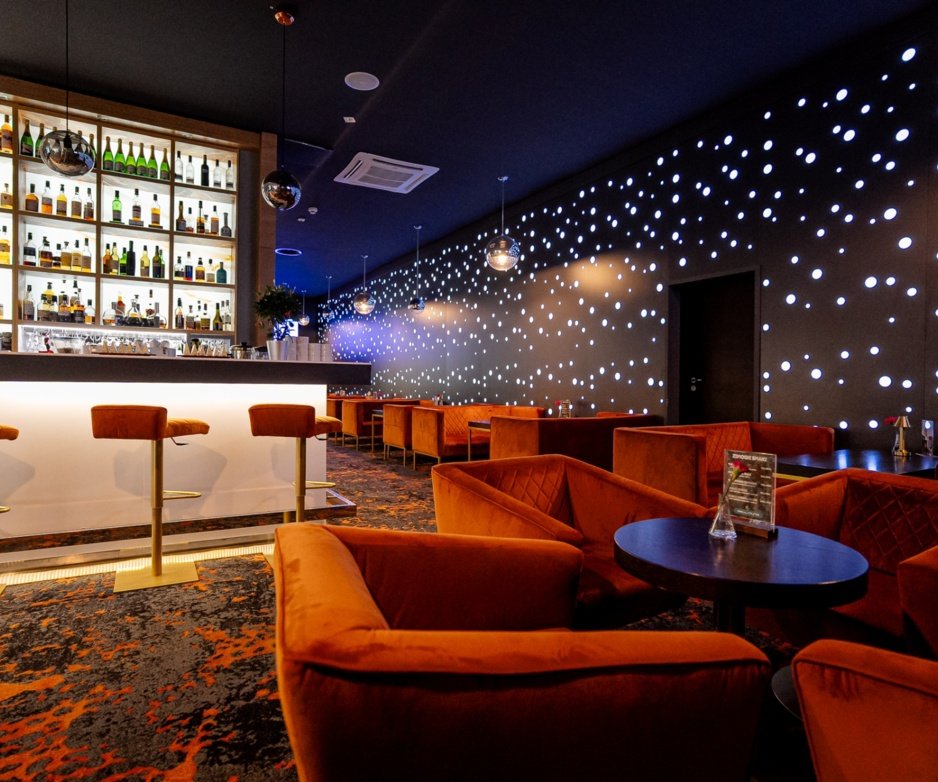
Where the Vistula Meets the Gothic Quarter
Toruń sits in a category of Polish cities that Warsaw and Kraków tend to overshadow in international travel conversation, yet its UNESCO-listed old town ranks among the most intact Gothic urban ensembles in Central Europe. The Bulwar Filadelfijski, the riverside promenade that runs along the Vistula's northern bank, has become the city's most coveted address tier for hospitality, and Copernicus Toruń Hotel holds a position on that embankment that places it directly within the medieval fabric rather than adjacent to it. Arriving on foot along the river, the transition from open waterfront to dense Gothic streetscape happens quickly, and the hotel sits at precisely that threshold. For context on where to eat and drink around the old town, see our full Torun restaurants guide.
The Cocktail Question in a Gothic Setting
Poland's drinks culture has undergone a measurable shift over the past decade. Warsaw and Kraków now sustain serious cocktail programmes, with bars like Kogel Mogel in Krakow and Mercy Brown in Kraków demonstrating that ingredient-led, technique-driven bartending has found a committed audience in Polish cities. Warsaw has its own contributors to this shift: Handroll in Warsaw represents the kind of focused, high-discipline format that has helped reposition the capital's bar scene in regional conversations. The question for a hotel property in Toruń is how it positions its own bar offer relative to this national momentum.
The shortlist, unlocked.
Hard-to-book tables, cellar releases, and concierge-planned trips.
Get Exclusive Access →Hotel bars in mid-sized European cities often default to a generic international repertoire, prioritising breadth of spirit selection over any coherent editorial point of view. The more interesting category is the hotel bar that acknowledges its setting and uses it as a filter, whether through local spirits, regional produce, or a historical frame that gives the cocktail list some narrative spine. Poland has strong raw material for this approach: żubrówka, śliwowica, and a range of regional herbal liqueurs all offer a bartender something to work with beyond standard well spirits. Whether Copernicus Toruń Hotel's bar programme takes that approach is something the hotel's own current programming would confirm, but the setting certainly argues for it.
For comparison points on what technically considered hotel and standalone bar programmes look like in international contexts, Bar Leather Apron in Honolulu and Kumiko in Chicago both demonstrate how a coherent conceptual frame, rather than a long menu, defines bar credibility at the premium tier. Closer to home, Mielżyński - Wine Spirits Specialties in Poznań shows how a Polish city property can anchor a drinks offer around specialist knowledge and curation rather than volume.
Toruń's Position in the Polish Travel Circuit
The city receives fewer international visitors than Kraków or Gdańsk, which means its better properties operate in a less saturated hospitality market. That has two practical implications for a traveller. First, booking windows at premium Toruń addresses tend to be shorter than at equivalent properties in the major tourist cities, particularly around the summer season and the Christmas market period when the old town draws significant regional footfall. Second, the experience of the city itself is less mediated by mass tourism infrastructure, which changes how a visitor moves through the streets and engages with the Gothic architecture, the Teutonic Knight fortifications, and the riverfront.
Toruń's connection to Nicolaus Copernicus, born here in 1473, gives the city a specific cultural identity that extends beyond the Gothic architecture. The Copernicus name attached to this hotel is not decorative branding but a genuine geographic claim: the astronomer's birthplace is a short walk through the old town from the Bulwar Filadelfijski address. For a traveller with an interest in how European cities carry their historical identities into contemporary hospitality contexts, that specificity has editorial value.
The Regional Drinks Context
Beyond the hotel itself, Toruń's bar and restaurant scene reflects the broader pattern visible across Polish secondary cities: a small number of specialist or craft-oriented venues operating alongside a larger mass of conventional hospitality. The visitor who has spent time at places like Podkowa Wine Depot in Żółwin or who follows Poland's emerging natural wine and craft spirits conversations will find Toruń's scene earlier in its development than Warsaw or Kraków, but not without points of interest. The university population keeps certain streets active, and the old town's tourist economy has generated enough demand to support some competent food and drink offers alongside the hotel's own programming.
Internationally, the structural shift in premium bar culture, toward lower-ABV formats, clarified and fat-washed spirits, and produce-led seasonal menus, is visible in programmes at places like Jewel of the South in New Orleans, Julep in Houston, Superbueno in New York City, and The Parlour in Frankfurt on the Main. Whether those trends have reached Toruń's hotel bar format is a function of programming ambition more than geography: the ingredients and techniques are available anywhere a committed bartender chooses to work with them.
Planning a Stay
The Bulwar Filadelfijski address means the hotel is positioned for walking access to the old town's main sites, the cathedral of Saints John the Baptist and John the Evangelist, the Gothic town hall, and the riverside fortification fragments that mark where the medieval city met the Vistula. Toruń is accessible by direct rail from Warsaw in approximately two and a half hours, and from Bydgoszcz airport, which handles a smaller volume of flights, transfer times are shorter. The old town is compact enough that a visitor spending two nights can cover its major points without a car, though the broader Kujawy-Pomerania region rewards exploration if a longer itinerary allows.
For the traveller whose itinerary is organised around drinks culture as much as architecture, the hotel's riverfront position makes it a logical base from which to sample what Toruń's bar scene has developed, while the comparison set of serious Polish bar programmes, from Kraków's cocktail bars to Poznań's specialist wine and spirits venues, provides a benchmark for what the national conversation looks like at its current leading edge.
Frequently Asked Questions
- Is Copernicus Toruń Hotel more low-key or high-energy?
- The Bulwar Filadelfijski address and the hotel's connection to Toruń's UNESCO-listed old town position it firmly in the considered, lower-tempo tier of Polish hotel properties. Toruń itself draws visitors interested in Gothic architecture and Copernicus heritage rather than a nightlife or festival circuit, so the surrounding environment skews toward a reflective pace. That said, the university population and the summer and Christmas market periods introduce seasonal energy into the old town streets adjacent to the hotel.
- What's the signature drink at Copernicus Toruń Hotel?
- No specific signature cocktail data is available for the hotel's current bar programme. Given the setting, a drinks list that references Polish spirits traditions, żubrówka, regional herbal liqueurs, or local honey-based ingredients, would be the natural editorial direction for a property of this address and name. For confirmed current menu details, contacting the hotel directly is the reliable route.
- What's the defining thing about Copernicus Toruń Hotel?
- The riverfront address on Bulwar Filadelfijski, within the boundaries of one of Central Europe's best-preserved Gothic old towns, is the property's primary credential. Toruń's UNESCO listing and its Copernicus heritage give the hotel a locational identity that few Polish mid-sized city properties can match on historical weight alone. For travellers treating the city as a destination in its own right rather than a stopover, that address specificity is the primary argument for the booking.
- Is Copernicus Toruń Hotel a practical base for exploring the wider Kujawy-Pomerania region?
- Toruń sits at the geographic centre of the Kujawy-Pomerania region, making the hotel a reasonable starting point for day trips to Bydgoszcz (roughly 45 kilometres to the northwest) and the surrounding Vistula valley. The hotel's old town location means most in-city movement is on foot, while the main rail station connects Toruń to Warsaw, Gdańsk, and Poznań for wider regional travel. Travellers with an interest in the Teutonic Knight castle circuit, which extends north through the region, will find the Toruń address a logical first stop on that itinerary.
How It Stacks Up
These are the closest comparables we have in our database for quick context.
| Venue | Cuisine | Price | Awards | Notes |
|---|---|---|---|---|
| Copernicus Toruń Hotel | This venue | |||
| Blisko Bar | ||||
| Grono Mokotowska | ||||
| Lalou Wine Bar | ||||
| Łaskawość Tytusa | ||||
| Mielżyński - Wine Spirits Specialties |
Need a Table?
Our members enjoy priority alerts and concierge-led booking support for the world's most difficult bars and lounges.
Get Exclusive AccessThe shortlist, unlocked.
Hard-to-book tables, cellar releases, and concierge-planned trips.
Get Exclusive Access →