On Francuska Street in Warsaw's Saska Kępa district, Handroll occupies a corner of the city's quieter, more considered bar scene. The name signals Japanese influence, but the programme here is built around drinks technique and neighbourhood rhythm rather than novelty. For those tracking Warsaw's evolution beyond the centre, it merits attention.
 Discover on Pearl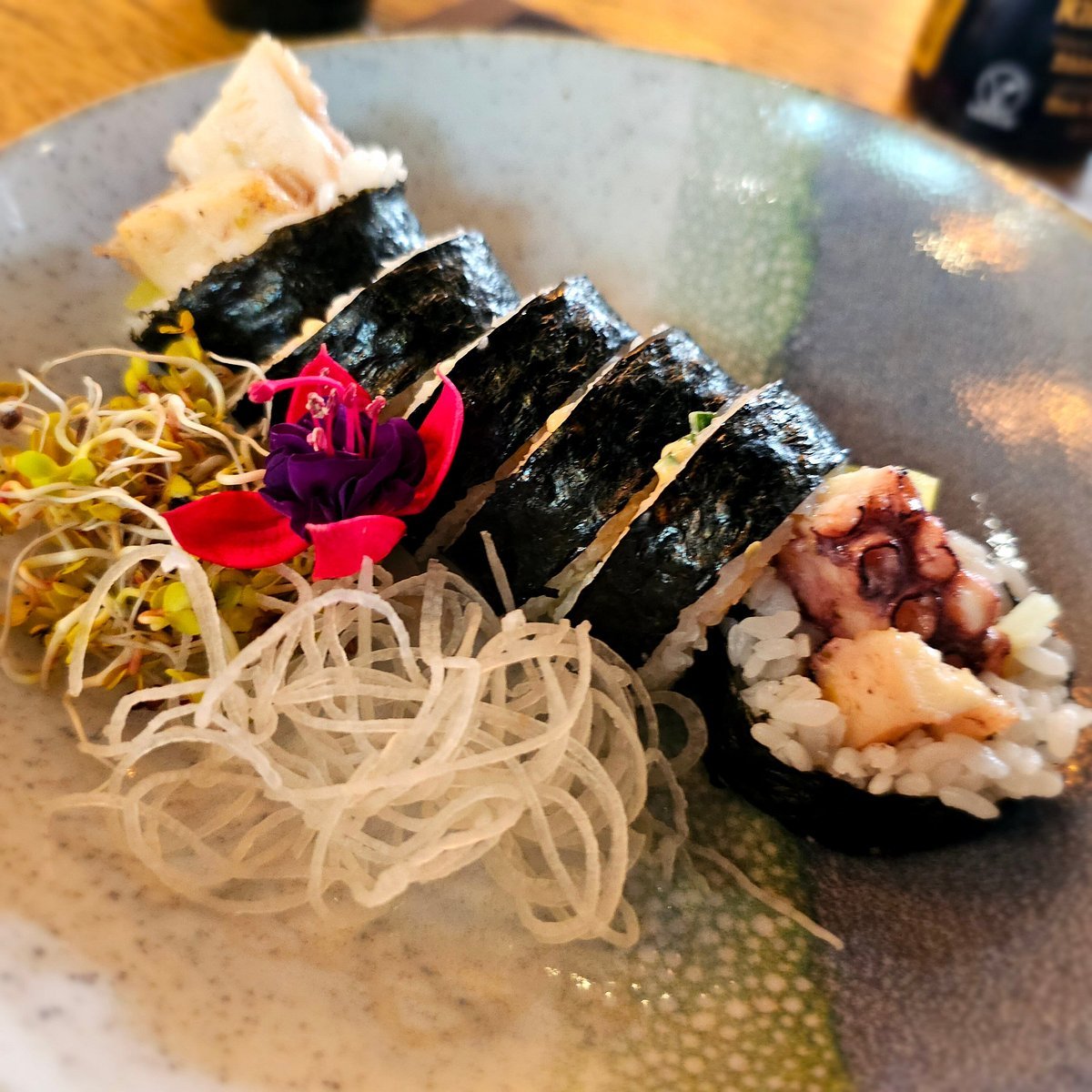
Saska Kępa and the Case for the Neighbourhood Bar
Warsaw's bar scene has, for most of the past decade, concentrated its ambition inside the city centre and the Powiśle riverbank stretch. The argument for crossing the Poniatowski Bridge into Saska Kępa has always been a quieter one: lower volume, more regulars, less performance. Handroll, on Francuska 32, sits in that register. Francuska is Saska Kępa's main artery, lined with prewar tenements, café terraces, and the kind of local commerce that survives because the neighbourhood actually lives there. A bar on this street is not positioning itself against Negroni-forward cocktail destinations in Śródmieście; it is answering a different question entirely.
That distinction matters when thinking about Warsaw's bar ecosystem. The city has developed two broadly separate tiers: technically ambitious programmes downtown, often with international reference points and trained bartenders cycling through European competition circuits, and neighbourhood-anchored spots where the drink is good but the primary function is social. Handroll, at least by address and by the gravitational logic of Saska Kępa, belongs to the second category. Whether it pushes against that expectation is the more interesting editorial question.
The shortlist, unlocked.
Hard-to-book tables, cellar releases, and concierge-planned trips.
Get Exclusive Access →The Handroll Format and What the Name Implies
The name borrows from Japanese food culture, specifically the temaki, a hand-rolled cone of nori and rice eaten immediately after construction. The logic of that reference, if applied to a bar, points toward something immediate, assembled with care, and consumed on its own terms rather than overthought. That framing aligns with a strand of bar culture that prioritises directness: fewer ingredients, better sourcing, faster decisions. Warsaw has seen this approach gain ground across several openings, particularly as the market matures past the phase where complexity alone signals quality.
Polish bar culture in the 2020s has been consolidating around a clearer sense of what good hospitality actually requires. The cities that have drawn the most attention, Kraków and Warsaw in particular, are now producing programmes that hold up against regional European peers. Kogel Mogel in Krakow and Mercy Brown in Kraków represent different expressions of that maturity in the south. In Warsaw, the reference set is broader: Blisko Bar, Grono Mokotowska, and Lalou Wine Bar each hold specific positions in the city's drinking map, and any new entry has to locate itself relative to those existing anchors.
Téchnique, Influence, and the Cocktail Angle
Without a published menu or confirmed programme in the public record, the most honest editorial approach is contextual: what does a bar with this name, in this location, typically signal about its drinks orientation? The Japanese food reference embedded in the name has, across multiple European bar openings of the past five years, tended to correlate with a particular aesthetic: clean presentations, umami-adjacent flavouring agents, citrus precision, and a scepticism toward heavy sweetness. Whether Handroll's programme follows that template is a detail that a visit confirms more reliably than any database entry.
What the Warsaw cocktail scene more broadly has demonstrated is an openness to technique borrowed from Tokyo and from the Nordic countries simultaneously, two traditions that share a preference for restraint and ingredient clarity even where they diverge on everything else. That cross-pollination has been visible at Mielżyński na Burakowskiej, which approaches drinks through a wine-led lens, and it surfaces in different form at bars that foreground spirits education. For reference points beyond Poland, the technique-forward ethos appears in programmes like Bar Leather Apron in Honolulu and Jewel of the South in New Orleans, both of which have built recognition around ingredient discipline rather than concept theatrics.
Where Handroll Sits in the Warsaw Drinking Map
Saska Kępa as a neighbourhood carries a particular social meaning in Warsaw. It has long been associated with a prewar, bourgeois residential character, and its postwar rebuilding preserved more of that texture than central Warsaw, which was largely destroyed. The result is a district that attracts residents who want a functioning neighbourhood, not a destination quarter. Bars here tend to have longer tenures and more forgiving economics than those in competitive central locations, which allows for a slower, more considered development of a programme.
That context places Handroll in a different competitive dynamic than, say, a bar opening on Nowy Świat. The Françuska 32 address means proximity to a reliable residential catchment and some insulation from the churn that affects central Warsaw openings. It also means the bar does not need to win on spectacle. The question it answers is whether it gives the neighbourhood a reason to return, week after week, rather than whether it draws visitors from across the city for a one-time experience.
For those tracking Polish bar development outside Warsaw, comparison venues in other cities offer useful benchmarks. Mielżyński - Wine Spirits Specialties in Poznań and Copernicus Toruń Hotel in Torun represent the regional spread of serious drinks programming beyond the two main cities. Podkowa Wine Depot in Żółwin operates in an entirely different register, suburban and specialist, which underlines how varied the country's bar geography has become.
Planning a Visit
Handroll's address, Francuska 32 in the 03-905 postal district, places it in the heart of Saska Kępa, roughly a fifteen-minute journey from central Warsaw by tram across the Poniatowski Bridge, or a short ride from the Stadion Narodowy metro area. The neighbourhood is walkable and compact, so combining a visit with dinner elsewhere on Francuska or in the surrounding streets is a reasonable approach. Current hours, booking policy, and pricing are leading confirmed directly through the venue before a visit, as that detail is not in the published record at time of writing. For a broader orientation to Warsaw's bar and restaurant scene, our full Warsaw restaurants guide maps the city's key drinking and dining areas with the neighbourhood-level specificity that a cross-bridge trip into Saska Kępa warrants.
The shortlist, unlocked.
Hard-to-book tables, cellar releases, and concierge-planned trips.
Get Exclusive Access →Frequently Asked Questions
At-a-Glance Comparison
A quick peer list to put this venue’s basics in context.
| Venue | Cuisine | Price | Awards | Notes |
|---|---|---|---|---|
| Handroll | This venue | |||
| Blisko Bar | ||||
| Grono Mokotowska | ||||
| Lalou Wine Bar | ||||
| Łaskawość Tytusa | ||||
| Mielżyński na Burakowskiej |
Need a Table?
Our members enjoy priority alerts and concierge-led booking support for the world's most difficult bars and lounges.
Get Exclusive AccessThe shortlist, unlocked.
Hard-to-book tables, cellar releases, and concierge-planned trips.
Get Exclusive Access →