Loftid occupies a prominent address on Austurstræti in central Reykjavik, placing it at the centre of the capital's drinking and dining corridor. The space belongs to a generation of Reykjavik venues that pair considered interiors with a program designed for both locals and well-traveled visitors. For those mapping the city's bar and restaurant scene, it sits within easy reach of several of the capital's more established drinking rooms.
- Address
- Austurstræti 9, 101 Reykjavík, Iceland
- Phone
- +354 551 9366
- Directions
- Get directions
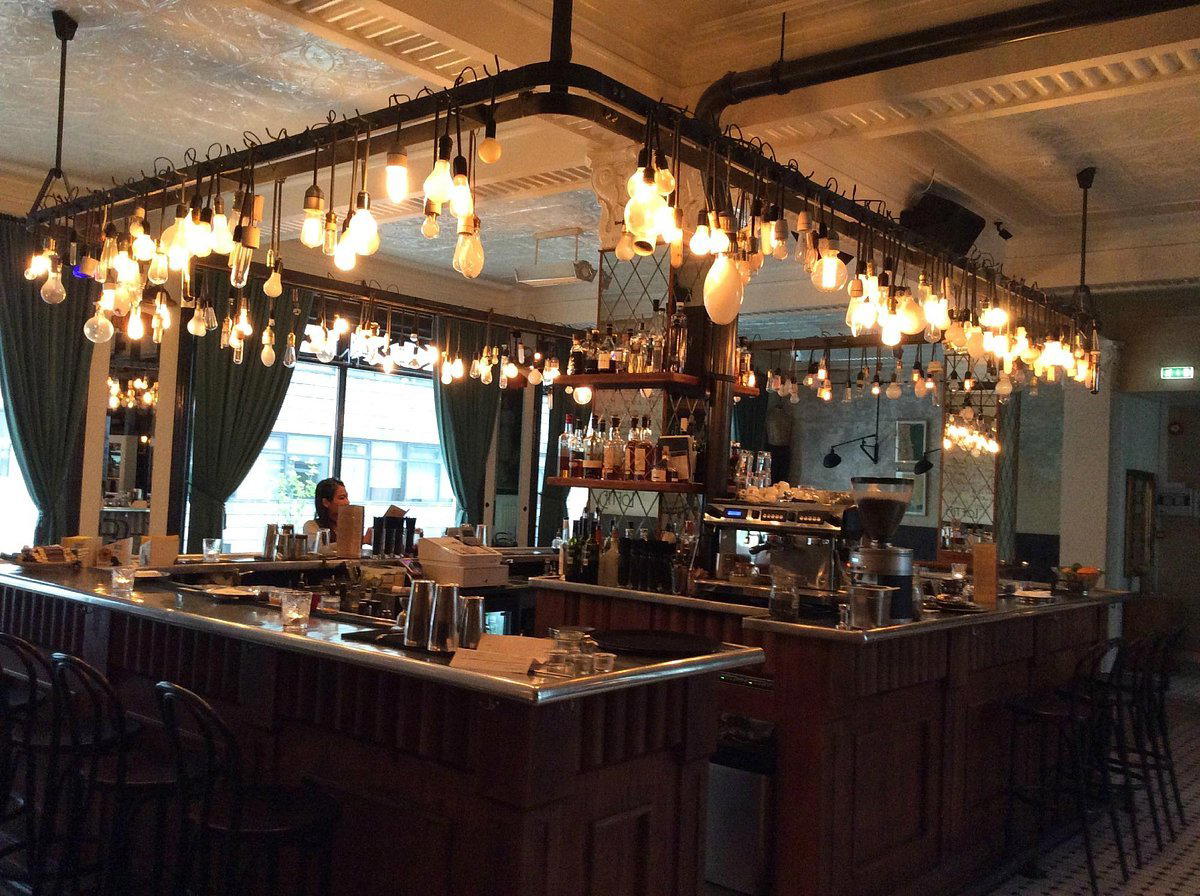
Austurstræti and the Architecture of a Reykjavik Evening
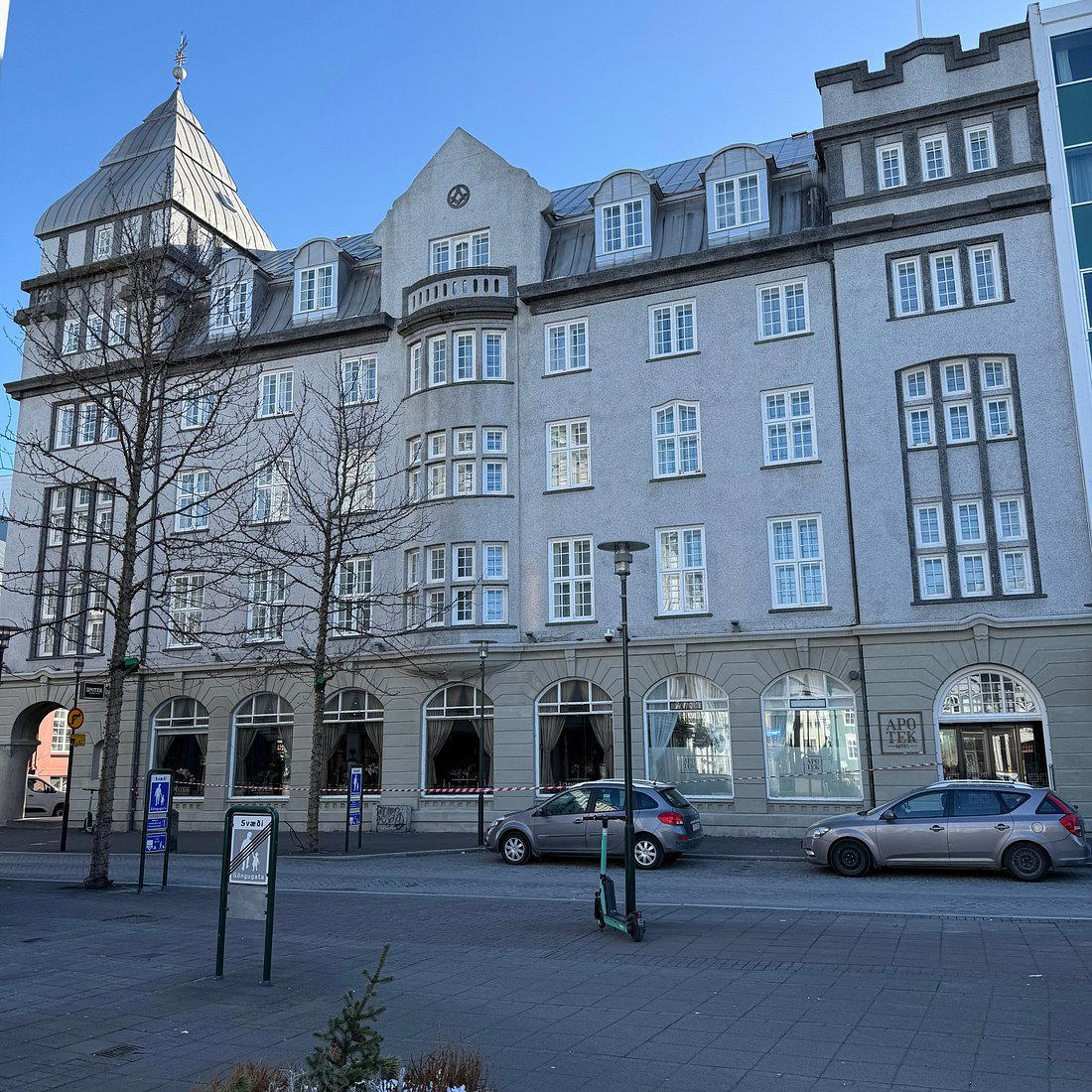
Austurstræti 9 is not a quiet address. The street running through the heart of 101 Reykjavik connects the old parliament square to the harbour edge, and the buildings along it have housed generations of social life in a city that compresses enormous cultural density into a small geography. Venues here operate within that compression: the room next door might be a long-standing neighbourhood bar, the building across the street a converted merchant house. Loftid sits inside that layered context, on a stretch where the physical environment does much of the editorial work before anyone has ordered a drink.
Reykjavik's central dining and drinking corridor has shifted considerably over the past decade. The city's hospitality scene, once dominated by a handful of large-format venues and tourist-facing operations, has differentiated into tiers: high-concept tasting-menu restaurants at one end, design-led bars with serious drink programs in the middle, and neighbourhood staples that have survived by staying specific. Austurstræti sits at the intersection of all three, which makes address alone a signal about competitive positioning.
The Physical Logic of the Space
Reykjavik venues that occupy older buildings on central streets tend to inherit a particular set of spatial constraints: low ceilings on ground floors, irregular room shapes, windows that face either the street noise or an interior courtyard. How a room responds to those constraints tells you something about its priorities. Spaces that fight them with heavy acoustic treatment and uniform lighting tend to flatten the atmosphere; rooms that work with the geometry, using varied seating levels, material contrasts, and controlled light sources, tend to create something more layered.
The name Loftid translates from Icelandic as "the loft" or "the air" depending on context, a detail that implies a spatial identity rather than a purely culinary one. In a city where bar and restaurant concepts increasingly announce their register through naming and interior language, that framing places the venue closer to the atmosphere-led category than the purely food-forward one. The address on Austurstræti reinforces this: the street draws foot traffic across the evening rather than at a single service window, which favors formats built around staying rather than passing through.
Where Loftid Sits in the Reykjavik Bar Continuum
To place Loftid accurately, it helps to map the broader category it occupies. Reykjavik's central bar scene runs from longstanding locals' rooms like Bodega to harbour-adjacent venues like Bryggjuhúsið, each holding a distinct position in terms of format, crowd, and hour. Further afield, the scene extends to specialist rooms and experiment-led concepts: BakaBaka operates in its own register, and 12 Tónar anchors a different kind of evening entirely, built around record culture as much as drink. Kramber and Náttúrufræðistofnun represent the more conceptually specific end of the Icelandic bar spectrum.
Within that map, a venue on Austurstræti with a name that signals spatial and atmospheric identity occupies a particular lane: accessible enough to draw a broad evening crowd, considered enough to hold interest past the first round. That positioning requires the room itself to do sustained work, because the street address brings traffic but does not guarantee return visits.
For visitors building an evening across the capital, Loftid's location makes it a logical anchor point. The broader Reykjavik scene extends well beyond the 101 postcode: Götubarinn in Akureyri represents the northern regional bar tradition, and island-based venues like Gott in Vestmannaeyjar and Prýði in Vestmannaeyjabær show how Iceland's hospitality scene has developed well beyond the capital. Our full Reykjavik restaurants guide maps the broader picture for those planning longer stays.
Drinking in a City Built for Dark Months
Reykjavik's bar culture is shaped by light as much as anything else. The extreme seasonal variation, from near-continuous summer daylight to winter evenings that begin at three in the afternoon, produces a hospitality culture with unusual flexibility around time. A bar that works well in August, when the city fills with visitors and the streets stay active until two in the morning, faces a different atmospheric test in January, when the same space must generate warmth and reason to stay. Venues on Austurstræti experience both conditions without the shelter of a destination-specific reputation: they cannot rely on a single season or a single type of visitor.
This is the context in which Loftid's atmospheric identity matters most. Rooms that work across Reykjavik's full seasonal range tend to prioritize material warmth, considered lighting, and a format flexible enough to shift from early-evening food service to later drinking without the room feeling emptied or repurposed. The venues that have lasted on Austurstræti and streets like it have generally solved that problem through interior decisions rather than programming alone.
For comparison, international bar programs that have similarly anchored their identity in atmosphere and physical design, from Bar Leather Apron in Honolulu to Jewel of the South in New Orleans, demonstrate that a considered interior can carry a program through multiple audience segments and time slots. Reykjavik's scale makes that challenge both simpler and more concentrated: the city's hospitality geography is small enough that a single room can become a reference point across the entire scene within a short operating history.
Planning a Visit
Cuisine and Awards Snapshot
Comparable venues nearby, for context on price, style, and recognition.
| Venue | Cuisine | Price | Notes |
|---|---|---|---|
| LoftidThis venue — the venue you are viewing | cocktail_bar | $$$ | Not listed |
| Slippbarinn | cocktail_bar | $$$ | Reykjavíkurborg |
| RADAR Reykjavík | lounge | $$ | Reykjavíkurborg |
| Bodega | cocktail_bar | $$ | Reykjavíkurborg |
| Paloma Club | Bar | $$ | Reykjavíkurborg |
| Microbar Reykjavík | beer_bar | $$ | Reykjavíkurborg |
Continue exploring
More in Reykjavík
Bars in Reykjavík
Browse all →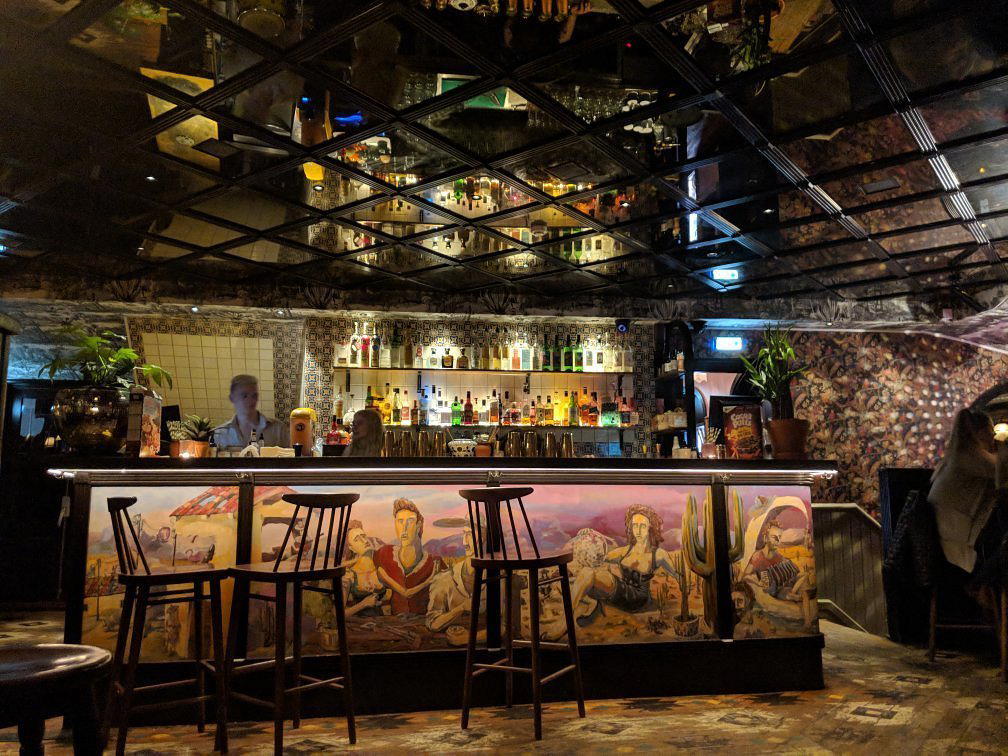
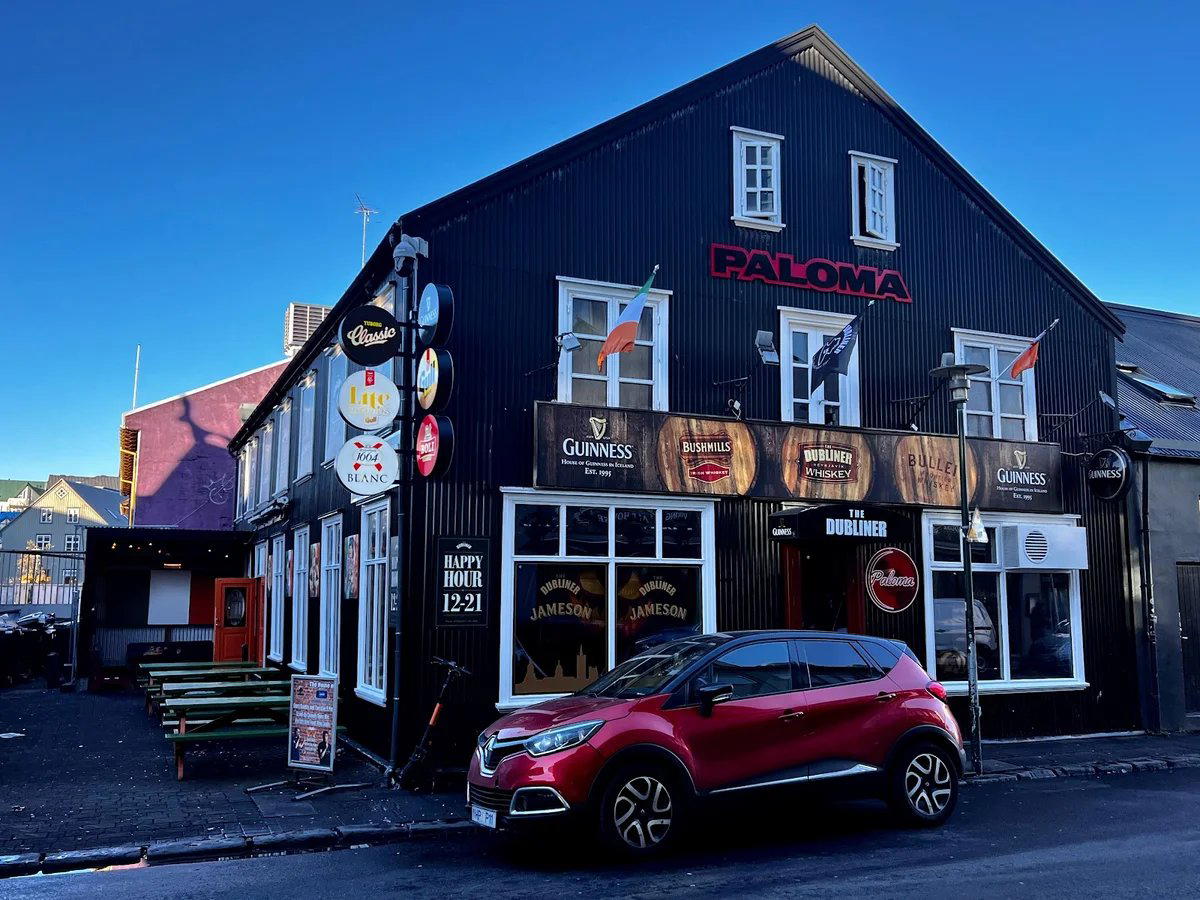
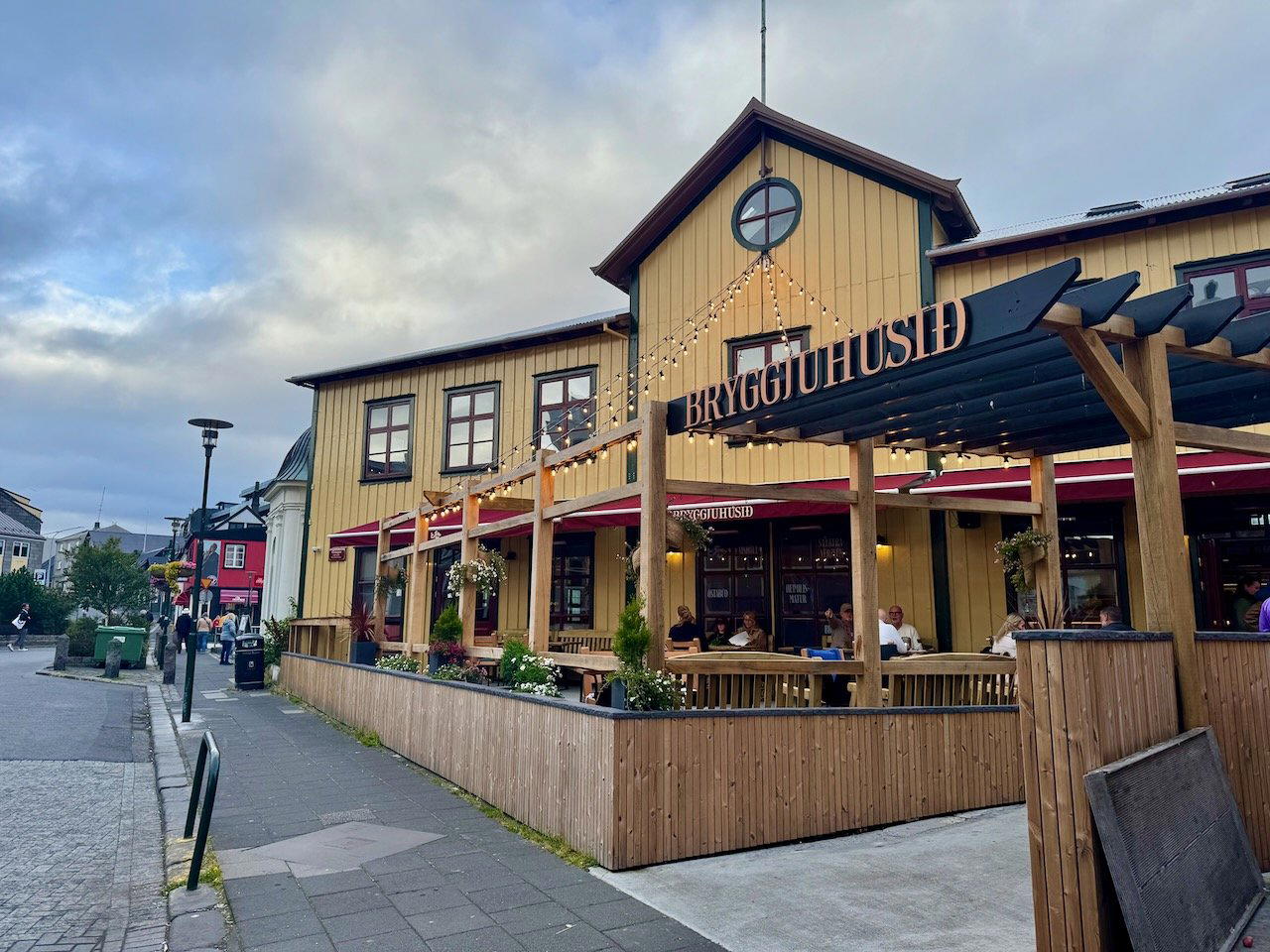
Restaurants in Reykjavík
Browse all →
At a Glance
- Elegant
- Sophisticated
- Intimate
- Classic
- Date Night
- After Work
- Celebration
- Special Occasion
- Historic Building
- Design Destination
- Live Music
- Lounge Seating
- Seated Bar
- Booth Seating
- Craft Cocktails
- Whiskey
- Conventional Wine
- Craft Beer
- Street Scene
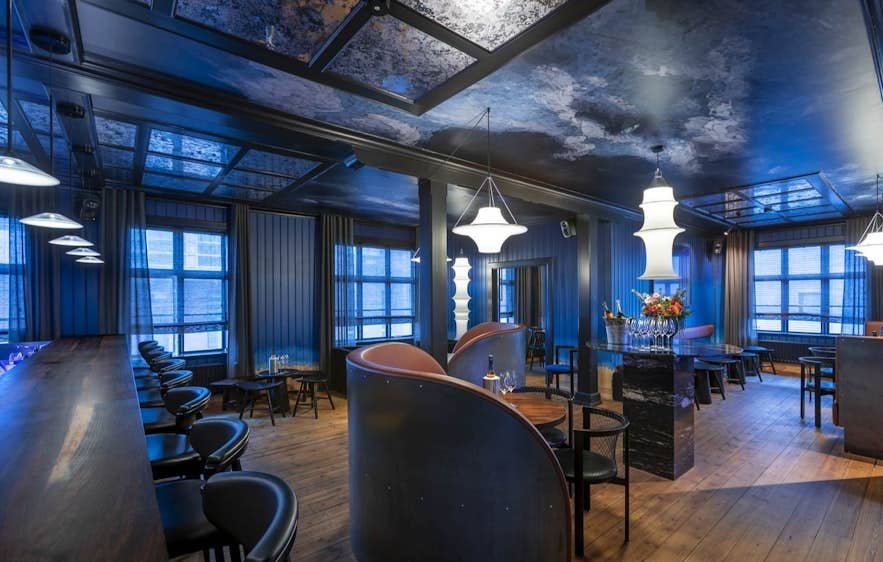
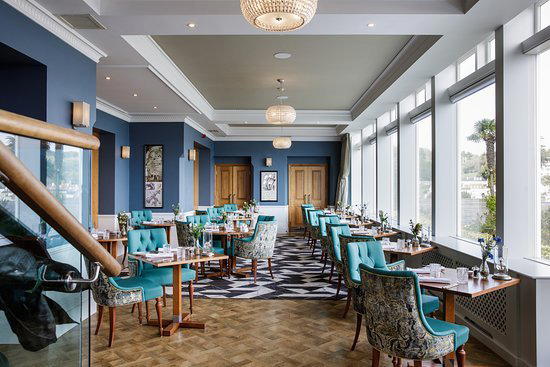
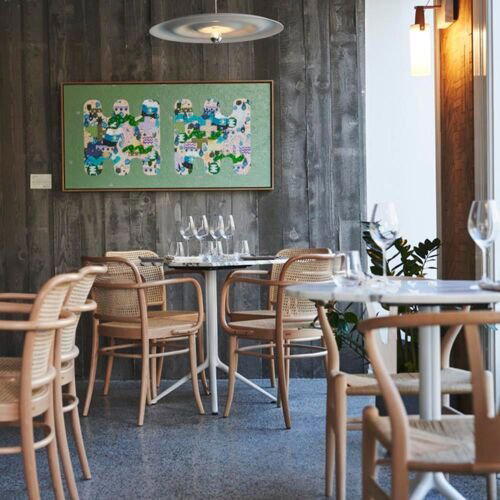
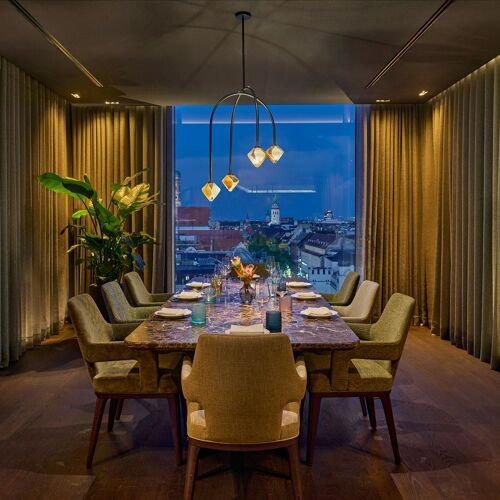
Dimly lit with vintage-inspired wall hangings, mismatched dangling light bulbs, leather armchairs, and wood paneling creating an elegant yet relaxed atmosphere.