Little Branch

World's 50 Best #18
Little Branch has occupied its West Village basement since the mid-2000s, earning a place on the World's 50 Best Bars list (ranked 18th in 2009) before that category became a marketing shorthand for half the bars in Manhattan. The room runs on pre-Prohibition cocktail logic: low light, close quarters, and drinks built for conversation rather than spectacle.

Pearl is the En Primeur Club membership app, where members save venues, book tables and use the concierge.
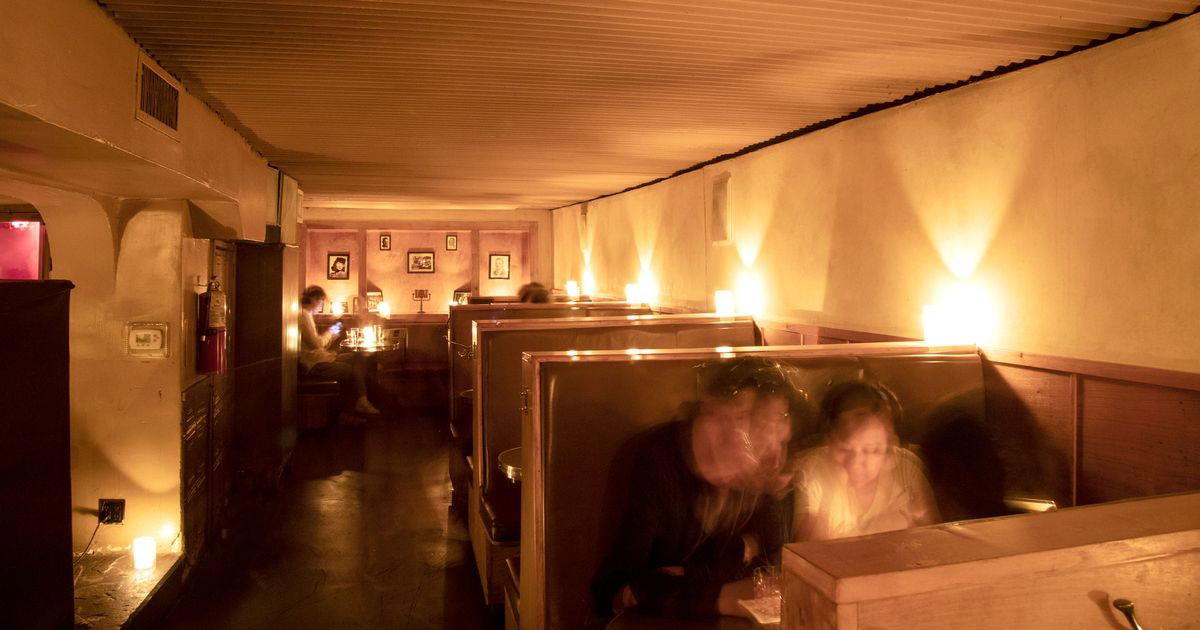
A Basement That Shaped How New York Drinks
When the American cocktail revival was still finding its coordinates in the early 2000s, a particular type of room emerged in New York: deliberately subterranean, acoustically intimate, and organized around the idea that a well-made drink deserved the same focus as a restaurant course. Little Branch, at 20 7th Avenue South in the West Village, belongs to that founding cohort. It ranked 18th on the World's 50 Best Bars list in 2009, a period when that ranking carried genuine critical weight and before the category splintered into regional micro-lists. The bar has held its West Village address across nearly two decades of turnover in the surrounding neighbourhood, which is itself a form of argument.
The Architecture of Restraint
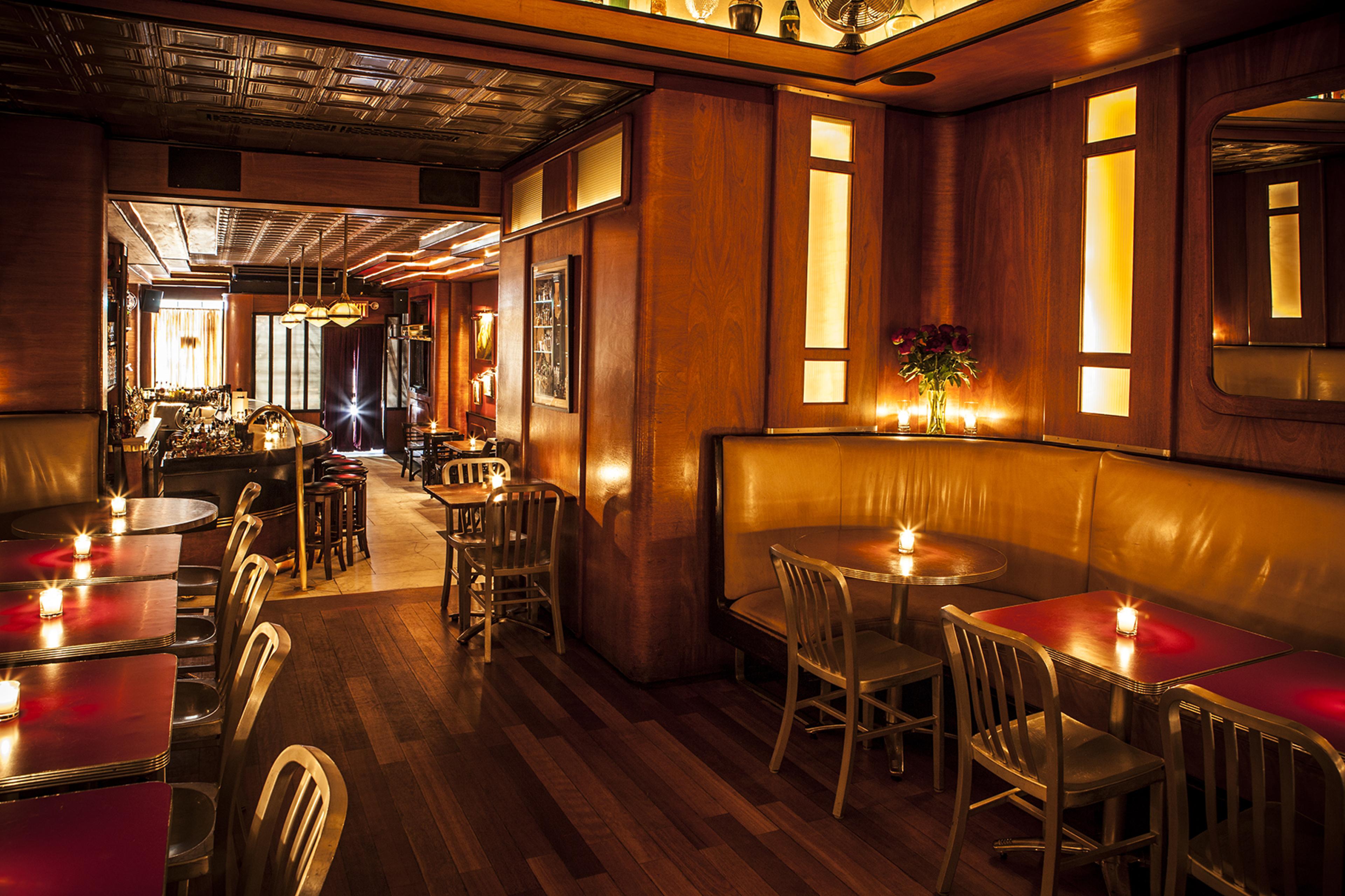
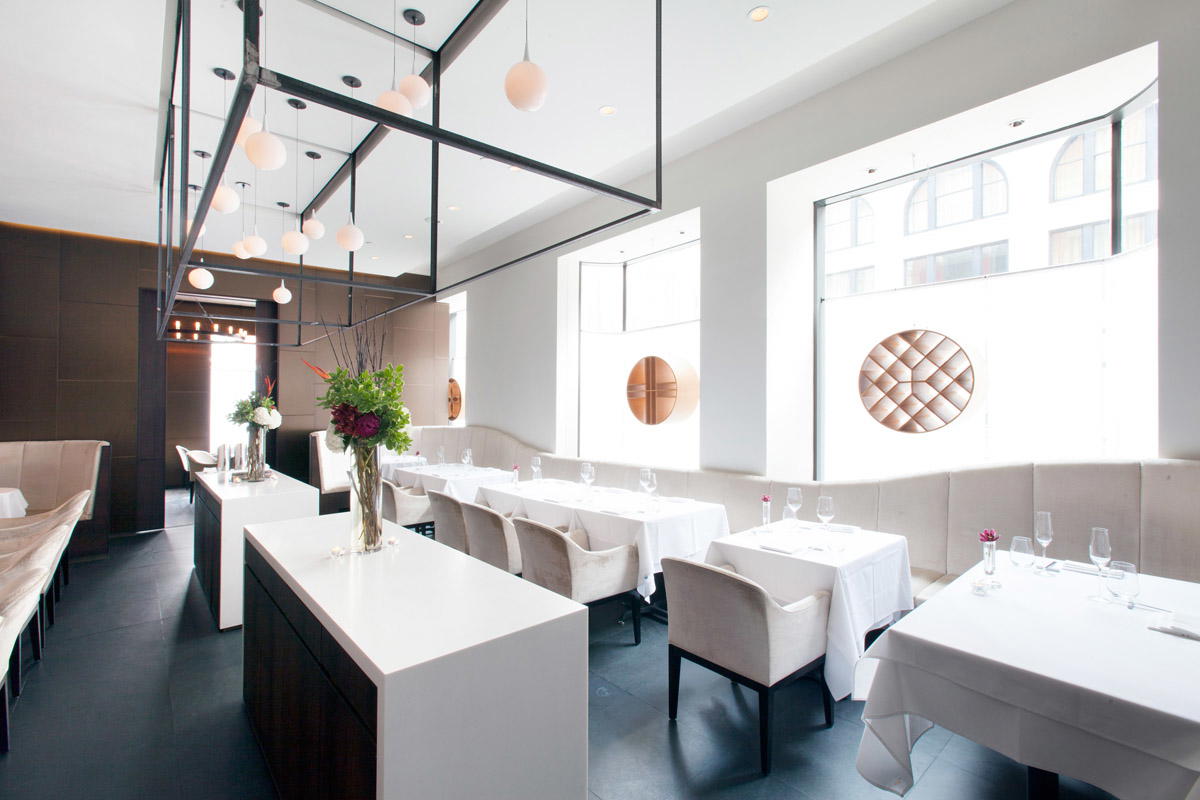
The physical logic of Little Branch is worth examining on its own terms, because the room is doing most of the conceptual work. Descending below street level places you in a different acoustic register immediately: the ambient noise of 7th Avenue South disappears, and the space contracts around low ceilings, close-set tables, and lighting calibrated closer to candlelight than anything a fire code would enthusiastically endorse. This is not accidental dimness. It is a deliberate spatial argument that a bar is a place for attention rather than spectacle.
The interior belongs to a pre-Instagram design tradition, which is increasingly rare in Manhattan. There are no exposed industrial elements repurposed as décor, no custom neon signage, and no backlit bottle displays arranged for camera angles. The room predates those conventions and has not retrofitted them. What remains is closer to a classic American saloon aesthetic: dark wood, close quarters, and a counter that frames the bartender as the room's central figure rather than a piece of millwork. For anyone tracking how cocktail bar interiors have evolved across the past fifteen years in New York, Little Branch functions as a useful baseline.
The intimacy is structural, not performed. Bars that achieve this through large-format design investment often feel theatrical; rooms that achieve it through actual smallness feel different. Little Branch is the latter.
Where It Sits in the New York Cocktail Conversation
New York's cocktail bar category has reorganized several times since 2009. The speakeasy format that defined the early revival period gave way to transparency-led technical programs, then to a wave of concept bars oriented around specific spirits categories or cultural reference points. Through each of those cycles, a smaller group of rooms held to the original proposition: a short, seasonal-adjacent list of classics and riffs, executed with precision, in a space that did not require explaining itself through a concept deck.
Little Branch sits inside that group.
For context on where Little Branch positions against its downtown peers, Amor y Amargo has built its reputation on a bitters-focused program in the East Village, while Attaboy NYC on the Lower East Side operates a no-menu format that pushes bartender discretion to the foreground. Angel's Share in the East Village offers a quieter, Japanese-influenced alternative to the louder corners of the cocktail scene. Little Branch occupies the West Village end of this geography, where the room's age and its pre-Prohibition aesthetic reference put it in a distinct position from the more recently opened entries in the same tier. Further downtown, Superbueno represents a different direction entirely, with a tropical cocktail program that prioritizes energy and volume over the low-key register Little Branch has always occupied.
The broader pattern across American cocktail bars worth tracking is how bars from the 2005-2012 founding wave have fared relative to the generation that followed. Across other American cities, analogous rooms include Jewel of the South in New Orleans, which draws on a similarly deep historical archive, and Kumiko in Chicago, which applies Japanese precision to a comparably intimate format. Julep in Houston and ABV in San Francisco occupy related positions in their respective cities, as does Bar Leather Apron in Honolulu. Allegory in Washington, D.C. and The Parlour in Frankfurt on the Main extend the same tradition into different urban contexts. What connects these rooms is a prioritization of technique and restraint over format novelty, and a physical space that reinforces the program rather than competing with it.
Planning Your Visit
Little Branch is at 20 7th Avenue South, in the West Village. The address is walkable from the Christopher Street-Sheridan Square subway stop. For Little Branch NYC reservations, the bar has historically operated as a walk-in venue, though policy can vary by night and season; confirming current practice directly before arrival is advisable. The Little Branch NYC menu follows a classic and riff-on-classic format without a printed list in the conventional sense, meaning orders are typically guided by conversation with the bartender. The room runs late, which suits the West Village neighbourhood and the bar's general character.
How Little Branch Compares to Nearby Alternatives
| Venue | Location | Format | Notable Signal |
|---|---|---|---|
| Little Branch | West Village | Classic cocktails, basement room | World's 50 Best Bars #18 (2009) |
| Attaboy NYC | Lower East Side | No-menu, bartender-led | Alumni of Milk & Honey lineage |
| Amor y Amargo | East Village | Bitters-focused, spirit-forward | Category specialist program |
| Angel's Share | East Village | Japanese-inflected, quiet room | Long-running East Village presence |
For a broader picture of where Little Branch sits within New York's drinking and dining scene, see our full New York City restaurants guide.
Accolades, Compared
Comparable venues nearby, for context on price, style, and recognition.
| Venue | Cuisine | Price | Awards | Notes |
|---|---|---|---|---|
| Little BranchThis venue (the venue you are viewing) | speakeasy | $30–50 | World's 50 Best #18 | Not listed |
| Experimental Cocktail Club | speakeasy | $30–50 | World's 50 Best #26 · Top 500 Bars Best Bars #218 | Midtown South-Flatiron-Union Square |
| Amor y Amargo | cocktail_bar | $20–30 | World's 50 Best #23 | East Village |
| Blacktail | Bar | Not listed | World's 50 Best #41 | Midtown South-Flatiron-Union Square |
| Milady's | Bar | $30–50 | World's 50 Best #44 · Top 500 Bars Best Bars #311 | SoHo-Little Italy-Hudson Square |
| Angel's Share | Wine Bar | $20–30 | World's 50 Best #31 · Top 500 Bars Best Bars #200 | West Village |
Recognition history
Dated appearances from independent guides and award organizations, with the underlying list record or original source where available.
World's 50 Best Bars #18
World's 50 Best
Continue exploring
More in New York City
Bars in New York City
All bars in New York City →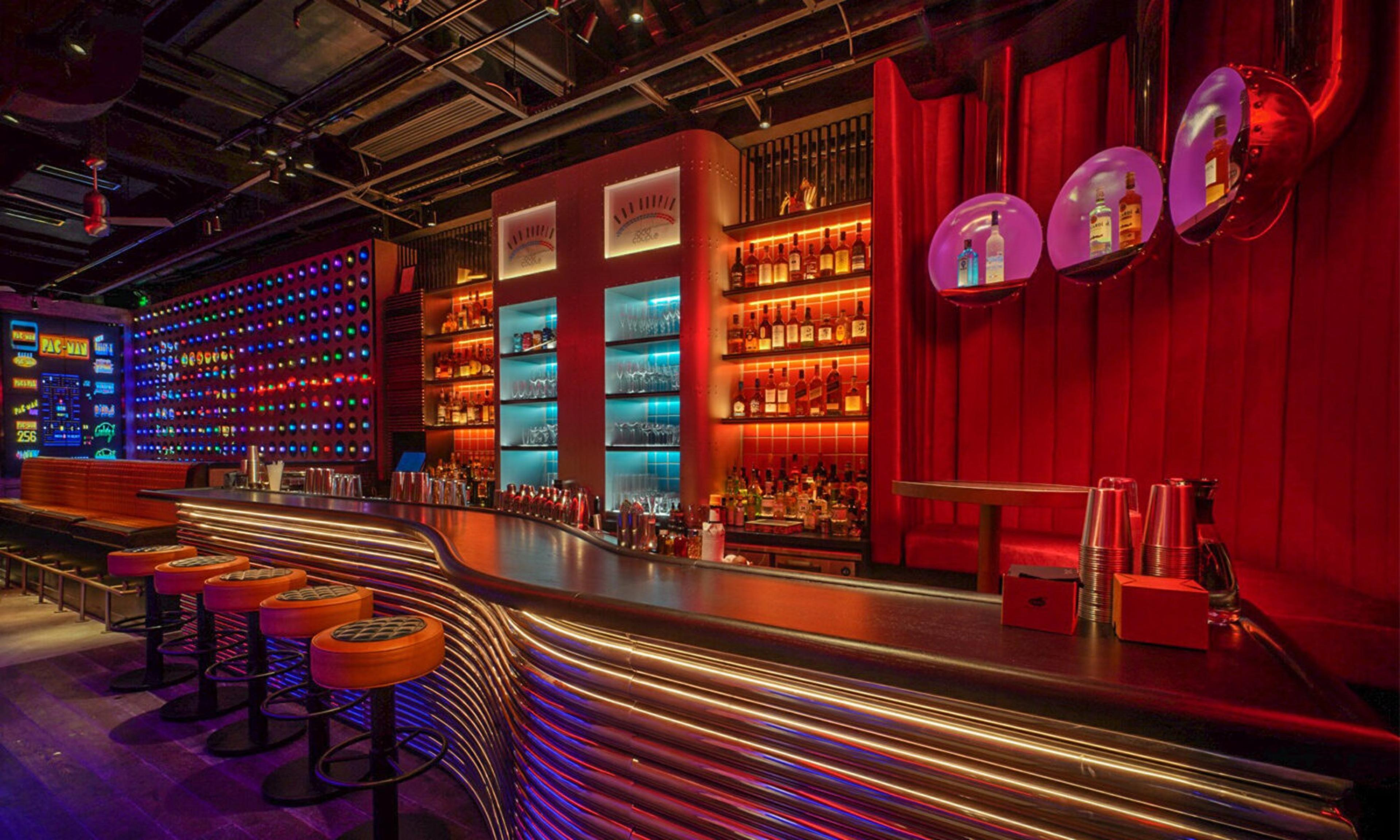
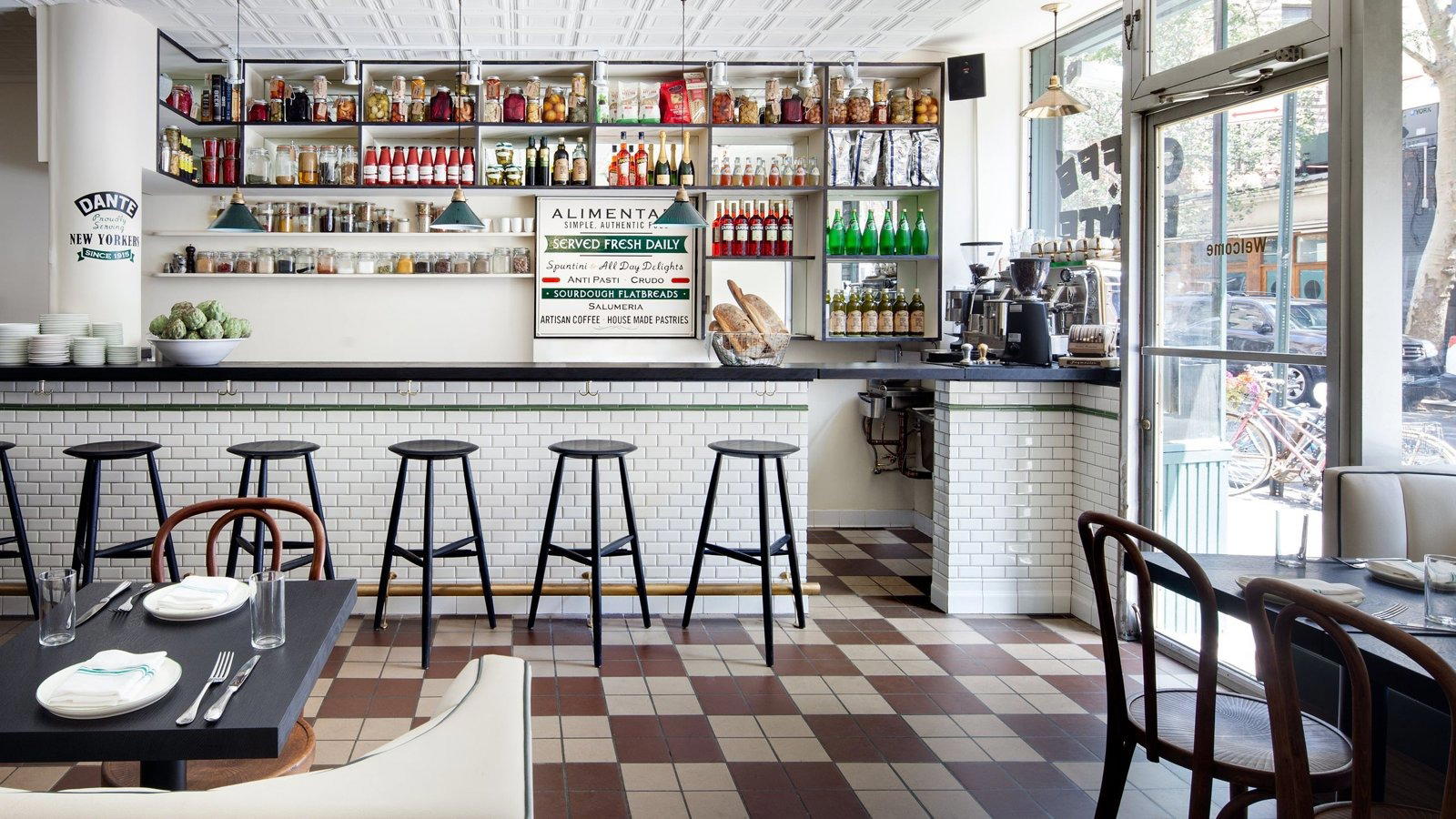
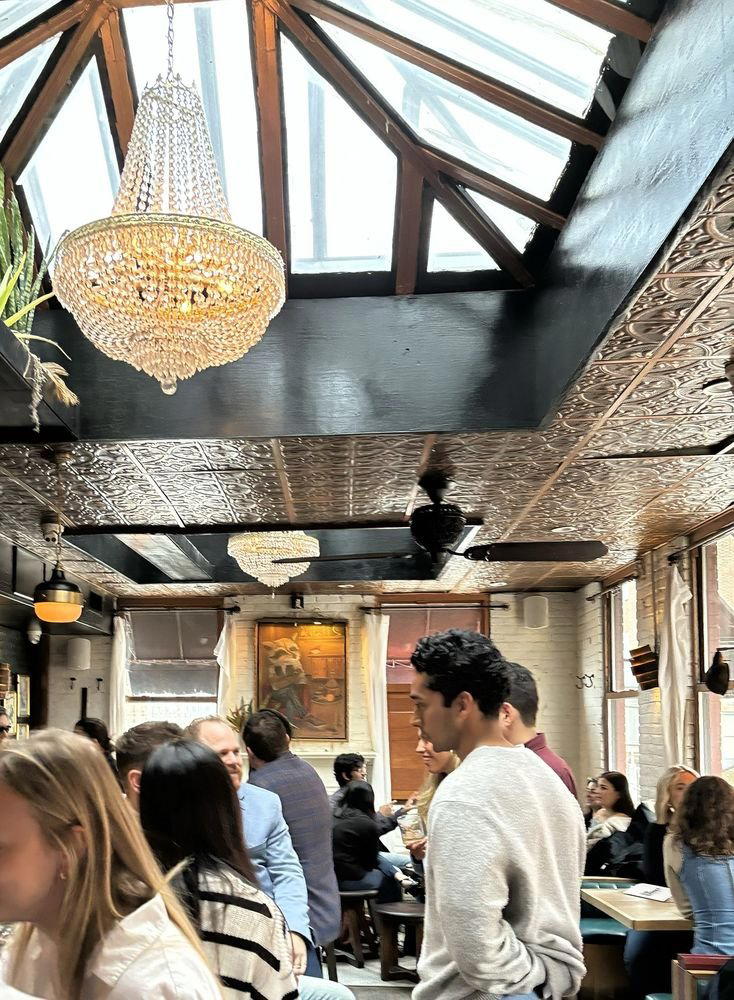
Restaurants in New York City
All restaurants in New York City →





Details
- Intimate
- Cozy
- Classic
- Sophisticated
- Date Night
- Special Occasion
- Speakeasy
- Live Music
- Booth Seating
- Seated Bar
- Lounge Seating
- Classic Cocktails
- Craft Cocktails
Dimly lit with candles, cozy underground atmosphere well-suited for intimate conversations.