

World's 50 Best #94 · Top 500 Bars Best Bars #392
Six appearances on Asia's 50 Best Bars list place Lamp Bar among the most consistently recognised cocktail programmes in Japan, operating not from Tokyo or Osaka but from Nara — a city better known for its deer and ancient temples than its bar scene.

Pearl is the En Primeur Club membership app — saves, bookings, and concierge access live there. Same editors, same standards.
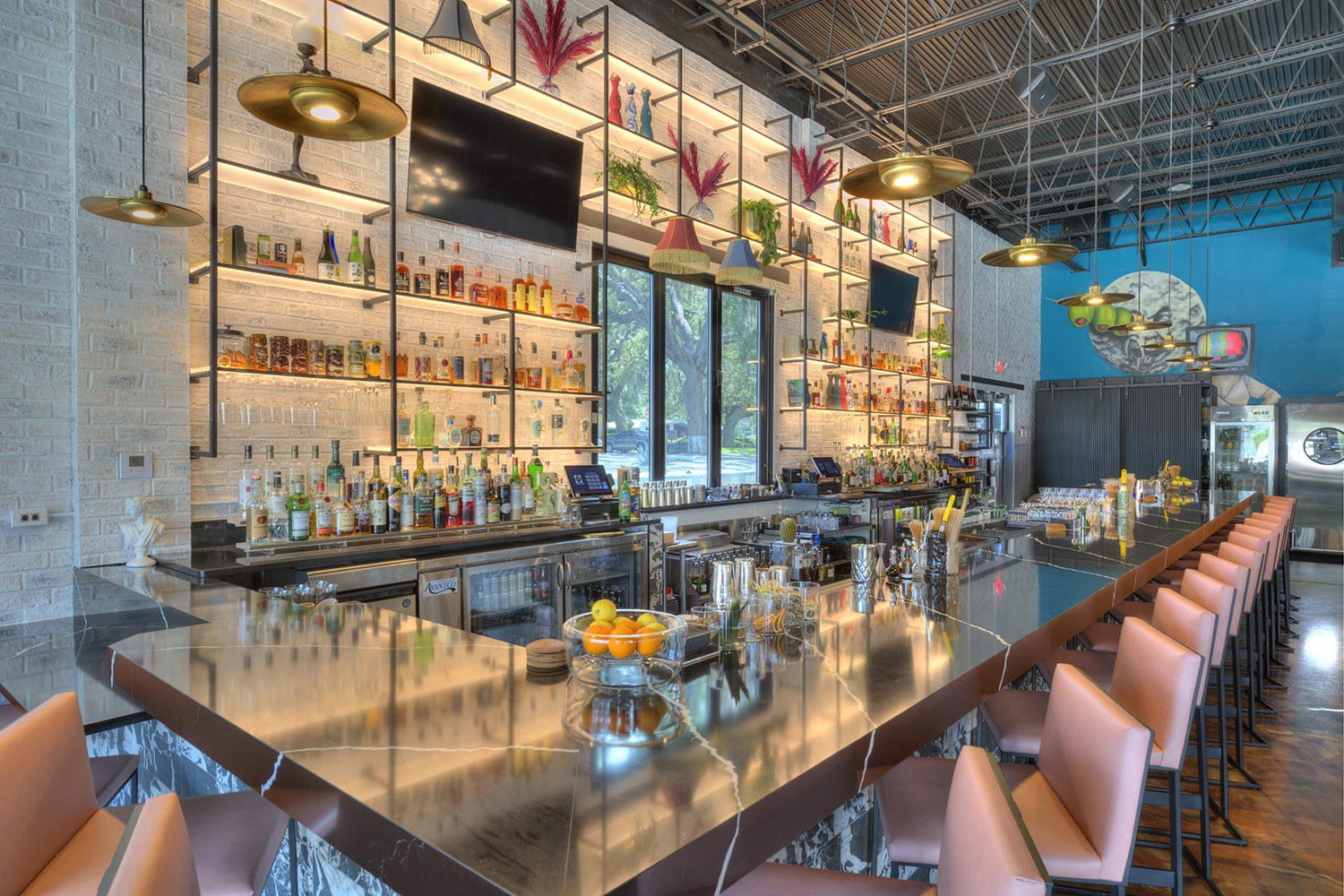
A Bar That Rewrites What a Historic City Can Offer
Nara's identity, for most visitors, resolves quickly into a single image: deer wandering freely around the grounds of Tōdai-ji, the eighth-century temple complex that draws millions each year. The city functions primarily as a day trip from Osaka or Kyoto, its evening economy thin compared to either neighbour. Against that backdrop, the sustained prominence of Lamp Bar on the Asia's 50 Best Bars list reads as something more than a local anomaly. It is evidence that serious cocktail programmes can take root at significant distance from the major urban circuits that typically sustain them — and that Nara, at least one night of the week, is worth treating as a destination in its own right. For a wider sense of where to eat and drink across the city, see our full Nara restaurants guide.
Six Years on Asia's 50 Best: What the Rankings Signal
The Asia's 50 Best Bars list operates as one of the two most closely watched benchmarks in the regional cocktail industry, alongside the Michelin framework. Lamp Bar has appeared on it six times: ranked 45th in 2017, 36th in 2018, 20th in 2022, 23rd in 2023, 55th in 2024, and 46th in 2025. The trajectory is instructive. The subsequent positions — dipping to 55th before recovering to 46th, reflect the competitive pressure of a category that has grown substantially since Lamp Bar first appeared on the list. Consistency at this level, across nearly a decade and through significant category expansion, is a more meaningful signal than a single high-water mark.
For comparison, Bar Benfiddich in Tokyo and Bee's Knees in Kyoto represent the kind of specialist programmes that have defined Japan's cocktail identity on the global stage. Lamp Bar occupies a similar tier in terms of award recognition, while operating in a city with markedly different commercial conditions. Bar Nayuta in Osaka offers a useful regional reference point for those building an itinerary across the Kansai corridor.
The Cocktail Programme: Craft Rooted in Place
Japan's bar culture occupies a distinct position globally. Where New York moved from speakeasy theatrics to transparent technical programmes, and London has cycled through multiple format waves, Japan's leading bars have generally maintained a discipline around craft and quiet precision that resists trend cycles. The leading programmes in cities like Tokyo, Kyoto, and Osaka tend to emphasise technique, seasonal ingredient sourcing, and a restrained approach to presentation that lets the liquid speak without theatrical scaffolding.
Lamp Bar sits clearly within that tradition. The Kansai region, the cultural and geographical zone that encompasses Nara, Kyoto, and Osaka, has a long relationship with meticulous craft, whether in lacquerware, textiles, or cuisine. A cocktail programme rooted in Nara draws on that broader regional sensibility, and the bar's sustained recognition suggests it has built something coherent enough to compete with programmes operating in cities with far greater foot traffic and international visitor density.
The address at 26 Tsunofurichō places the bar within walking distance of Nara's older central districts, where the urban fabric shifts between tourist-facing streets and quieter residential blocks. The approach to the bar, in a city that empties considerably after the temple sites close, carries a different quality from arriving at a destination bar in Shinjuku or Gion. There is less noise to compete with, and that quietness shapes the experience before you sit down.
Where Lamp Bar Sits in Japan's Bar Scene
Japan has developed one of the most coherent national bar cultures in the world, with a training lineage that values years of apprenticeship, technical mastery, and an almost architectural approach to the construction of a drink. The country's 50 Best Asia representation has grown significantly since the list's early editions, and the Japanese bars that appear consistently tend to share a commitment to sourcing and technique over novelty.
Within that national context, Lamp Bar's position in Nara is structurally unusual. Most of Japan's internationally recognised bars operate in major urban centres where a self-reinforcing ecosystem of industry visitors, press attention, and wealthy local clientele sustains high-volume prestige operations. Lamp Bar has built its reputation without that ecosystem, which makes the peer-level award recognition more telling about the programme's quality.
For those exploring the broader Kansai bar circuit, anchovy butter in Osaka and Kyoto Tower Sando in Kyoto represent contrasting reference points in adjacent cities. Further afield, Yakoboku in Kumamoto is among the programmes that demonstrate how Japan's serious bar culture extends well beyond its largest metropolitan centres.
Planning Your Visit
Nara sits approximately 40 minutes from Osaka (Kintetsu Nara Line from Namba) and around 45 minutes from Kyoto by the JR Yamatoji Line or Kintetsu services, making an evening visit feasible without an overnight stay, though the bar's calibre arguably justifies one. The city's accommodation options are modest compared to its neighbours, but basing an itinerary around a Lamp Bar reservation gives the evening a structure that most Nara day-trip schedules miss entirely.
Nara's main tourist season runs from late March through early May (cherry blossom and Golden Week) and again in autumn from late October through November, when the city's deer parks and temple grounds draw heavy visitor numbers. Visiting outside those windows typically means a quieter city and, in theory, more flexibility.
The Sailing Bar in Nara provides an alternative evening option in the city for those building a longer stay. For those approaching from farther afield, Bar Leather Apron in Honolulu, Le Clos Blanc in Hiroshima, Cucina Takemura in Yokohama, and JR Tower Hotel Nikko Sapporo in Sapporo represent reference points across Japan's wider hospitality circuit.
Quick Comparison
Comparable venues nearby, for context on price, style, and recognition.
| Venue | Cuisine | Price | Awards | Notes |
|---|---|---|---|---|
| Lamp BarThis venue (the venue you are viewing) | cocktail_bar | $50–100 | World's 50 Best #94 · Top 500 Bars Best Bars #392 | Not listed |
| The Sailing Bar | cocktail_bar | $50–100 | World's 50 Best #85 | Sakurai |
Recognition history
Dated appearances from independent guides and award organizations, with the underlying list record or original source where available.
World's 50 Best Asia's Best Bars #94
World's 50 Best
Top 500 Bars Best Bars #392
Top 500 Bars
Full recognition history (8 entries)
World's 50 Best Asia's Best Bars #46
World's 50 Best
World's 50 Best Asia's Best Bars #55
World's 50 Best
World's 50 Best Asia's Best Bars #23
World's 50 Best
World's 50 Best Asia's Best Bars #20
World's 50 Best
World's 50 Best Asia's Best Bars #45
World's 50 Best
World's 50 Best Asia's Best Bars #36
World's 50 Best
Continue exploring
More in Nara
Bars in Nara
All bars in Nara →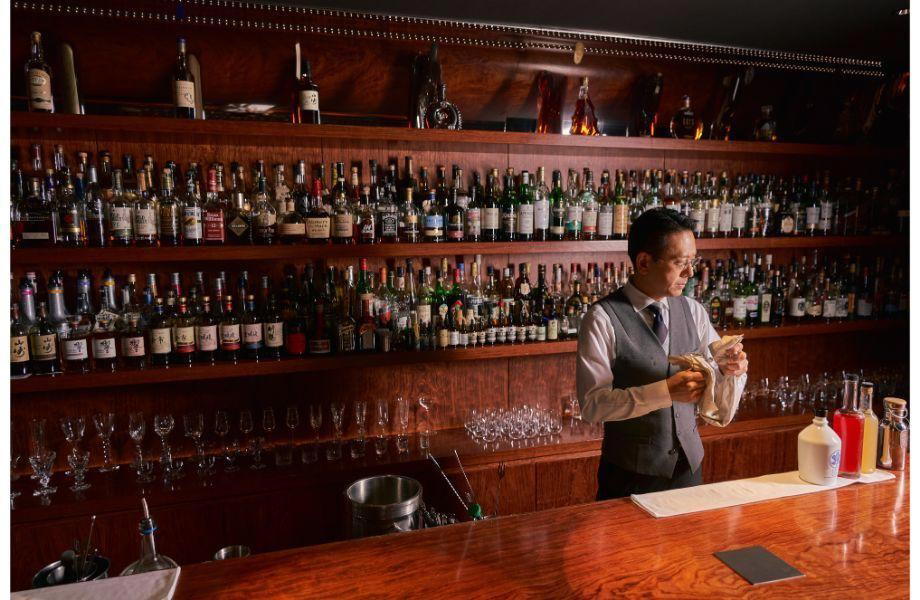
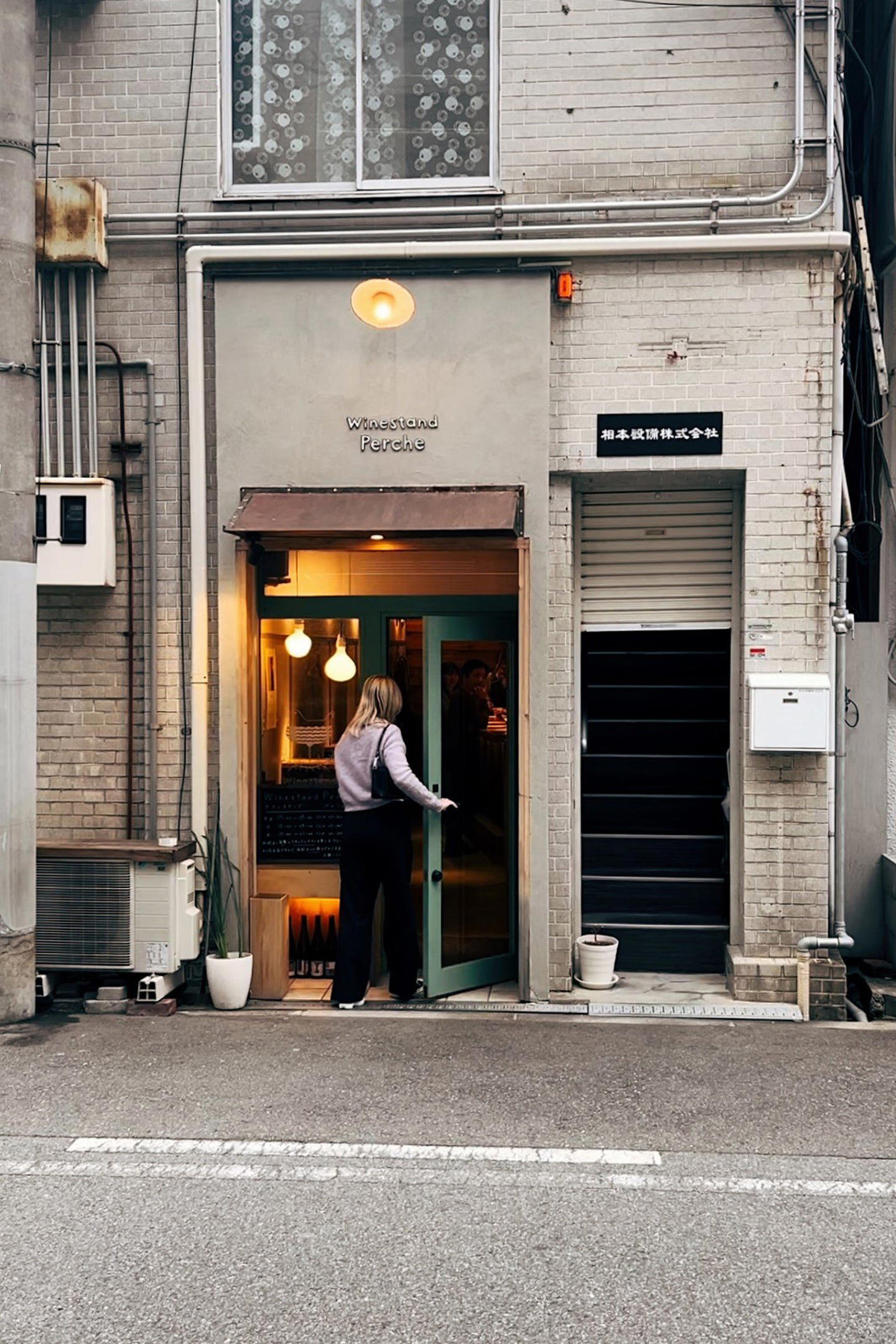

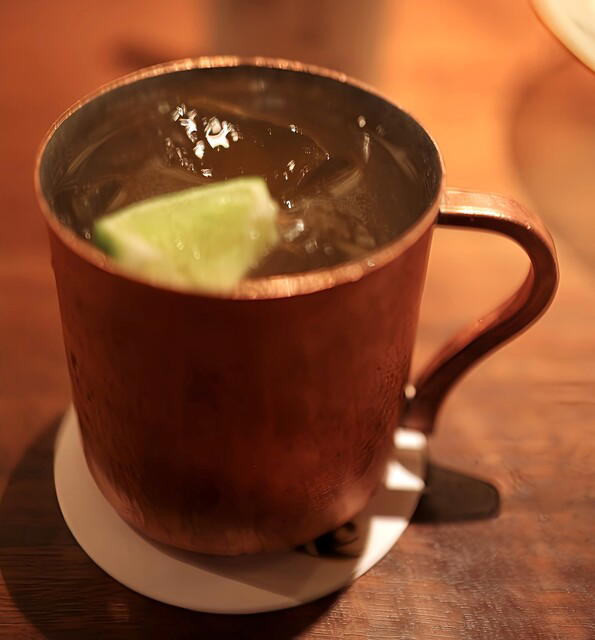
Restaurants in Nara
All restaurants in Nara →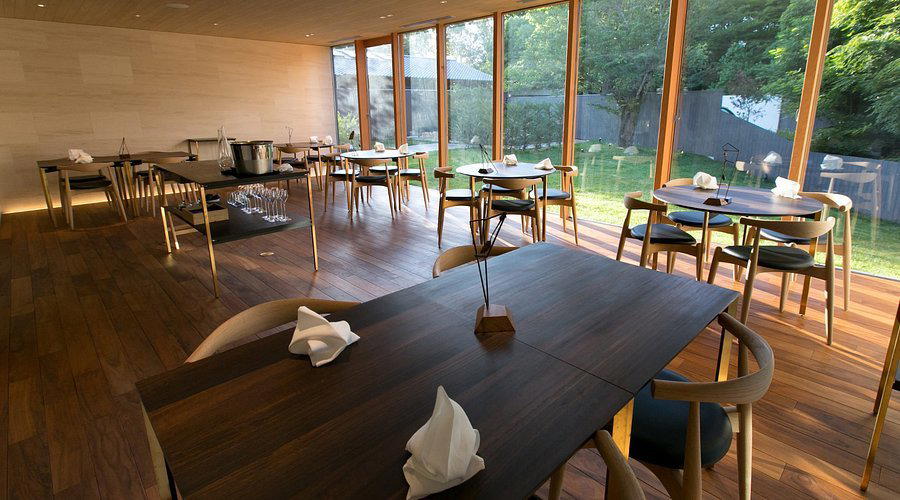
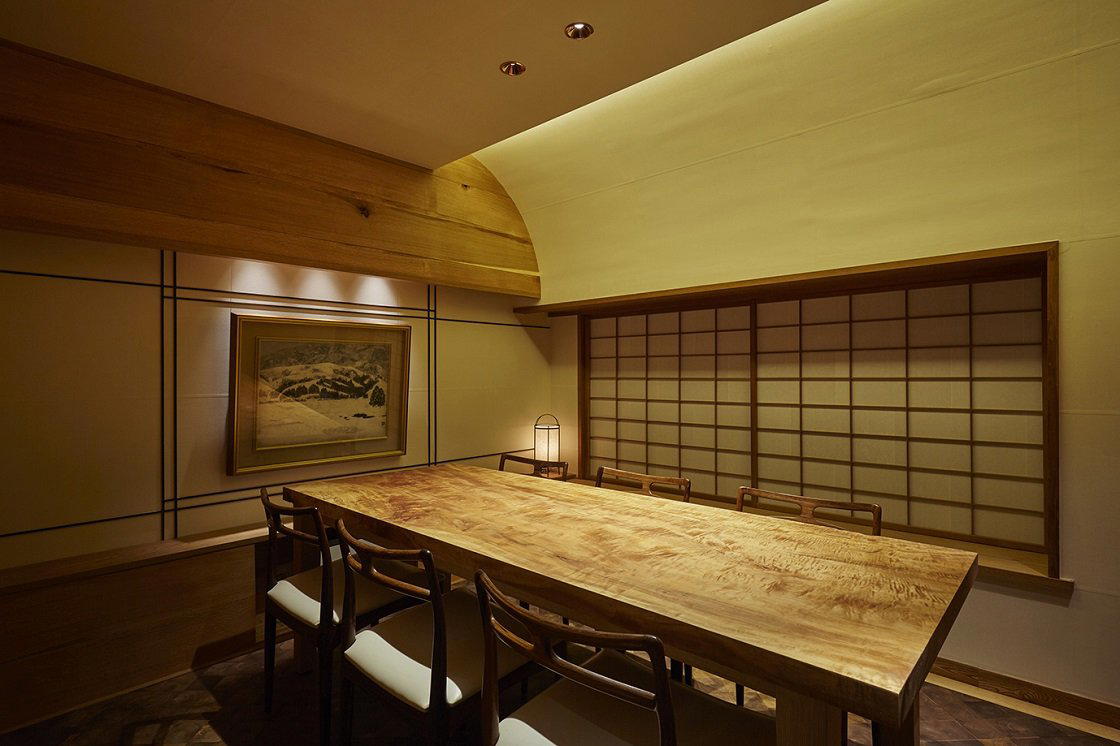


Hotels in Nara
All hotels in Nara →


Wineries in Nara
Browse all →
Lamp Bar
The drinks
- Craft cocktails
- Classic cocktails
Signature drinks: Original Martini, Savory.
Details
- Cozy
- Elegant
- Intimate
- Sophisticated
- Date Night
- Solo
- Casual Hangout
- Speakeasy
- Design Destination
- Seated Bar
- Counter Only
- Booth Seating
- Craft Cocktails
- Classic Cocktails
Cozy, dark brown wood interior with luxurious red accents, dim lighting creating a dignified, retro 1930s speakeasy atmosphere and classical background music.