
Positioned among Asia's recognised cocktail bars, Bulgari Ginza Bar occupies the 10th floor of a Ginza tower, bringing European luxury-brand hospitality into one of Tokyo's most concentrated bar districts. It holds a place on Asia's 50 Best Bars 2024 list (#86) and appears in the Top 500 Bars global ranking for 2025 (#363), making it a notable data point in the evolution of Ginza's premium drinking scene.
 Discover on Pearl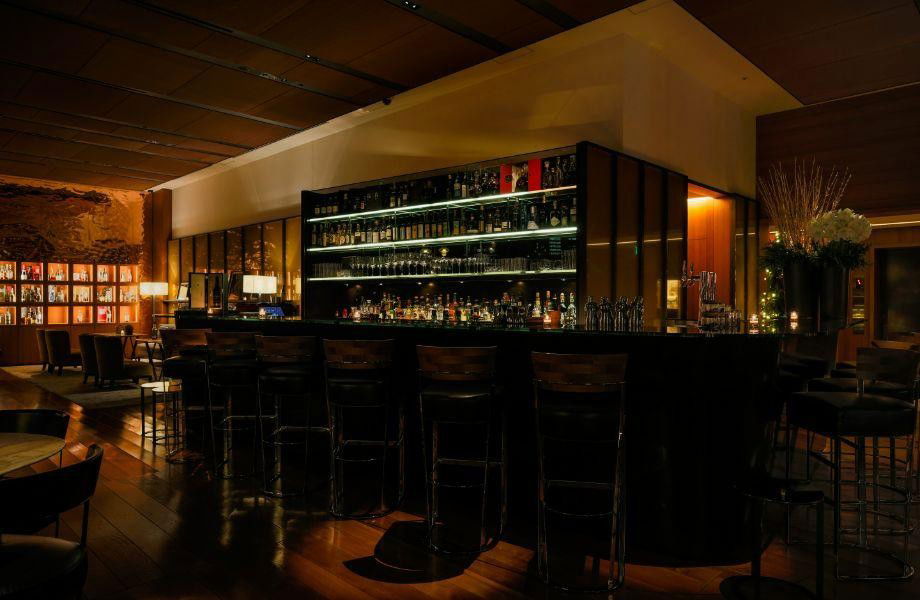
Ginza at 10 Floors Up
The elevator opens onto a room that positions itself against Ginza's street-level bar culture rather than competing with it. Where much of Chuo-ku's serious drinking happens at ground-floor or basement counters, the tenth floor of the Daiichi Sankyo Ginza Building offers a vantage that is less about concealment and more about declaration. Ginza has long operated as Tokyo's most self-consciously formal entertainment district, a place where the price of a drink includes the weight of the address, and the Bulgari Ginza Bar leans into that logic without apology.
The neighbourhood context matters here. Ginza's bar scene divides into several distinct tiers: the classicist counters practising the old Japanese bartending tradition, such as Bar High Five and the Suntory-lineage houses; the newer, technique-forward programmes that have grown from Tokyo's international recognition on lists like Asia's 50 Best; and the hotel and luxury-brand bars that use address and design as primary signals. The Bulgari Ginza Bar belongs to that third category, and its awards record suggests it functions at the upper end of it.
What the Rankings Say About Where It Sits
Two independent ranking bodies have placed this bar on their lists within a 12-month window. Asia's 50 Best Bars positioned it at number 86 in 2024; the Top 500 Bars global index placed it at number 363 in 2025. Those numbers, read together, locate the bar in a specific competitive tier: recognised but not at the very sharp point of the global conversation, which for Tokyo means it sits alongside rather than above the handful of bars the city is most internationally known for.
That is not a diminishment. The Top 500 Bars list covers global ground from Tokyo to São Paulo, and a placement in the 363 position globally reflects genuine editorial vetting. For the Asia's 50 Best ranking, entry at number 86 means the bar has cleared a threshold that many Ginza establishments do not. Among bars operating under a luxury-brand parent, that kind of independent recognition carries particular weight because it suggests the programme is being assessed on its own terms, not simply on the credentials of the brand behind it.
For comparison, bars like Bar Libre and Bar Orchard Ginza also operate in the Ginza corridor, each with its own claim on the district's drinking culture. Further out, Bar Benfiddich in Shinjuku takes a different approach entirely, building a programme around house-made bitters and agricultural spirits that places it in the craft-specialist tier rather than the luxury-address tier. These are not interchangeable choices — they represent different answers to the question of what a serious bar in Tokyo should be.
The Ginza Bar Scene in Context
Ginza has been the anchor of Tokyo's premium bar culture for decades, and the reasons are structural as much as reputational. The district concentrates high-net-worth residential and corporate spending, supports the price points that allow serious bar programmes to operate, and carries an expectation of service formality that aligns with the classical Japanese bartending tradition. The best-known expressions of that tradition, the white-glove counters where a single bartender might spend the better part of an hour on four drinks, developed here and in neighbouring Shimbashi rather than in the newer entertainment corridors of Shibuya or Shinjuku.
Into that established framework, the Bulgari Ginza Bar introduces a different logic: the European luxury-house sensibility applied to a Tokyo address. This is not a new format globally, but it is a format that has gained traction in Asian cities over the past decade as international luxury brands have moved beyond retail and hospitality into the bar and dining space as part of a broader lifestyle positioning. The result, when it works, is a bar that reads as an extension of a design and taste vocabulary rather than as a standalone programme. When it does not work, it reads as a lobby amenity. The awards record here suggests the former is closer to the truth.
Hours and When to Visit
The bar opens at noon Monday through Saturday, which is an operational detail worth registering. In Tokyo's bar culture, midday service is not standard at serious programmes, and the noon opening reflects a broader Bulgari hospitality positioning that includes dining and afternoon use alongside evening drinks. Sunday hours run noon to 18:30, which closes off the late-evening option on that day. Friday extends to midnight, while Monday through Thursday close at 23:00 and Saturday at 23:00 as well. The practical implication is that Friday is the session for those wanting the full evening arc.
The address, 2-7-12 Ginza, Chuo City, on the 10th floor of the Daiichi Sankyo Ginza Building, places the bar within a short walk of Ginza Station on the Tokyo Metro Ginza, Marunouchi, and Hibiya lines. Ginza at this postcode sits between the main Chuo-dori shopping spine and the Showa-dori, a block pattern that is well-served by multiple exits. For context on the wider Tokyo bar geography, the EP Club Tokyo bars guide maps the city's serious drinking options across districts. The Tokyo restaurants guide, Tokyo hotels guide, Tokyo wineries guide, and Tokyo experiences guide round out the full picture for a longer stay in the city.
Reading the Google Score
A 4.4 across 263 Google reviews is a moderately strong signal in a city where the benchmark for premium hospitality is high and where guests are often experienced enough to calibrate expectations against an international peer set. It does not suggest any friction in the core experience, but it also positions the bar as one that earns consistent approval rather than polarising strong-opinion scores in either direction. That profile is consistent with what a luxury-brand bar typically achieves: the service and environment are dependable; the question that separates the leading nights from the average ones is usually the drink programme itself.
Beyond Tokyo: The Wider Japan and Pacific Bar Picture
Ginza's concentration of premium bars makes it a natural anchor for any serious Tokyo bar itinerary, but the city does not hold a monopoly on the craft. Bar Nayuta in Osaka brings its own approach to the Kansai bar scene, and Bee's Knees in Kyoto has developed a following that positions it outside the Tokyo frame entirely. Further across the Pacific, Bar Leather Apron in Honolulu demonstrates how the Japanese-bartending tradition has travelled, translating precision-service values into a different island setting. Together these entries map a wider conversation about what seriousness in bar programming looks like across the region.
Frequently Asked Questions
A Tight Comparison
Comparable venues for orientation, based on our database fields.
| Venue | Notes | Price |
|---|---|---|
| Bulgari Ginza Bar | This venue | |
| Bar Benfiddich | ||
| Star Bar Ginza | ||
| The Bellwood | ||
| Tender Bar | ||
| Bar High Five |
Need a Table?
Our members enjoy priority alerts and concierge-led booking support for the world's most difficult bars and lounges.
Get Exclusive Access