



Bar Benfiddich occupies the ninth floor of a Nishishinjuku building, operating nightly from 18:00 as one of Asia's most consistently recognised cocktail bars — ranked #9 in Asia's Best Bars 2025 and #25 globally in 2024. Its 17-seat walnut counter frames a program built around farm-grown botanicals, antique tools, and a working distillery in Chichibu, producing drinks that shift with each harvest.
 Discover on Pearl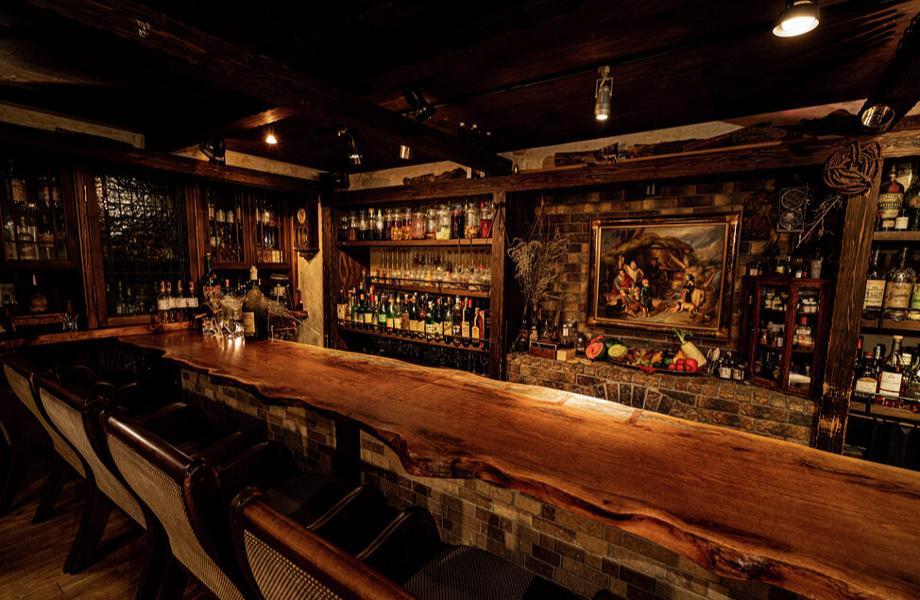
Ninth Floor, Nishishinjuku: What Tokyo's Farm-to-Glass Movement Looks Like at Its Furthest Point
Tokyo's serious bar culture has long split between two poles: the classical Japanese bar tradition — whisky-forward, technically precise, anchored in the methods of Ginza institutions like Star Bar and Tender Bar — and a newer wave of internationally minded programs that absorbed the global cocktail renaissance of the 2010s. Bar Benfiddich, known variously as Bar Ben Fiddich or simply Benfiddich Tokyo, occupies neither category cleanly. It belongs to a third tier, smaller and harder to place: bars where the sourcing architecture is so specific that the drink program cannot be separated from the land that produces its ingredients.
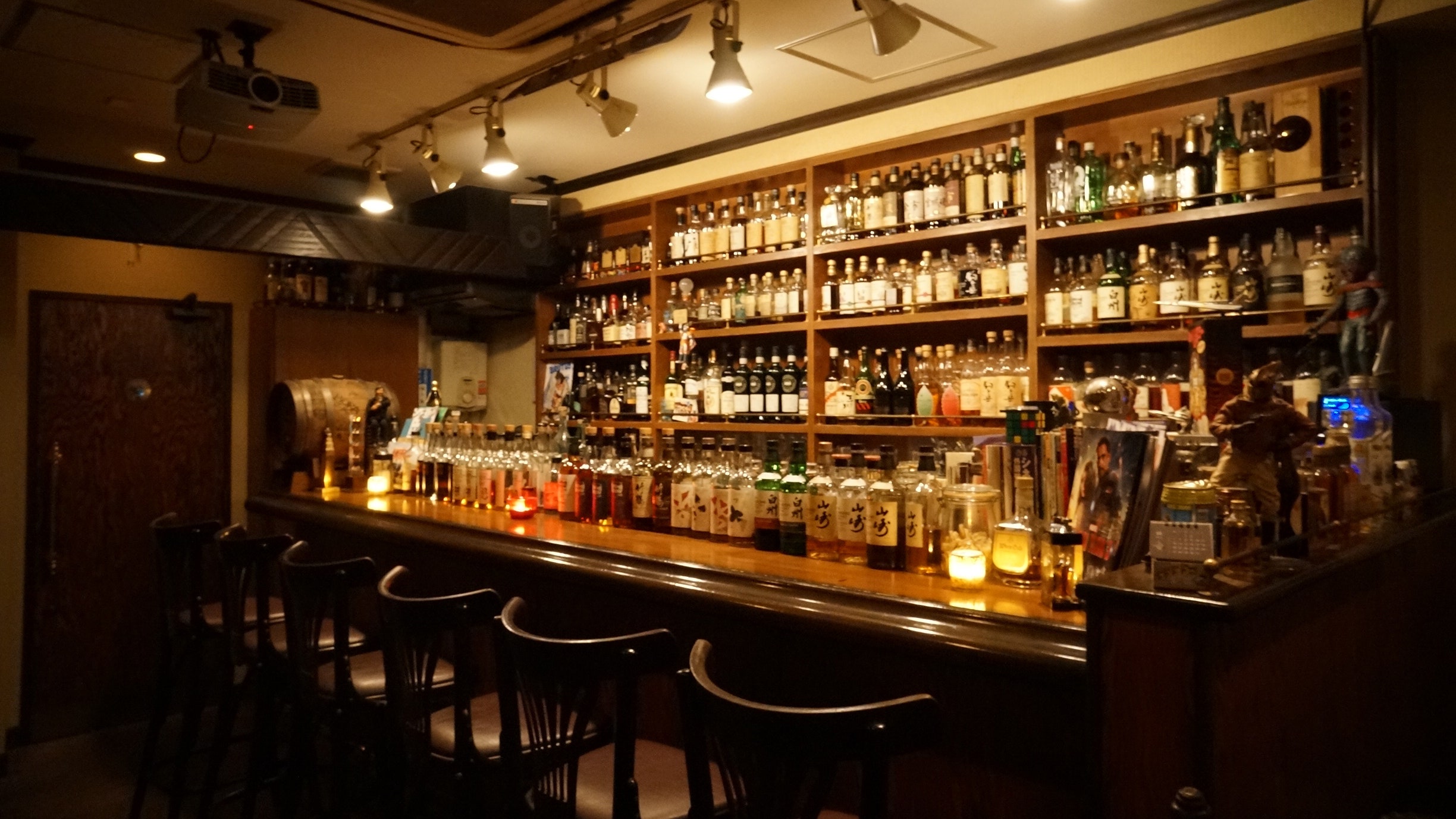
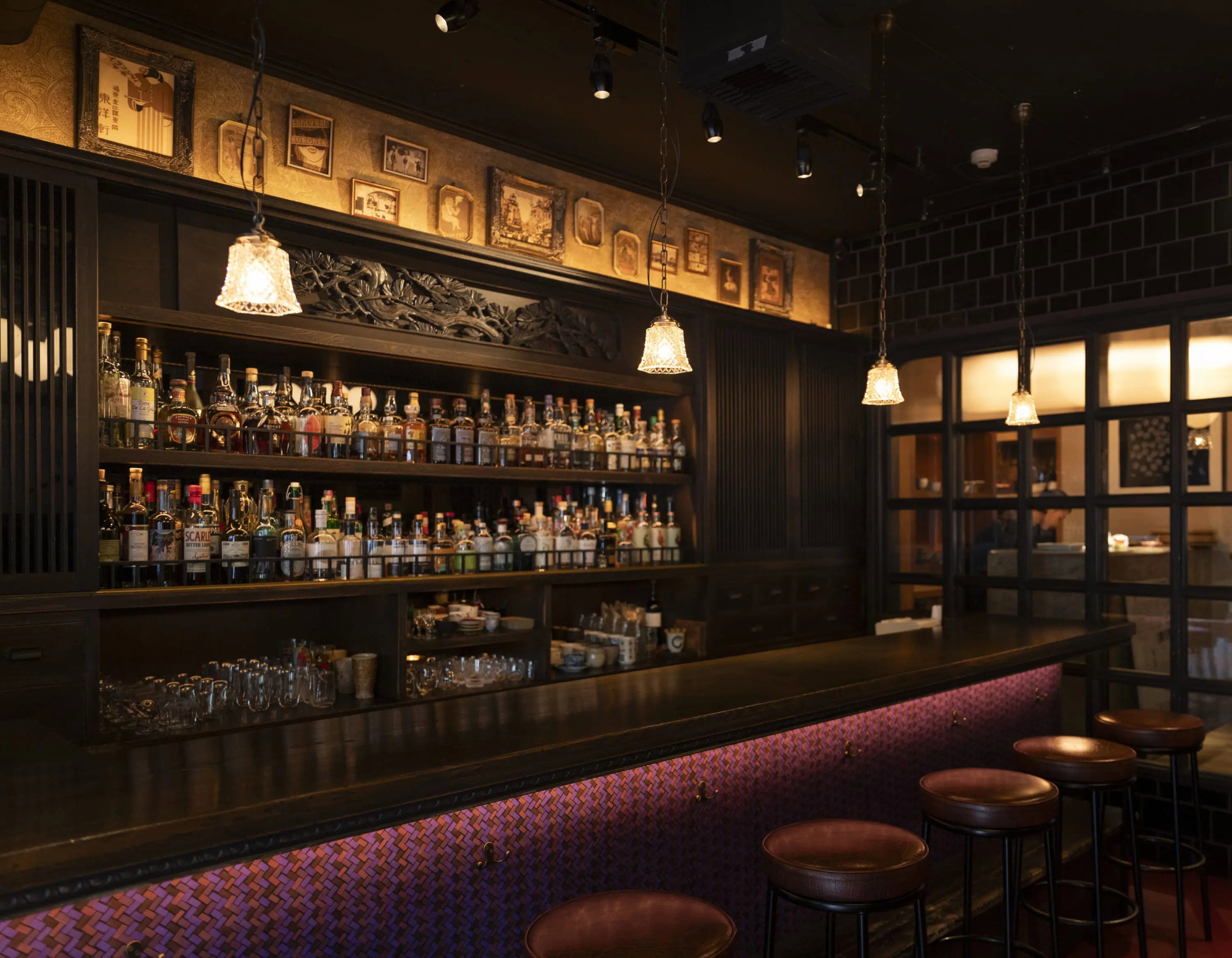
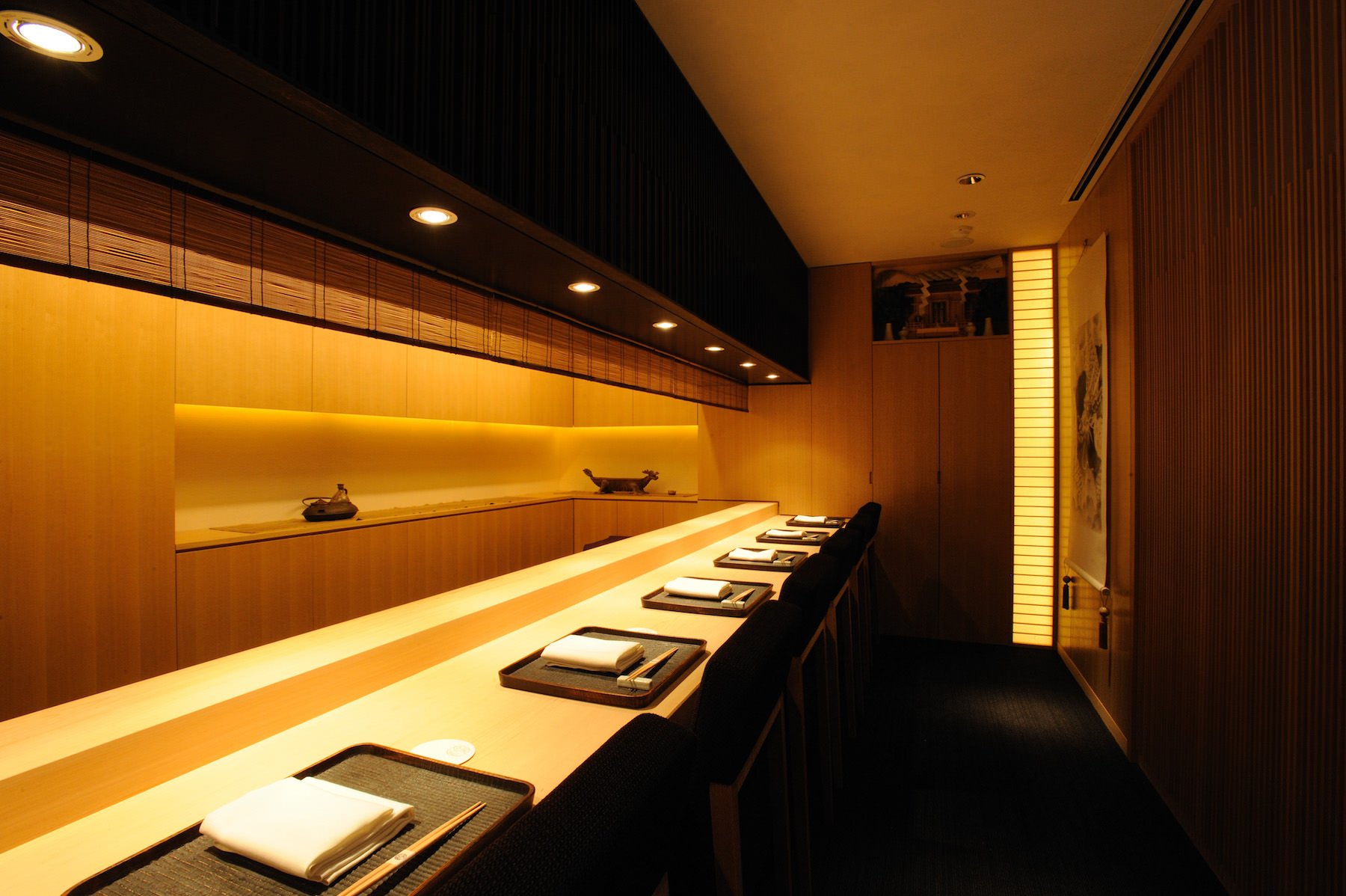
The room itself sets the terms. Seventeen seats arranged around a walnut counter on the ninth floor of a Nishishinjuku building, open each evening from 18:00 through to 02:00. The bar faces a wall of bottles, some globally recognised classics, others unmarked, their labels gone decades ago, many of them the bartender's own production. Fresh fruit, cut herbs, and botanical material share that same counter space. Antique tools , pewter straws a century old, stirring implements fashioned from mizunara or juniper twigs snapped fresh before service , are part of the working kit, not decoration. A painting of a Highland illicit distilling operation hangs in view of the guests. The atmosphere, by consistent account, is a combination of quiet focus and active curiosity: people lean in to watch, and they tend to ask questions.
The Sourcing Logic: A Farm in Chichibu as the Engine of the Program
The sustainability model here is not marketing language grafted onto a standard drinks list. It operates from first principles, starting with a working farm in Chichibu, roughly an hour northwest of Tokyo by rail. Botanicals grown there , fennel, mint, herbs across seasons , move directly into the glass. Absinthe distilled on that same farm appears among the bottles behind the bar. Honey water drawn from absinthe drippers overhead goes into drinks when the occasion calls for it. The program is, in effect, a closed loop between cultivation and service, with minimal intermediary processing.
This approach places Bar Benfiddich in a distinct position within Asia's bar scene. Across the region, the conversation around sustainable bar practice has largely centred on waste reduction , spent citrus, surplus spirits, reclaimed glassware. The farm-to-glass model as practised here goes further upstream: it means that what grows this season determines, at least in part, what is served this season. When mizunara twigs are used as stirrers, the wood's aromatic character enters the drink at the point of contact. That level of botanical integration is not standard practice even among the Asia-Pacific bars that share the upper rankings of the same lists.
Award Trajectory: Consistency Across a Decade of Rankings
The critical record for Bar Benfiddich is long enough now to read as a pattern rather than a series of individual results. The bar first appeared in the World's 50 Best Bars Asia's Leading list in 2016, ranked at #22. By 2023 it had reached #4 in Asia. The 2024 global list placed it at #25 worldwide. The 2025 Asia's Leading Bars ranking from the same organisation has it at #9. Tatler Asia named it Bar of the Year for 2024 and included it in the Tatler Leading Bars Asia-Pacific 2025 list. Top 500 Bars placed it at #42 in 2025. Pearl recommended it in the same year.
That span , from 2016 through 2025, across multiple independent ranking bodies , is a trust signal of a different order from a single-year placement. It reflects a program that has not peaked and declined, nor pivoted to chase trends. The consistency is itself the credential.
Among Tokyo bars with comparable recognition, the peer set includes Bar High Five, whose classical technique and Ginza lineage represent a different but equally sustained approach to craft, and Bar Trench, which operates from a European-inflected natural wine and cocktail model in Ebisu. Bar Libre and Bar Orchard Ginza extend the map further, each representing distinct methodological commitments within the city's layered cocktail culture. Bar Benfiddich's farm integration, however, sits apart from all of them in terms of sourcing depth.
What Changes, What Doesn't
The 17-seat capacity is fixed. The Chichibu farm is fixed. The antique tools, the walnut counter, the ninth-floor address , fixed. What shifts is almost everything that goes into the glass. The harvest cycle in Chichibu determines what botanical material is available. Research trips to remote regions introduce indigenous ingredients and forgotten recipes that may or may not appear in future drinks. Bottles acquired over years, some now unlabelled, hold liquids that surface when the context is right.
This variability is structural rather than arbitrary. It means that two visits months apart will encounter genuinely different material , different plant matter, different infusions, potentially different distillates. The google review average of 4.5 across 883 reviews suggests the experience lands consistently despite that variability, which is the harder achievement.
Across Japan's bar circuit, this kind of program-level restlessness is not common. Bar Nayuta in Osaka, Bee's Knees in Kyoto, and Lamp Bar in Nara each represent serious regional programmes with their own sourcing disciplines, but none operates from a private farm at the same scale of integration. Further afield, Yakoboku in Kumamoto and anchovy butter in Osaka extend the picture of what serious Japanese bar culture looks like outside Tokyo. Bar Leather Apron in Honolulu offers a useful Pacific counterpoint , technically rigorous and regionally grounded, though operating within a very different ecosystem. Kyoto Tower Sando represents a different category entirely, more accessible in format but still part of Japan's broader investment in serious drink culture.
Planning a Visit: Logistics and Timing
Bar Benfiddich operates Monday through Sunday, 18:00 to 02:00, from the ninth floor of a building at 1-chome-13-7, Nishishinjuku, Shinjuku, Tokyo. Reservations are advisable , the 17-seat capacity means the bar fills without requiring significant lead time, but walk-ins at peak evening hours on weekends carry real risk. TableCheck lists Bar Benfiddich for those searching booking options under the common alternate spellings bar ben fiddich or ben fiddich tokyo. The bar's Instagram account (@benfiddich_tokyo) provides the most current view of what is in season and what is being worked on. The Nishishinjuku address is a short walk from Shinjuku Station's west exits, making it accessible without navigating the full complexity of the station's multiple exits and surrounding entertainment district. For broader context on the Tokyo drinking and dining scene, our full Tokyo guide maps the city's major neighbourhoods and bar concentrations.
What to Order at Bar Benfiddich
What should I drink at Bar Benfiddich?
There is no fixed menu, and that is the point. What arrives in the glass will reflect what is growing or ready to harvest on the Chichibu farm, what Hiroyasu Kayama has sourced or distilled recently, and what you indicate you want from the experience. The most useful approach is to describe a flavour direction , botanical, bitter, spirit-forward, aromatic , and let the program respond. The farm-distilled absinthe is a documented through-line in the bar's identity and a reasonable anchor point for the conversation. Drinks containing fresh farm botanicals, stirred with material foraged that day, represent the format at its most specific. The 17-seat counter means you are close enough to watch the process and ask questions about what you are drinking , that interaction is part of the offering, not a secondary feature. Tatler Asia's Bar of the Year designation for 2024 and the bar's #9 ranking in Asia's Leading Bars 2025 reflect a program assessed across multiple visits by multiple critics, which is the relevant trust signal when no printed menu exists to reference in advance.
A Credentials Check
A fast peer set for context, pulled from similar venues in our database.
| Venue | Awards | Cuisine | Notes |
|---|---|---|---|
| Bar Benfiddich | World's 50 Best | This venue | |
| Bulgari Ginza Bar | World's 50 Best | ||
| Star Bar Ginza | World's 50 Best | ||
| The Bellwood | World's 50 Best | ||
| Tender Bar | |||
| Bar High Five | World's 50 Best |
At a Glance
- Intimate
- Elegant
- Sophisticated
- Hidden Gem
- Date Night
- Special Occasion
- Solo
- Design Destination
- Standalone
- Counter Only
- Seated Bar
- Craft Cocktails
- Whiskey
- Gin
- Low Abv
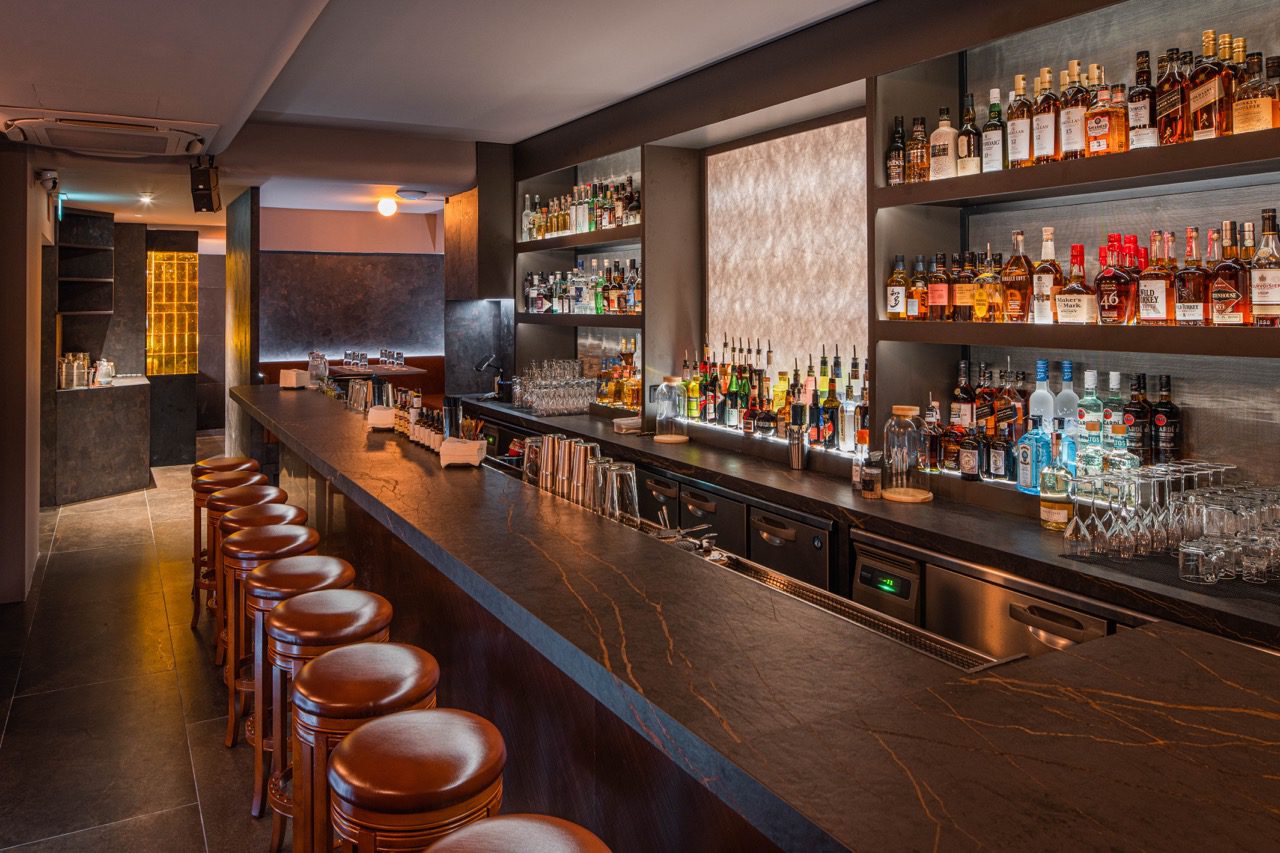
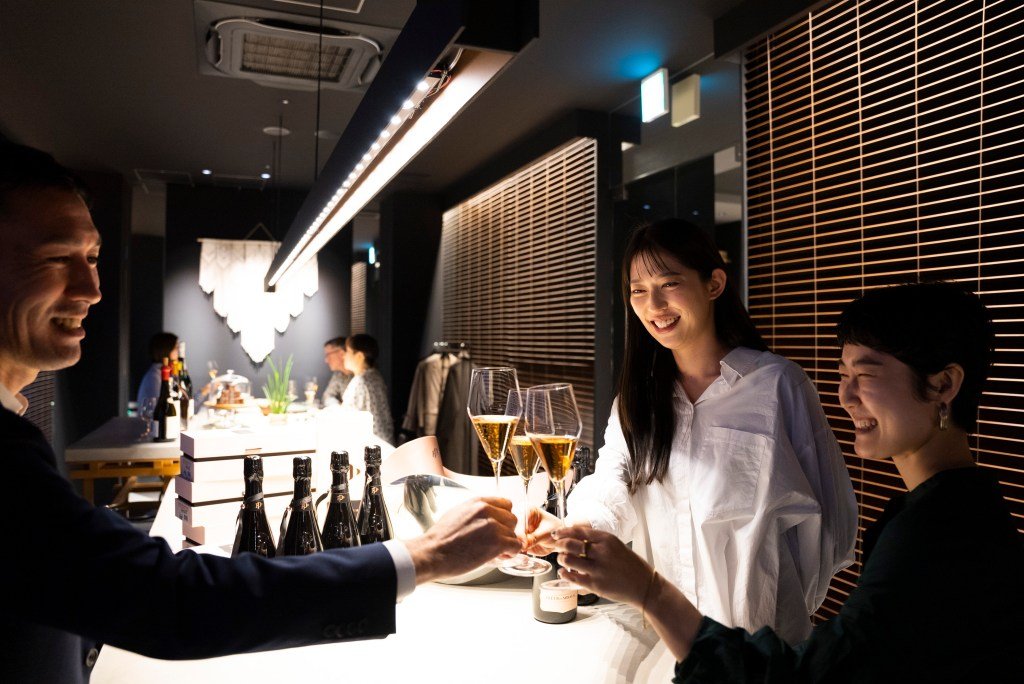
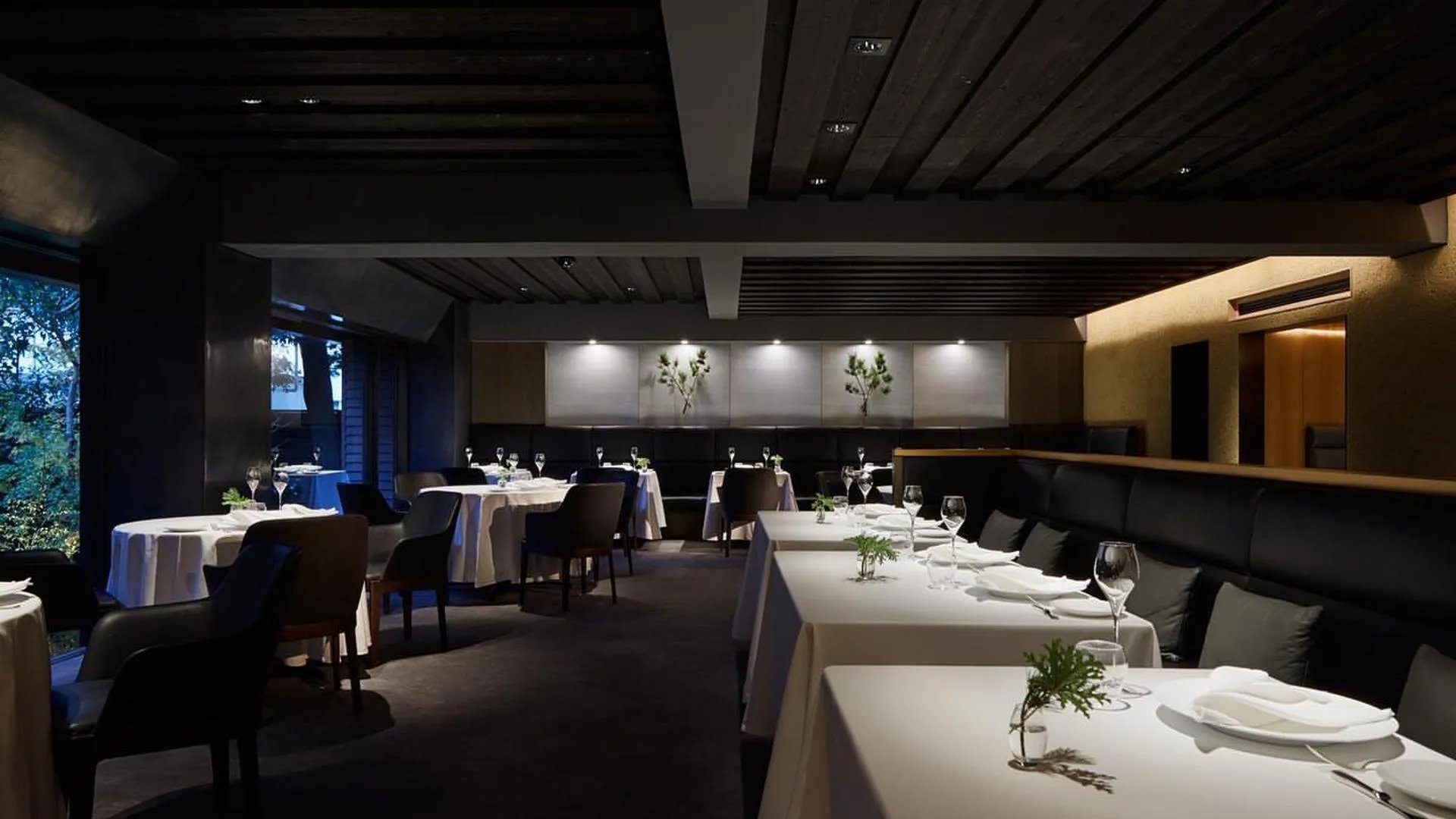
Small, dark, intimate counter-seating bar on the 9th floor with theatrical lighting focused on the bartender; orchestrated, precise atmosphere with minimal decoration emphasizing the craft.