Google: 4.5 · 620 reviews
La Foret
La Foret occupies a converted historic property on Bertram Road in the hills south of San Jose, placing it well outside the Silicon Valley restaurant corridor that defines most of Santa Clara County's dining scene. The setting alone separates it from the county's technology-campus dining culture, and its position in the Almaden Valley positions it as a destination rather than a convenience stop.
 Discover on Pearl
Pearl is the En Primeur Club membership app — saves, bookings, and concierge access live there. Same editors, same standards.
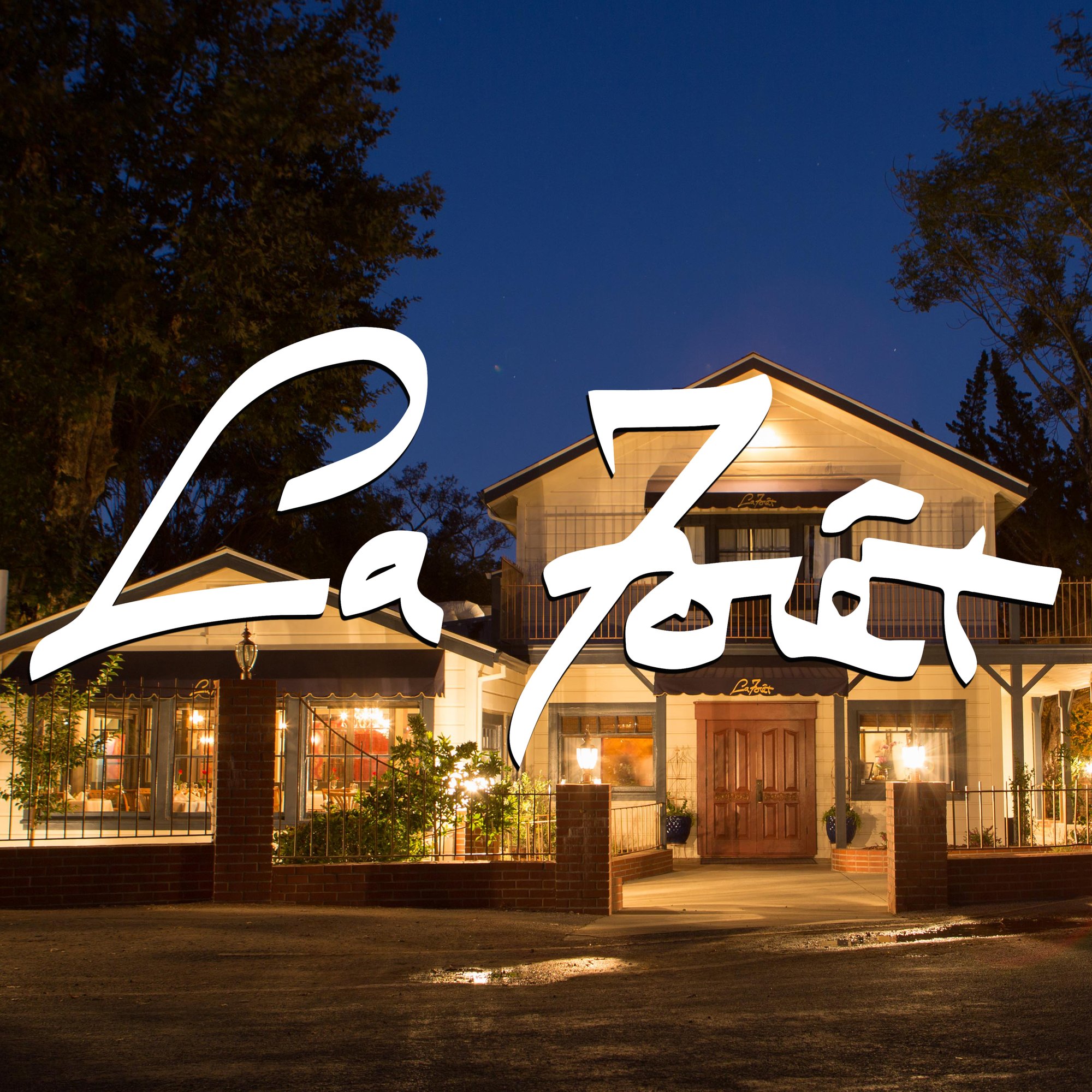
Arriving at the Edge of the Valley
Most of Santa Clara County's serious dining happens within a few miles of the highway corridors connecting San Jose to Palo Alto — dense, accessible, and largely oriented around the rhythms of the technology industry. La Foret sits outside that logic entirely. The address on Bertram Road places it in the Almaden Valley, a quieter reach of south San Jose where the land opens up and the built environment thins out. Getting there requires a deliberate choice, which shapes the character of the clientele and the pace of the experience before anyone has ordered a drink.
That kind of physical remove has a particular effect on the cocktail dynamic at a destination restaurant. When guests have made a forty-minute drive or a considered booking well in advance, they arrive in a different frame of mind than the drop-in bar crowd that sustains drink programs in urban cores. The bar at a venue like this serves a different function: it is where the evening begins to settle, where pre-dinner spirits conversation can be unhurried, and where the list needs to hold up to scrutiny from people who had time to think about what they wanted on the drive over.
The Cocktail Context in Silicon Valley
California's cocktail culture has developed along two distinct tracks over the past fifteen years. In San Francisco — roughly thirty miles north , venues like ABV in San Francisco have built technically ambitious drink programs that sit squarely in the ingredient-forward, technique-driven school that now defines West Coast bar culture at its upper tier. That approach , house-made syrups, barrel-aged spirits, precise dilution protocols , has spread southward, but Santa Clara County has never developed a dedicated cocktail bar scene to match what exists in the Bay Area proper.
That gap matters as context. Bars that anchor cocktail programs inside destination restaurants in suburban or semi-rural California settings are doing something categorically different from what Kumiko in Chicago or Jewel of the South in New Orleans are doing as standalone cocktail destinations. The reference points shift. The competition is not the next bar down the street; it is the wine list at the same table and the memory of the last time the guest sat at a serious bar in a city with a denser cocktail infrastructure. Meeting that standard requires more discipline, not less, precisely because the audience arrives with calibrated expectations and nowhere else to go afterward.
For a broader sense of how the county's dining scene is organized, the full Santa Clara County restaurants guide maps the range from the tech-corridor expense-account dining to the independent operators working in neighborhoods like Willow Glen and Almaden.
What a Destination Format Demands from a Bar Program
In American cocktail culture, destination-format bar programs have produced some of the most disciplined drink lists precisely because the stakes of a weak pour are higher. At Canon in Seattle, the spirits library runs to thousands of bottles and functions as a serious collector's reference. At Bar Leather Apron in Honolulu, the Japanese-influenced precision of the program justifies a standalone visit. At Julep in Houston, the focus on Southern spirits and regional identity makes the bar itself a point of culinary argument. These are programs where the creative vision is legible, where a signature drink communicates something about where and why you are drinking it.
The question any destination restaurant bar program answers , or fails to answer , is whether the cocktail list reads as an extension of a coherent sensibility or as a standard hospitality obligation. Lists that default to a Manhattan, a Negroni, and three seasonal variations occupy a middle ground that serves most guests adequately but rewards no one in particular. The stronger programs, whether at Bitter and Twisted in Phoenix or at Superbueno in New York City, use their drink list to make an argument: about regional ingredients, about technique, about what their specific location and audience can support.
A wooded, historically situated property in the Almaden hills has material to work with. The setting supports a drink vocabulary that references terroir, season, and the particular character of Northern California's oak-and-chaparral microclimates in ways that an urban bar cannot credibly claim. Whether the bar at La Foret presses that advantage is the operative question for anyone arriving with a serious interest in what is in the glass.
Positioning Within the County's Dining Tier
Santa Clara County's upper dining tier is smaller and less visible nationally than comparable tiers in Los Angeles or San Francisco. The absence of a concentrated fine dining corridor means that the restaurants operating at a destination level tend to function as local institutions rather than nationally tracked targets. That dynamic has advantages: the clientele is largely local and loyal, the pace is set by repeat visitors rather than tourist cycles, and the kitchen and bar teams work for a consistent audience rather than chasing recognition from passing critics.
Internationally, the comparison points that matter for this kind of wooded destination property are the French-influenced country house restaurants that shaped the category: venues where the drive through rural or semi-rural terrain is part of the experience, where the setting establishes the register before the food or drink arrives, and where the bar program needs to operate at the level of the dining room rather than as a secondary amenity. Properties like Allegory in Washington, D.C. and Bar Kaiju in Miami each demonstrate that a strong bar identity can coexist with a strong food identity; the choice to invest in one does not preclude investing in the other. And The Parlour in Frankfurt on the Main illustrates that a considered, restrained bar program can anchor the full character of a destination evening.
Planning a Visit
La Foret sits at 21747 Bertram Road in the Almaden Valley section of San Jose , a drive of roughly thirty to forty minutes from downtown San Jose or the northern parts of the county, depending on traffic on the 85 and 87 corridors. The property's location makes it a poor choice for an impromptu visit; arriving early to allow time at the bar before a reservation is the standard approach, and it shapes the experience materially. Given the venue's position in the county and the distance involved, a weeknight booking when the drive is faster and the room quieter may serve first-time visitors better than a weekend evening.
Continue exploring
More in Santa Clara
Bars in Santa Clara
Browse all →
Restaurants in Santa Clara
Browse all →
Hotels in Santa Clara
Browse all →
Wineries in Santa Clara
Browse all →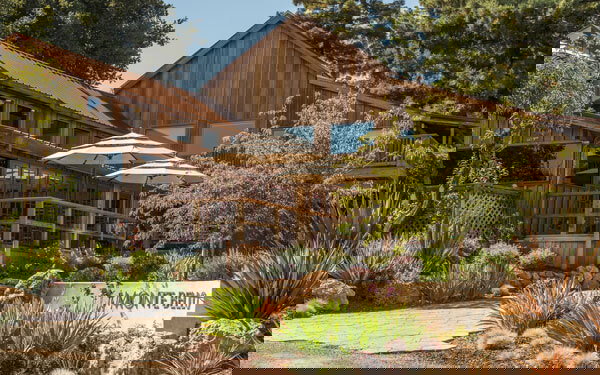
At a Glance
- Romantic
- Elegant
- Classic
- Intimate
- Scenic
- Date Night
- Special Occasion
- Celebration
- Private Event
- Historic Building
- Garden
- Terrace
- Standalone
- Seated Bar
- Lounge Seating
- Private Rooms
- Outdoor Terrace
- Craft Cocktails
- Conventional Wine
- Garden
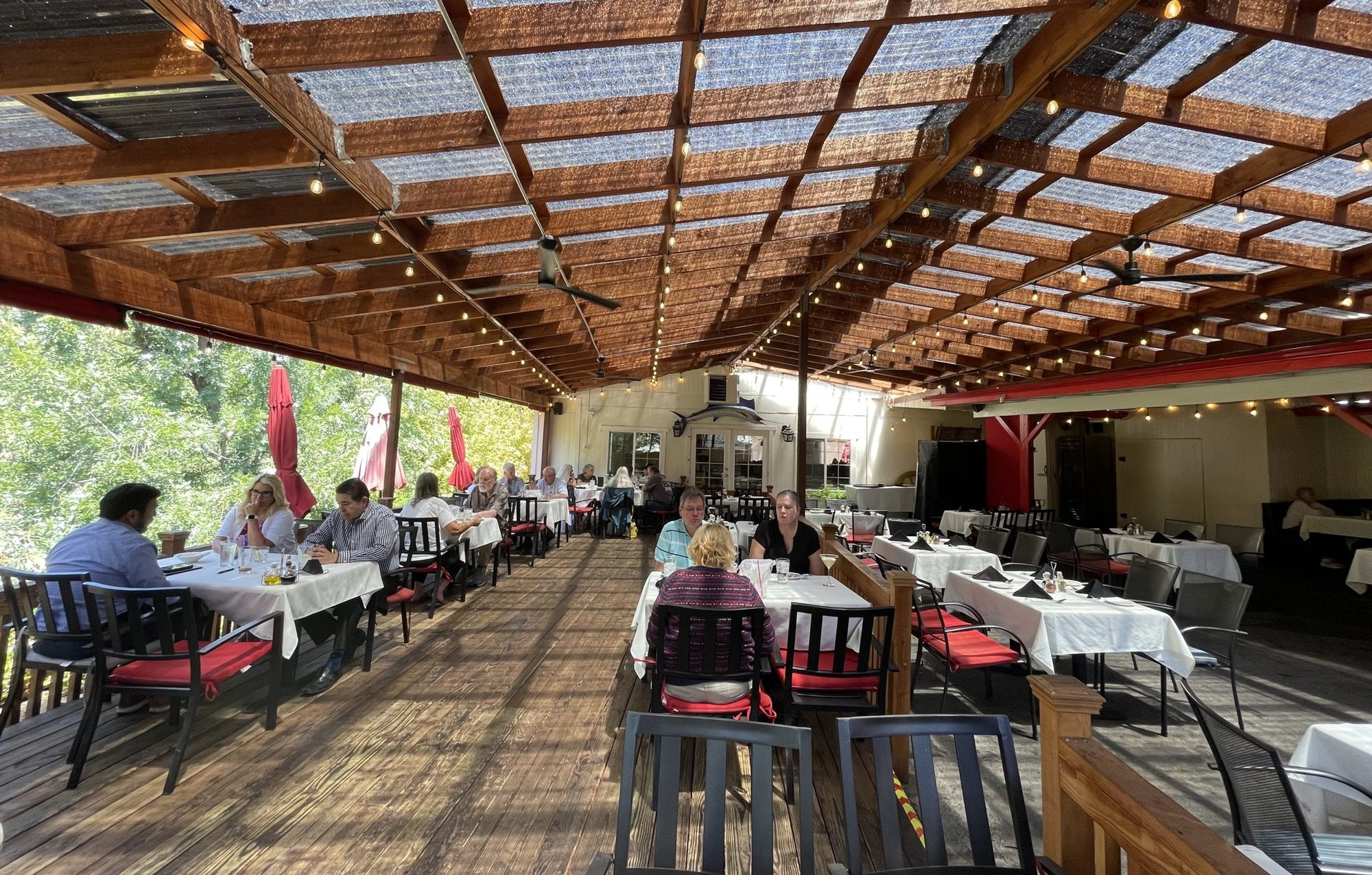
Dimly lit, romantic old country setting with creekside views and lush gardens; intimate and sophisticated atmosphere perfect for special occasions.