Kyatchi
On Nicollet Avenue's southside corridor, Kyatchi operates where Japanese technique meets the Midwest pantry — a format that has found a committed local following in Minneapolis's evolving restaurant scene. The address at 3758 Nicollet Ave places it within a stretch that rewards deliberate exploration rather than foot traffic, making it a reference point for the city's appetite for global methods applied to regional context.
Pearl is the En Primeur Club membership app — saves, bookings, and concierge access live there. Same editors, same standards.
- Address
- 3758 Nicollet Ave, Minneapolis, MN 55409
- Phone
- +1 612 236 4429
- Website
- kyatchi.com
- Directions
- Get directions
 Saves & bookings on Pearl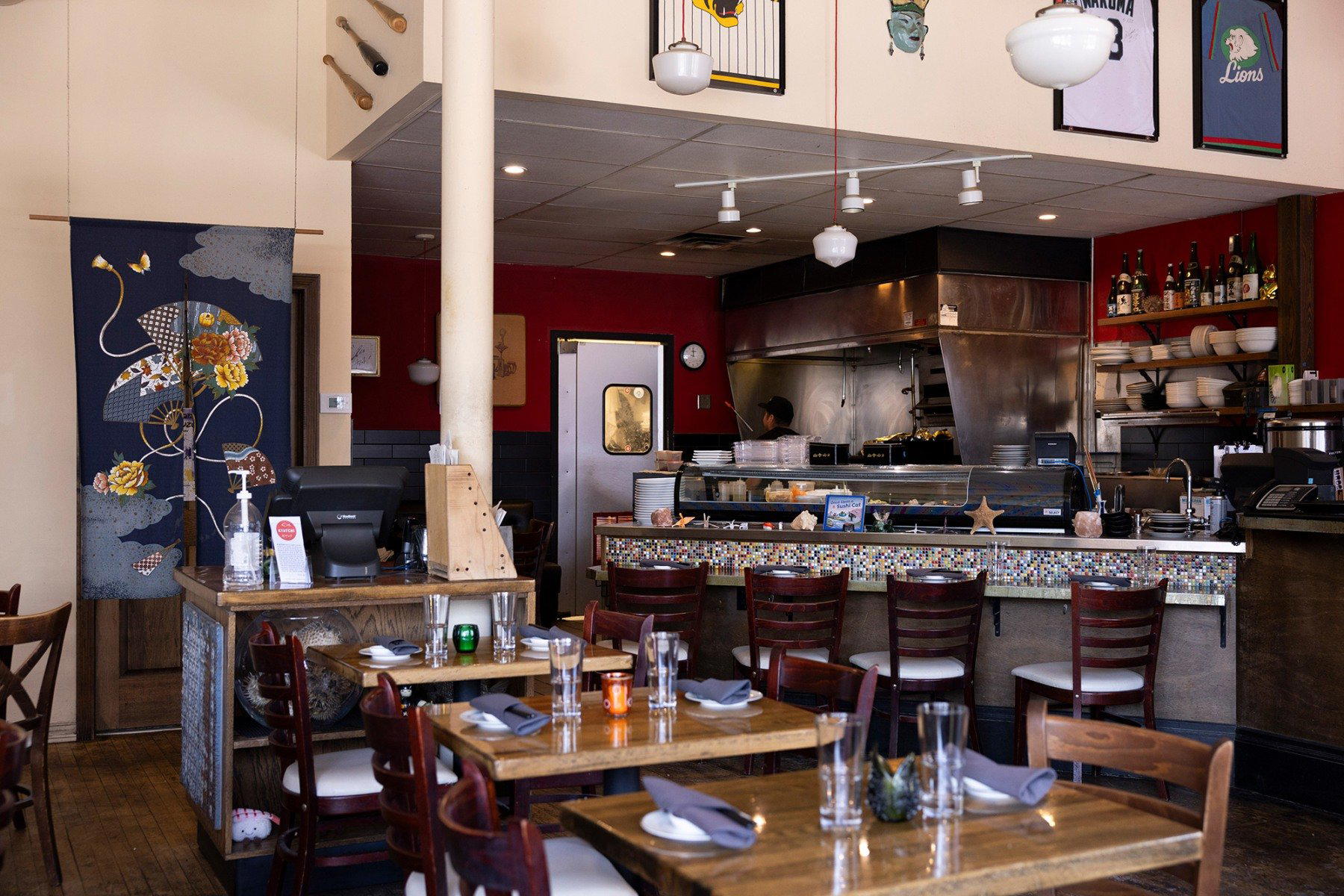
Nicollet Avenue and the Southside Corridor
Minneapolis's Nicollet Avenue south of Lake Street has a different character from the Downtown dining cluster or the Northeast arts-district concentration. The blocks between Lake and 38th run through residential Minneapolis rather than tourist Minneapolis, which means the restaurants here survive on neighborhood loyalty rather than hotel overflow or convention traffic. The corridor rewards those who look past the strip-mall exteriors and unremarkable signage — a pattern familiar in mid-sized American cities where the most committed cooking happens in spaces that make no architectural argument for themselves.
Kyatchi sits at 3758 Nicollet Ave inside that logic. The address tells you something before you step through the door: this is a place built for the people who live nearby and come back regularly, not a destination constructed around a single viral moment. That distinction matters when thinking about how Japanese-inflected cooking has taken root in a city that lacks the dense Japanese-American community infrastructure of Los Angeles or Seattle, yet has developed a real appetite for precision-forward cuisine over the past decade.
Japanese Technique in the Upper Midwest
The broader question that venues like Kyatchi raise is what happens when Japanese culinary methodology — knife discipline, umami-forward seasoning, attention to temperature and texture, encounters a Midwestern ingredient base that is shaped by cold-climate agriculture, freshwater proximity, and a food culture more accustomed to Scandinavian and German influences than East Asian ones. The intersection is less contradictory than it sounds. Japanese cooking's emphasis on drawing out the inherent character of a primary ingredient, rather than masking it, translates reasonably well to a region where walleye, wild rice, beets, and root vegetables have genuine flavor worth preserving.
Across American cities, this meeting of imported technique and local product has produced a distinct category of restaurant that operates between the poles of strict authenticity and casual fusion. At one end, counters like those in Chicago's River North, venues such as Kumiko in Chicago, apply Japanese precision to cocktail and beverage programs. At the other end, broader American regional flavors absorb Japanese method without foregrounding it. Kyatchi operates somewhere in that middle range: the format is legible, the Japanese references are present, but the daily reality is cooking that speaks to a Minneapolis neighborhood audience.
The Southside Dining Pattern
Understanding where Kyatchi sits requires a quick map of Minneapolis's restaurant distribution. Downtown and the North Loop hold the larger investments: multi-concept operators, hotel dining rooms, and bars with substantial craft programs. The Eat Street designation along Nicollet between 15th and 29th captures a denser international strip. The southside corridor, where Kyatchi operates, is different in character, lower overhead, longer relationships with the surrounding blocks, menus that adjust to what a repeat visitor wants rather than what photographs well for a first-timer.
Compare that to what other Minneapolis anchors are doing. 112 Eatery built its identity on late-night accessibility and a menu that collapsed the boundaries between casual and refined. The 5-8 Club operates as a diner-register institution with a different kind of community function. All Saints Restaurant represents the neighborhood-bistro mode that has proliferated in the southside over the past few years. Kyatchi's Japanese-method positioning is a distinct move within this map, specific enough to carry an identity, broad enough to serve the neighborhood's varying appetites.
Global Method, Local Register
The editorial angle worth pressing on is technique transfer. Japanese cuisine is one of the most systematized culinary traditions in the world, with clearly documented hierarchies of training, regional differentiation, and method codification. When those methods migrate to Minneapolis, whether through formal training, cook-stage experience, or extended engagement with the literature and practice, they arrive already bundled with expectations about sourcing, process, and presentation discipline.
What Midwestern sourcing offers in return is a specific kind of seasonality. The Upper Midwest's growing season is compressed and intense, which means peak-season produce arrives with concentrated flavor and a short window. Winter demands a different pantry logic: preserved, fermented, cured. Both of those rhythms have direct analogs in Japanese culinary tradition, the spring-to-summer kaiseki progression, the pickled and fermented accent flavors that anchor dashi-based cooking. The fit is less improbable than geography would suggest.
For context on how this technique-transfer model plays in cities with stronger Japanese-American heritage, Bar Leather Apron in Honolulu operates in a market where Japanese influence is structural rather than imported, while Superbueno in New York City applies a parallel model of Latin-method transfer to a different regional tradition. The mechanics of importing a culinary framework into a city with a different food history are broadly similar across these cases: the method brings discipline, the local context brings material and audience.
Planning Your Visit
Kyatchi's Nicollet Avenue address is accessible by the 18 bus line, which runs the full length of Nicollet from downtown. Street parking on the southside corridor is generally available outside peak dinner hours, though weekend evenings on this stretch can require a short walk. For visitors building a longer Minneapolis evening, Able Seedhouse + Brewery offers a pre-dinner or post-dinner option in the Northeast quadrant for those willing to cross the city. The southside itself has limited late-night bar programming, so coordinating timing around Kyatchi's service window is worth planning ahead.
For broader context on how Minneapolis's restaurant geography has developed and where different neighborhood clusters sit relative to each other, the full Minneapolis restaurants guide maps the current state of the scene with more granular neighborhood breakdowns. Those planning a multi-city itinerary that extends beyond Minneapolis can trace the Japanese-influence thread through venues like Jewel of the South in New Orleans, Julep in Houston, ABV in San Francisco, or The Parlour in Frankfurt, each operating in a different city context but sharing the common thread of imported methodology applied to local material.
Continue exploring
More in Minneapolis
Bars in Minneapolis
Browse all →
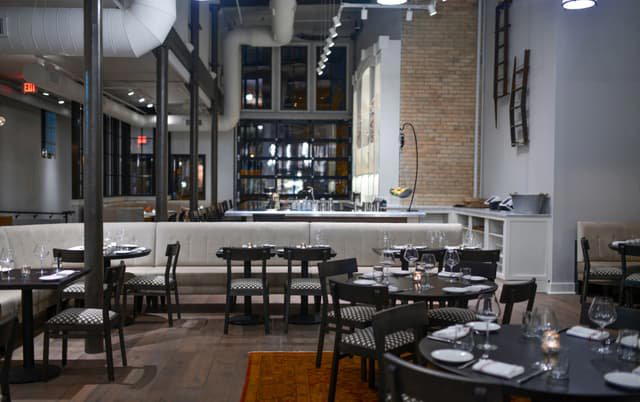
Restaurants in Minneapolis
Browse all →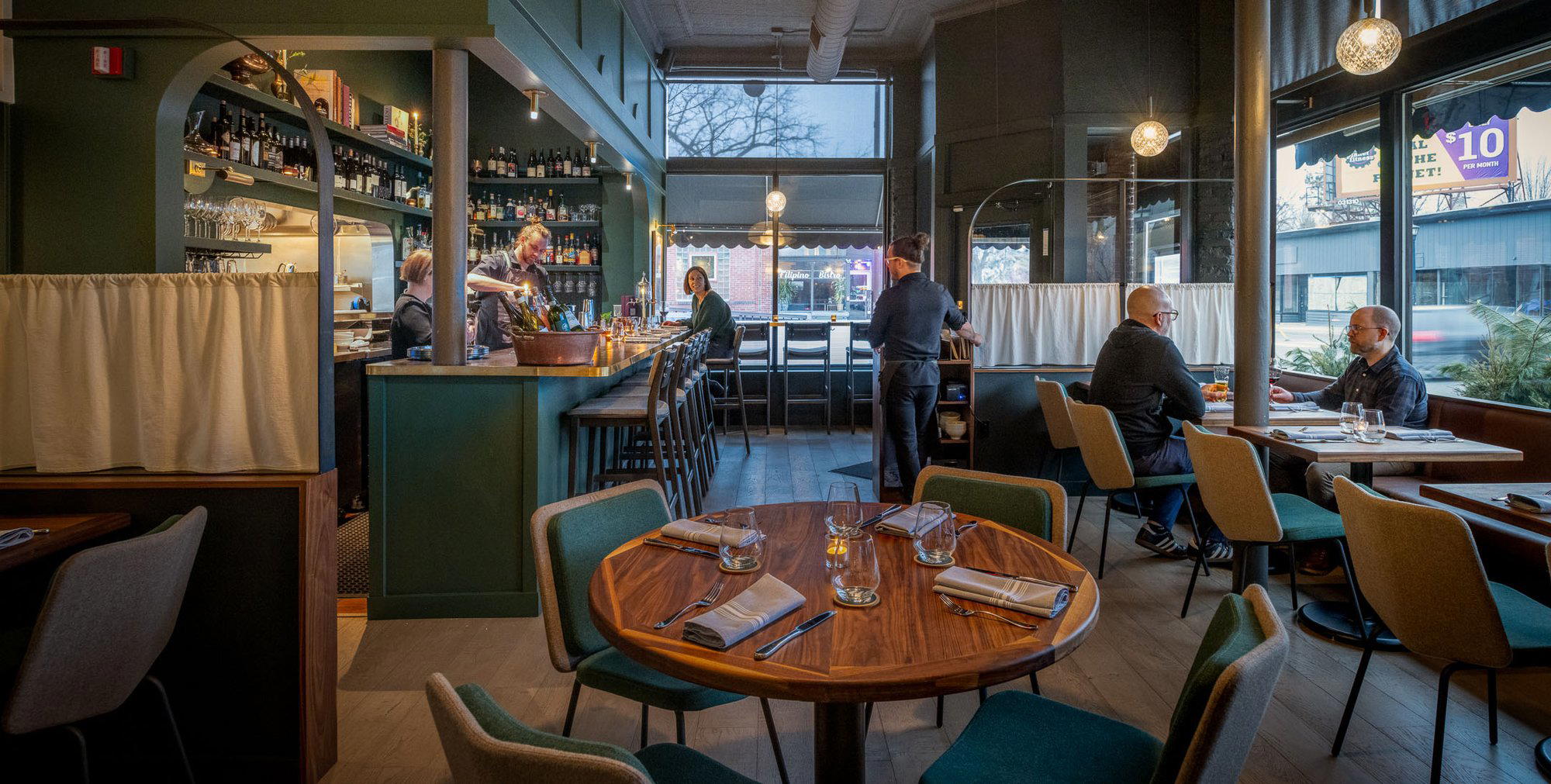
At a Glance
- Trendy
- Cozy
- Modern
- Date Night
- Group Outing
- Casual Hangout
- Standalone
- Seated Bar
- Booth Seating
- Sake
- Conventional Wine
Current opening hours
- Monday
- 4–9 PM
- Tuesday
- 4–9 PM
- Wednesday
- 4–9 PM
- Thursday
- 4–9 PM
- Friday
- 4–11 PM
- Saturday
- 12–11 PM
- Sunday
- 12–9 PM
Hours can change for holidays and private events. Last verified .
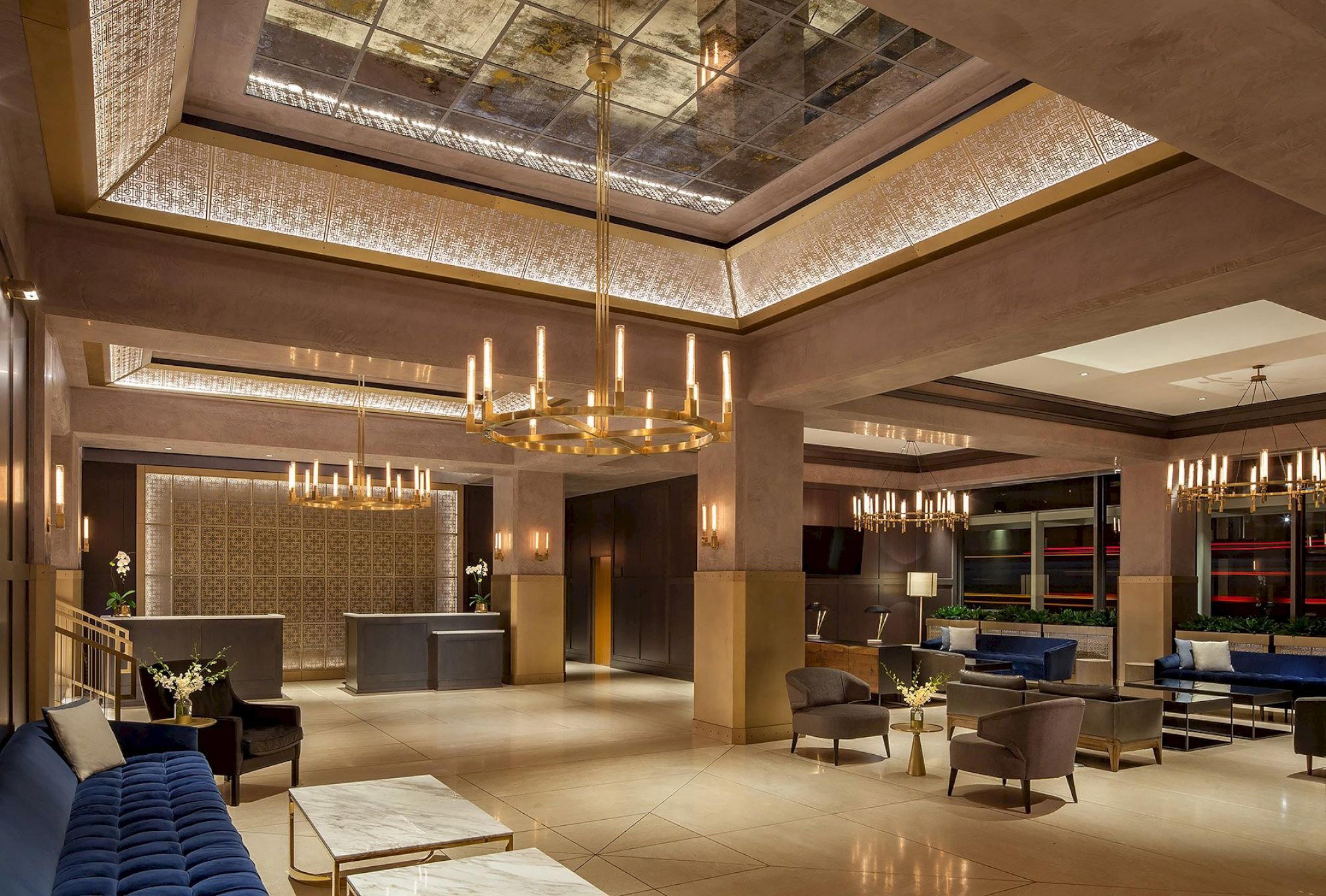
Friendly, relaxing atmosphere with fun decor.
Know Before You Go
- Getting there
- 3758 Nicollet Ave, Minneapolis, MN 55409