Koi Kawa Japanese Restaurant
Koi Kawa Japanese Restaurant on Broadway sits within San Antonio's Alamo Heights corridor, where the city's Japanese dining options have quietly expanded beyond the downtown core. The address places it alongside a stretch of neighbourhood restaurants drawing regulars from the surrounding residential blocks. For those tracing San Antonio's growing appetite for Japanese cuisine, it represents a point on a developing map.
Pearl is the En Primeur Club membership app — saves, bookings, and concierge access live there. Same editors, same standards.
- Address
- 4051 Broadway, San Antonio, TX 78209
- Phone
- +1 210 805 8111
- Website
- koikawasushi.com
- Directions
- Get directions
 Saves & bookings on Pearl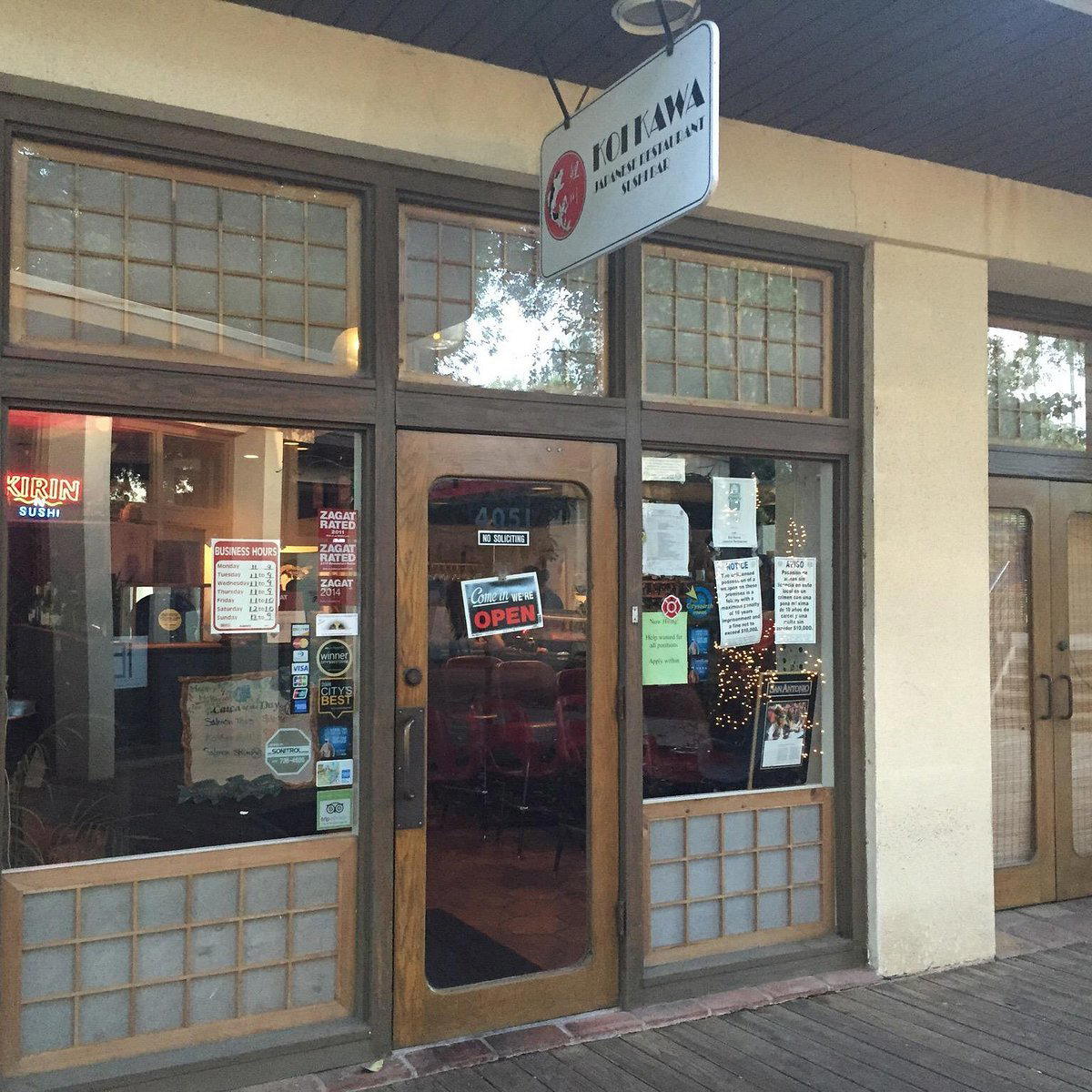
Broadway's Quiet Pivot Toward Japanese Dining
Koi Kawa Japanese Restaurant is a Japanese restaurant at 4051 Broadway in San Antonio, Texas,457 reviews. which makes the Broadway corridor in Alamo Heights a useful place to watch. The stretch running north from downtown through 78209 has accumulated enough independent restaurants over the past decade to form something resembling a dining district, one built on neighbourhood loyalty rather than tourist traffic. Koi Kawa Japanese Restaurant at 4051 Broadway sits inside that pattern: a Japanese address in a zip code better known for its Mexican and New American restaurants, drawing from a residential catchment that values proximity and consistency over destination dining theatre.
In cities where Japanese cuisine has matured beyond the sushi-and-teriyaki shorthand, one instructive comparison is usually between the downtown omakase tier and the neighbourhood Japanese format. San Antonio still has limited representation at the high-end omakase level compared to Texas peers, which means mid-register Japanese restaurants carry more of the scene's weight. They are where regular diners build their relationship with the cuisine, where sourcing decisions become visible in the everyday rather than only in the ceremonial, and where a kitchen's commitment to ingredient quality becomes legible over multiple visits rather than a single set menu.
Ingredient Provenance and What It Signals in the Japanese Tradition
The conversation around Japanese restaurant quality in the United States has shifted substantially since the mid-2010s, when proximity to a major fish market was often cited as the primary credential for any serious Japanese kitchen. That logic still holds at the summit of the market, but it has been complicated by the expansion of premium distribution networks and the arrival of domestic producers, particularly in farmed seafood and specialty agriculture, who have made consistent quality more accessible outside the coastal gateway cities.
For a Japanese restaurant operating on Broadway in San Antonio, the relevant sourcing question is less about whether ingredients arrive from Japan and more about which distributors and supply relationships the kitchen has built. Texas has its own Gulf seafood infrastructure, and the question of whether a kitchen is drawing on that regional supply or importing from Japanese or Pacific Northwest sources shapes both the menu's character and its price positioning. Restaurants that have invested in direct sourcing relationships tend to show it not in dramatic marketing language but in the specificity of what appears on the menu at a given time of year, a narrower fish selection in certain months, different cut availability based on what the distributor is moving, seasonal adjustments that reflect actual supply rather than a fixed printed card.
This is the detail worth watching at any neighbourhood Japanese restaurant, and it applies to Koi Kawa as it does to its peers across the city. San Antonio's position relative to the Gulf means that certain sourcing conversations are more available here than in landlocked markets, and restaurants that engage with that geography, even partially, tend to produce more seasonally coherent menus than those running on a purely imported or frozen supply chain.
The Alamo Heights Context
The 78209 zip code has a clear dining character: it favours operators who have been in the neighbourhood long enough to build trust, and it rewards consistency over novelty. Turnover on the Broadway strip is lower than in the Pearl district or the downtown core, which means restaurants that have established themselves on that corridor tend to do so by becoming part of the week-to-week routine for nearby residents rather than by chasing seasonal visitors.
For San Antonio's wider dining picture, Japanese dining remains a smaller share of the overall restaurant count, which gives individual operators more room to define the format for their particular neighbourhood. The Japanese category remains a smaller share of the overall restaurant count, which gives individual operators more room to define the format for their particular neighbourhood.
Drinks: Reading a Japanese Restaurant's Cocktail Program
Japanese restaurant cocktail programs in the United States tend to resolve into one of three formats: a short sake and Japanese whisky list designed to complement the food without competing with it; a broader cocktail menu that integrates Japanese spirits and flavour profiles into more familiar American formats; or a minimal bar program where beer and sake do most of the work. The format a restaurant chooses signals something about its intended experience and its diner profile.
At neighbourhood Japanese restaurants operating at the mid-register price point, particularly consistent recommendation across diner feedback tends to be the sake selection rather than a specific cocktail, because sake pairing is where the kitchen's sourcing philosophy most directly meets the bar. A well-chosen junmai or nigori alongside a shared sashimi plate is the interaction that Japanese dining in this format does better than any cocktail approximation. For readers interested in how Japanese spirits are being used more ambitiously in cocktail programs, comparisons are worth drawing with bars like Kumiko in Chicago, where Japanese ingredients are integrated into a full cocktail architecture, or Bar Leather Apron in Honolulu, where the Pacific proximity shapes the spirits program in ways that mainland operators rarely replicate.
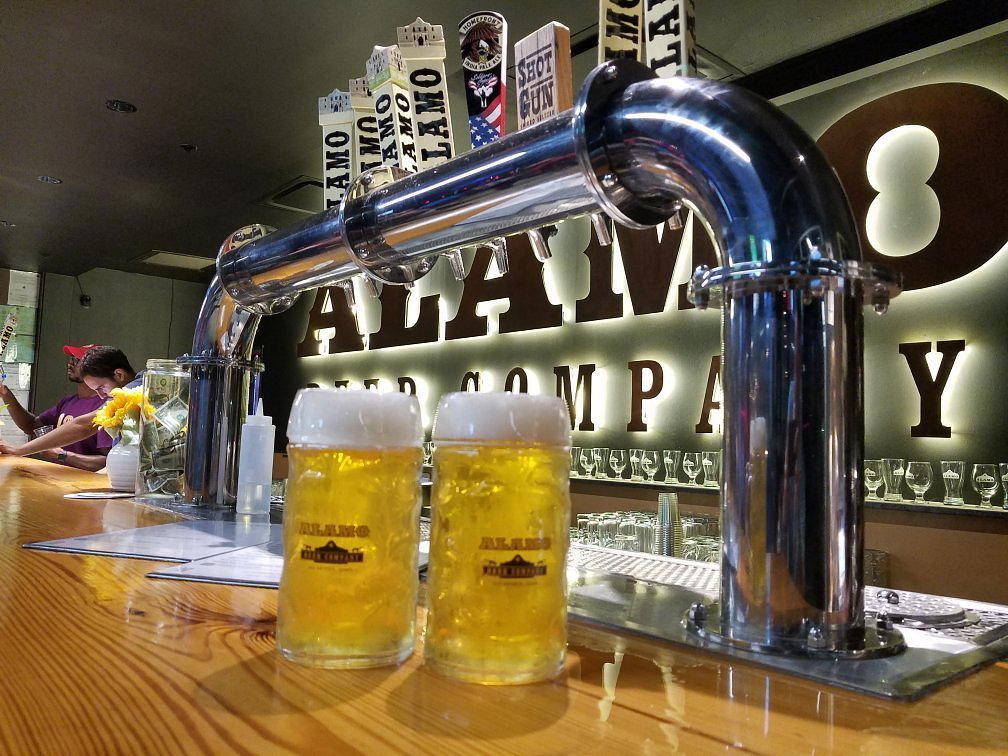
Within San Antonio's own bar scene, the reference points skew toward different traditions. Bar 1919 and 1Watson represent the city's more serious cocktail programming, while Alamo Beer Company and Aleteo operate at different registers of the drinks-led experience. For Japanese-inflected cocktail approaches at a national level, ABV in San Francisco, Julep in Houston, Superbueno in New York City, Jewel of the South in New Orleans, and The Parlour in Frankfurt on the Main each represent distinct approaches to how a serious bar program integrates non-Western spirit traditions.
Planning Your Visit
Koi Kawa is located at 4051 Broadway, San Antonio, TX 78209, in the Alamo Heights corridor north of downtown. The address is accessible by car with street and lot parking typical of this stretch of Broadway. Given the neighbourhood-restaurant model that defines this part of the city, the practical approach is to visit on a weeknight to read the room at lower volume before committing to a weekend table.
A Quick Peer Check
Comparable venues nearby, for context on price, style, and recognition.
| Venue | Cuisine | Price | Notes |
|---|---|---|---|
| Koi Kawa Japanese RestaurantThis venue — the venue you are viewing | Bar | $$$ | Not listed |
| Jazz, TX | lounge | $$$ | River North District |
| Chika - Omakase | sake_bar | $$$$ | Tobin Hills |
| Niki's Tokyo Inn | sake_bar | $$ | Monte Vista Historical District |
| Paramour At The Phipps | rooftop_bar | $$$ | River North District |
| Tenfold Rooftop | rooftop_bar | $$$ | La Villita District |
Continue exploring
More in San Antonio
Bars in San Antonio
Browse all →
Restaurants in San Antonio
Browse all →
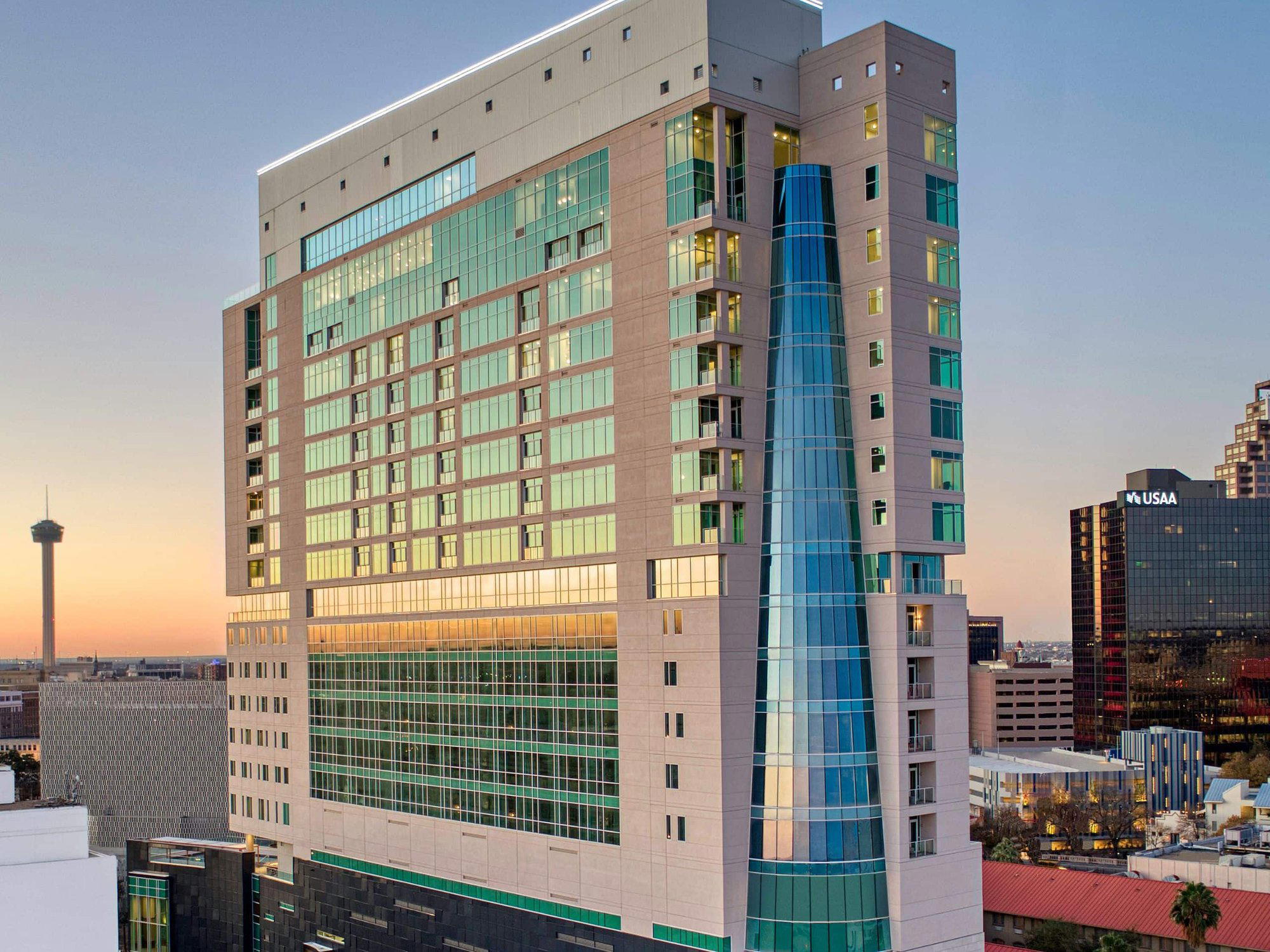
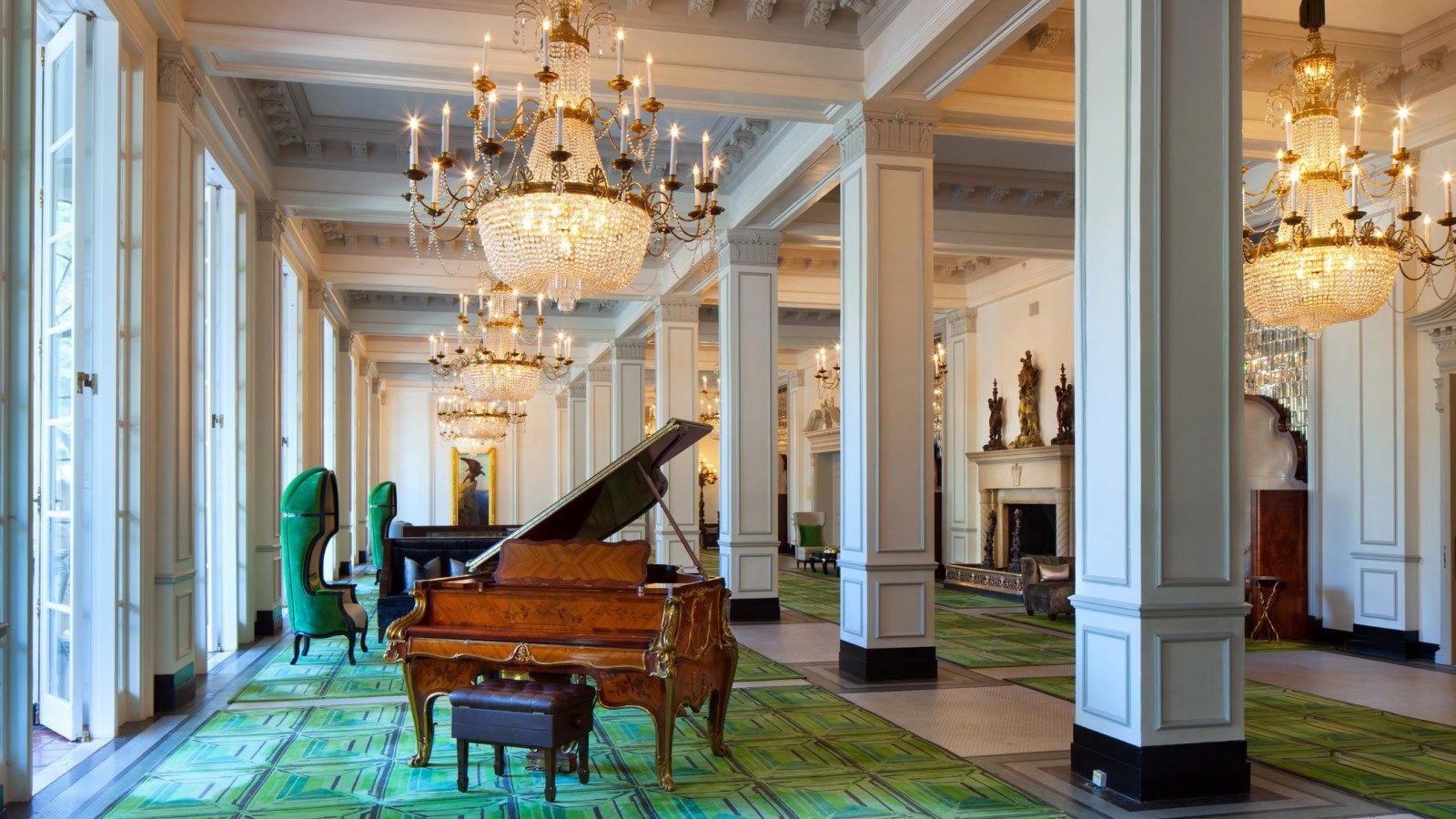
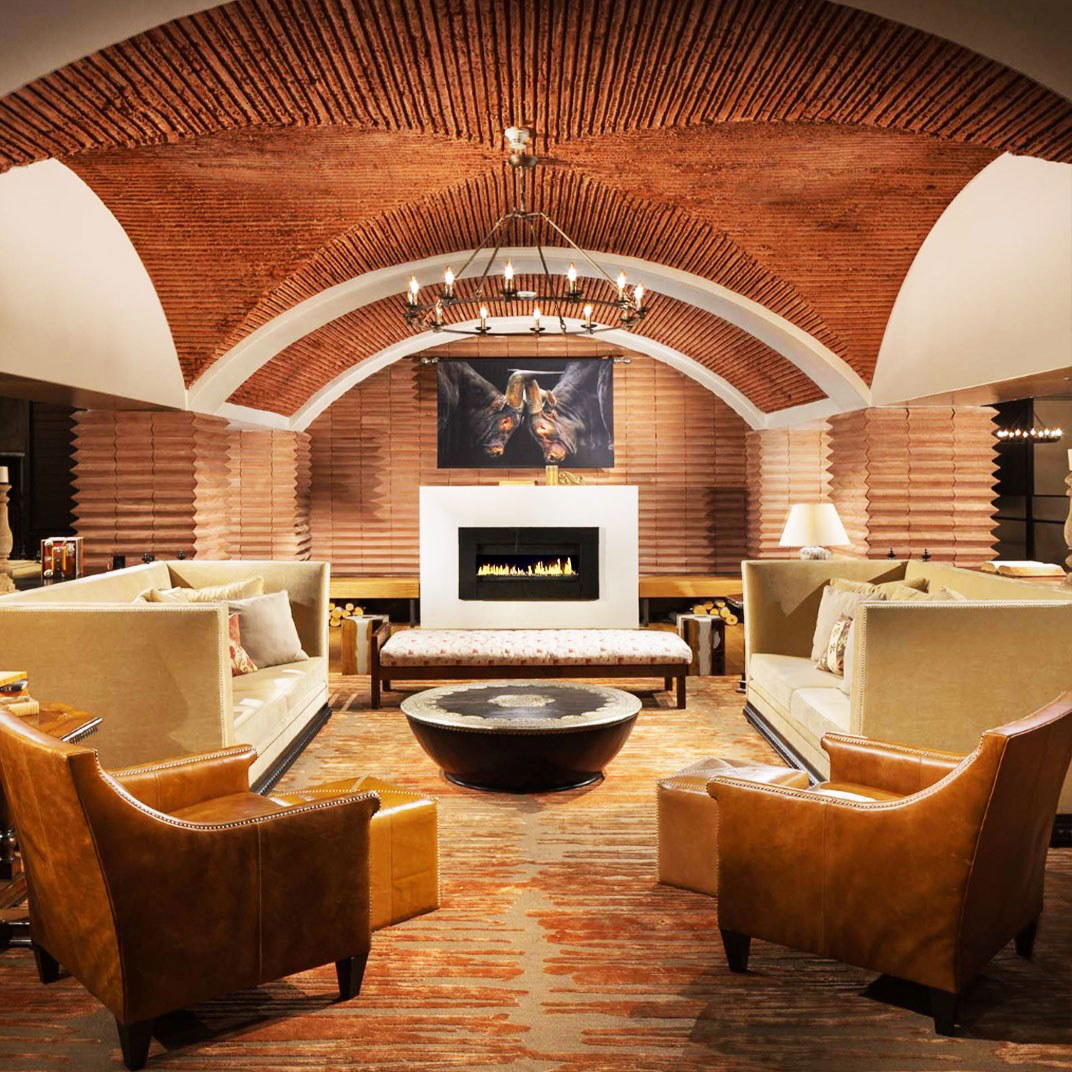
Hotels in San Antonio
Browse all →

Wineries in San Antonio
Browse all →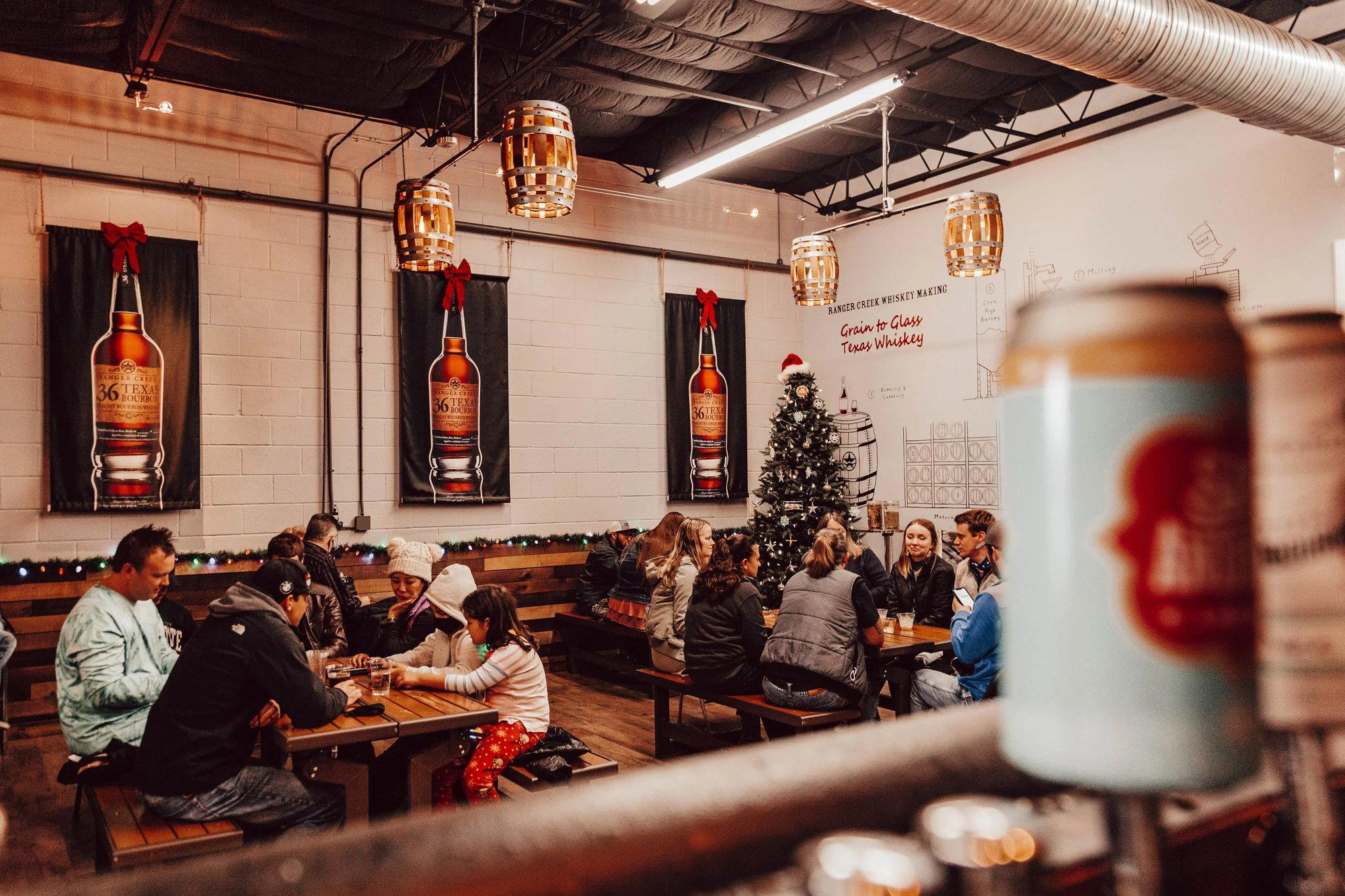
At a Glance
- Cozy
- Date Night
- Sake
- Street Scene
Current opening hours
- Monday
- Closed
- Tuesday
- 11 AM–9 PM
- Wednesday
- 11 AM–9 PM
- Thursday
- 11 AM–9 PM
- Friday
- 11 AM–10 PM
- Saturday
- 12–10 PM
- Sunday
- 12–9 PM
Hours can change for holidays and private events. Last verified .
Nice atmosphere, laid back with big windows overlooking the river and park, though noisy at lunch.