Google: 4.6 · 932 reviews
Jeffrey's Grocery
A West Village neighborhood anchor at 172 Waverly Place, Jeffrey's Grocery occupies the quieter, more residential end of the city's casual-dining spectrum — the kind of corner spot where the oyster program draws as much attention as the wine list. The room is small, the crowd is local, and the format sits closer to a well-stocked neighborhood bar than a formal restaurant.
 Discover on Pearl
Pearl is the En Primeur Club membership app — saves, bookings, and concierge access live there. Same editors, same standards.
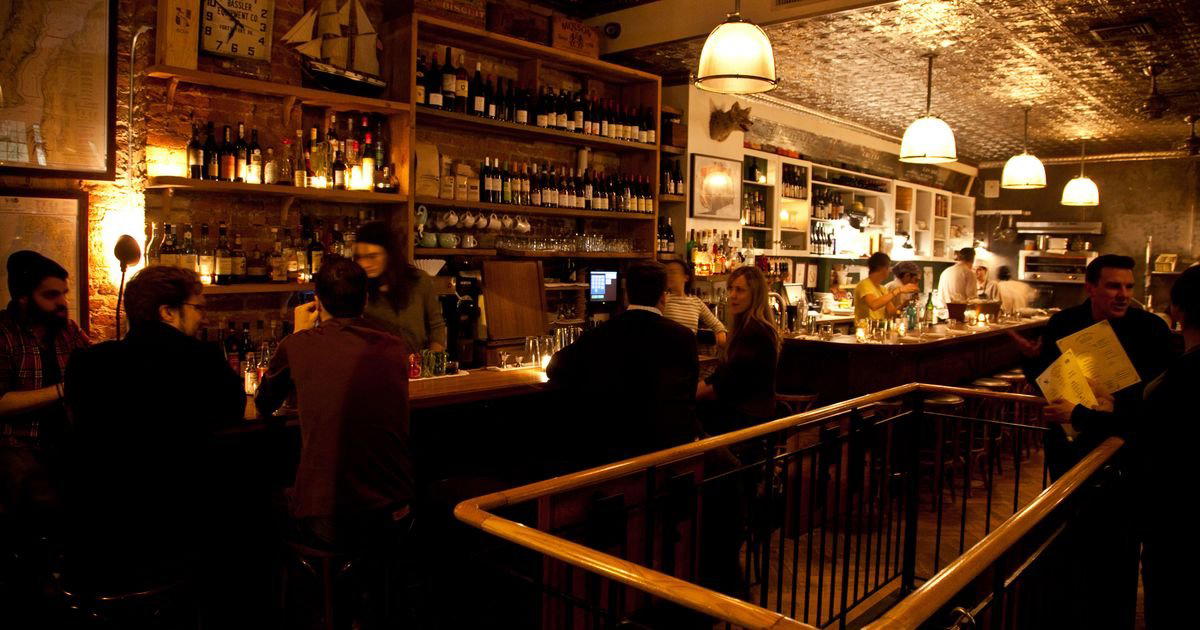
A West Village Corner, Decades in the Making
West Village dining has always operated on a different register than the rest of Manhattan. The streets narrow, the buildings drop to four and five stories, and the restaurants that survive long enough to matter tend to do so because they become genuinely useful to the people who live within walking distance. Jeffrey's Grocery, at 172 Waverly Place, belongs to that tradition. It opened in a converted corner space and has since become one of those West Village addresses that locals reference as a baseline — the kind of place you bring out-of-towners not because it is a destination in the conventional sense, but because it captures something true about how the neighborhood actually eats and drinks.
The format sits in a category that New York has always done well: the serious neighborhood spot that is neither a white-tablecloth occasion nor a casual afterthought. These rooms typically carry a tight but considered wine list, a raw bar component, and a menu that leans seasonal without announcing it. Jeffrey's Grocery fits that template, and its Waverly Place address places it in a cluster of similarly-minded establishments that reward repeat visits over single-occasion dining.
What the Room Feels Like
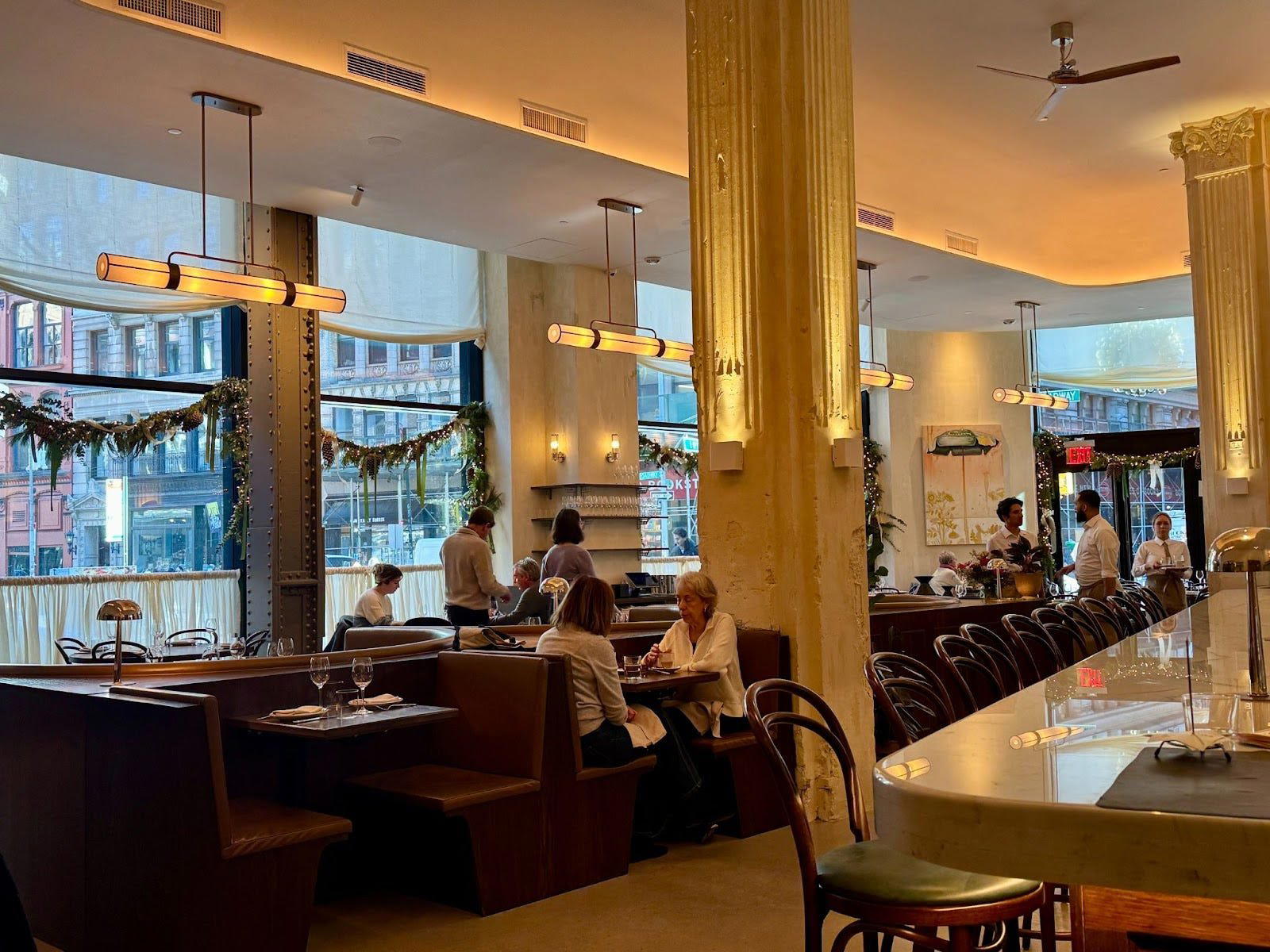
The sensory experience at Jeffrey's Grocery is defined by compression. The room is small — the kind of scale where you are aware of the table next to yours, where the bar is genuinely central to the experience rather than a waiting area, and where the light sits low enough in the evening that the whole space contracts into something close and a little warm. This is characteristic of the older West Village dining rooms, many of which were carved from street-level retail or converted from storefront groceries and bodegas.
At a room like this, sound matters. The ambient noise level tends to run higher than the size of the space would suggest, partly because the architecture offers little acoustic absorption and partly because the crowd is there to talk. The oyster bar component, where it operates, adds a percussive undercurrent, the crack and scrape of shells, the brief hiss of ice shifting. The kitchen, close to open in most rooms of this format, adds its own layer: the background of a working line, a reminder that food is being produced rather than assembled.
This kind of atmospheric density is not for every occasion. It rewards the early-evening drink that turns into dinner more than it rewards a planned, occasion-style meal. Regulars at comparable West Village spots, Amor y Amargo a few blocks away operates on a similarly intimate, counter-focused format, tend to time their visits for the shoulder of the evening, before the room fills completely and the noise floor climbs.
The Oyster Program as Organizing Principle
Raw bars have become a reliable signal in New York's mid-tier dining market. They indicate a kitchen willing to source carefully, a bar program confident enough to stand alongside something briny and cold, and a crowd that knows how to eat standing up or perched on a stool. Jeffrey's Grocery has built a significant portion of its reputation on its oysters, and that focus places it in a specific peer group of New York rooms where the shellfish component is as much a draw as the cooked menu.
The broader West Village context supports this. The neighborhood's dining identity has long included a French-adjacent sensibility, the preference for simple preparations, good product, and wine that doesn't require explanation. A strong oyster program fits that framework naturally. It also creates a particular kind of evening: you start at the raw bar, you move through the wine list, and the cooked food arrives as a continuation rather than a main event. For those accustomed to the format at comparable downtown spots, the rhythm is familiar.
Drinks and the Bar's Role
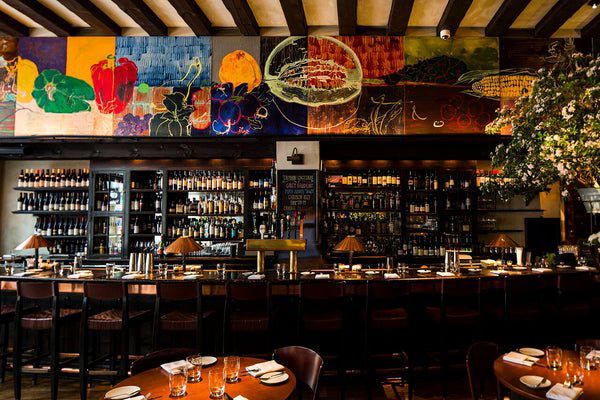
In a room where the bar is central to the layout, the drinks program carries proportionally more weight. New York's cocktail scene has moved considerably over the past decade, from the hidden-door speakeasy model toward more transparent, technically grounded programs. Bars like Attaboy NYC and Angel's Share represent different nodes of that evolution, the former built around riffing off guest preferences, the latter around a quieter, more deliberate Japanese-influenced approach. Jeffrey's Grocery sits outside that specialist cocktail tier, operating instead as a wine-and-oyster room where the bar serves the food rather than competes with it.
That distinction matters for how you plan your visit. If the drinks program is the primary draw, rooms like Superbueno in the West Village orbit offer a more cocktail-forward experience. Jeffrey's Grocery is better understood as a place where a glass of muscadet or chablis accompanies a plate of oysters, and the evening builds from there. Comparable formats exist across American cities: Kumiko in Chicago, ABV in San Francisco, and Jewel of the South in New Orleans each operate in different register but share the same underlying logic, a room where food and drink are genuinely integrated rather than parallel programs. Even further afield, Bar Leather Apron in Honolulu, Julep in Houston, Allegory in Washington, D.C., and The Parlour in Frankfurt each represent the same principle operating in their respective markets.
Planning Your Visit
172 Waverly Place sits on a residential corner in the West Village, a short walk from the Christopher Street subway station on the 1 line. The neighborhood is among the more walkable in lower Manhattan, and the surrounding blocks hold enough comparable options, from the full New York City restaurant and bar guide covers the broader context, to make the area worth an extended evening rather than a single stop. Reservations at rooms of this size and profile are advisable on weekends; the format rewards weekday visits when the noise floor drops and the bar is more accessible. Walk-ins at the raw bar counter remain the preferred mode of entry for regulars, particularly in the early part of the evening before the room turns over to full dinner service.
The dress code, where one exists at all at a room of this type, tends toward the West Village standard: put-together but not formal, the kind of clothes you'd wear to a good wine shop with tables. The price positioning places Jeffrey's Grocery in the mid-range for serious downtown dining, above the neighborhood trattoria tier, but well below the occasion-dining rooms that have proliferated in the Meatpacking District a few blocks west.
Pricing, Compared
A quick snapshot of similar venues for side-by-side context.
| Venue | Awards |
|---|---|
| Jeffrey's GroceryThis venue — the venue you are viewing | |
| The Long Island Bar | World's 50 Best |
| Dirty French | |
| Superbueno | World's 50 Best |
| Amor y Amargo | World's 50 Best |
| Angel's Share | World's 50 Best |
Continue exploring
More in New York City
Bars in New York City
Browse all →

Restaurants in New York City
Browse all →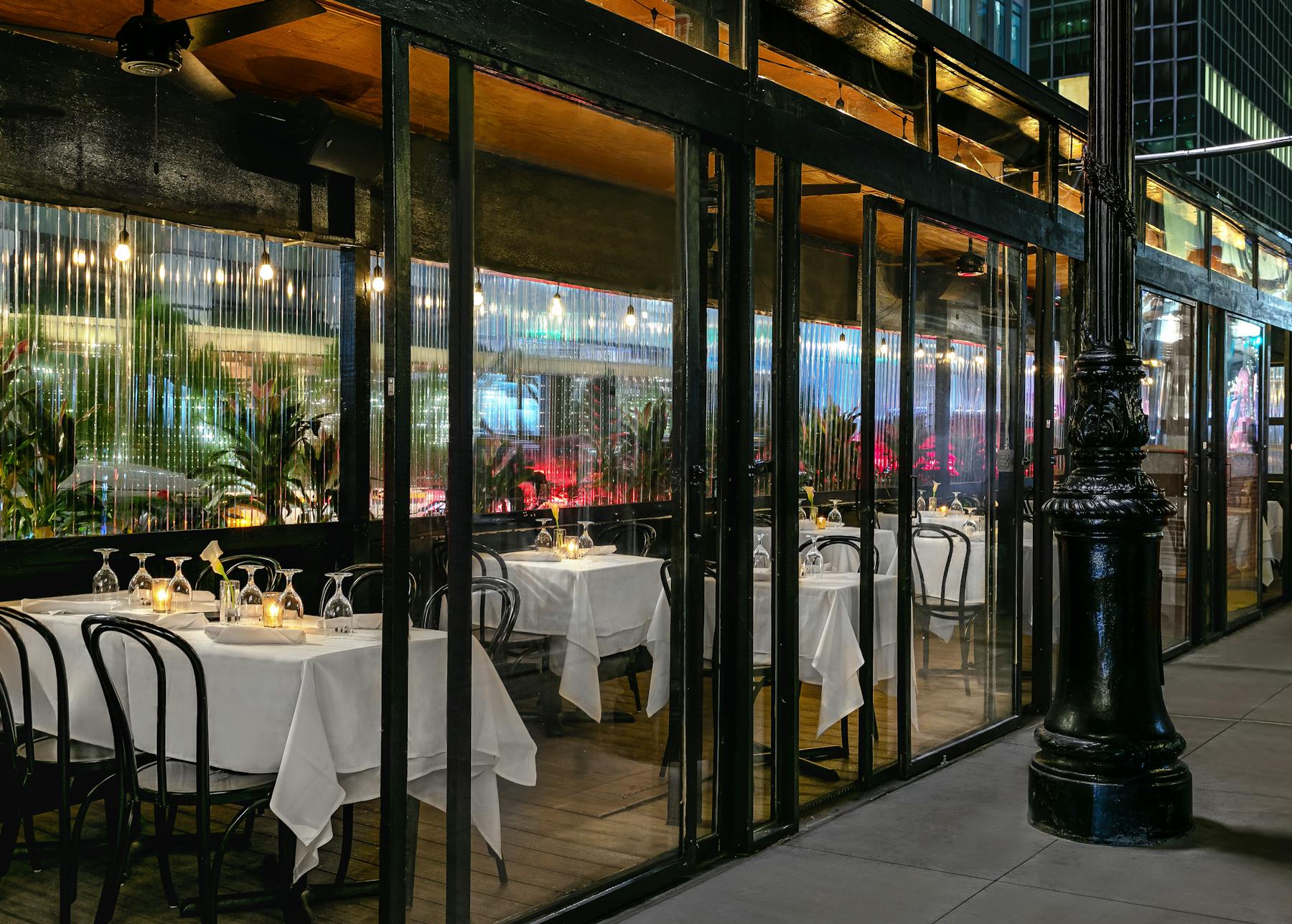
Hotels in New York City
Browse all →




At a Glance
- Cozy
- Rustic
- Classic
- Intimate
- Date Night
- After Work
- Casual Hangout
- Standalone
- Seated Bar
- Booth Seating
- Classic Cocktails
Rustic ambiance with exposed brick walls, vintage cookbooks, elegant evening candle lighting, and a warm, homey West Village neighborhood feel.