India Palace
India Palace brings the layered spice traditions of the Indian subcontinent to Roseville, Minnesota, operating from a straightforward address on Cleveland Avenue N. The kitchen works within a culinary canon that prizes slow-cooked sauces, whole-spice technique, and regional variation. For a suburb that skews toward pizza and tacos, it represents a distinct point on the local dining map.
Pearl is the En Primeur Club membership app — saves, bookings, and concierge access live there. Same editors, same standards.
- Address
- 2570 Cleveland Ave N, Roseville, MN 55113
- Phone
- +1 651 631 1222
- Website
- rosevilleindiapalace.com
- Directions
- Get directions
 Saves & bookings on Pearl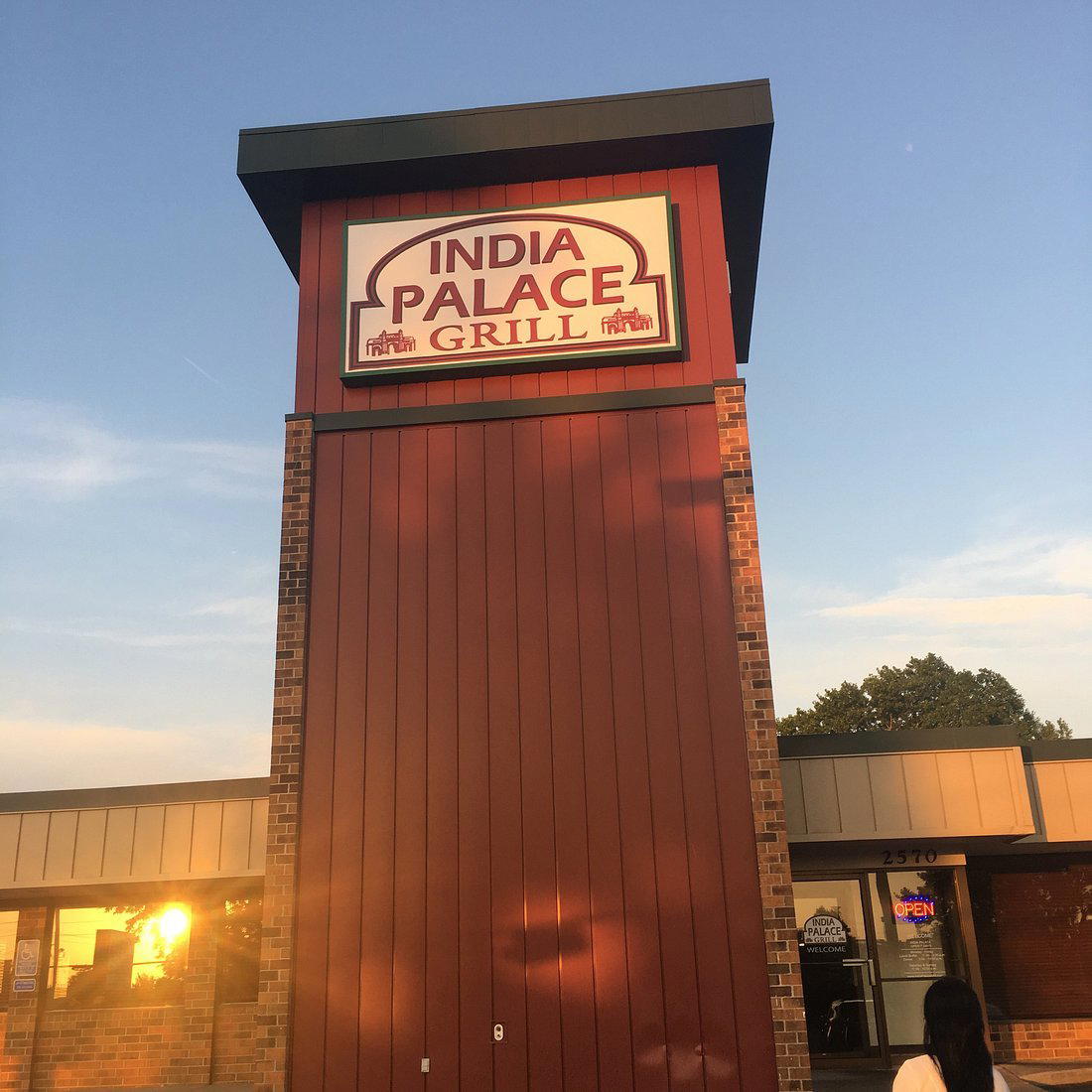
Where the Spice Route Lands in Roseville
Cleveland Avenue N is not a dining destination by most measures. It is a functional suburban corridor in Roseville, Minnesota, the kind of street anchored by strip malls and practical errands rather than restaurant ambition. That context matters when you consider what a serious Indian kitchen means in this setting. India Palace sits along that stretch at 2570 Cleveland Ave N, and the gap between the address and what Indian cooking actually demands — in technique, in ingredient depth, in time — is itself an editorial point worth sitting with.
Indian cuisine is among the most sourcing-dependent cooking traditions in the world. The integrity of a curry, a dal, or a tandoor-cooked bread rests on decisions made long before anything reaches heat: which variety of lentil, how recently the whole spices were ground, whether the ghee is clarified properly, whether the basmati has had time to age. These are not romantic flourishes. They are structural requirements. A kitchen that takes them seriously will produce food that reads differently on the palate from one that does not, deeper bass notes in the sauce, cleaner aromatics, a finish that holds rather than fades.
The Ingredient Argument in a Minnesota Context
The Upper Midwest is not an obvious geography for sourcing the pantry of the Indian subcontinent. The Twin Cities metro, however, has developed a reasonably deep infrastructure for South Asian groceries over several decades, driven in part by a sizable Indian and East African diaspora community. That means a kitchen in Roseville has access, through specialty grocers concentrated in Minneapolis and the broader metro, to whole spices, specialty flours, and imported staples that would have been impractical to source at this address twenty years ago.
This matters for how you read a place like India Palace. The relevant question is not whether a suburban Minnesota restaurant can offer Indian food, but what tier of sourcing commitment it operates at. Whole cumin and coriander toasted and ground in-house behave differently from pre-ground blends. Aged basmati rice, which requires a minimum of one to two years of maturation to develop its characteristic elongation and fragrance, is a different ingredient than commodity long-grain. Restaurants that make these distinctions tend to signal them through the texture of their sauces and the aromatic presence of their rice dishes rather than through menu language.
For Roseville specifically, the competitive set for Indian food is thin. The suburb's dining options cluster around accessible formats: Carmelita's Méxican Restaurant, El Azteca Taqueria, Flour Dust Pizza CO, and Final Gravity Taproom and Bottleshop represent the kind of familiar, neighborhood-anchored dining that defines most of the area. An Indian kitchen operating at any level of seriousness occupies a different category entirely, in technique, in sourcing complexity, and in the amount of time required per dish.
The Tradition Behind the Menu Format
Indian restaurant menus in the United States typically follow a structure inherited from the North Indian and Punjabi-dominated wave of immigration that shaped the country's early exposure to the cuisine. That means a familiar grid of appetizers, breads, rice dishes, and protein-forward mains organized around tandoor, curry, and dry-preparation formats. Dishes like butter chicken, saag paneer, and dal makhani appear on menus from New Jersey to Roseville not because they represent the full scope of Indian cooking, but because they function as a common reference language between kitchen and diner.
That standardization carries a cost in regional diversity, the cuisine of Tamil Nadu, Kerala, or Bengal rarely appears in this format, but it also carries a technical discipline. Butter chicken done properly requires a two-stage process: marinating and cooking the chicken in the tandoor, then folding it into a tomato-cream sauce built on a carefully reduced makhani base. The shortcuts are easy to take and easy to taste. The same is true across the menu format: the difference between a thoughtful version and a rushed one is almost always legible in the sauce.
Cocktails, Drinks, and the Indian Restaurant Format
The question of what to drink with Indian food is one the cuisine has answered differently across its history. Lassi, the yogurt-based drink available in sweet, salted, or spiced versions, exists partly as a functional pairing tool, tempering heat and fat simultaneously. Mango lassi in particular has become the default non-alcoholic signature of Indian restaurants in the American format.
On the alcohol side, Indian restaurants in the United States tend to offer wine lists weighted toward off-dry whites and light reds that manage the heat load of spiced dishes, alongside beer options that often include Indian lager brands. For readers interested in how serious cocktail programs operate in the broader American dining context, venues like Kumiko in Chicago, ABV in San Francisco, Superbueno in New York City, Julep in Houston, Jewel of the South in New Orleans, Bar Leather Apron in Honolulu, and The Parlour in Frankfurt represent the current tier of program-driven bar culture. India Palace operates in a different register, neighborhood dining rather than cocktail destination, and that distinction is worth holding clearly.
Planning Your Visit
India Palace is located at 2570 Cleveland Ave N in Roseville, Minnesota 55113, accessible from the main commercial corridor that connects Roseville to the broader north metro. Given the size of the local Indian restaurant category in the Twin Cities metro, weekends tend to draw higher traffic at restaurants of this type, making a weekday visit a practical choice for a quieter experience. For a broader survey of where Roseville's dining sits across categories, the full Roseville restaurants guide maps the suburb's options in more detail.
Continue exploring
More in Roseville
Bars in Roseville
Browse all →
Restaurants in Roseville
Browse all →


At a Glance
- Group Outing
- Casual Hangout
- Seated Bar
- Booth Seating
Current opening hours
- Monday
- 11 AM–2:30 PM, 4–10 PM
- Tuesday
- 11 AM–2:30 PM, 4–10 PM
- Wednesday
- 11 AM–2:30 PM, 4–10 PM
- Thursday
- 11 AM–2:30 PM, 4–10 PM
- Friday
- 11 AM–2:30 PM, 4–10 PM
- Saturday
- 11 AM–10 PM
- Sunday
- 11 AM–10 PM
Hours can change for holidays and private events. Last verified .
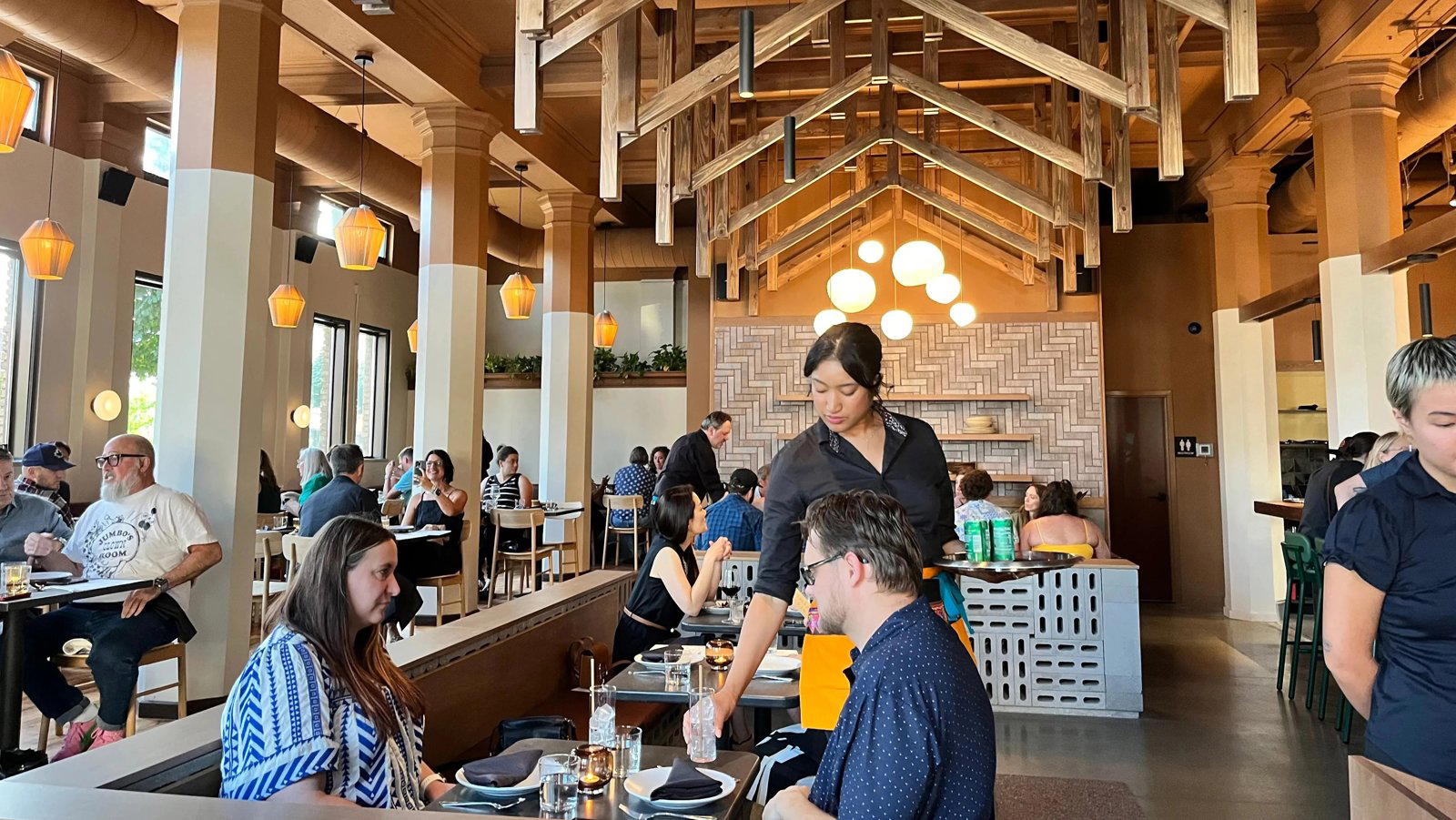
Casual dining with background music and comfortable seating for family meals.
Know Before You Go
- Getting there
- 2570 Cleveland Ave N, Roseville, MN 55113