Google: 4.4 · 1,547 reviews
Carmelita's Méxican Restaurant
On Riverside Avenue in Roseville's older commercial corridor, Carmelita's has operated as a straightforward neighborhood anchor for Mexican food — the kind of place where regulars arrive without menus and newcomers leave understanding why the room fills on a weekday. It sits in a city building a more varied dining scene, serving the community that was here before the wave of newer concepts.
 Discover on Pearl
Pearl is the En Primeur Club membership app — saves, bookings, and concierge access live there. Same editors, same standards.
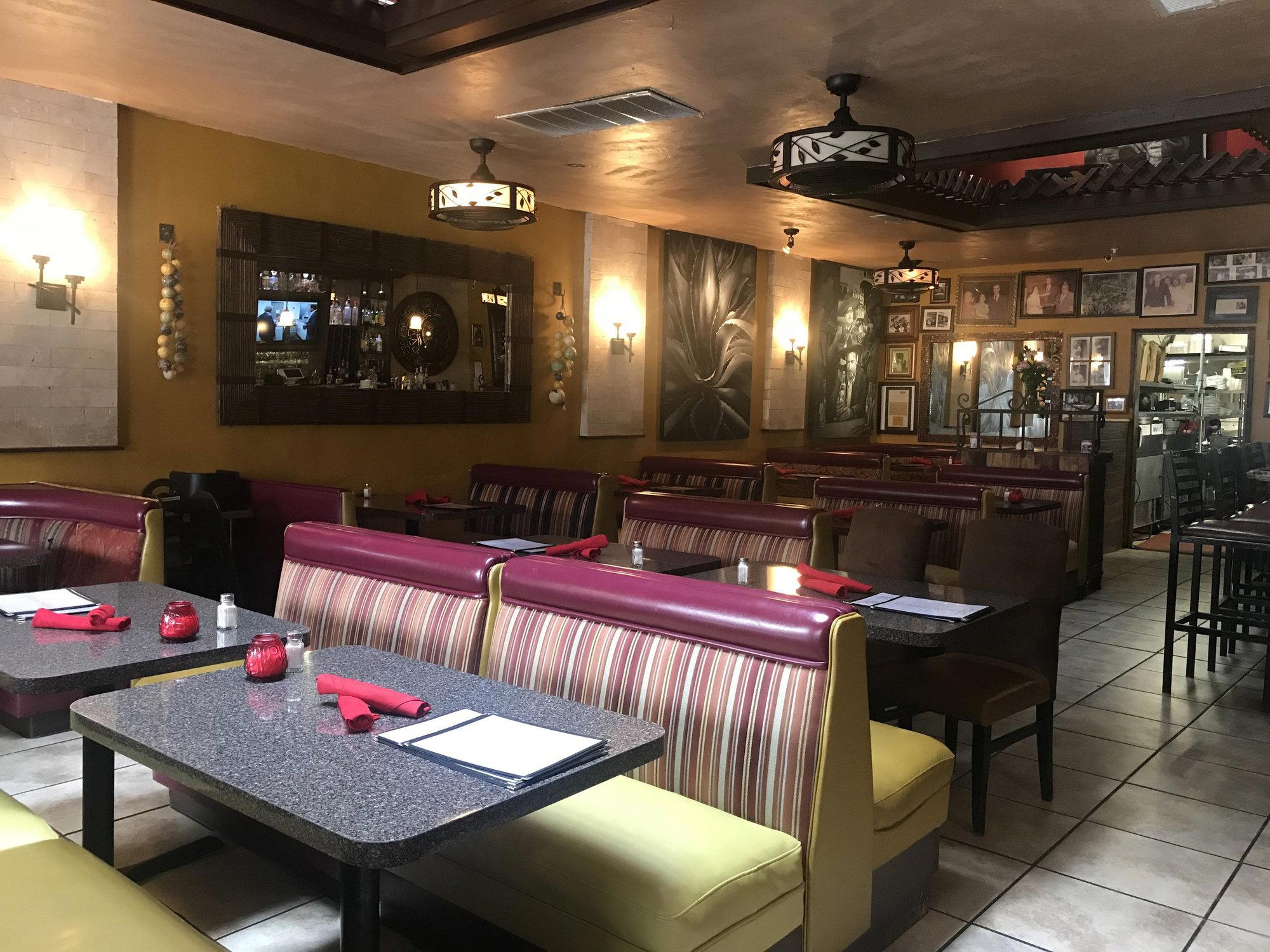
Riverside Avenue and the Roseville Regulars
Roseville's dining scene has expanded steadily over the past decade, absorbing craft beer taprooms, wood-fired pizza counters, and a wave of American-inflected concepts that follow the city's suburban growth north of Sacramento. What that expansion sometimes obscures is the older, quieter layer of neighborhood restaurants that predate the renovation cycle — places whose reputation runs on repeat visits and word of mouth rather than social media reach. Carmelita's Méxican Restaurant, at 204 Riverside Avenue, belongs to that layer.
Riverside Avenue sits in one of Roseville's more established commercial corridors, away from the newer retail parks that have drawn much of the city's recent food investment. That address matters: it places Carmelita's in proximity to long-term residents rather than transient foot traffic, which shapes both the room's character and its clientele. This is the kind of location where a restaurant earns its standing over years, not opening weeks.
What the Neighborhood Expects From a Place Like This
In California's Central Valley and its suburban satellite cities, Mexican restaurants occupy a spectrum that runs from fast-casual taqueria counters through to full-service sit-down dining rooms with margarita programs. The taqueria end of that spectrum is well represented in Roseville — El Azteca Taqueria is one local example , while the full-service tier is where a restaurant like Carmelita's positions itself. The distinction matters for how the space functions: full-service Mexican dining in a neighborhood context tends to anchor itself around group meals, family occasions, and the kind of weeknight visit where the bartender already knows your order.
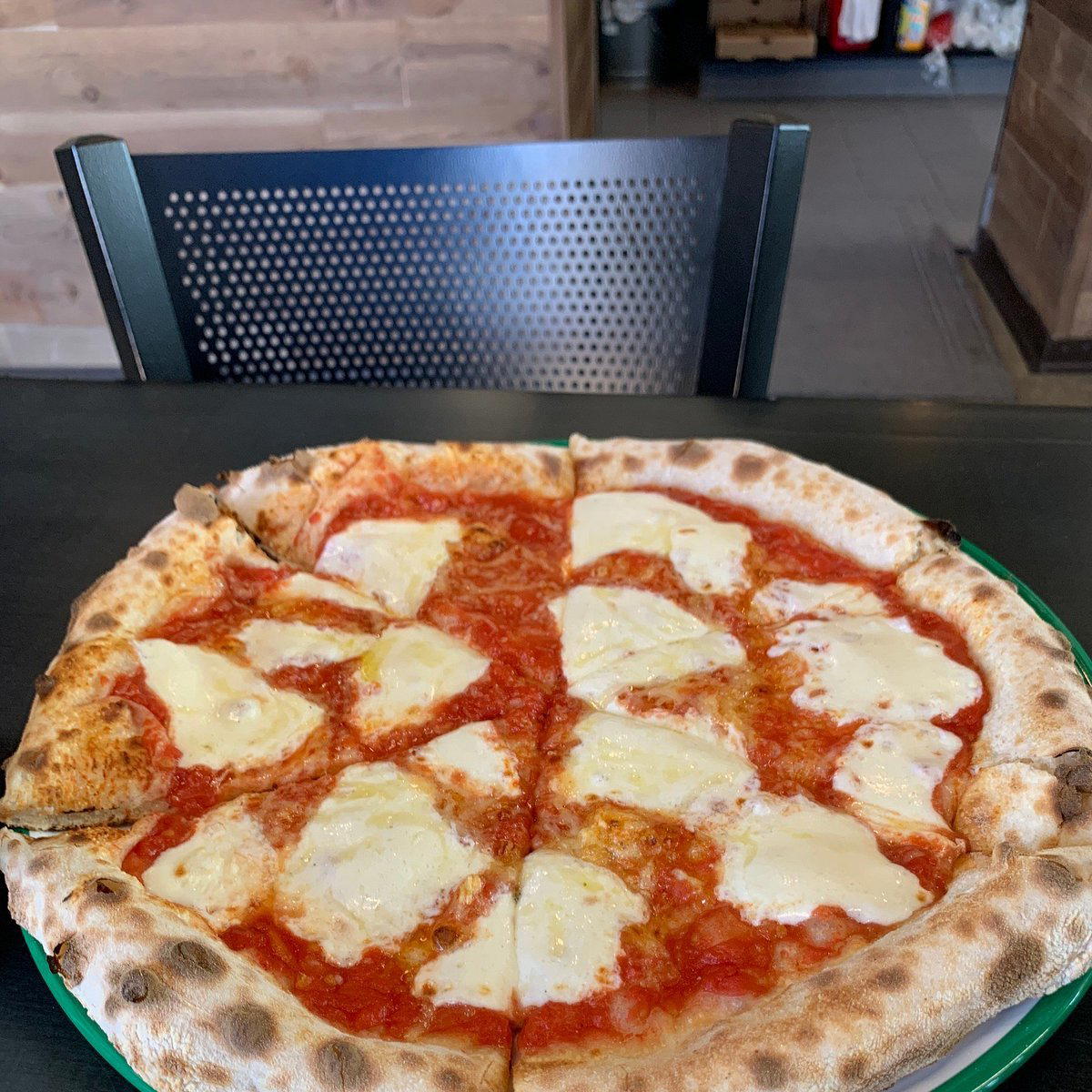
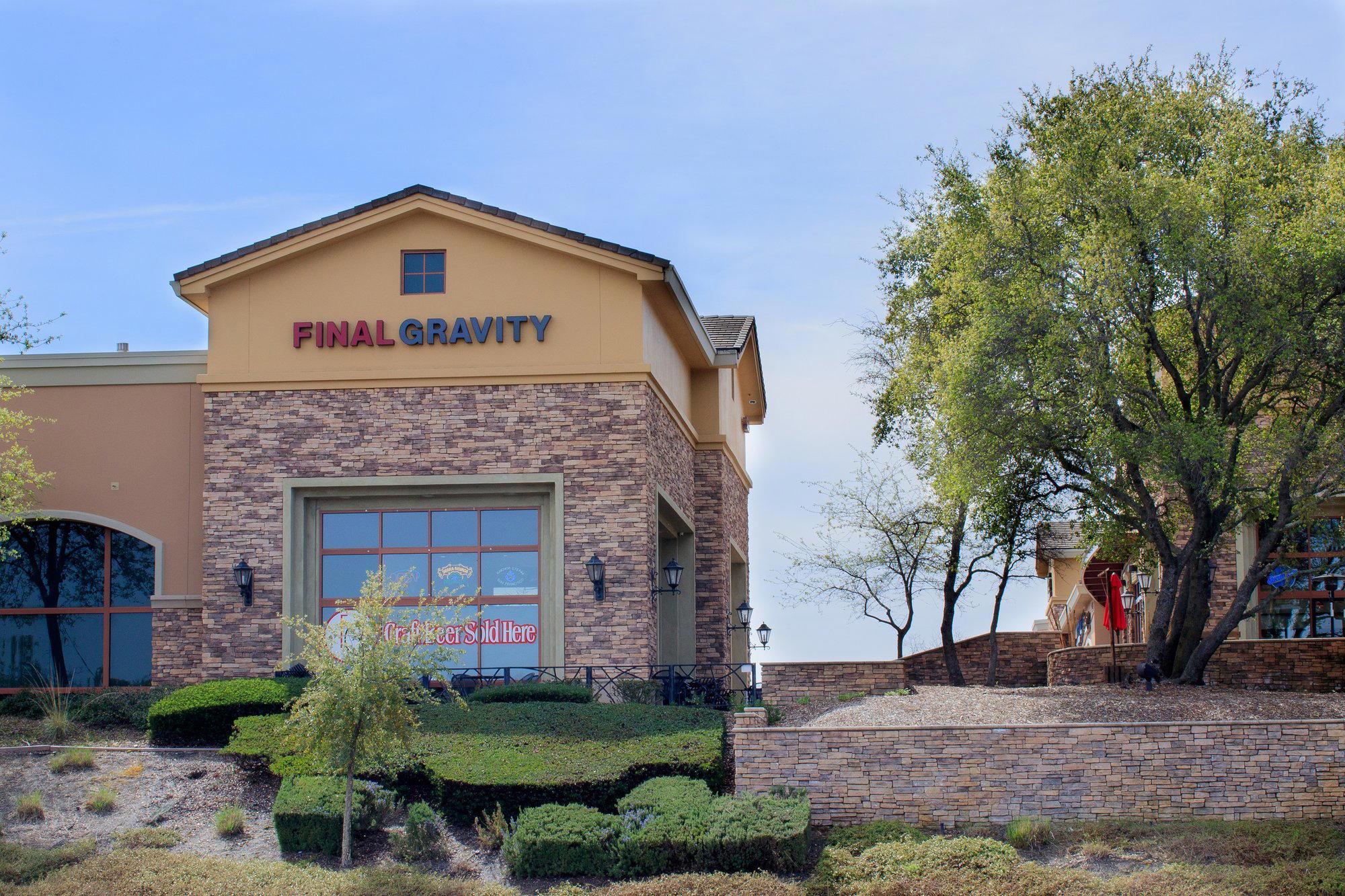
That role is distinct from what newer concepts in the city are building. Final Gravity Taproom & Bottleshop draws a craft beer crowd with a different social logic, and Flour Dust Pizza CO operates in a format built around shareable, casual dining with a different price architecture. Goose Port American Restaurant takes its cues from American and Portuguese culinary traditions. Carmelita's serves a neighborhood function none of those venues quite replicate: the Mexican sit-down, where the menu is familiar by design and the room's energy comes from its regulars rather than its novelty.
The Gathering-Place Model
What distinguishes a genuine neighborhood watering hole from a restaurant that merely happens to have regulars is the degree to which the community has incorporated the space into its routines. Across American suburban dining, this is harder to sustain than it looks. New openings draw attention, but the places that endure are those whose consistency makes them reliable: predictable menus, familiar faces, rooms that don't require explanation when you arrive with your parents or your kids.
Carmelita's sits in that category by position and longevity. On Riverside Avenue, it functions less as a destination for visiting diners and more as a standing fixture for those who live nearby. That is a different kind of value from what the newer, more concept-driven places in Roseville offer , and a different kind of trust signal than a Michelin listing or a Leading New Restaurant citation. For comparison, consider how recognition-driven programs work in other American cities: Jewel of the South in New Orleans or Kumiko in Chicago operate in formal recognition tiers where awards structure their identity. Carmelita's credibility operates differently, accrued through years of community presence rather than critical infrastructure.
Mexican Dining in California's Suburban Tier
California's relationship with Mexican cuisine is long and structurally different from most other American states. The proximity to Mexico, the size of the state's Mexican-American population, and the depth of regional variation in the cuisine mean that California diners bring more baseline familiarity to the category than diners in most of the country. That raises the floor of expectation: a Mexican restaurant in California is competing against home cooks, taquerias, and memories of border-town meals in ways that a Mexican restaurant in, say, the Midwest is not.
In suburban Sacramento-area cities, that baseline familiarity is well established. Roseville's Mexican restaurants serve a population that generally knows the difference between regional styles and can identify when a dish is calibrated for non-native palates. The full-service dining room format at Carmelita's , with its sit-down service and implied margarita program , positions the kitchen to deliver against that familiarity rather than around it. Compare this to how bars with food programs in other American cities handle a similar tension: Superbueno in New York City approaches Mexican cuisine through a cocktail-forward, urban lens; Julep in Houston works a Southern-inflected bar tradition. Carmelita's occupies different territory: the community dining room, not the concept bar.
Roseville's Dining Ecology
For visitors approaching Roseville from San Francisco or the Bay Area, the city's dining scene can feel under-mapped relative to its size. It is the largest city in Placer County, with a population that has grown substantially over the past two decades, and its restaurant supply has expanded to match , though the critical infrastructure that tracks places like ABV in San Francisco or Bar Leather Apron in Honolulu rarely reaches this far into the suburban interior.
That gap between Roseville's actual dining depth and its coverage creates a category of well-functioning local restaurants that operate entirely within community awareness. Carmelita's is a clear example. Its reputation doesn't require an external validator to sustain it; the regulars provide the continuity. For a more complete picture of what the city offers, our full Roseville restaurants guide maps the range of options across neighborhoods and cuisine types.
Planning Your Visit
Carmelita's Méxican Restaurant is located at 204 Riverside Avenue, Roseville, CA 95678. Current hours, phone contact, and booking details are not listed in our database at this time , calling ahead or arriving during standard dinner service hours is the practical approach. The Riverside Avenue location is accessible by car from central Roseville and sits in a walkable stretch of the corridor. For venues in the same city with confirmed online presence, cross-referencing with our Roseville guide can help coordinate an evening itinerary. If your interest extends to bar-focused programs further afield, The Parlour in Frankfurt on the Main is worth noting as a reference point for how neighborhood gathering spaces operate in European contexts , a useful comparison that underscores how much of what makes Carmelita's work is specifically Californian in character.
Continue exploring
More in Roseville
Bars in Roseville
Browse all →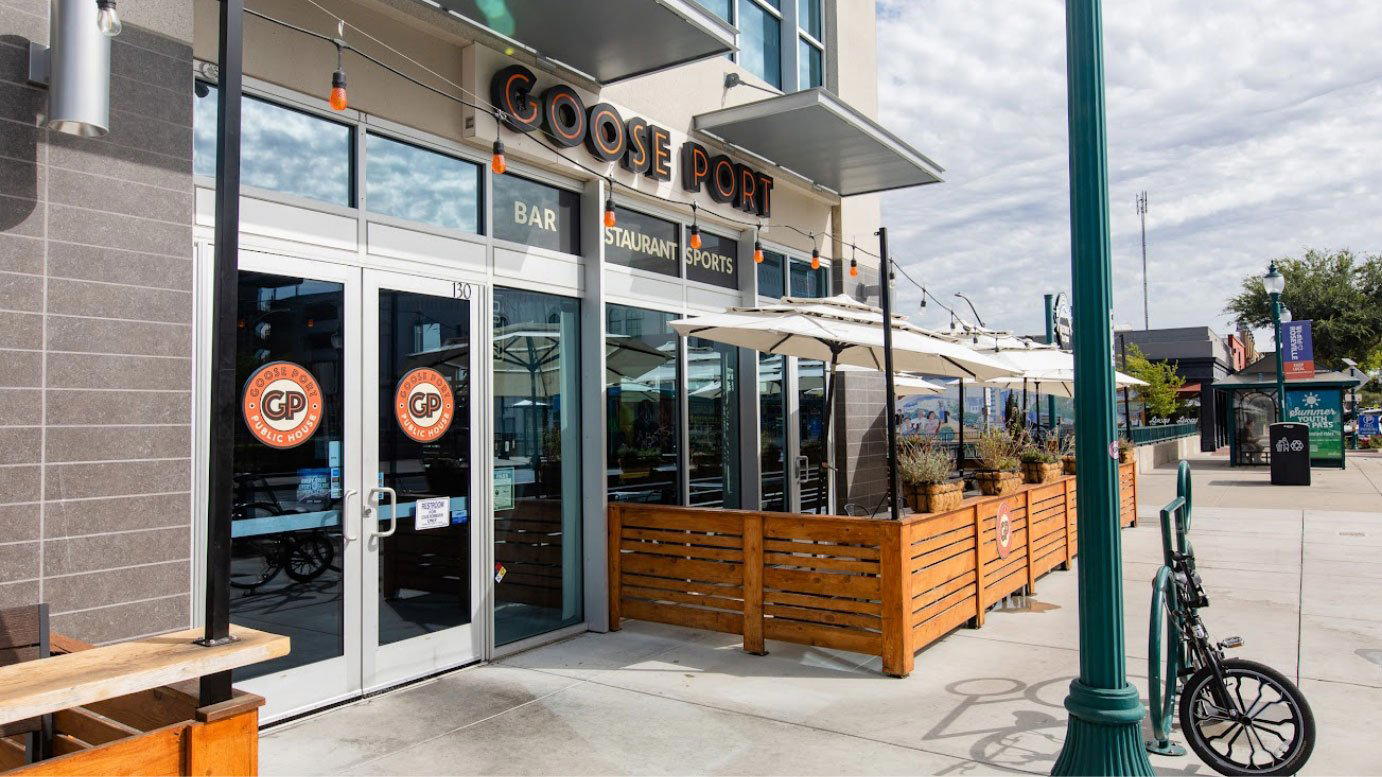
Restaurants in Roseville
Browse all →


At a Glance
- Cozy
- Classic
- Rustic
- Casual Hangout
- Group Outing
- Standalone
- Seated Bar
- Booth Seating
- Classic Cocktails
- Tequila
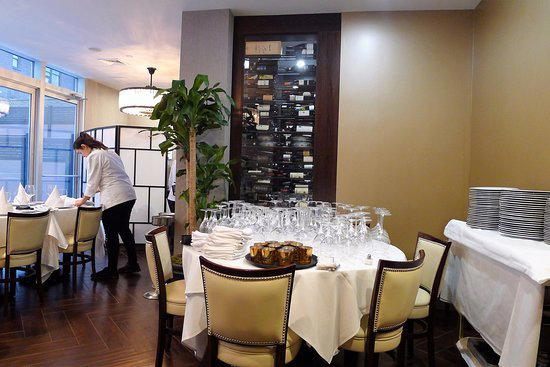
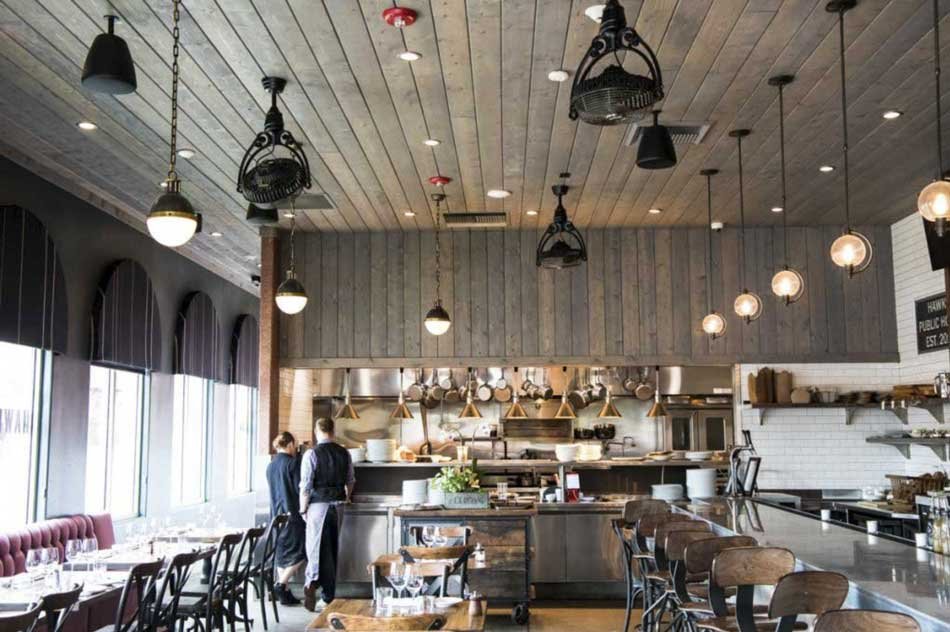
Casual and welcoming atmosphere with a classy, family-friendly feel ideal for relaxed meals.