Google: 4.5 · 1,081 reviews
Ikoyi Restaurant
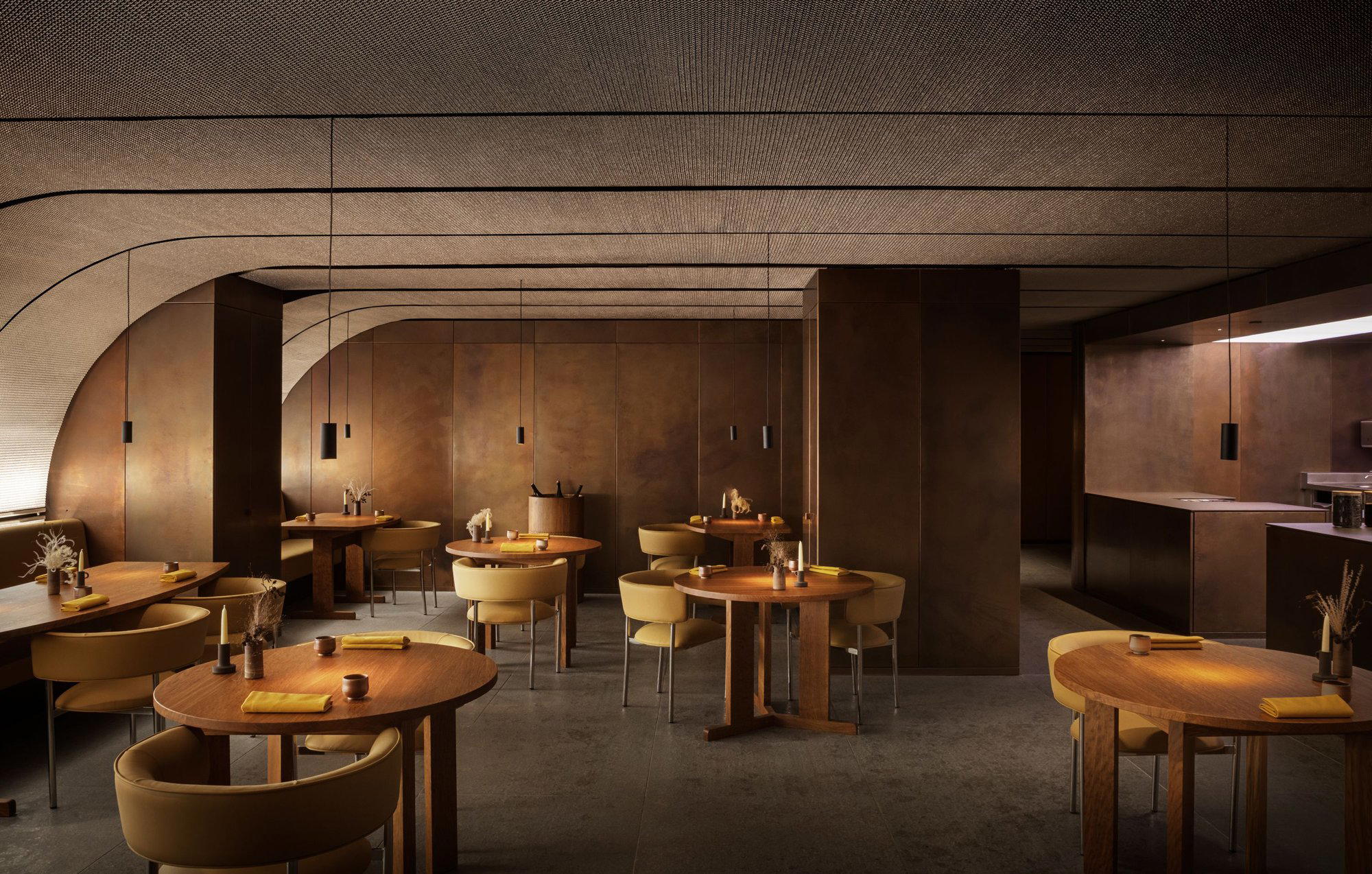
Ikoyi Restaurant at 180 Strand positions itself within a London dining tier where West African influence meets technical ambition. The address alone places it in a neighbourhood dense with cultural and culinary weight, and the restaurant's reputation within that context has drawn sustained critical attention. For those tracking where London's most serious kitchens are moving, Ikoyi remains a reference point worth understanding.
 Discover on Pearl
Pearl is the En Primeur Club membership app — saves, bookings, and concierge access live there. Same editors, same standards.
Where 180 Strand Places You
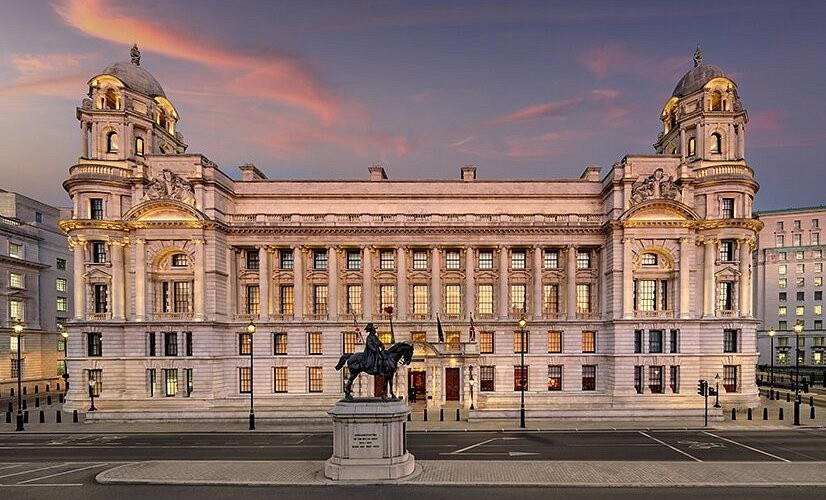
Arriving at 180 Strand from the Embankment side, you pass through one of London's more charged corridors: the Thames to the south, the Inns of Court pressing in from the north, and a street that has housed everything from printworks to galleries. The building itself has become shorthand for a certain kind of London creative density, and a restaurant operating here is already making an implicit argument about its ambitions. Ikoyi Restaurant occupies that argument deliberately. The address is not incidental; it is a positioning decision, placing the kitchen inside a part of the city that attracts attention from outside the conventional fine-dining postcode.
London's serious restaurant tier has reorganised considerably over the past decade. The gravitational pull of Mayfair and Belgravia has weakened, with significant kitchens now distributed across the Strand corridor, Shoreditch, and south of the river. Ikoyi belongs to that redistributed tier, which tends to draw a clientele more interested in what is on the plate than in the room's history or the address's social signal.
West African Influence in London's Fine-Dining Register
The broader context for Ikoyi sits inside a shift that London's serious food press has tracked for several years: the movement of West African culinary techniques and ingredients into the upper tiers of the city's restaurant scene. This is not fusion in the loose sense. It is a more specific negotiation between spice grammar, fermentation traditions, and produce sourcing drawn from a different culinary canon than the European fine-dining lineage that still dominates at this price point.
London has been the city in the UK where that negotiation has happened most visibly, partly because of the depth of its West African diaspora communities and partly because its restaurant economy has the critical mass to sustain experimental kitchens at high price points. Ikoyi has operated within that specific conversation, drawing critical recognition that places it in the upper tier of London restaurants working through this idiom. For a broader read on how London's restaurant scene is structured across neighbourhoods and cuisine types, the full London restaurants guide maps the current picture in detail.
The Drinks Programme as Editorial Position
In London's current fine-dining environment, the drinks programme is increasingly where kitchens differentiate themselves beyond the plate. The shift away from conventional wine-only lists toward curated spirits collections, considered non-alcoholic pairings, and back bars built around rare or hard-to-source bottles has been visible across the city's top-tier restaurants over the past five years. A kitchen operating at Ikoyi's level of ambition is expected to have a drinks position that matches the specificity of the food.
The spirits-led approach that defines the more interesting programmes at this tier treats the back bar as a curation argument rather than a convenience. Rare West African spirits, aged agricole rhums, and small-allocation bottlings from producers outside the mainstream European canon have all appeared in programmes at comparable London restaurants. A drinks list built to complement a kitchen working in West African-inflected idiom has its own logic: the botanicals, the heat levels, the fermentation notes that recur in the food should find their counterpart in what is poured alongside it.
For comparison, London bars that have built their reputations around technical curation and specific back-bar depth include 69 Colebrooke Row, where the programme has long been built around precise technique, and A Bar with Shapes For a Name, which has made conceptual rigour its defining characteristic. Academy and Amaro represent further points on the spectrum of London's considered drinks scene. The standard set by these programmes raises the expectation for any serious kitchen operating in the same city.
Across the UK, the reference points for serious drinks curation extend well beyond London. Bramble in Edinburgh has maintained its position as one of Scotland's most technically serious bars for years. Merchant Hotel in Belfast carries one of the UK's more documented whiskey collections. Schofield's in Manchester, Mojo Leeds, and Horseshoe Bar Glasgow each represent regional programmes worth understanding as part of the same national conversation. Further afield, L'Atelier Du Vin in Brighton and Hove and Bar Leather Apron in Honolulu illustrate how specialist curation has become a global grammar rather than a London-specific development.
Critical Recognition and Peer Position
Within London's fine-dining tier, critical recognition functions as a sorting mechanism. Restaurants at this level are assessed against a peer set that includes kitchens with Michelin recognition, appearances on extended 50 Best lists, and sustained coverage in publications with international reach. Ikoyi has received attention across that spectrum, which places it in a bracket of London restaurants where the conversation moves beyond novelty and into questions of consistency, evolution, and longevity.
The relevant comparison set for a kitchen working in this idiom at this address is not the neighbourhood brasserie or the mid-market tasting menu. It sits alongside London restaurants where a single meal represents a considered spend and where the expectation is that every element, from the sourcing logic to the pacing of courses to the specificity of the drinks list, has been thought through rather than assembled.
Planning Your Visit
Restaurants operating at Ikoyi's tier in central London typically require advance booking of several weeks at minimum, and for the most sought-after sittings, longer lead times are realistic. The Strand address is served by multiple transport options: Temple on the District and Circle lines sits a short walk east, while Embankment and Charing Cross provide further access points. Given the density of the surrounding area, arriving on foot from the Embankment provides the most useful orientation to the building and its context.
Dress expectations at this tier of London restaurant have relaxed from their peak formality, but the room and the price point still suggest that smart casual is the working assumption. As with any serious kitchen at this level, checking the current booking position directly through the restaurant's own channels is the most reliable approach, since availability and format can shift with season and demand.
Comparable Spots, Quickly
A quick peer list to put this venue’s basics in context.
| Venue | Awards |
|---|---|
| Ikoyi RestaurantThis venue — the venue you are viewing | |
| Bar Termini | World's 50 Best |
| Callooh Callay | World's 50 Best |
| Happiness Forgets | World's 50 Best |
| Nightjar | World's 50 Best |
| Quo Vadis | World's 50 Best |
Continue exploring
More in London
Bars in London
Browse all →
Restaurants in London
Browse all →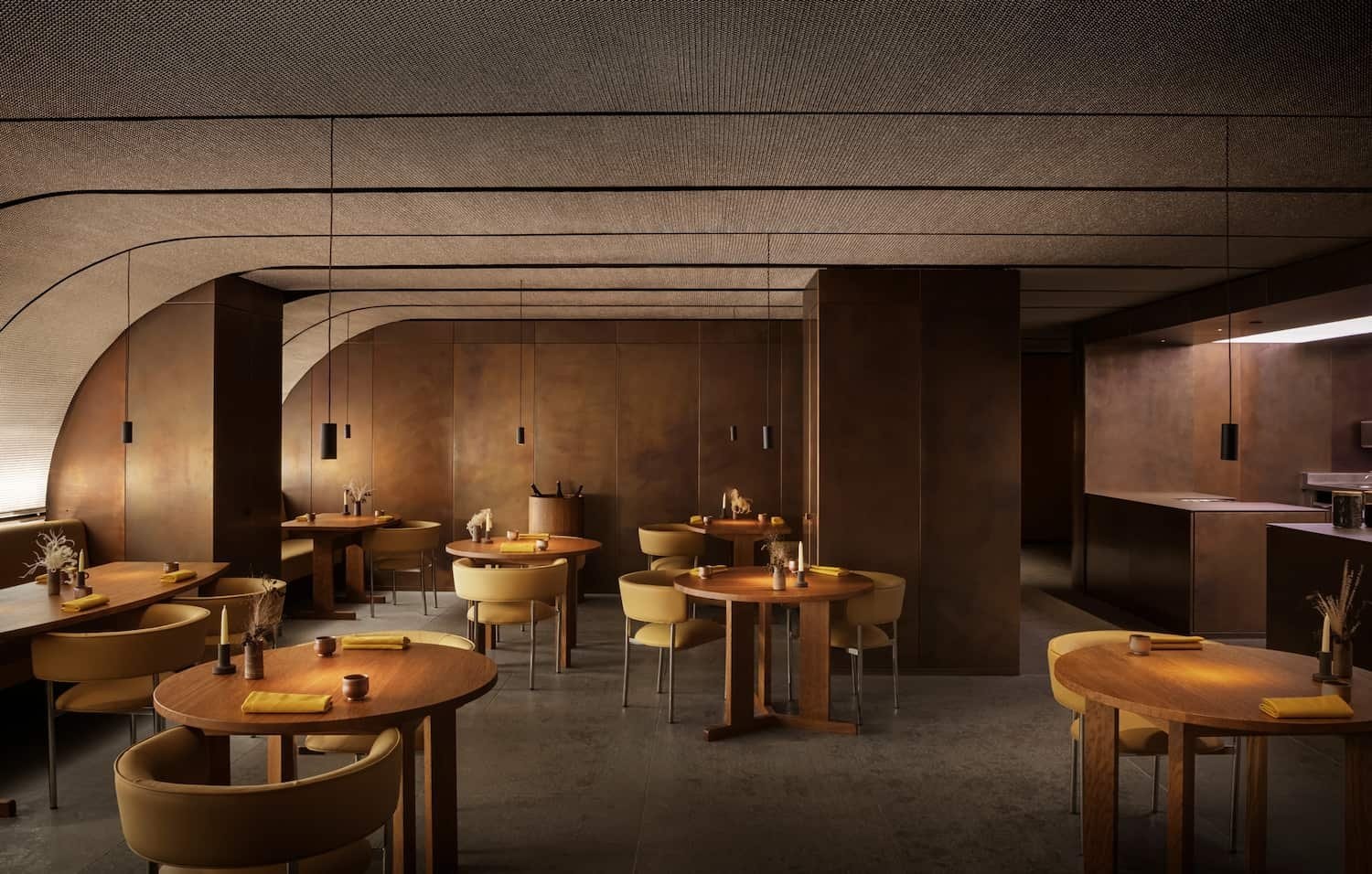
Hotels in London
Browse all →
At a Glance
- Intimate
- Elegant
- Modern
- Sophisticated
- Special Occasion
- Design Destination
- Lounge Seating
- Booth Seating
- Craft Cocktails
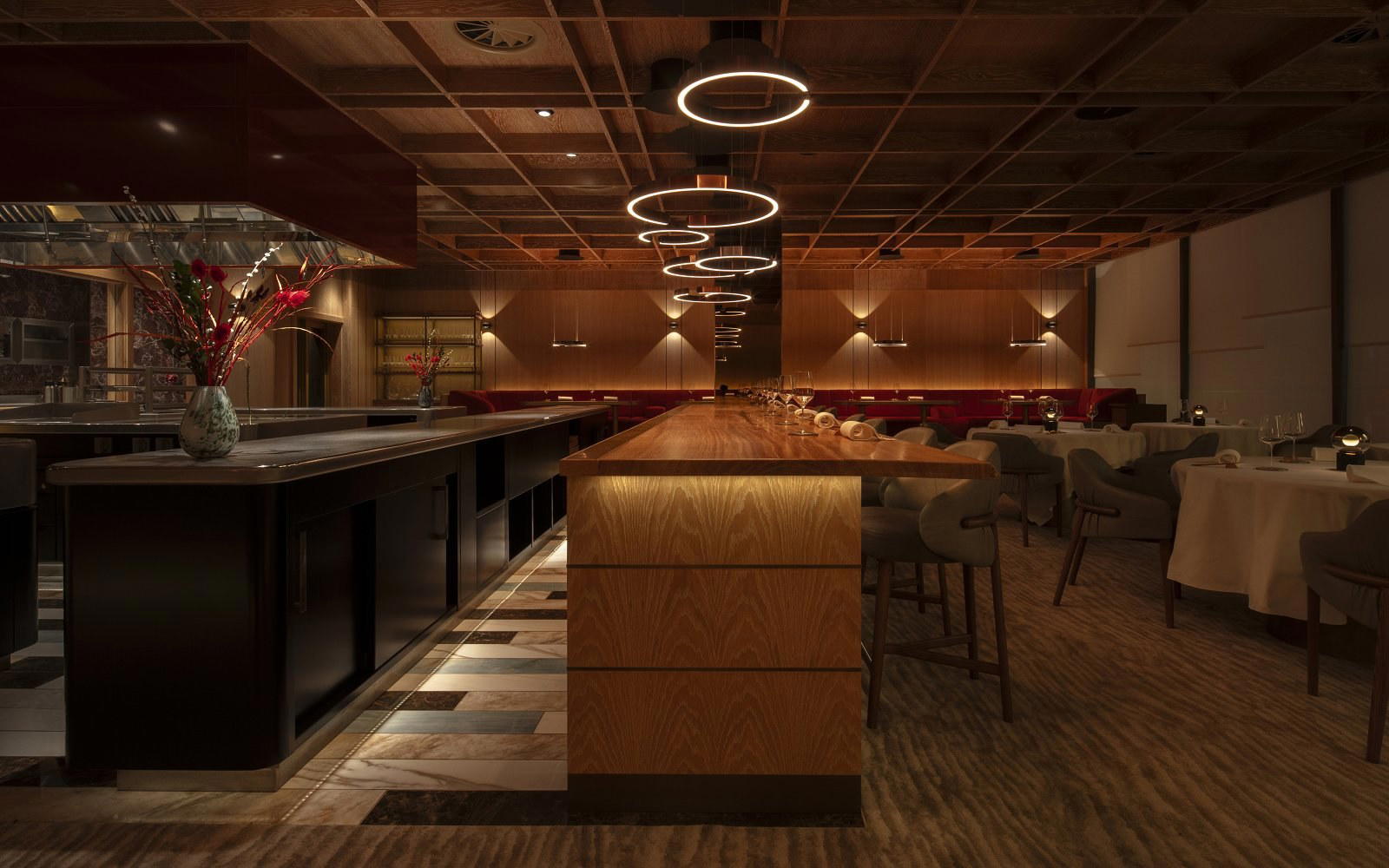
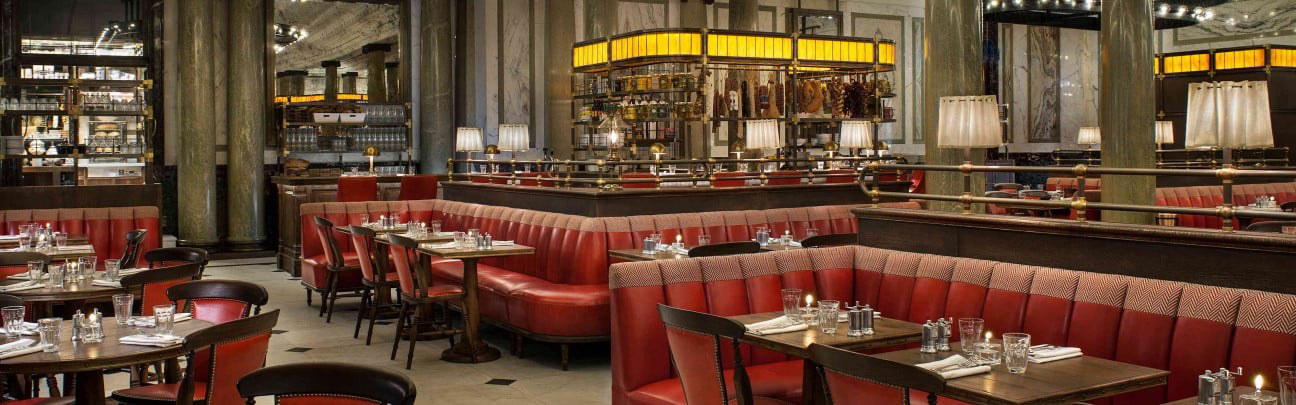
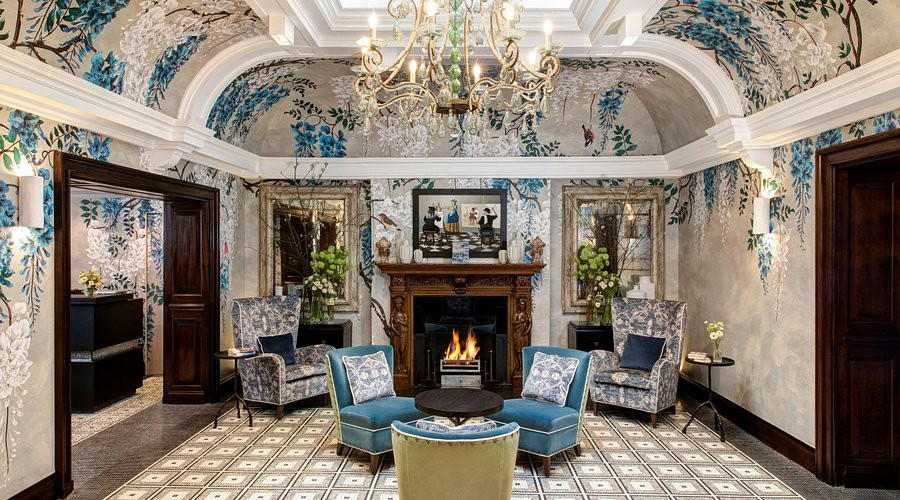
Deeply chill dining room with warm walnut wood, soft spotlights, rich woods, and soft lighting.