Google: 4.5 · 4,388 reviews
Hometown Bar-B-Que
Red Hook’s smoke temple does whole Vietnamese-style wings: oak-smoked, sesame-and-scallion glossed, with cilantro ranch. Eater NY highlights them, and the shop’s impact on the neighborhood has been noted by national critics.
 Discover on Pearl
Pearl is the En Primeur Club membership app — saves, bookings, and concierge access live there. Same editors, same standards.
Red Hook and the Brooklyn Barbecue Tradition
Brooklyn's Red Hook neighbourhood arrived late to the borough's dining conversation, but when it did, it brought something Manhattan's restaurant density rarely accommodates: space, smoke, and an unapologetic commitment to fire-cooked meat. The neighbourhood sits at the western edge of Brooklyn, separated from the rest of the borough by the BQE and buffered by warehouses and waterfront, which means the restaurants that take root here tend to attract deliberate visitors rather than foot traffic. Hometown Bar-B-Que, at 454 Van Brunt Street, operates inside that logic. You go because you've decided to go, not because you stumbled past it.
American barbecue's migration into major urban markets accelerated through the 2010s, as pit masters from Texas, the Carolinas, and Tennessee began opening in cities where real estate costs and zoning had previously made wood-burning setups nearly impossible. New York lagged behind Chicago and Los Angeles in this shift, partly due to fire codes and partly due to a dining culture that historically privileged tasting menus and cocktail bars over long smoke times and communal tables. The places that broke through in Brooklyn did so by treating barbecue with the same seriousness that the city's fine dining operators apply to technique, provenance, and sourcing.
What the Programme Looks Like
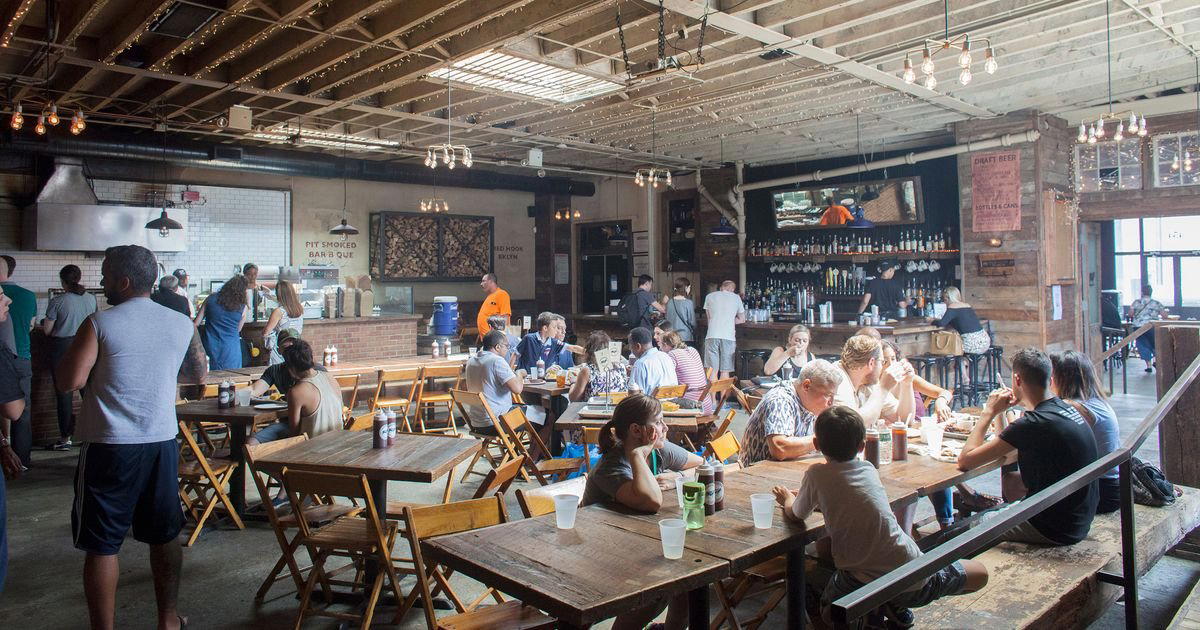
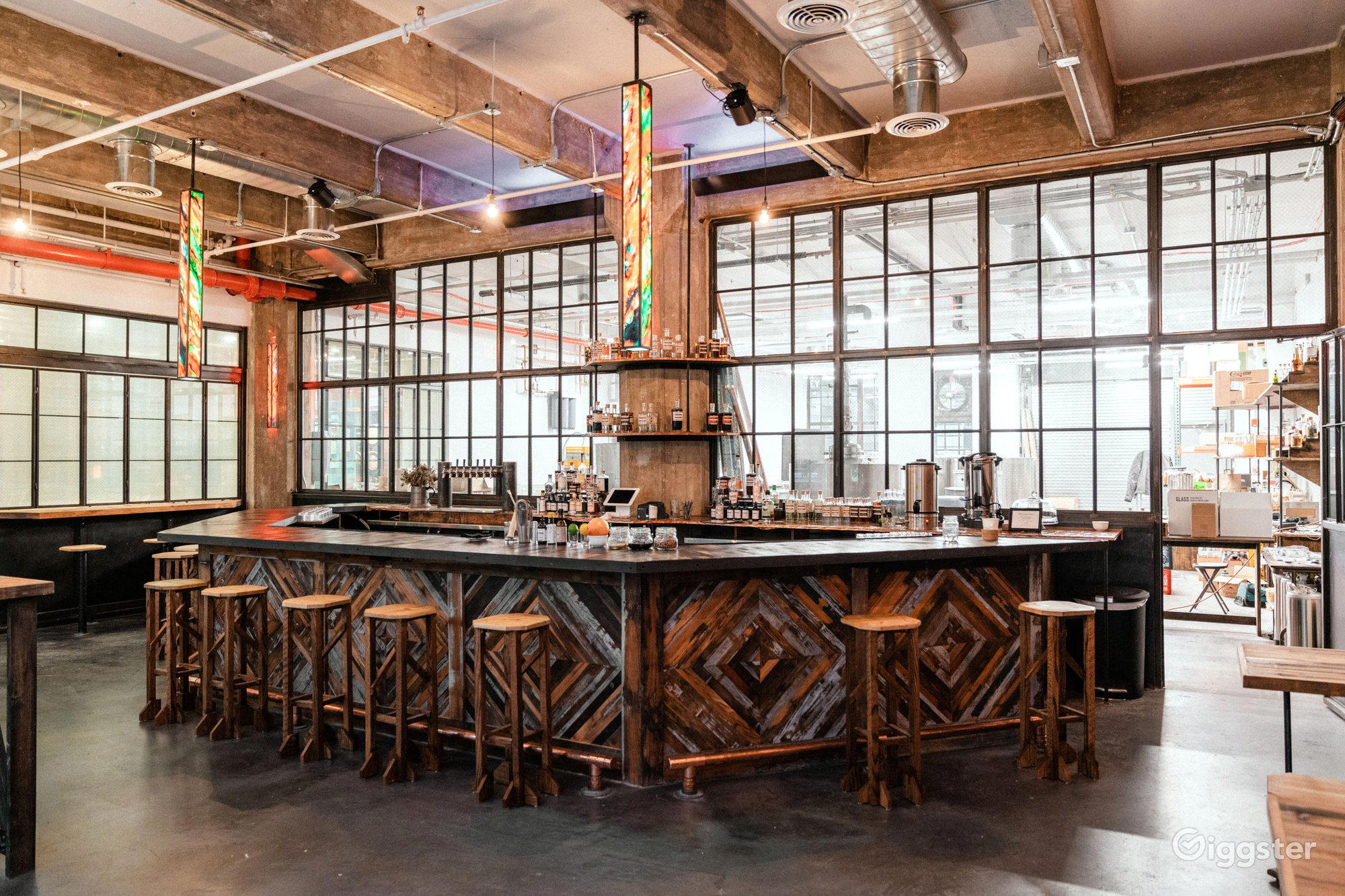
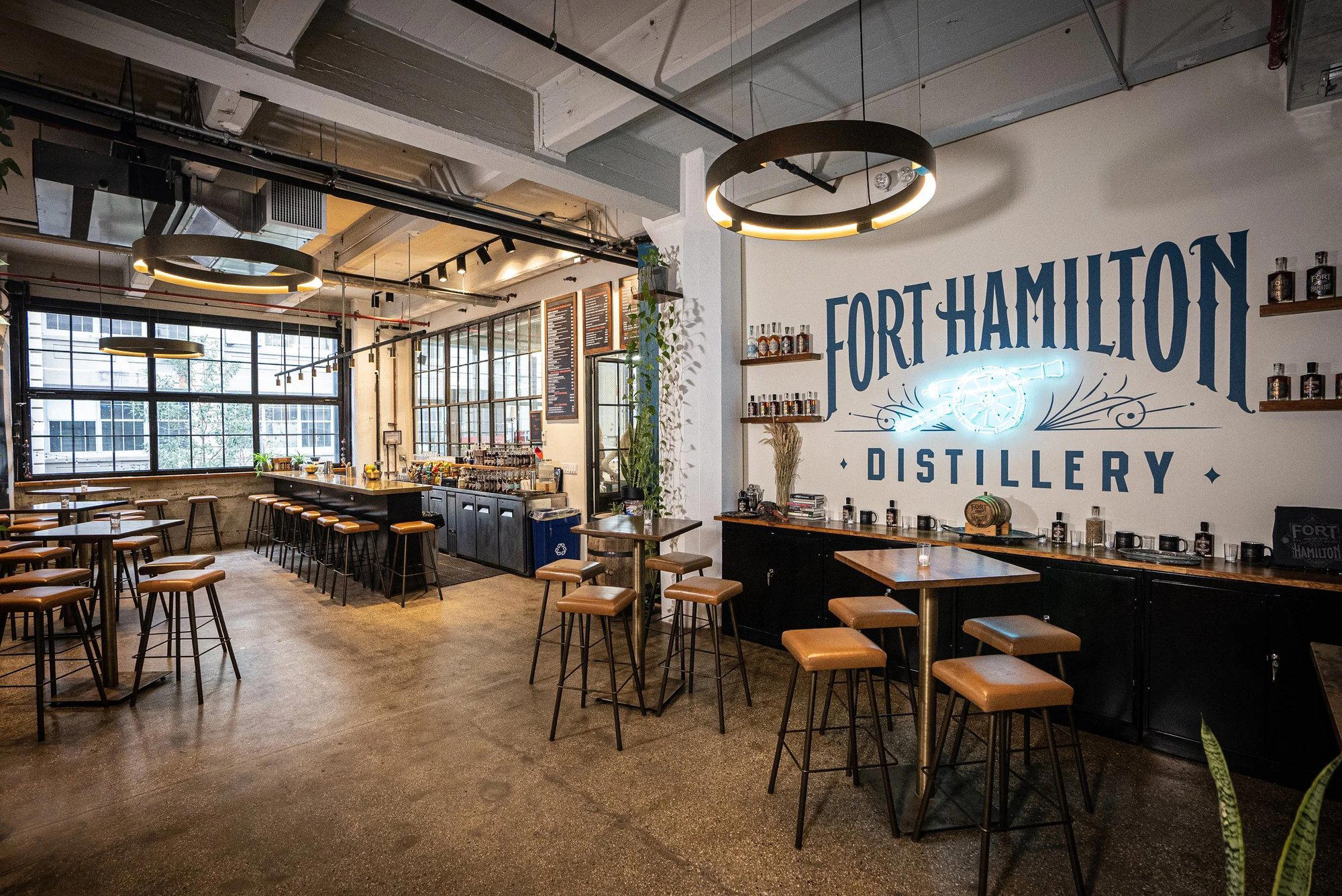
Hometown Bar-B-Que sits in a large, warehouse-format space that reflects the Red Hook context rather than fighting it. The interior has the functional aesthetic common to serious barbecue operations: long tables, exposed structure, and a layout that prioritises throughput and communal eating over intimate dining. This is not a criticism. The format mirrors how barbecue has historically been served across the American South and Texas, where the act of eating together at shared tables is built into the tradition.
The drink programme at a barbecue operation serves a specific purpose that differs from a cocktail bar or wine-forward restaurant. Smoke and char demand beverages with structure, bitterness, or sweetness strong enough to hold their own against rendered fat and spice rubs. In practice, this tends to mean bourbon-forward builds, cold beer (particularly lager and pale ale), and direct, unpretentious highballs. The better barbecue programmes in American cities have learned to treat the bar as a functional partner to the food rather than as a separate showcase, and the drinks at venues in this category tend to be well-executed rather than experimental. For cocktail programming with more technical ambition in New York, Attaboy NYC and Amor y Amargo occupy that space. For a genre-specific deep dive into mezcal and Latin spirits, Superbueno is worth the trip. For the precise, Japanese-influenced bar tradition, Jewel of the South in New Orleans represents the cocktail-forward end of Southern American hospitality. Julep in Houston approaches Southern drinking culture through a different regional lens. For the contrast a different American city entirely provides, Kumiko in Chicago shows what happens when Japanese technique meets American spirits tradition. And outside the US, Bar Leather Apron in Honolulu and The Parlour in Frankfurt on the Main demonstrate how the serious bar tradition travels internationally. ABV in San Francisco and Allegory in Washington, D.C. round out the picture of what premium American bar programming looks like coast to coast.
Getting There and Planning the Visit
Red Hook's relative isolation from the subway grid is a consistent feature of any conversation about the neighbourhood. The nearest subway stations (Smith-9th Streets on the F and G lines, or Carroll Street) leave a walk of roughly 15 to 20 minutes, which explains why the area sees less casual foot traffic than Park Slope or Carroll Gardens. The B61 bus runs along Van Brunt Street, and ride-share services reach the address without difficulty. Parking is available in the surrounding streets, which is a meaningful advantage for visitors coming from outside the city. The practical advice is to plan the trip, not to assume you'll pass by. Red Hook rewards that kind of intentionality. For a broader view of what the city offers across categories, see our full New York City restaurants guide.
Category Peers
A compact peer set to orient you in the local landscape.
| Venue | Awards |
|---|---|
| Hometown Bar-B-QueThis venue — the venue you are viewing | |
| The Long Island Bar | World's 50 Best |
| Dirty French | |
| Superbueno | World's 50 Best |
| Amor y Amargo | World's 50 Best |
| Angel's Share | World's 50 Best |
Continue exploring
More in New York City
Bars in New York City
Browse all →
Restaurants in New York City
Browse all →
Hotels in New York City
Browse all →


At a Glance
- Rustic
- Lively
- Industrial
- Group Outing
- Casual Hangout
- Live Music
- Communal Tables
- Booth Seating
- Craft Beer
- Whiskey
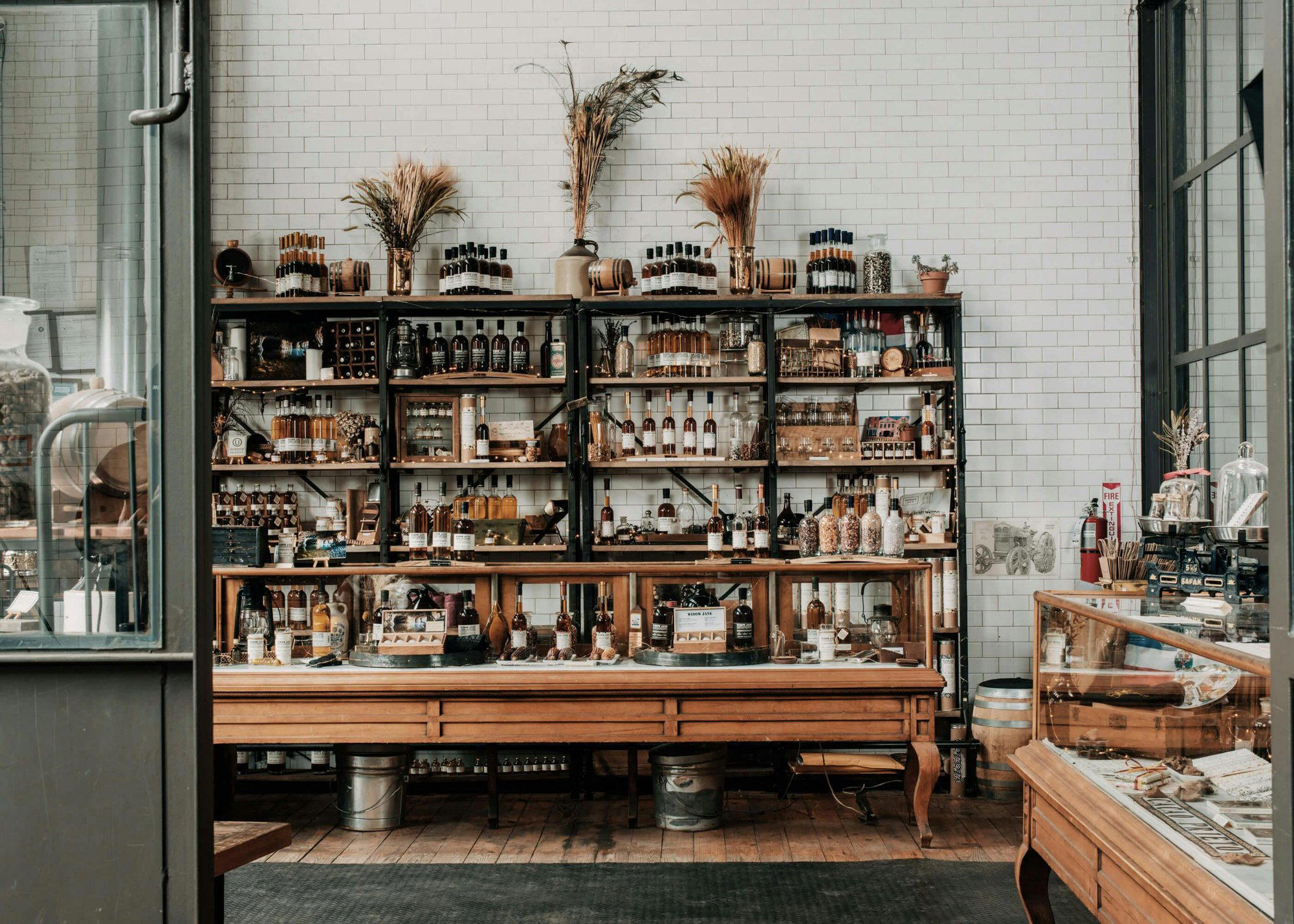
Rustic industrial warehouse with wood details, American-flag decor, neon beer signs, and a lively atmosphere enhanced by live music on weekends.