HENRI
On a Covent Garden street that has housed booksellers, coffee houses, and theatres since the 1700s, HENRI occupies a quietly considered position in London's broader conversation about where European technique meets British produce. Located at 14 to 15 Henrietta Street WC2E, it draws visitors looking for something grounded and specific amid the neighbourhood's more performative dining options.
Pearl is the En Primeur Club membership app — saves, bookings, and concierge access live there. Same editors, same standards.
- Address
- 14, 15 Henrietta St, London WC2E 8QH, United Kingdom
- Phone
- +44 20 3794 5314
- Website
- henricoventgarden.com
- Directions
- Get directions
 Saves & bookings on Pearl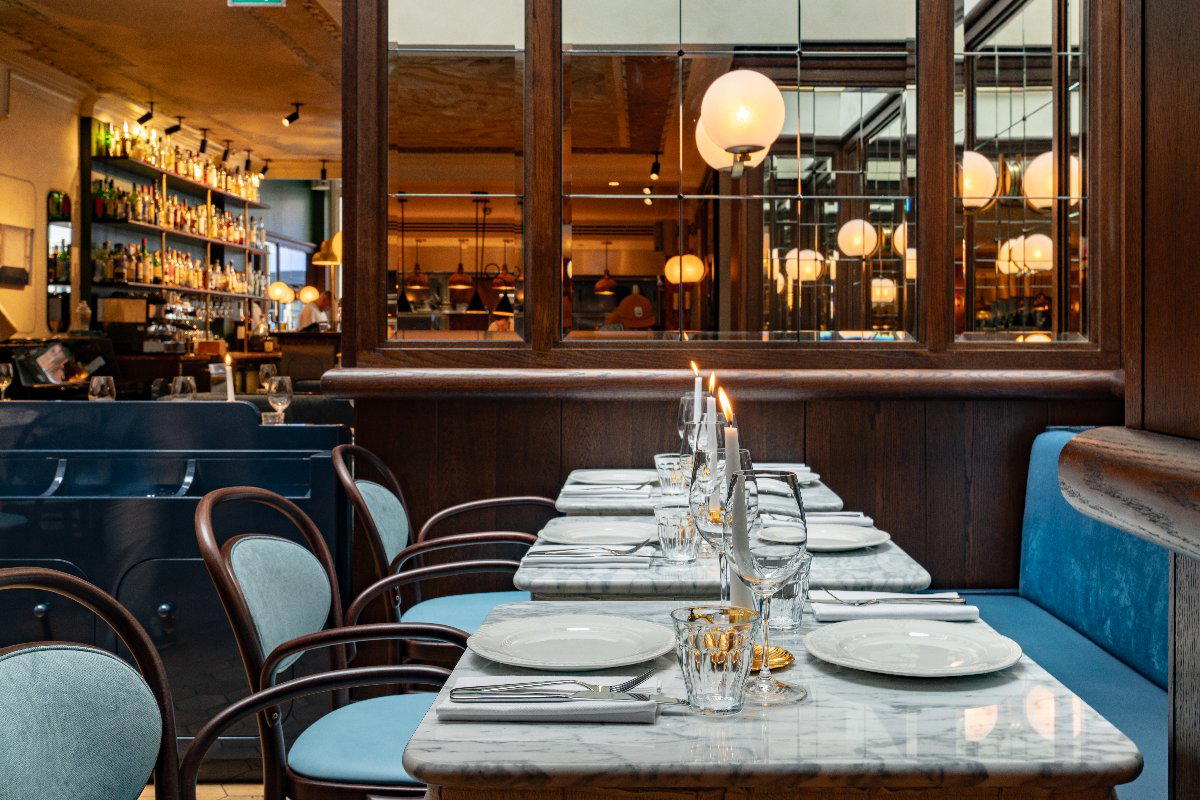
Henrietta Street and What It Asks of a Restaurant
Henrietta Street in Covent Garden carries several centuries of commercial and cultural sediment. It has been home to publishers, coffee merchants, and theatrical hangers-on since the mid-eighteenth century, and the buildings at numbers 14 and 15 carry that weight in their proportions. For a restaurant operating in this part of WC2, the address itself is an editorial statement: this is not the Strand end of Covent Garden, loud with pre-theatre queues and tourist menus engineered for throughput. It is a quieter, more considered corridor, and venues that set up here are implicitly making a claim about the kind of diner they are after.
That geographic self-selection matters in London's current dining moment. The city's middle tier has thinned considerably since 2020, squeezed between high-volume casual operators at one end and destination tasting-menu counters at the other. What has survived in the space between tends to survive on specificity, on a clear point of view about produce, technique, and the kind of room a guest should find themselves sitting in. HENRI is a bar in Covent Garden, London, with.
The Editorial Angle: Local Ingredients, European Craft
Across London's more thoughtful mid-market, the dominant working method over the past decade has been a particular kind of productive tension: French and Italian technical frameworks applied to British seasonal produce with enough confidence to let the ingredients lead. It is a mode you see at Quo Vadis a few minutes north in Soho, where the kitchen treats Smithfield and Borough Market sourcing as the starting point rather than a marketing footnote. The underlying logic is consistent regardless of where it appears: the craft traditions of continental Europe, built over centuries of codified technique, serve as a lens through which British seasons and British farmers become legible on a plate.
HENRI's name situates it in that conversation. The French register signals classical grounding; the Henrietta Street address grounds it in London. What that means in practice, for a diner choosing between this room and the louder options on the Strand or along Long Acre, is a kitchen that is likely more interested in the age of a cheese or the provenance of a piece of fish than in spectacle for its own sake. That is not a romantic claim; it is a structural one. Restaurants in this positioning tier compete on sourcing credibility and technical execution, not on theatre or scale.
Covent Garden's Dining Character in 2024
Covent Garden has spent the better part of fifteen years trying to shed its reputation as a zone of tourist-facing mediocrity. The effort has produced genuine results in patches. The arrival of more serious operators, particularly on the streets east of the piazza, has changed the calculus for what a committed diner can reasonably expect to find in WC2 without travelling to Soho or Fitzrovia. Henrietta Street specifically benefits from its proximity to the Strand but its remove from the piazza's foot traffic, which tends to filter in operators willing to depend on deliberate bookings rather than passing trade.
For visitors coming into London from elsewhere in the UK, the Covent Garden end of the West End functions as a logical staging point. Anyone travelling from cities with their own serious bar and restaurant scenes, whether that means Schofield's in Manchester, Bramble in Edinburgh, Merchant Hotel in Belfast, or Horseshoe Bar Glasgow in Glasgow, will recognise the category of place HENRI represents: a room that takes its cues from European hospitality tradition while operating as a specifically local product.
Where HENRI Sits in London's Bar and Restaurant comparable set
London's cocktail and dining scene has developed a set of distinct sub-tiers over the past decade. At the technical end of the bar world, venues like 69 Colebrooke Row in Islington established that a small, unshowy room with a rigorous drinks program could command serious attention without a theatrical premise. That model has influenced how the broader city thinks about the relationship between format and ambition. Separately, A Bar with Shapes For a Name represents the further evolution of that trajectory, where the technical program becomes the primary communication.
HENRI occupies a different register: the hybrid space where food and drink share equal billing and the room itself is part of the offer. In this it resembles venues like Academy and Amaro more than it does the specialist cocktail counter format. This matters for how a visitor should approach the booking. You are not coming for a single signature drink or a single tasting menu in the omakase sense; you are coming for a complete sitting in a room that has thought carefully about how European hospitality tradition translates to a specific London address.
That tradition extends well beyond London. Internationally, venues like Bar Leather Apron in Honolulu and L'Atelier Du Vin Wine and Cocktail Bar in Brighton And Hove demonstrate how European technique and local ingredient logic travel, each adapting the same underlying framework to a specific geography. HENRI's version of that argument happens to be set in a Georgian terrace in WC2, which is as particular a context as any.
Planning Your Visit
HENRI is at 14 to 15 Henrietta Street, London WC2E 8QH, a short walk from Covent Garden tube station on the Piccadilly line. The address is on the quieter, eastern stretch of Henrietta Street, away from the main piazza flow, which means arrival feels deliberate rather than accidental. Given the seasonal logic that tends to define kitchens operating in HENRI's positioning tier, autumn and early spring tend to be the periods when British produce is at its most interesting: game comes into the picture in October, forced rhubarb and early spring vegetables in February and March, and a kitchen with genuine sourcing discipline will reflect those shifts on the plate.
Comparable Spots
Comparable venues nearby, for context on price, style, and recognition.
| Venue | Cuisine | Price | Notes |
|---|---|---|---|
| HENRIThis venue — the venue you are viewing | cocktail_bar | $$$ | Not listed |
| Vagabond Wines (Soho flagship) - 14–16 Ganton Street | wine_bar | $$$ | Soho |
| Hidden Society | cocktail_bar | $$$ | Fitzrovia |
| Sky Garden | rooftop_bar | $$$ | Monument |
| Hemingways | cocktail_bar | $$$ | Wimbledon |
| Mr Fogg’s Tavern | pub | $$$ | Covent Garden |
Continue exploring
More in London
Bars in London
Browse all →
Restaurants in London
Browse all →
Hotels in London
Browse all →
Wineries in London
Browse all →
At a Glance
- Romantic
- Elegant
- Sophisticated
- Intimate
- Date Night
- Special Occasion
- Private Event
- Celebration
- Live Music
- Historic Building
- Design Destination
- Hotel Bar
- Seated Bar
- Booth Seating
- Lounge Seating
- Private Rooms
- Classic Cocktails
- Craft Cocktails
- Conventional Wine
Current opening hours
- Monday
- 7 AM–11 PM
- Tuesday
- 7 AM–11 PM
- Wednesday
- 7 AM–11 PM
- Thursday
- 7 AM–12 AM
- Friday
- 7 AM–12 AM
- Saturday
- 7 AM–12 AM
- Sunday
- 7 AM–10 PM
Hours can change for holidays and private events. Last verified .
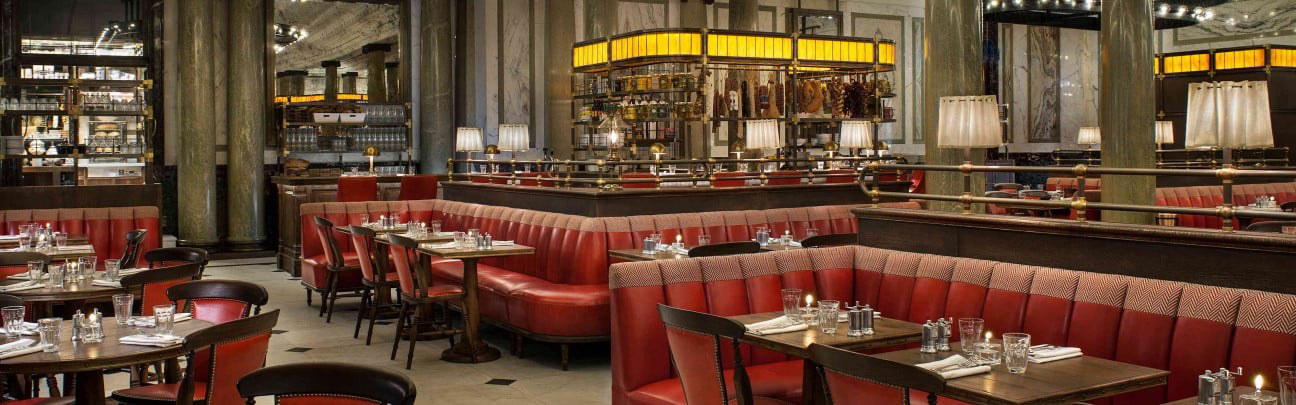
Candlelit and intimate with dark wood panelling, marble tables, gold candlesticks, and piano music creating a stylish Parisian atmosphere with no outside noise.