Hemingways
On Wimbledon High Street, Hemingways occupies a position well outside London's central bar circuit, placing it in a neighbourhood-anchored tier where local regulars and visiting audiences share the same space. The address at 57 High Street Wimbledon puts it within walking distance of the All England Club, giving it a seasonal footprint that few SW19 venues can match.

Pearl is the En Primeur Club membership app, where members save venues, book tables and use the concierge.
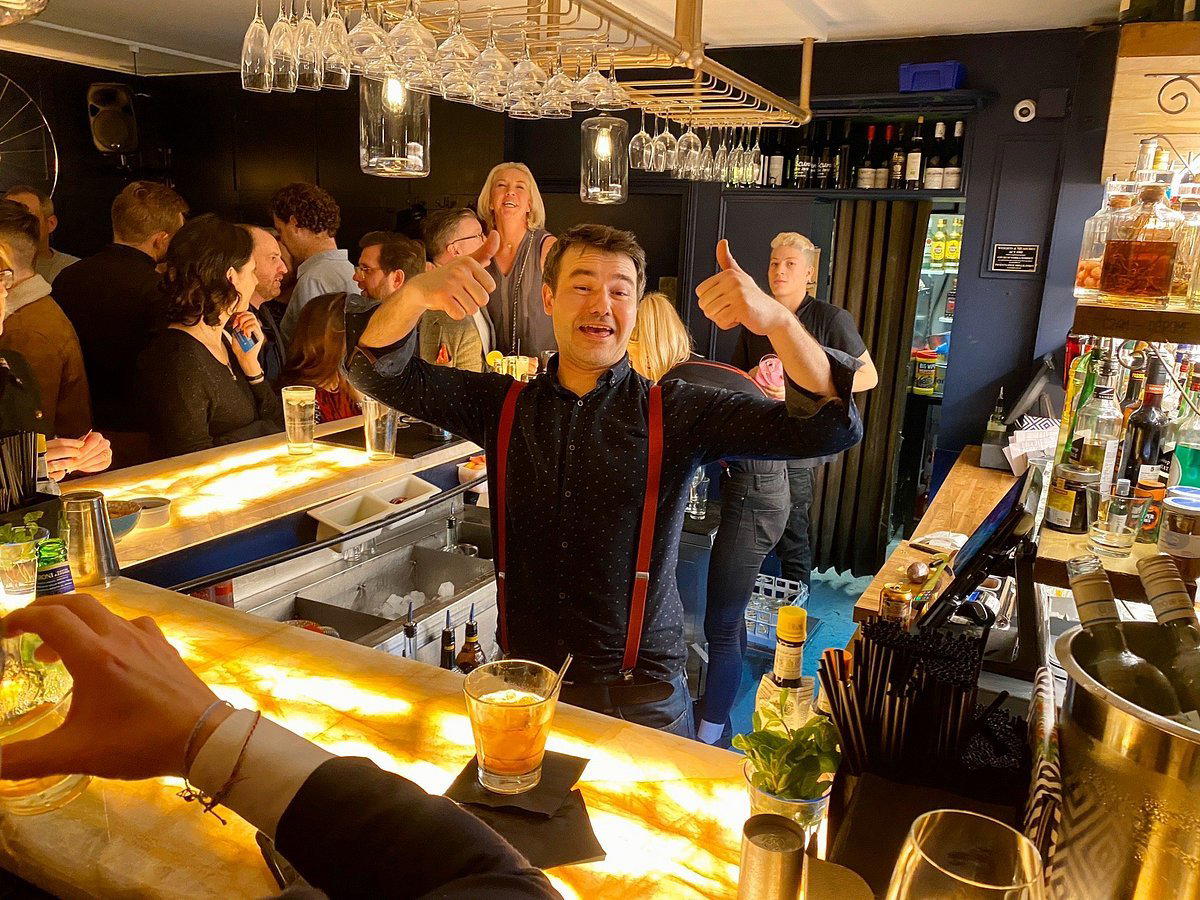
Drinking at the Village End: Wimbledon's Bar Scene in Context
London's bar geography has fragmented considerably over the past decade. The densest concentration of technically ambitious programmes sits in Islington, Shoreditch, and Soho, where venues like 69 Colebrooke Row and A Bar with Shapes For a Name have built reputations that draw visitors from outside the city. But a parallel tier exists in the outer villages, where neighbourhood bars hold ground on a different proposition entirely: proximity, consistency, and the kind of familiarity that a destination bar in EC1 cannot replicate. Wimbledon Village sits at the higher-income end of that outer tier, and the High Street reflects it.
Hemingways at 57 High Street Wimbledon occupies that context directly. The address places it at the social and commercial centre of SW19, where the High Street connects the station approach to the village proper. Arriving from Wimbledon Station, the walk takes you through a stretch that moves quickly from transport infrastructure to the quieter, more residential character of the Village, and the bar sits at a point where both audiences intersect. That positioning is not incidental: it shapes what the bar is asked to do and what kind of experience it can reasonably offer.
The Sustainability Dimension in Neighbourhood Hospitality
Across British hospitality, the sustainability conversation has moved past surface-level gestures. In London's central bar scene, venues have begun integrating sourcing ethics, waste reduction, and low-intervention production into the structural logic of their menus rather than treating these as add-ons. Bars like Academy and Amaro have demonstrated that ethical sourcing can coexist with serious programme depth. The more interesting question is how that shift translates into neighbourhood venues operating outside the specialist bar circuit.
In a neighbourhood context, sustainability often expresses itself differently than in destination bars. It shows up in supply chain choices: local breweries over international commodity imports, spirits producers with verifiable provenance, seasonal adjustments to what is poured. For a bar on Wimbledon High Street, the relevant peer comparison is less the Soho cocktail circuit and more the broader category of suburban hospitality venues that have begun taking sourcing questions seriously without converting entirely into concept-led operations. The degree to which Hemingways leans into these questions is not documented in publicly available form, but the neighbourhood's demographic profile, which skews toward educated, higher-income residents with significant exposure to sustainability discourse, creates a demand environment where these choices register with the customer base in ways they might not in a purely transient location.
What the All England Club Does to SW19 Hospitality
The annual Wimbledon Championships, held at the All England Club roughly a kilometre from the High Street, compress an enormous volume of international visitors into a three-week window each summer. For a bar on the High Street, this creates a seasonal dual identity: the regular neighbourhood venue for the other forty-nine weeks, and an overflow destination for a globally diverse audience during the tournament. That dynamic is familiar to venues in other sports-adjacent cities. Consider how Merchant Hotel in Belfast manages the tension between destination reputation and local utility, or how Schofield's in Manchester balances citywide recognition with neighbourhood footing. The Wimbledon effect is shorter and sharper than either of those cases, but it raises similar questions about programme consistency and how a venue signals its identity to two very different audiences simultaneously.
For visitors arriving during the Championships who want a reliable stop before or after grounds attendance, the High Street address is logistically efficient. Wimbledon Station is served by the District Line, National Rail from Waterloo, and the Tramlink from Croydon, making the approach from central London direct. The walk from the station to 57 High Street is under ten minutes. Outside tournament season, the same address functions as a local anchor, which is a different kind of value proposition but no less defensible as one.
SW19 in the UK Bar Conversation
British bar culture has developed serious regional depth over the past several years. Bramble in Edinburgh established that technically serious cocktail programmes could find sustained audiences outside London. Mojo Leeds in Leeds and Horseshoe Bar Glasgow in Glasgow represent different points on the spectrum between craft ambition and traditional public house character. Even within the south of England, L'Atelier Du Vin in Brighton demonstrates that wine-forward programmes can anchor a neighbourhood bar identity with real conviction. Internationally, venues like Bar Leather Apron in Honolulu show how geography, in itself, need not limit programme ambition.
Within London, the outer Village tier that Wimbledon represents has been slower to attract editorial attention than the central neighbourhoods, partly because the economics of critical coverage favour density. A single evening in Soho can yield four or five notable bars; SW19 requires a dedicated trip. That logistical reality shapes perception more than programme quality does, which means neighbourhood bars of this type tend to build their reputations through repeat local custom rather than through the award cycles and press coverage that define the central circuit. See our full London restaurants and bars guide for a broader map of how the city's drinking scene distributes across its neighbourhoods.
Planning a Visit
Hemingways sits at 57 High Street Wimbledon, London SW19 5EE, within easy reach of Wimbledon Station. During the Championships in late June and early July, the High Street sees significantly higher foot traffic and bars along this stretch tend to fill from early afternoon. Outside that window, the venue operates as a neighbourhood destination, and the pace reflects it.
A Pricing-First Comparison
| Venue | Price | Awards |
|---|---|---|
| HemingwaysThis venue (the venue you are viewing) | $30–50 | Not listed |
| Bar Termini | $20–30 | World's 50 Best #6 · Falstaff Bar - 93 Falstaff Points |
| Callooh Callay | $30–50 | World's 50 Best #48 · Top 500 Bars Best Bars #137 |
| Happiness Forgets | $20–30 | World's 50 Best #40 · Top 50 Cocktail Bars UK #44 |
| Nightjar | $30–50 | World's 50 Best #43 · Falstaff Bar - 91 Falstaff Points |
Continue exploring
More in London
Bars in London
All bars in London →
Restaurants in London
All restaurants in London →
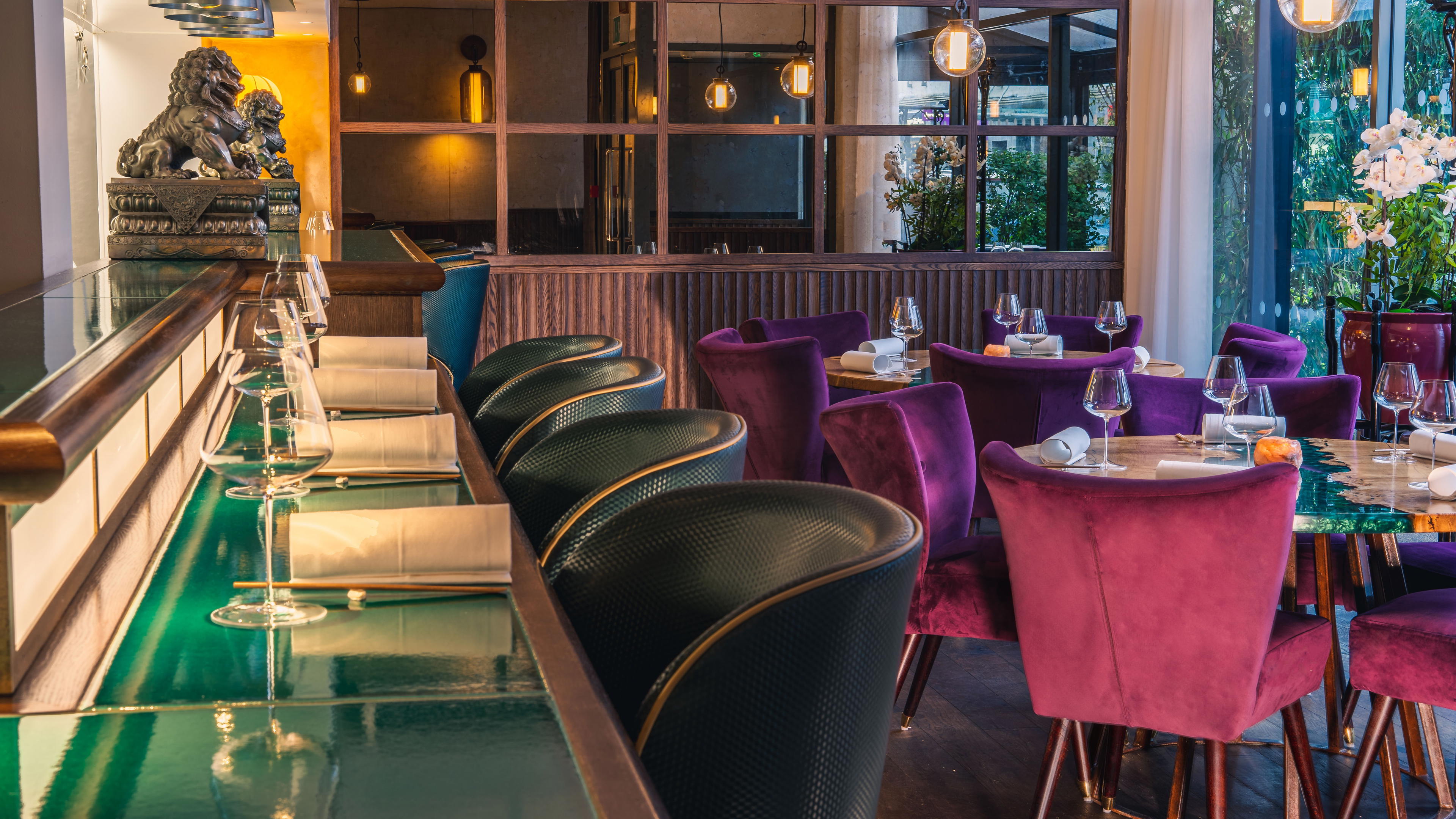
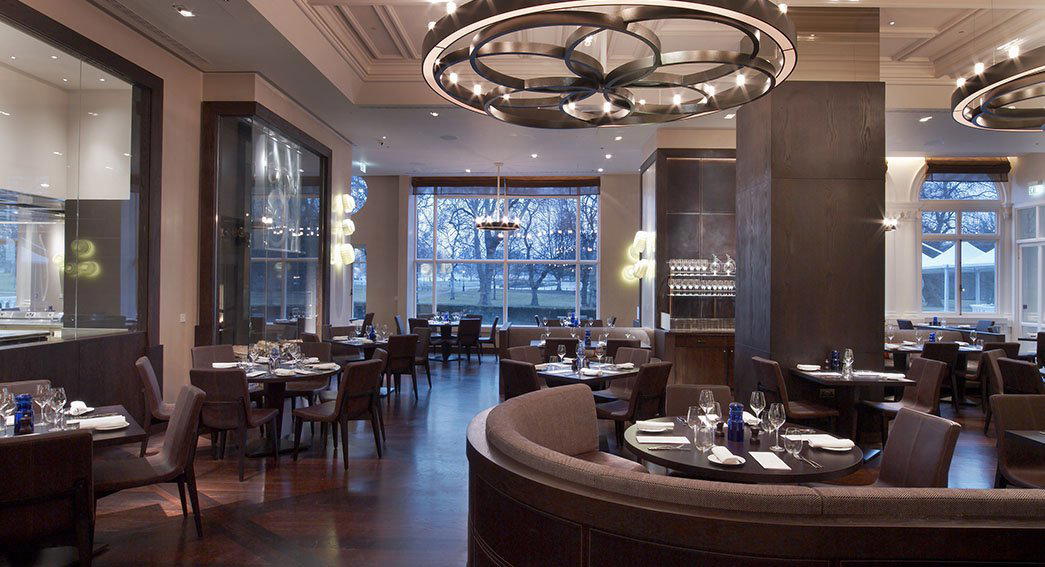
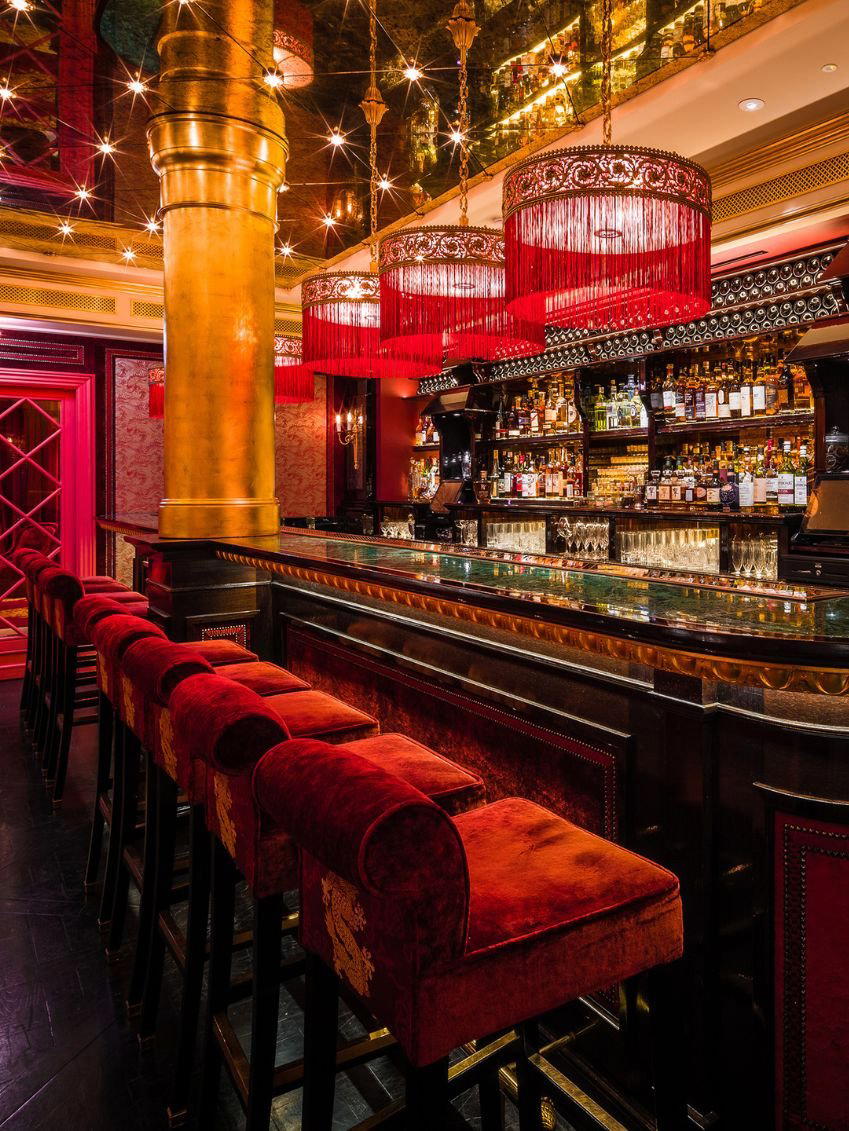
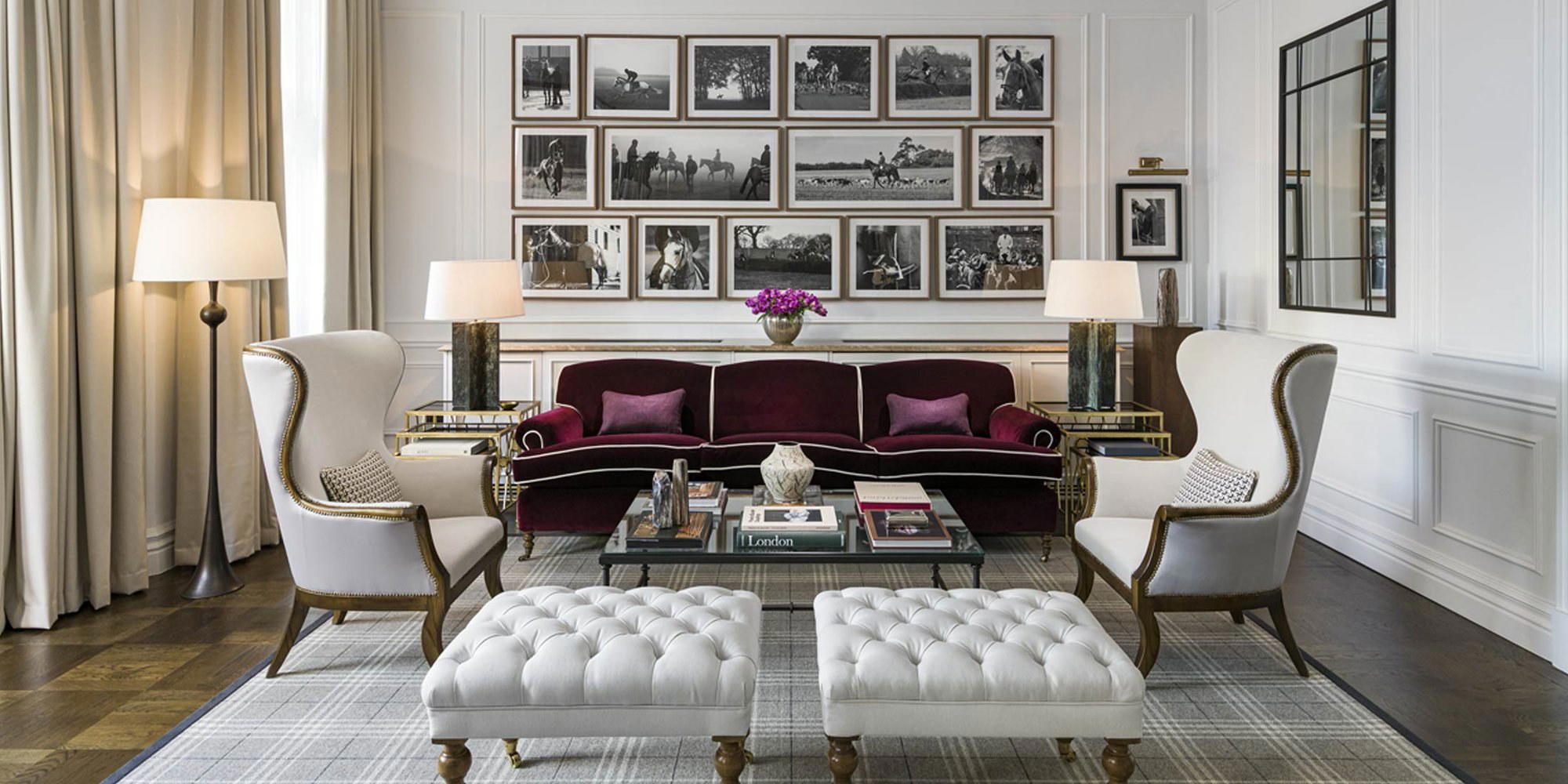

Hemingways
The drinks
- Craft cocktails
- Classic cocktails
Signature drinks: Pomme d’Hemingways, Espresso Martini, Pornstar Martini.
Details
- Classic
- Lively
- Cozy
- Date Night
- After Work
- Group Outing
- Live Music
- Historic Building
- Seated Bar
- Lounge Seating
- Classic Cocktails
- Craft Cocktails
Current opening hours
- Monday
- Closed
- Tuesday
- 7 AM–7 PM
- Wednesday
- 7 AM–12 AM
- Thursday
- 12 AM–10 PM
- Friday
- 7 AM–11:30 PM
- Saturday
- 7 AM–11:30 PM
- Sunday
- 7:15 AM–5 PM
Hours can change for holidays and private events. Hours as of .
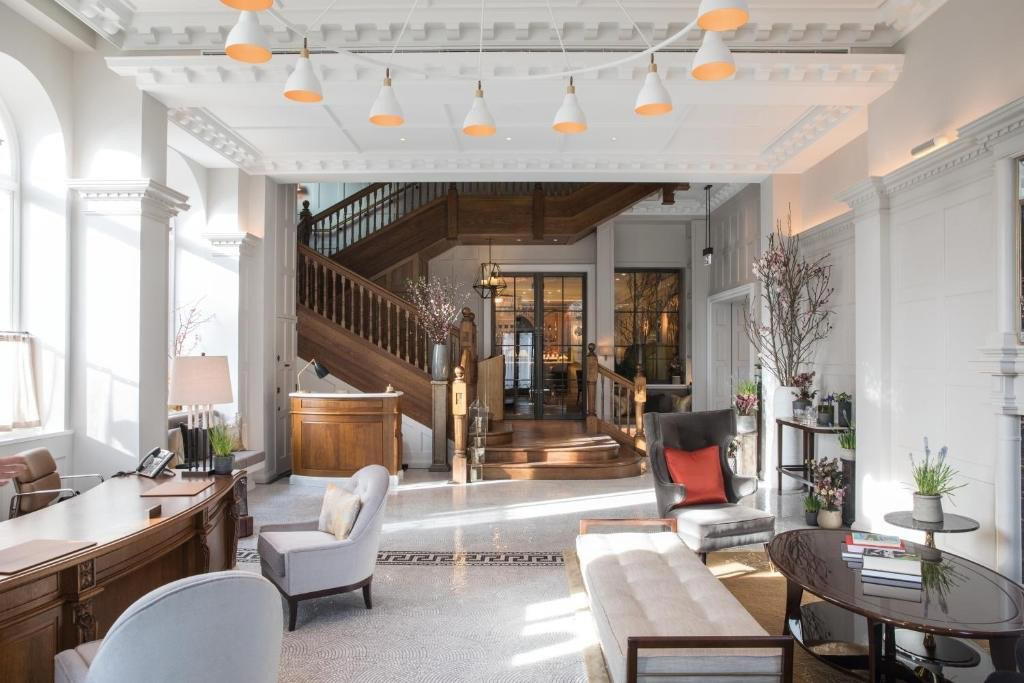
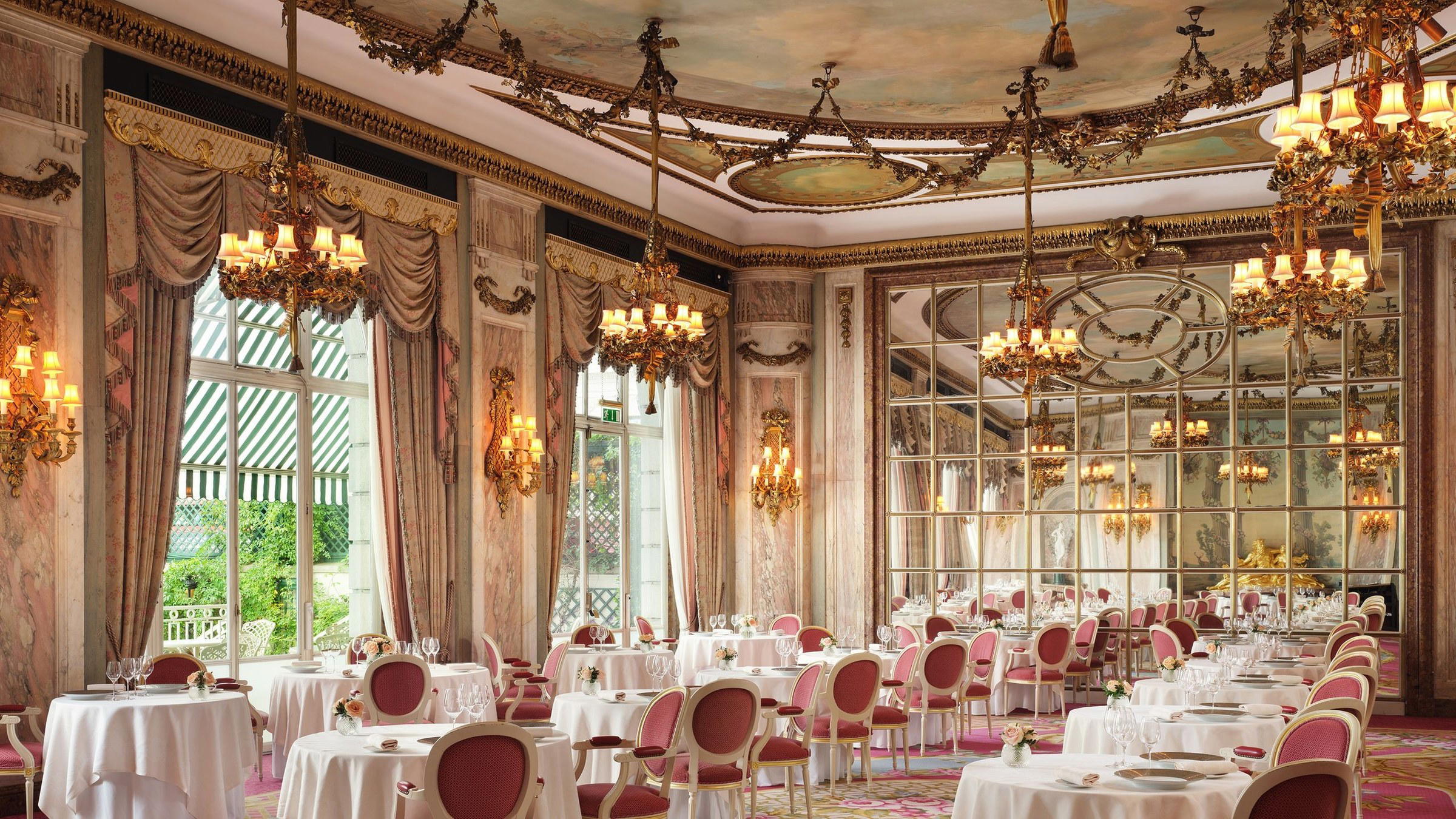
Classy and picturesque with live music and open mic events.