Happiness Forgets



World's 50 Best #40 · Top 50 Cocktail Bars UK #44 · Top 500 Bars Best Bars #310
One of Hoxton Square's most recognised addresses, Happiness Forgets earned a place in the World's 50 Best Bars every year from 2012 to 2019, peaking at number six globally. The basement bar trades in precisely constructed cocktails without theatrical staging, positioning itself in the quieter, more technically serious end of London's drinking culture. Open daily from 5pm, it remains a reference point for how East London reshaped the city's cocktail conversation.

Pearl is the En Primeur Club membership app — saves, bookings, and concierge access live there. Same editors, same standards.
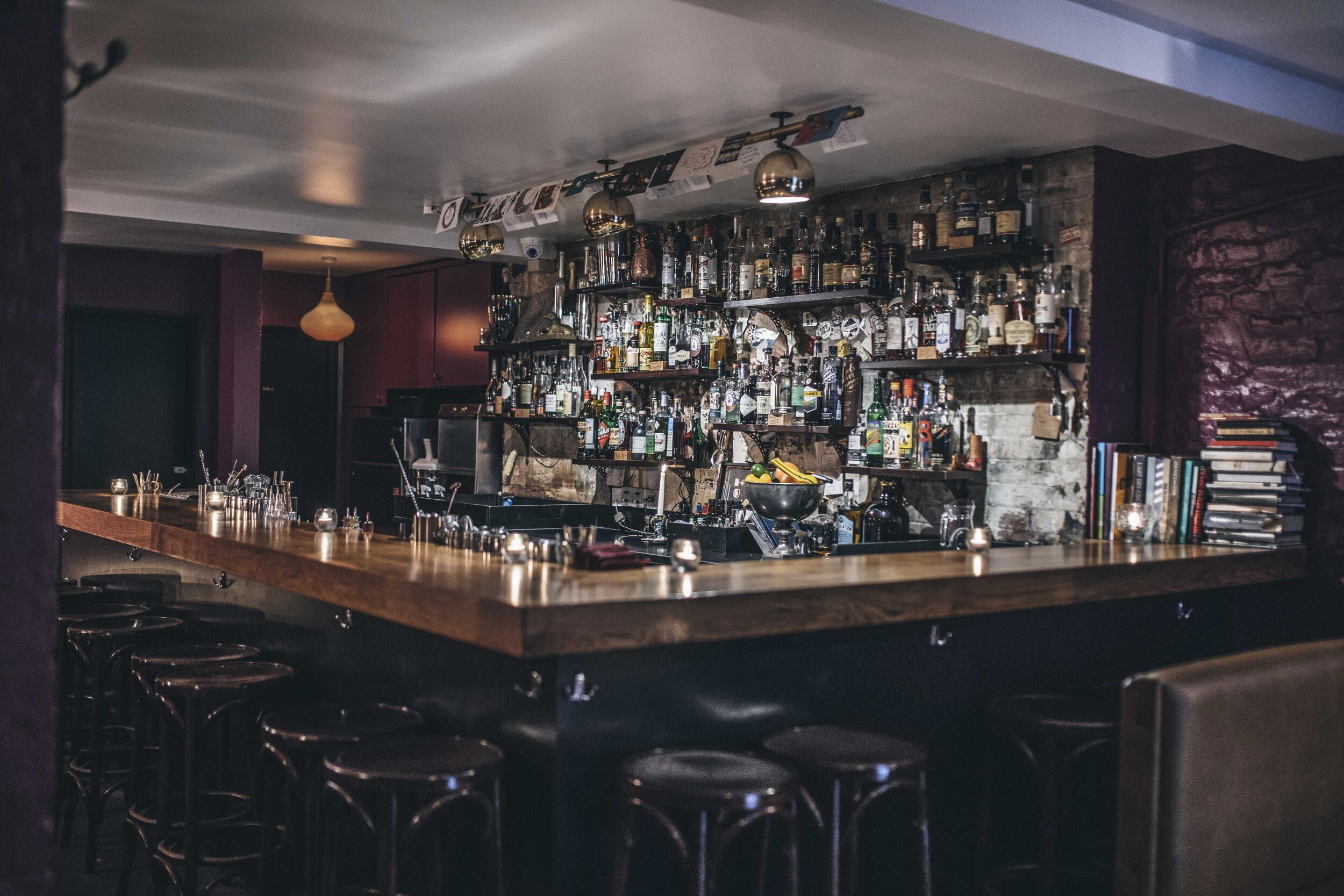
Hoxton Square and the Bar That Shaped It
Hoxton Square has cycled through identities faster than most London postcodes. In the early 2000s it was gallery space and art-school adjacency; by the 2010s it had become a reliable address for the kind of bar that attracted serious drinkers rather than serious queues. Happiness Forgets, at 8-9 Hoxton Square, landed at exactly the right moment to become part of that shift and then to outlast most of its contemporaries.
The broader trend it belongs to is worth naming. London's cocktail scene between 2010 and 2020 split decisively between two formats: high-concept theatrical bars where the experience competed with the drink, and technically focused rooms where the liquid was the point. Happiness Forgets sat firmly in the second camp. No dry-ice theatrics, no elaborate garnish architecture, no themed menus structured around a narrative arc. The editorial decision to strip back format and let technique carry the room turned out to be both a commercial and critical gamble that paid off across nearly a decade of sustained international recognition.
A Record That Speaks to the Era
The awards history here is long enough to function as a barometer for the whole London bar scene. Happiness Forgets appeared in the World's 50 Best Bars list every year from 2012 through 2019, ranking as high as sixth globally in 2013 and reaching the leading ten in six of those eight years. That kind of consistency across different judging panels and shifting industry fashions is unusual. It is not the trajectory of a bar that opened well and coasted; it is the trajectory of a bar that kept doing the same disciplined thing while the wider market moved in several directions around it.
2025 Top 500 Bars ranking places it at number 310, which reflects the natural recalibration that follows when a bar steps back from active awards campaigning rather than any meaningful decline in quality. For context, the bars that now occupy the leading twenty of the 50 Best list include several that were not yet open when Happiness Forgets was ranked sixth. Among London's peers in the UK-wide bar conversation, addresses like Bramble in Edinburgh, the Merchant Hotel in Belfast, and Schofield's in Manchester each represent regional scenes that developed partly in conversation with what London bars like this one were proving was possible.
Technique as the Editorial Position
Editorial angle that defined Happiness Forgets was the intersection of classical technique and restrained presentation. London's leading cocktail addresses of this period were borrowing methods from European bartending traditions, particularly the French and Spanish approach to product-led simplicity, and applying them to a drinking culture that had previously been more interested in spectacle. The basement format reinforced this: below street level, without the ambient light of a terrace or the social theatre of a ground-floor room, the focus defaulted to what was in the glass.
This approach aligned Happiness Forgets with a peer group that included 69 Colebrooke Row, which was building its own technically rigorous reputation across the river in Islington at roughly the same time. Both bars contributed to the argument that London's serious cocktail culture had moved past the speakeasy revival and into something closer to a craft-spirits focused, ingredient-led discipline. A Bar with Shapes For a Name and Academy represent where that evolution has since gone, with even tighter focus on fermentation, clarification, and direct sourcing. Happiness Forgets remains the reference point from which those progressions depart.
Bars that rely primarily on atmosphere, novelty, or Instagram positioning tend to see their ratings fluctuate more sharply as fashions shift. A sustained rating at that level across a large sample suggests that what the bar delivers is consistently meeting expectations set by its actual reputation rather than by marketing positioning.
What the Basement Format Means in Practice
Basement bars in London operate in a particular register. Removed from street noise, they tend toward lower volume and higher concentration. The format rewards slower drinking and longer stays, which partly explains why technically complex cocktails suit them better than high-turnover spirits serves. Happiness Forgets used the format deliberately rather than incidentally, and the result is a room that functions as a counterargument to the open-plan, high-visibility bar design that dominated the 2010s elsewhere in the city.
East London bars have generally been more willing to hold this kind of position than their West End counterparts, where commercial pressure toward high covers and fast turnaround tends to shape format decisions. Hoxton and Shoreditch built a reputation for bars that treated the drinks program as the primary offering rather than a revenue line alongside food, events, and private hire. That positioning is harder to sustain as rents have risen, which makes the longevity of addresses like this one more notable rather than less.
For visitors comparing London's bar options across the city, the contrast with something like Amaro or bars further afield, from Mojo Leeds to Horseshoe Bar Glasgow and L'Atelier Du Vin in Brighton, illustrates how differently the same category plays across British drinking culture. See our full London restaurants and bars guide for how Happiness Forgets sits within the wider city picture.
Know Before You Go
| Detail | Information |
|---|---|
| Address | 8-9 Hoxton Square, London N1 6NU |
| Hours | Monday to Sunday, 5:00pm to 11:00pm |
| Nearest Tube | Old Street (Northern line) or Hoxton (Overground) |
| Awards | World's 50 Best Bars top 10 (2013–2017); Top 500 Bars #310 (2025) |
Comparable Spots, Quickly
Comparable venues nearby, for context on price, style, and recognition.
| Venue | Cuisine | Price | Awards | Notes |
|---|---|---|---|---|
| Happiness ForgetsThis venue (the venue you are viewing) | speakeasy | $20–30 | World's 50 Best #40 · Top 50 Cocktail Bars UK #44 | Not listed |
| Nightjar | speakeasy | $30–50 | World's 50 Best #43 · Falstaff Bar - 91 Falstaff Points | Hoxton |
| Tayēr + Elementary | Cocktail Bar | $50–100 | World's 50 Best #12 · Top 50 Cocktail Bars UK #10 | St Luke's |
| Callooh Callay | cocktail_bar | $30–50 | World's 50 Best #48 · Top 500 Bars Best Bars #137 | Shoreditch |
| Satan's Whiskers | cocktail_bar | $20–30 | World's 50 Best #11 · Top 50 Cocktail Bars UK #3 | Bethnal Green |
| Dandelyan | Bar | Not listed | World's 50 Best #1 | Bankside |
Recognition history
Dated appearances from independent guides and award organizations, with the underlying list record or original source where available.
World's 50 Best Bars #40
World's 50 Best
Top 50 Cocktail Bars UK #44 · No. 44
Top 50 Cocktail Bars · Top 50 Cocktail Bars UK 2026
Top 500 Bars Best Bars #310
Top 500 Bars
Full recognition history (10 entries)
World's 50 Best Bars #35
World's 50 Best
World's 50 Best Bars #12
World's 50 Best
World's 50 Best Bars #10
World's 50 Best
World's 50 Best Bars #8
World's 50 Best
World's 50 Best Bars #12
World's 50 Best
World's 50 Best Bars #6
World's 50 Best
World's 50 Best Bars #12
World's 50 Best
Continue exploring
More in London
Bars in London
All bars in London →
Restaurants in London
All restaurants in London →



Happiness Forgets
The wine
- Wine program
- Curated wine list
- Craft cocktails
- Classic cocktails
Signature drinks: Two Barrels, Louis Balfour.
Details
- Cozy
- Intimate
- Trendy
- Date Night
- After Work
- Casual Hangout
- Speakeasy
- Seated Bar
- Booth Seating
- Craft Cocktails
- Classic Cocktails
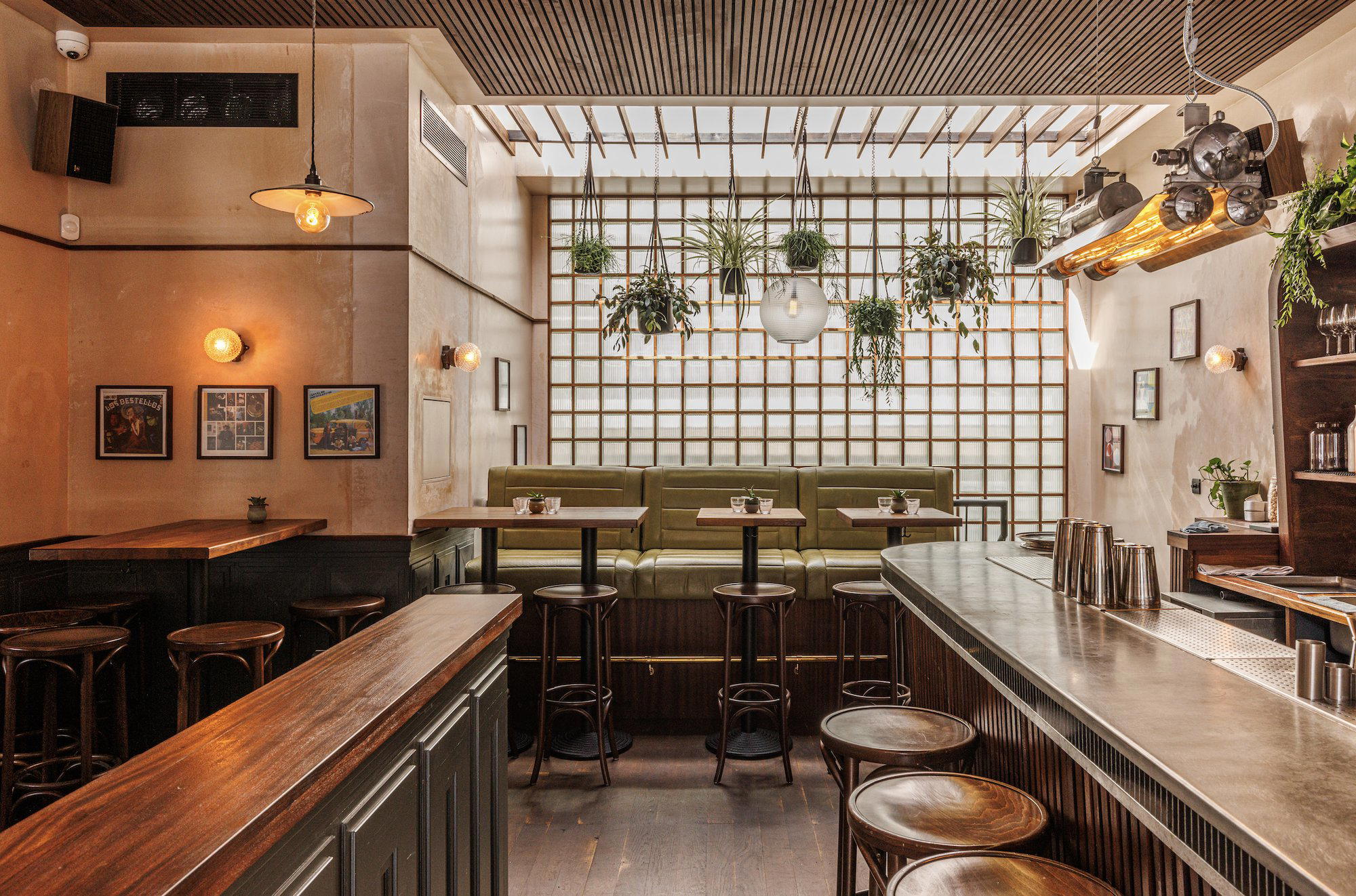
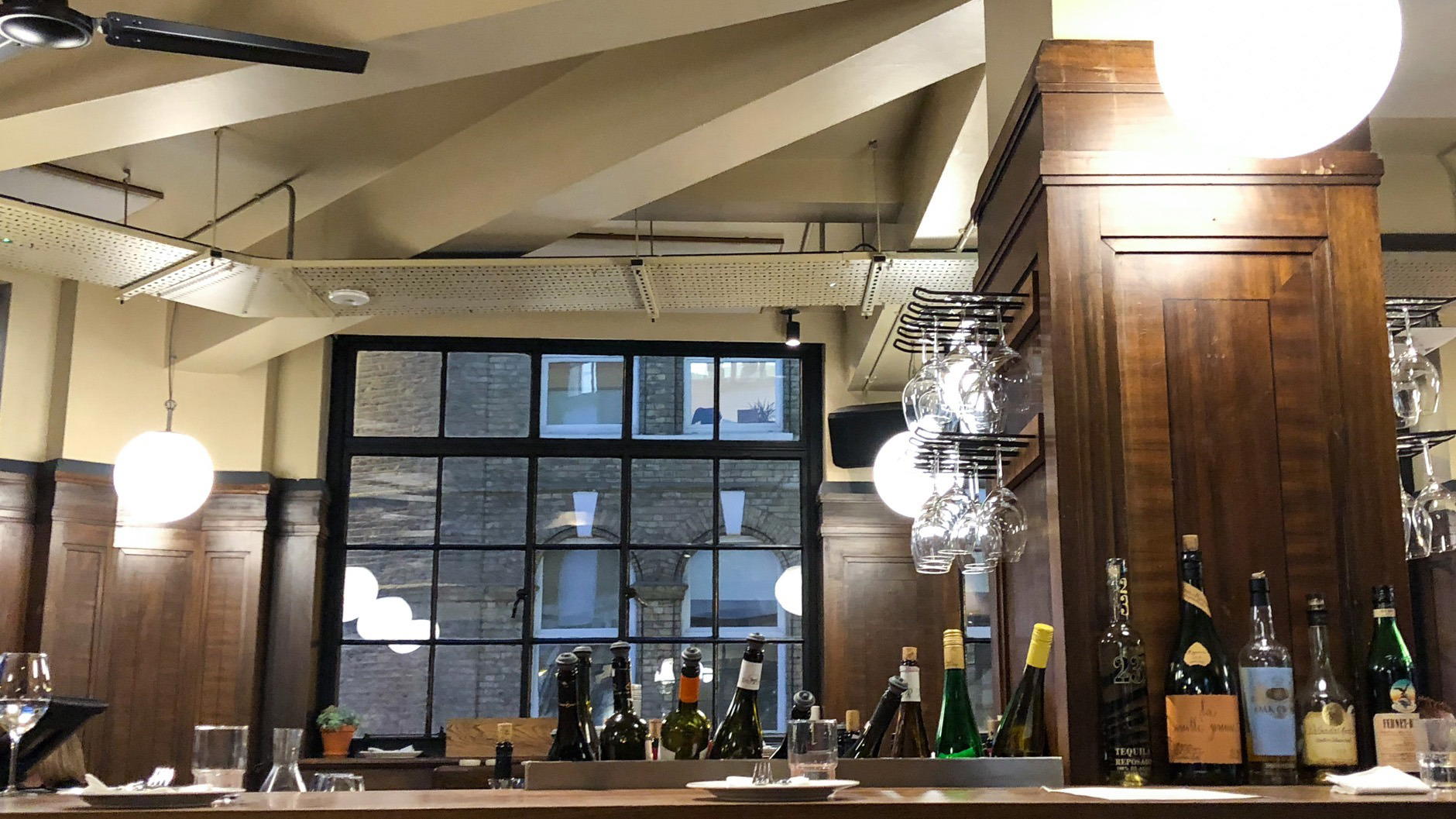
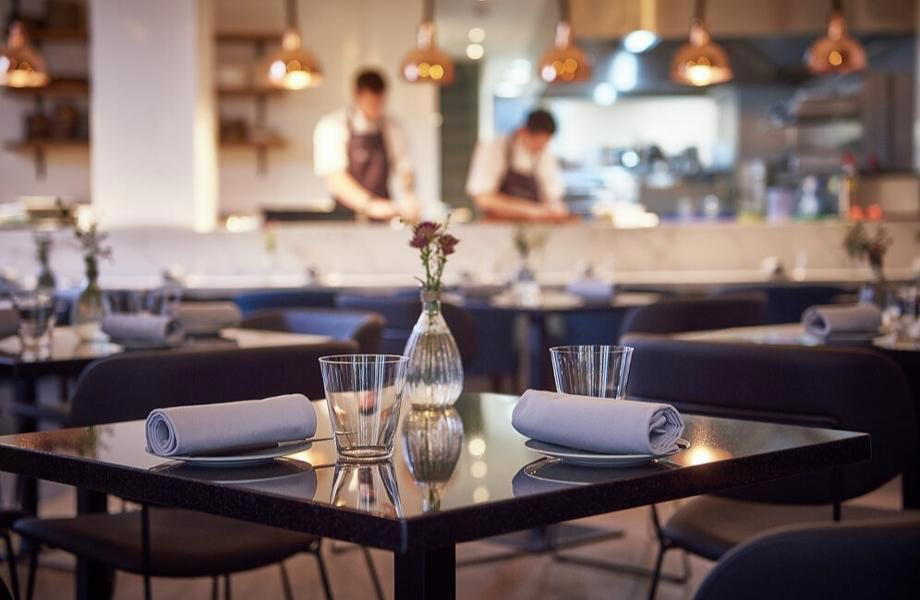
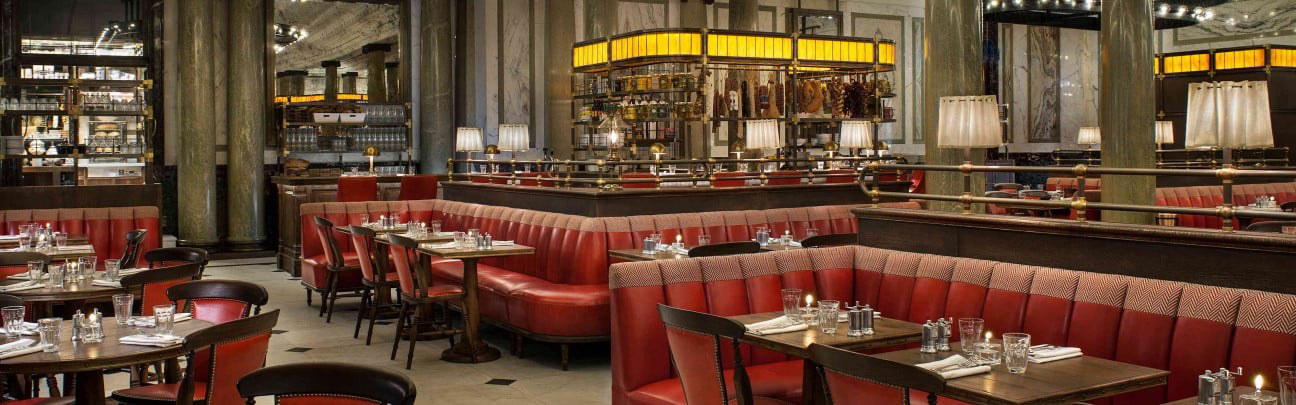
Candlelit with low-level lighting, red brick walls, and a warm, homey atmosphere conducive to conversation.