Gottscheer Hall
A German-American hall in Ridgewood, Queens, Gottscheer Hall has operated as a community anchor since the mid-twentieth century, drawing on the heritage of Gottschee, a historically German-speaking enclave of what is now Slovenia. The physical space — high ceilings, long communal tables, and a working stage — places it firmly in the Central European beer-hall tradition, making it one of the few surviving examples of that format in New York City.
Pearl is the En Primeur Club membership app — saves, bookings, and concierge access live there. Same editors, same standards.
- Address
- 6-57 Fairview Ave, Ridgewood, NY 11385
- Phone
- +1 718 366 3030
- Website
- gottscheerhall.com
- Directions
- Get directions
 Saves & bookings on Pearl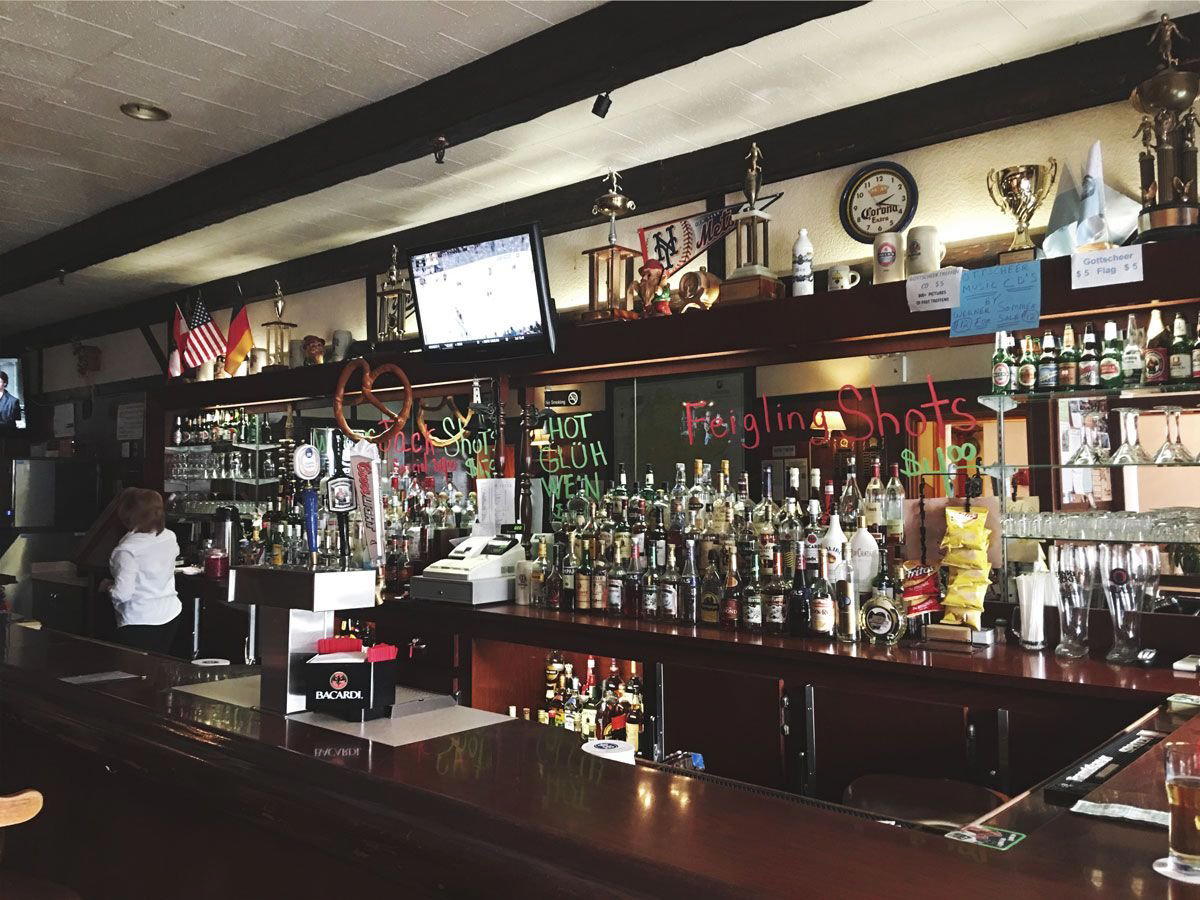
A Beer Hall That Outlasted Its Era
New York City's Central European immigrant infrastructure was once extensive. German and Austro-Hungarian communities built their own halls, clubs, and gathering spaces across Brooklyn, Queens, and upper Manhattan through the late nineteenth and early twentieth centuries. Most of those spaces have long since been converted, demolished, or absorbed into other uses. Gottscheer Hall, operating out of a brick building on Fairview Avenue in Ridgewood, Queens, is one of the few remaining examples of that tradition still functioning in its original social role. Its founding community, the Gottscheers, were a historically German-speaking population from a region of what is now Slovenia, known as Kočevje in Slovenian. Their diaspora in New York was concentrated in Queens, and the hall was built to serve that community specifically — not as a general-purpose venue but as a cultural and social headquarters for a small, cohesive group.
That specificity is what gives the space its architectural character. Unlike the generic event halls and converted warehouses that now host most large-group dining in the outer boroughs, Gottscheer Hall was designed with a clear Central European programmatic logic: a main hall oriented around communal seating, a raised stage for live entertainment, and a bar positioned as a social anchor rather than an afterthought. The proportions are generous, the ceiling height significant, and the layout oriented toward collective gathering rather than private dining. Walking in, the spatial grammar is legible immediately. This is not a restaurant that also does events. It is a hall that also serves food.
The Physical Container and What It Signals
In a city where dining spaces increasingly default to industrial minimalism or studied neighborhood casualness, the beer-hall format carries its own distinct set of design values. Long communal tables impose a social dynamic that smaller, more partitioned layouts avoid. You sit beside strangers. Conversations carry across the table rather than being contained within it. The stage, positioned for live music and seasonal performances, is not decorative. On nights when it is in use, the room functions as a unified space rather than a collection of separate dining experiences happening in parallel.
Ridgewood itself reinforces this read. The neighborhood sits on the Queens-Brooklyn border and retains more of its pre-gentrification architectural fabric than many surrounding areas. The building stock is largely low-rise and early twentieth-century, and the commercial streets still carry traces of the ethnic succession that characterized outer-borough Queens throughout the postwar decades. Gottscheer Hall fits that context without irony. It is not a heritage-themed experience transplanted into a trendy district. It occupies its original neighborhood, serving a community that still exists, however diminished in number from its postwar peak.
For visitors accustomed to bars like Amor y Amargo or the polished technical programs of places like Attaboy NYC and Angel's Share, Gottscheer Hall occupies a completely different register. The comparison set is not cocktail bars or chef-driven restaurants. It is the dwindling number of ethnically specific halls that once defined neighborhood life in the outer boroughs. In that narrower peer group, Gottscheer Hall is among the most intact surviving examples in the five boroughs.
German-American Brewing Tradition in Context
The food and drink at Gottscheer Hall operate within a Central European register that has largely disappeared from the city's mainstream dining conversation. German-American cuisine in New York peaked institutionally in the nineteenth century, when Kleindeutschland on the Lower East Side supported a full ecosystem of butchers, brewers, and taverns. By the late twentieth century, that infrastructure had contracted to a handful of holdouts in Yorkville on the Upper East Side, a few outer-borough clubs, and scattered social halls like this one. The beer-hall format — draft lager, hearty Central European food, communal seating, live music, was the connective tissue of that culture, and it survives here in a way that the more tourist-facing Yorkville institutions largely do not.
For visitors exploring the wider New York drinking scene, the contrast with technically focused programs like Superbueno is instructive. Where those venues are built around the craft and identity of the drink itself, Gottscheer Hall situates the drink within a social architecture that predates the modern cocktail-bar format entirely. The beer is the vehicle for community, not the primary object of attention.
Getting There and Planning Your Visit
Reaching Ridgewood from Manhattan requires a subway ride to the M or L train lines, with the M train providing the most direct access to the Ridgewood corridor. The journey runs roughly 30 to 40 minutes from Midtown. Gottscheer Hall is on Fairview Avenue, a residential side street that requires a short walk from the nearest commercial strip. The area is navigable on foot and the surrounding blocks offer a reasonable sense of the neighborhood's architectural character if you arrive with time to spare.
The hall hosts regular events, particularly around German and Austrian seasonal traditions, and those evenings draw a mixed crowd of community members and visitors from across the city. Timing a visit to coincide with one of those occasions gives the space its fullest expression. The communal table format means drop-in visits during active service periods work reasonably well, though for larger groups or specific event nights, confirming in advance through available channels is advisable. For those building a broader New York itinerary, our full New York City restaurants guide covers the range of options across neighborhoods and formats.
The outer-borough location and the hall's community-first orientation place it outside the usual circuit for most first-time visitors to the city. That is precisely the point. Venues elsewhere that share a similarly deliberate, format-specific approach, Kumiko in Chicago, Jewel of the South in New Orleans, Bar Leather Apron in Honolulu, Julep in Houston, ABV in San Francisco, Allegory in Washington, D.C., and The Parlour in Frankfurt on the Main, share a commitment to operating within a defined cultural frame rather than optimizing for broad appeal. Gottscheer Hall's frame is narrower than most, which makes it more instructive, not less.
Continue exploring
More in New York City
Bars in New York City
Browse all →
Restaurants in New York City
Browse all →
Hotels in New York City
Browse all →





At a Glance
- Rustic
- Classic
- Lively
- Well Known
- Group Outing
- Casual Hangout
- Historic Building
- Seated Bar
- Booth Seating
- Craft Beer
Current opening hours
- Monday
- Closed
- Tuesday
- 4–11 PM
- Wednesday
- 4–11 PM
- Thursday
- 4–11 PM
- Friday
- 4 PM–12 AM
- Saturday
- 1 PM–12 AM
- Sunday
- 1–11 PM
Hours can change for holidays and private events. Last verified .
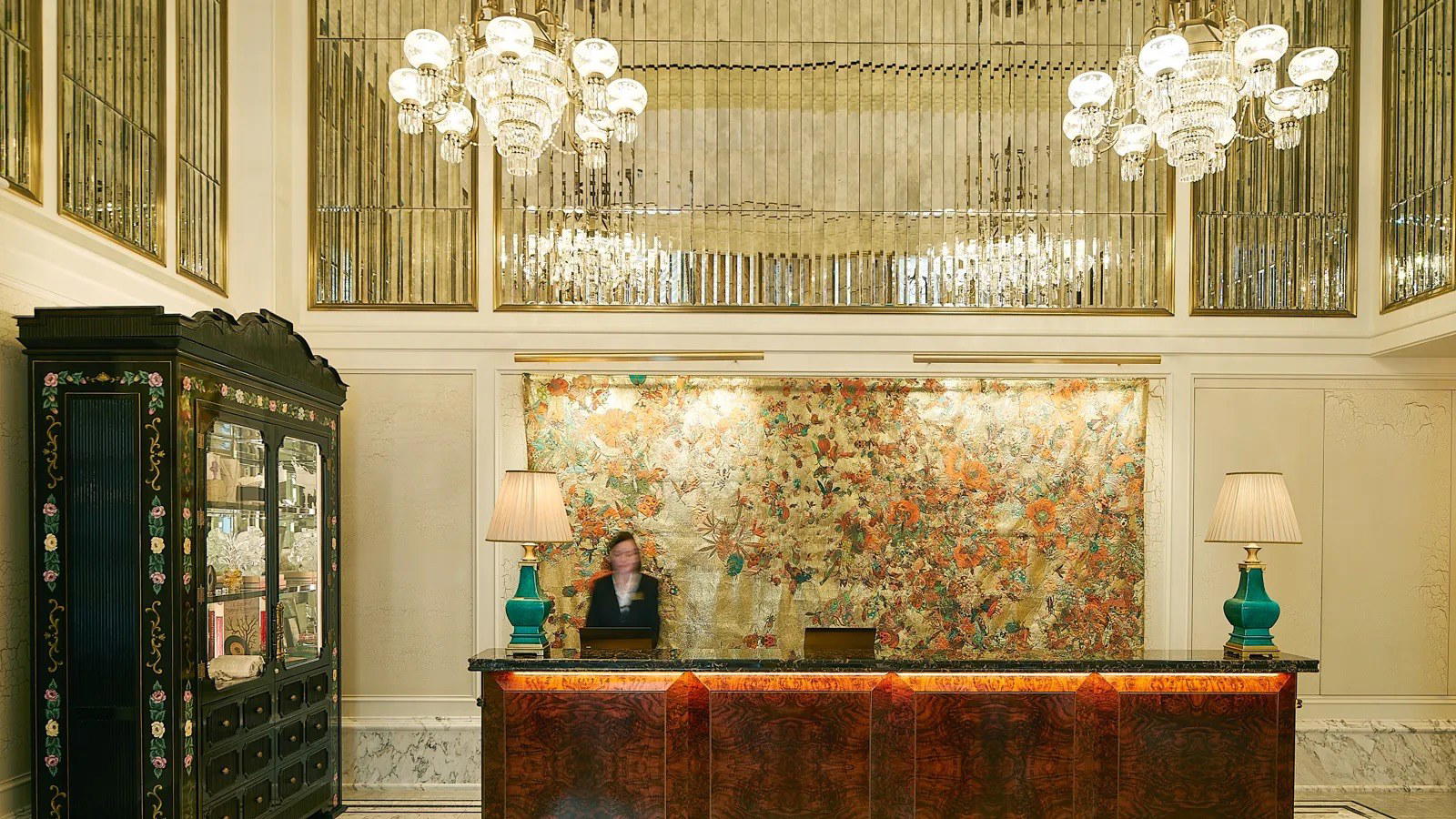
Wood-paneled bar evoking a Midwestern town tavern with a welcoming, neighborhood atmosphere under sparkling chandeliers in the banquet hall.
Know Before You Go
- Getting there
- 6-57 Fairview Ave, Ridgewood, NY 11385