Butcher Bar
A neighborhood bar on Astoria's 30th Avenue strip, Butcher Bar occupies a space that rewards the Queens-curious traveler willing to cross the East River. Against a Manhattan cocktail scene defined by high concept and high price, this is a room built for repetition rather than occasion — the kind of place locals return to mid-week without needing a reason.
Pearl is the En Primeur Club membership app — saves, bookings, and concierge access live there. Same editors, same standards.
- Address
- 37-10 30th Ave., Astoria, NY 11103
- Phone
- +1 718 606 8140
- Website
- butcherbar.com
- Directions
- Get directions
 Saves & bookings on Pearl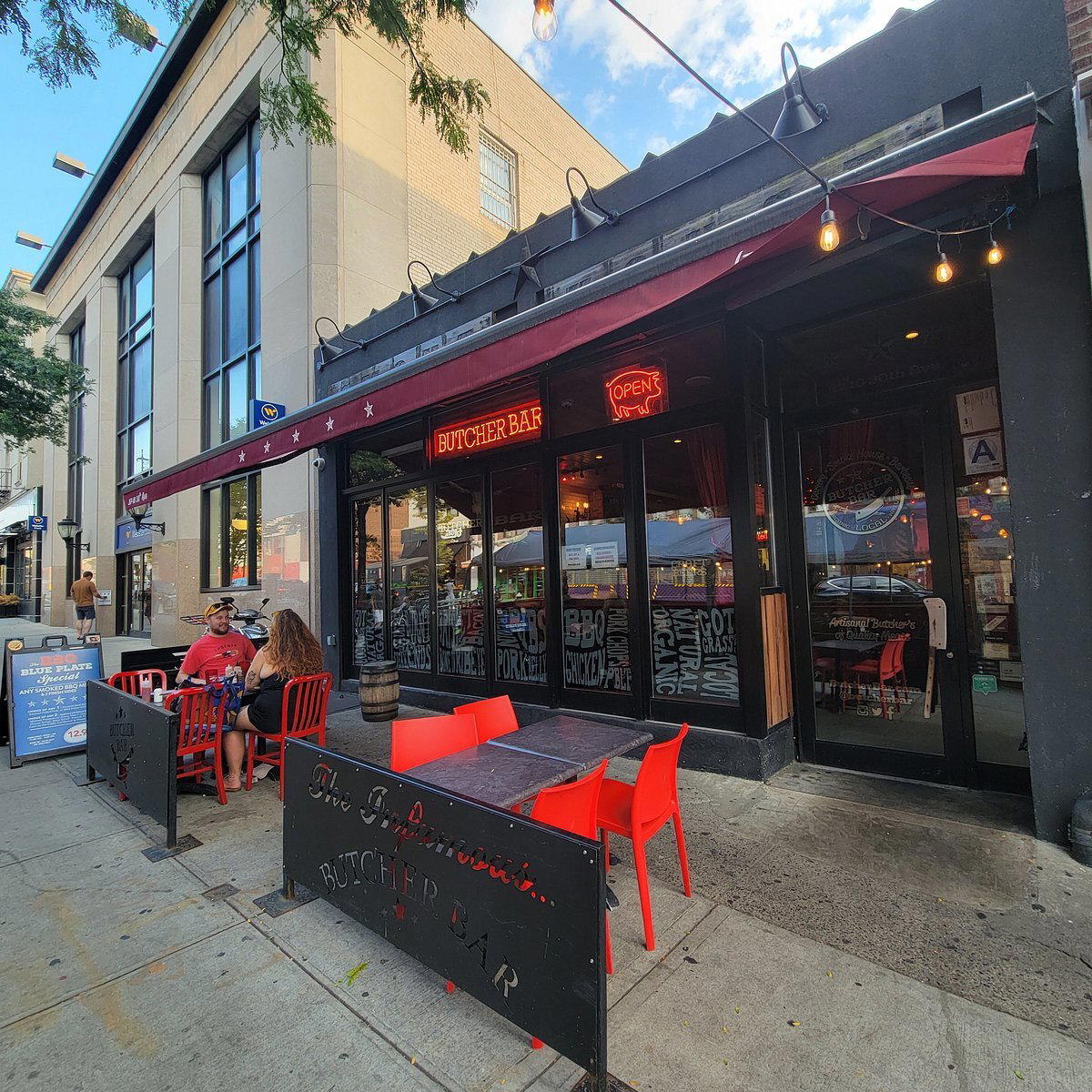
Across the River, Without the Ceremony
The cocktail conversation in New York has long been anchored to a handful of Manhattan addresses: the hidden-door formats of the Lower East Side, the technically precise counters of the East Village, the seasonal programs attached to destination restaurants. Queens rarely enters that conversation at the same volume, even as neighborhoods like Astoria have built a bar culture that runs on different terms — less occasion-driven, more embedded in the fabric of regular life. Butcher Bar, on 30th Avenue in Astoria, sits inside that quieter current.
The physical approach matters here. Thirty-first Avenue and its parallel strips are part of the commercial spine that runs through Astoria without the self-consciousness of a curated bar district. Storefronts alternate between Greek bakeries, hardware suppliers, and the kind of long-running restaurants that predate the neighborhood's more recent visibility. Butcher Bar arrived into that mix as something legible to its surroundings rather than positioned against them.
The Room as an Argument
New York's premium bar tier has largely moved toward interiors that announce their intentions: exposed concrete, bespoke joinery, lighting rigs calibrated to the millimeter. Butcher Bar makes a different argument. The space reads as deliberate in its restraint — an interior that aligns with the neighborhood's working register rather than importing a downtown aesthetic to a Queens address. That positioning has a logic to it. A room that doesn't demand to be photographed tends to attract people who came to drink rather than document.
The seating arrangement follows from the same principle. Bars that prioritize counter seating over table formats tend to produce a different social dynamic: conversation between strangers becomes easier, the bartender becomes part of the experience rather than a transactional figure, and the pacing of an evening is set by the room rather than a reservation slot. Whether Butcher Bar's specific configuration follows that model exactly is worth observing on arrival, but the neighborhood bar format in Astoria generally operates without the rigid choreography of timed seatings or multi-course structures.
That informality has a geographic explanation. Astoria's bar culture developed in parallel with, rather than derivative of, Manhattan's cocktail moment. The neighborhood's Greek-American community gave it a long history of late-evening sociability, coffee houses, tavernas, spaces built for duration rather than efficiency. A bar opening into that context inherits a different set of expectations about what a room should feel like and how long people should stay in it.
Where It Sits in the New York Conversation
New York's cocktail bar market has split into recognizable tiers. At one end: destination programs with national recognition, allocation-style booking, and price points that approach fine dining. Attaboy NYC and Angel's Share represent the more established end of Manhattan's serious bar culture, each with a specific format discipline and a crowd that travels deliberately to reach them. Amor y Amargo occupies a narrower specialist niche, built around bittersweet spirits and a program with unusual depth in that category. Superbueno operates with a higher-energy format that leans into a specific Latin spirits tradition.
Butcher Bar sits outside that Manhattan competitive set, which is both its geographic reality and its editorial position. The outer-borough bar that succeeds on its own terms rather than as a satellite of a downtown trend is a recurring figure in New York's drinking culture, and Astoria has produced several. The value proposition is not difficult to articulate: the same quality of attention to craft, significantly less pressure on the room, and a transit ride that filters out the people who need a venue to be a statement before they'll commit an evening to it.
For comparison, bars that have earned sustained regional recognition outside of major metro centers, Kumiko in Chicago, ABV in San Francisco, Jewel of the South in New Orleans, Julep in Houston, Allegory in Washington, D.C., and Bar Leather Apron in Honolulu, tend to share a common feature: they hold a neighborhood relationship first and a wider reputation second. That sequencing tends to produce more consistent programs than venues built for destination traffic from the outset. The Parlour in Frankfurt operates on a similar axis internationally. Butcher Bar appears to follow that model, with its Astoria address functioning as a commitment to a specific community rather than a positioning gap.
Getting There and Planning a Visit
The N and W trains stop at 30th Avenue station, placing Butcher Bar within easy walking distance of the subway. The journey from Midtown Manhattan runs approximately 25 to 30 minutes on a direct Queens-bound train, making this a realistic mid-evening destination rather than a full expedition. Astoria's 30th Avenue corridor is active most nights, with enough surrounding options, food particularly, to build an evening around.
Visitors should verify details directly before traveling, particularly for weekend visits when the neighborhood draws heavier foot traffic from across the borough and beyond. For a wider view of where Butcher Bar sits within New York's broader bar and dining scene, the EP Club New York City guide covers the full range of the city's options by neighborhood and category.
Quick reference: 37-10 30th Ave. Astoria, Queens, N/W train to 30th Avenue station.
Continue exploring
More in New York City
Bars in New York City
Browse all →

Restaurants in New York City
Browse all →
Hotels in New York City
Browse all →





At a Glance
- Rustic
- Lively
- Cozy
- Casual Hangout
- Group Outing
- Live Music
- Historic Building
- Seated Bar
- Booth Seating
- Classic Cocktails
Current opening hours
- Monday
- 11:30 AM–11 PM
- Tuesday
- 11:30 AM–11 PM
- Wednesday
- 11:30 AM–11 PM
- Thursday
- 11:30 AM–11 PM
- Friday
- 11:30 AM–12 AM
- Saturday
- 11:30 AM–12 AM
- Sunday
- 11:30 AM–11 PM
Hours can change for holidays and private events. Last verified .
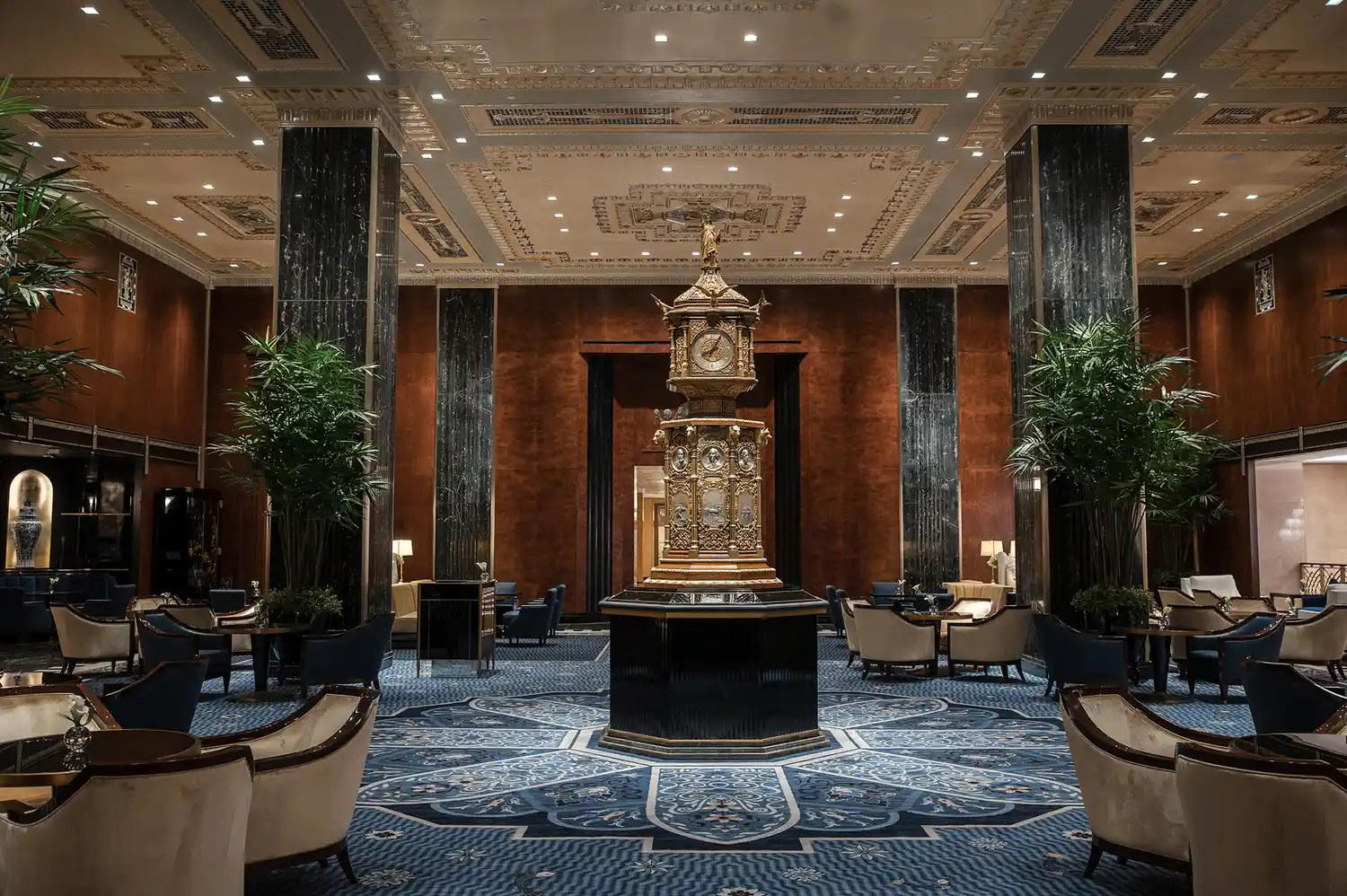
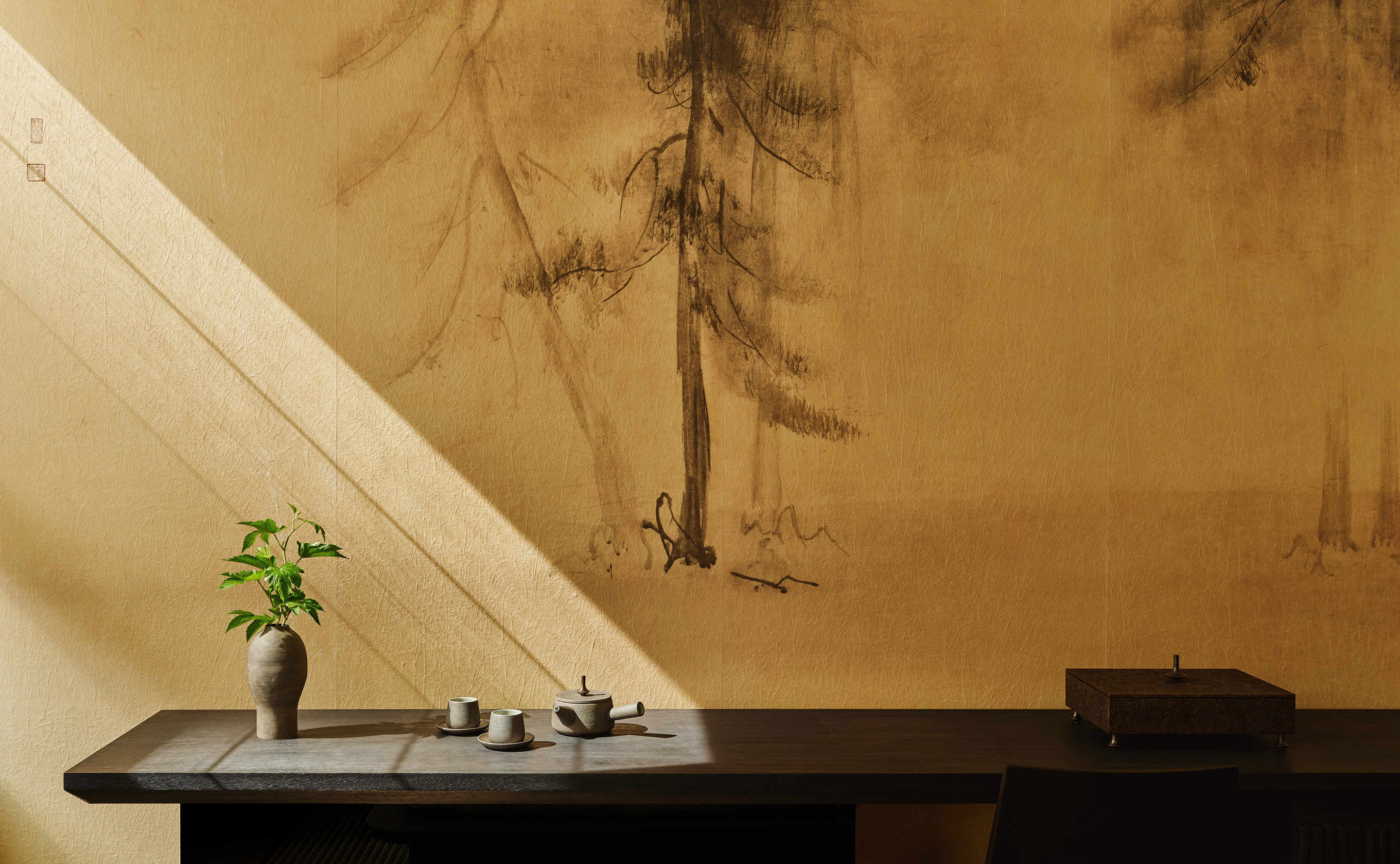
Warm lighting, charming fireplace, lively imagery, and musical history creating a dynamic and inviting space.
Know Before You Go
- Getting there
- 37-10 30th Ave., Astoria, NY 11103